


Tinnitus is more than just a nuisance it can impact your focus, sleep, and overall mental health. While medical treatments are limited, certain supplements for tinnitus may provide symptom relief for some people. This post reviews evidence-backed options, helping you make informed decisions about your health and well-being.
Understanding Tinnitus
Before exploring supplements, it is crucial to understand what tinnitus is and how it impacts individuals. Tinnitus is not a disease but a symptom of an underlying condition, often related to auditory nerve damage or circulatory issues. The persistent noise can range from a soft hum to a loud roar, significantly affecting quality of life. While there is no definitive cure, managing symptoms is possible, and supplements are one avenue people explore.
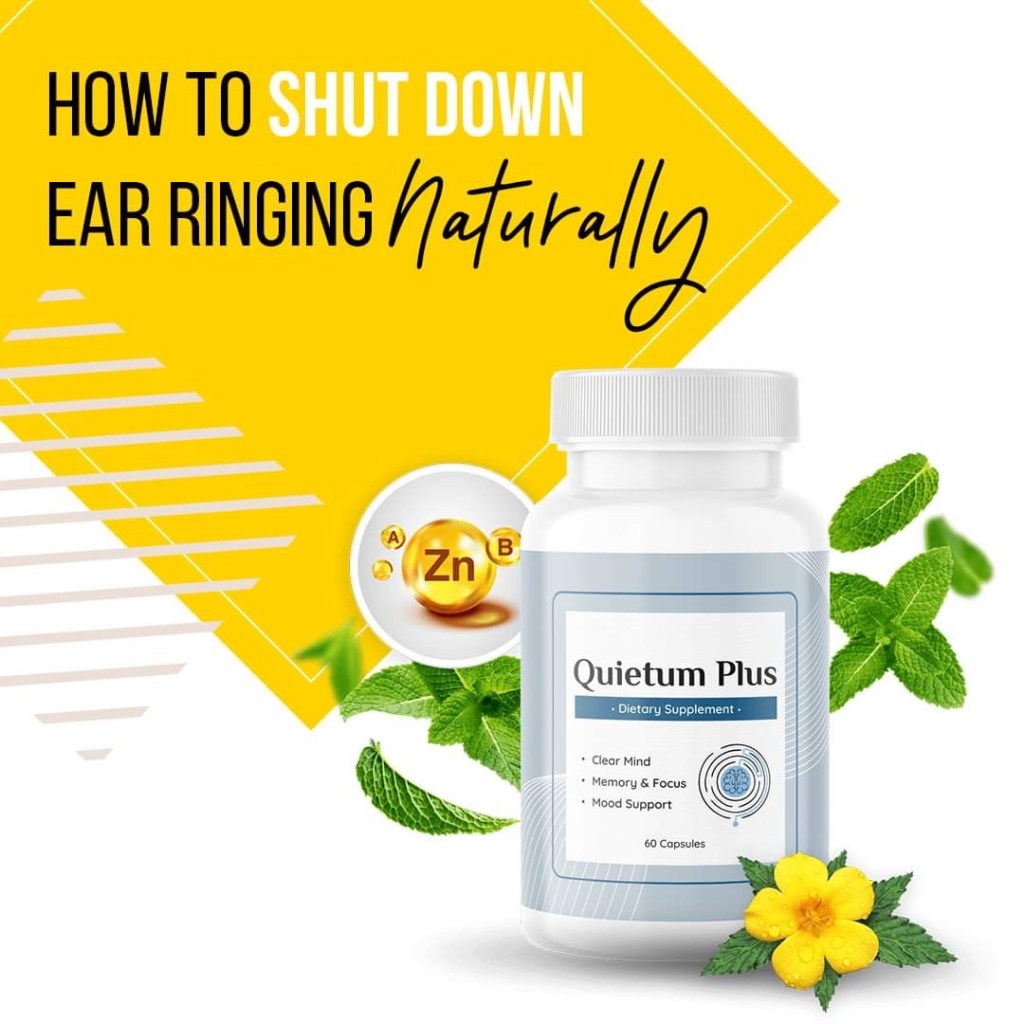
Popular Supplements for Tinnitus
1. Zinc Zinc is an essential mineral that plays a vital role in maintaining healthy auditory function. Some studies suggest that zinc deficiency may contribute to tinnitus. Supplementing with zinc might help improve symptoms for those who are deficient, although the evidence is mixed. Consultation with a healthcare provider is advised before starting zinc supplements.
2. Vitamin B12 A deficiency in vitamin B12 has been linked to tinnitus in certain cases. This vitamin is crucial for nerve health, and its supplementation might offer relief if tinnitus is associated with a deficiency. While promising for some, it is important to get tested for vitamin B12 levels to determine if supplementation is necessary.
3. Ginkgo Biloba Ginkgo Biloba is an herbal supplement that is often touted for its potential to improve blood circulation. Improved circulation might help alleviate tinnitus symptoms, particularly if they are related to vascular issues. However, scientific evidence is not conclusive, and individuals should approach this supplement with caution and consult healthcare providers.
4. Magnesium Magnesium plays a role in nerve function and blood circulation. Some research suggests that magnesium deficiency might exacerbate tinnitus symptoms. Supplementing with magnesium could help reduce the severity of symptoms for certain individuals, but more extensive studies are needed to confirm its efficacy.
5. Melatonin Melatonin, primarily known for its role in regulating sleep, has been investigated for tinnitus relief. Given that tinnitus often disrupts sleep, melatonin might help manage symptoms by promoting better sleep quality. While not a direct treatment for tinnitus, improved sleep can indirectly offer relief.
Considerations and Precautions
While supplements present a promising alternative for managing tinnitus, it is essential to approach them with caution. Not all supplements are suitable for everyone, and their effectiveness can vary based on individual health conditions. Before starting any supplement regimen, individuals should consult with healthcare professionals to ensure safety and appropriateness, especially if they are taking other medications or have underlying health issues.
Furthermore, supplements should not be seen as a standalone solution but rather as part of a comprehensive approach to managing tinnitus. Lifestyle changes, such as reducing exposure to loud noises, managing stress, and maintaining overall ear health, play a significant role in alleviating symptoms.
Conclusion
Tinnitus can be a frustrating and disruptive condition, but exploring supplements might offer hope for relief. While scientific evidence varies in support of different supplements, some individuals report improvement in their symptoms. Consulting healthcare providers and approaching supplements with informed caution can help individuals make the best choices for their health. As research continues, there is hope that more effective solutions for tinnitus relief will emerge, providing comfort and improved quality of life for those affected.


Leave a comment