


Tinnitus in teenagers might seem uncommon, but it can often go unnoticed until symptoms worsen. This high-pitched ringing or buzzing in the ears is more than just an annoyance it’s a potential red flag for underlying issues. As a parent, recognizing early warning signs can make a significant difference in managing this condition. Understanding what to look for can help protect your teen’s hearing health before it’s too late.
What is Tinnitus?
Tinnitus is not a disease but a symptom of an underlying condition. It is characterized by the perception of sound without any external auditory stimulus. The sounds can vary in pitch and can be heard in one or both ears. For some, tinnitus is a temporary experience, but for others, it can become a chronic issue.
Causes of Tinnitus in Teenagers
1. Exposure to Loud Noise: One of the leading causes of tinnitus in teenagers is exposure to loud music or noise. With the prevalence of earphones and headphones, teens often listen to music at high volumes, which can damage the delicate hair cells in the inner ear, leading to tinnitus.
2. Ear Infections or Blockages: Conditions such as ear infections or a buildup of earwax can obstruct the ear canal and lead to tinnitus. These issues can usually be resolved with medical treatment.
3. Head and Neck Injuries: Trauma to the head or neck, whether from sports, accidents, or other causes, can affect the auditory nerves or brain function related to hearing, potentially leading to tinnitus.
4. Stress and Anxiety: Although not a direct cause, stress and anxiety can intensify the perception of tinnitus in teenagers. The body’s response to stress can worsen the symptoms, creating a cycle that is hard to break.
5. Medications: Certain medications, particularly when taken in high doses, can lead to tinnitus as a side effect. It’s important for teens and their guardians to review medication side effects with healthcare providers.
Impacts of Tinnitus on Teenagers
Tinnitus can have profound effects on teenagers, affecting their academic performance and social interactions. The constant presence of noise can make it difficult to focus in school, leading to frustration and declining grades. Additionally, the disruption of sleep can result in fatigue and irritability.
Emotionally, tinnitus can lead to anxiety, depression, and social withdrawal. Teenagers may feel isolated because they are dealing with a condition that is often invisible to others.
Management and Treatment
1. Protective Measures: To prevent tinnitus or stop it from worsening, teenagers should be encouraged to protect their ears from loud noises. This includes lowering the volume on personal devices and using ear protection at concerts or other loud environments.
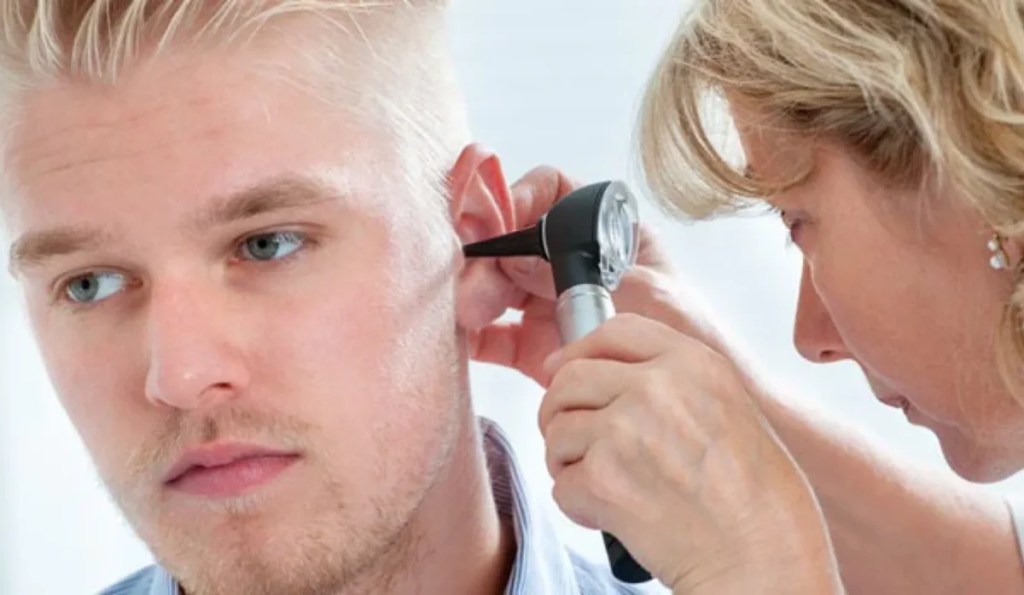
2. Medical Consultation: It is essential to seek professional medical advice for a proper diagnosis and treatment plan. An audiologist or an ENT specialist can assess the condition and suggest appropriate treatments.
3. Sound Therapy: Introducing background noise or music can help mask the persistent sounds of tinnitus, allowing teenagers to concentrate and sleep better.
4. Counseling and Support Groups: Psychological support can be invaluable. Counseling can help teenagers develop coping strategies and address any anxiety or depression related to tinnitus. Support groups can also provide a sense of community and understanding.
5. Relaxation Techniques: Encouraging practices such as yoga, meditation, or deep-breathing exercises can help reduce stress levels, which may alleviate the intensity of tinnitus.
Conclusion
While tinnitus can be a challenging condition for teenagers, understanding its causes and impacts can lead to effective management strategies. By taking preventive measures and seeking appropriate treatment, teenagers can lead fulfilling lives despite the presence of tinnitus. It is crucial for parents, educators, and healthcare providers to work together to support teens dealing with this condition, ensuring they have the resources and assistance they need to thrive.



Leave a comment