


Tinnitus and sleep apnea are two distinct conditions that frequently intersect, impacting the quality of life for many individuals. While they may seem unrelated at first glance, emerging research suggests a potential link between the two, warranting a closer examination.
Tinnitus: A Persistent Ringing
Tinnitus is characterized by a persistent ringing, buzzing, or hissing sound in the ears that is not caused by external noise. It affects millions of people worldwide and can range from a mild inconvenience to a debilitating condition. Common causes include exposure to loud noises, ear infections, and age related hearing loss. Although tinnitus itself is not life threatening, it can significantly impact one’s quality of life, often leading to stress, anxiety, and sleep disturbances.
Sleep Apnea: A Silent Night-Time Disruptor
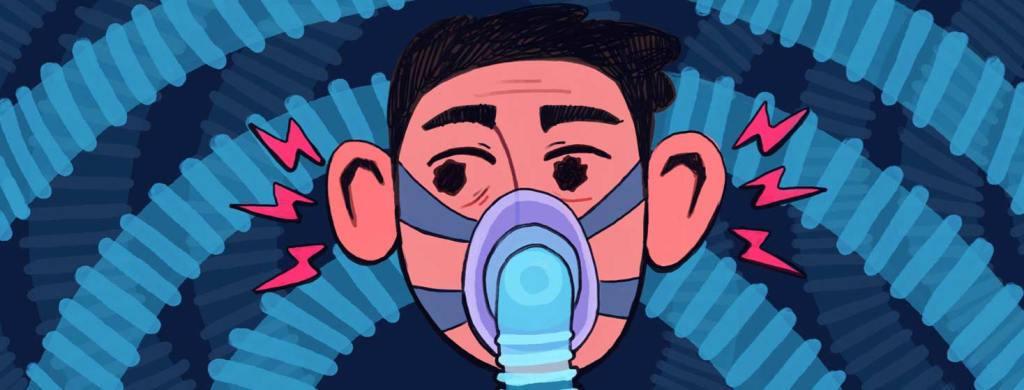
Sleep apnea is a sleep disorder where breathing repeatedly stops and starts during sleep. The most common form, obstructive sleep apnea (OSA), occurs when throat muscles intermittently relax and block the airway. This condition can lead to fragmented sleep and decreased oxygen levels in the blood, resulting in daytime fatigue, cardiovascular problems, and other health issues. Sleep apnea is often characterized by loud snoring, gasping for air during sleep, and excessive daytime drowsiness.
Exploring the Connection
Recent studies suggest there may be a connection between tinnitus and sleep apnea. While the exact nature of this relationship is still being explored, several hypotheses have been proposed. One theory suggests that the fragmented sleep caused by sleep apnea may exacerbate the perception of tinnitus. Lack of restorative sleep can heighten sensitivity to auditory stimuli, making tinnitus more pronounced.
Another potential link is the shared risk factors between the two conditions. Both tinnitus and sleep apnea are more prevalent in individuals over the age of 40 and are associated with cardiovascular issues, obesity, and smoking. These overlapping risk factors may contribute to the coexistence of the two disorders in some individuals.
Managing the Dual Challenge
Addressing both tinnitus and sleep apnea can be challenging but is crucial for improving overall health and quality of life. For tinnitus, effective management strategies may include sound therapy, cognitive-behavioral therapy (CBT), and lifestyle modifications such as reducing caffeine and managing stress. Hearing aids can also be beneficial for those with hearing loss-related tinnitus.
For sleep apnea, the most common treatment is continuous positive airway pressure (CPAP) therapy, which keeps the airways open during sleep. Lifestyle changes, such as weight loss, positional therapy, and avoiding alcohol, can also play a significant role in managing sleep apnea symptoms.
Conclusion
While the relationship between tinnitus and sleep apnea is still under investigation, it is evident that both conditions can significantly impact sleep quality and overall well-being. For individuals experiencing symptoms of either disorder, seeking medical advice is crucial. Early diagnosis and comprehensive management can lead to improved health outcomes and enhanced quality of life. As research continues, a deeper understanding of their connection may pave the way for more effective treatment strategies and improved care for those affected by these conditions.



Leave a comment