


If you’ve been dealing with tinnitus alongside wet ear wax, you’re not alone in wondering if the two are connected. While not a common talking point, this overlap is worth understanding. In this post, we’ll explain how wet ear wax might contribute to tinnitus symptoms, how to spot the connection, and what actions can help restore a sense of calm.
What is Wet Ear Wax?
Ear wax, or cerumen, is a natural substance produced by glands in the ear canal. It serves several important functions, such as protecting the ear from dust, microorganisms, and foreign particles. While ear wax can vary in consistency, it is typically classified as either dry or wet. Wet ear wax is generally softer, stickier, and darker in color compared to its dry counterpart.
How Can Wet Ear Wax Cause Tinnitus?
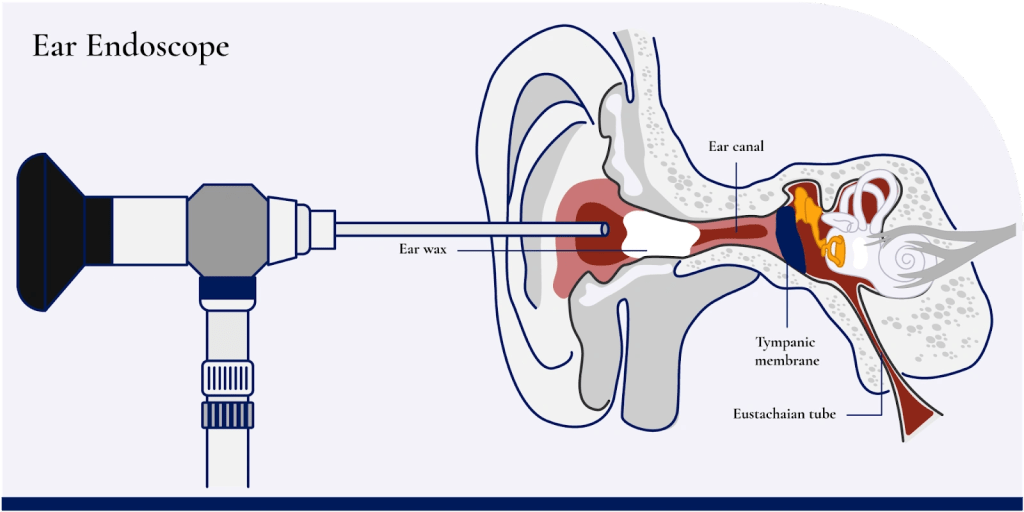
The connection between wet ear wax and tinnitus primarily stems from the potential for ear wax to obstruct the ear canal. When there is an excess buildup of wet ear wax, it can press against the eardrum or block sound waves from reaching the inner ear effectively. This blockage can lead to a variety of auditory disturbances, including the perception of tinnitus.
Furthermore, wet ear wax may exacerbate existing tinnitus symptoms by creating a sensation of fullness in the ear, which can alter the way sound is perceived. This alteration can make the ringing or buzzing of tinnitus more pronounced or noticeable.
Treatment for Tinnitus Caused by Wet Ear Wax
1. Ear Wax Removal: – The primary treatment for tinnitus caused by wet ear wax is the safe removal of the ear wax. This can be done using several methods: – Professional Cleaning: An audiologist or healthcare provider can perform ear irrigation or use specialized tools to remove excess wax safely. – Ear Drops: Over-the-counter ear drops can help soften the wax, making it easier to remove. It’s important to follow the instructions carefully to avoid irritation.
2. Home Remedies: – Warm Olive Oil or Mineral Oil: A few drops in the ear can help soften the wax. – Hydrogen Peroxide Solution: A diluted solution can also aid in breaking down the wax, but should be used with caution.
3. Avoiding Cotton Swabs: – Cotton swabs should not be used to remove ear wax, as they can push the wax further into the ear canal, potentially worsening the blockage.
4. Regular Monitoring: – Individuals prone to excessive ear wax buildup might benefit from regular check-ups with a healthcare provider to prevent future occurrences.
5. Sound Therapy and Counseling: – If tinnitus persists even after ear wax removal, sound therapy or tinnitus retraining therapy might be recommended to help manage symptoms.
Conclusion
Wet ear wax can be an unexpected contributor to tinnitus, but with proper diagnosis and treatment, relief is often achievable. If you experience symptoms of tinnitus, particularly if accompanied by a sensation of fullness or blockage in the ear, it’s advisable to consult a healthcare professional. Addressing the issue of ear wax buildup can often lead to significant improvements in tinnitus symptoms, enhancing overall quality of life.



Leave a comment