


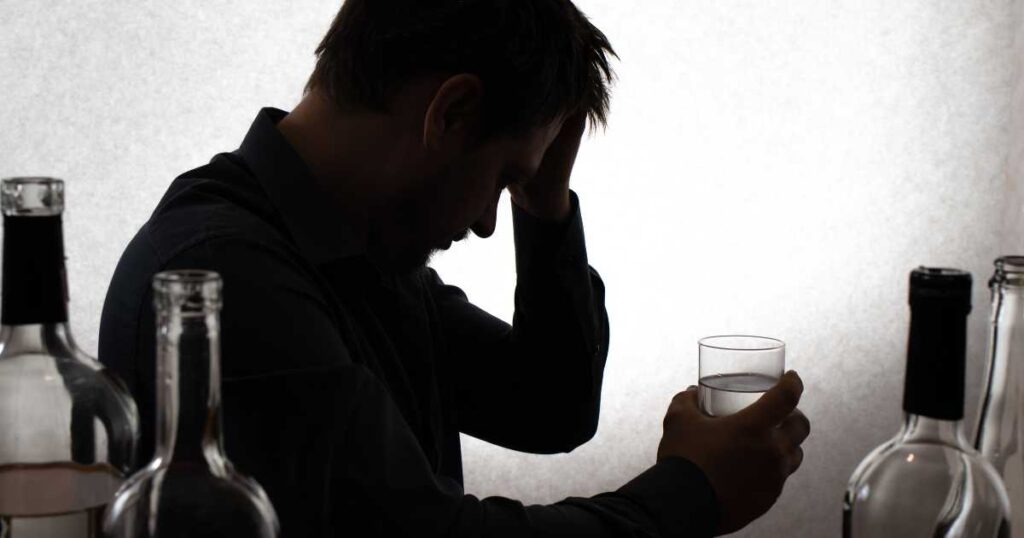
Can your evening drink impact your tinnitus? Many people with tinnitus wonder if alcohol makes their symptoms worse. While some notice a direct connection, others don’t experience any change. This post breaks down the relationship between tinnitus and alcohol, helping you understand potential triggers and manage your symptoms more effectively.
Understanding Tinnitus
Tinnitus isn’t a condition in itself but a symptom of an underlying issue. It’s the sensation of hearing sounds when no external source is present. For some, it presents as a faint hum, while others experience it as a loud, constant ringing.
Common Causes of Tinnitus
Tinnitus has many causes, and identifying the exact trigger isn’t always easy. Here are some of the most common:
- Hearing Loss: One of the most frequent culprits is age-related or noise-induced hearing loss.
- Exposure to Loud Noises: Listening to loud music, working in noisy environments, or attending concerts without ear protection can damage your hearing and lead to tinnitus.
- Ear Infections or Blockages: Infections, wax buildup, or other obstructions in the ear can result in temporary tinnitus.
- Medical Conditions: Issues such as high blood pressure, head or neck injuries, and even stress-related disorders can play a role.
How Tinnitus Impacts Everyday Life
Living with tinnitus can feel draining. The constant noise may interfere with sleep, making it tough to feel rested. Concentration suffers as the sounds become a relentless distraction. For some, tinnitus leads to emotional stress, anxiety, or depression, especially if they feel there’s no relief in sight. While not dangerous, tinnitus can diminish overall quality of life if not properly managed.
Alcohol’s Effects on the Body and Hearing
Alcohol affects the body in complex ways, and its impact on the auditory system shouldn’t be overlooked. While having a drink may relax you, the physical and neurological effects of alcohol can trigger or worsen tinnitus symptoms.
How Alcohol Impacts the Nervous System
Alcohol works as a depressant, meaning it slows down the central nervous system. This influences how your body processes auditory signals. Alcohol can interfere with nerve communication between the brain and ears, potentially amplifying the perception of tinnitus. Additionally, the dehydrating effects of alcohol can worsen symptoms, as dehydration can lead to heightened nerve and muscle sensitivity.
The Relationship Between Alcohol and the Ears
Alcohol alters blood flow, increasing circulation in certain areas of the body, including the inner ears. While this might seem harmless, that extra blood flow can cause a temporary spike in pressure within the ear, possibly making tinnitus sounds more noticeable. For some, alcohol may also heighten sensitivity to sound, further intensifying symptoms.

Why Alcohol May Worsen Tinnitus
Several mechanisms explain why alcohol and tinnitus don’t mix well:
- Dehydration: Alcohol is a diuretic, meaning it causes your body to lose fluids. Dehydration reduces fluid levels in the inner ear, potentially worsening tinnitus.
- Fluctuations in Blood Pressure: Drinking alcohol leads to changes in blood pressure, which can directly influence tinnitus symptoms.
- Heightened Neurological Sensitivity: Tying everything together, alcohol changes how the brain processes sound, potentially making tinnitus louder or more intrusive.
The Science Behind Tinnitus and Alcohol Consumption
What does science have to say about tinnitus and alcohol? While research is somewhat limited, several studies shed light on the complex relationship.
Research Studies and Findings
Studies investigating tinnitus and alcohol often reveal mixed results. Many link alcohol consumption to increased tinnitus symptoms, particularly in individuals who drink excessively. These findings suggest that alcohol’s effects on the inner ear, nervous system, and cardiovascular system may play a role.
However, some anecdotal reports from tinnitus sufferers note that small amounts of alcohol seem to provide temporary relief by promoting relaxation. This could be partially psychological, as stress reduction is a key factor in managing tinnitus.
Conflicting Evidence and Theories
Not all research agrees on the impact of alcohol. Some scientists argue that its effects may vary from person to person. For instance, individuals predisposed to high blood pressure or dehydration are likely to see a worsening of tinnitus, while others may not notice a significant difference. Factors like frequency and quantity of alcohol use can also influence outcomes.
Coping Strategies for Managing Tinnitus and Alcohol Consumption
If you live with tinnitus and suspect alcohol might make it worse, there are practical steps you can take to manage your symptoms.
Reducing Alcohol Intake to Control Symptoms
Start by monitoring how alcohol affects you. If you notice that your symptoms flare up after drinking, consider cutting down or eliminating alcohol from your routine. Even small reductions in consumption may lead to noticeable improvements. Instead of reaching for alcohol, try herbal tea, sparkling water, or alcohol-free alternatives to unwind.
Lifestyle Changes to Support Tinnitus Management
Alcohol isn’t the only factor you can control to improve tinnitus. Adopting healthy lifestyle habits can make a big difference:
- Manage Stress: Stress is a known trigger for tinnitus. Practice relaxation techniques like meditation or deep breathing to stay calm.
- Avoid Other Triggers: Loud noises, caffeine, and smoking can exacerbate tinnitus symptoms. Keep an eye on how these factors affect you.
- Eat a Balanced Diet: A diet rich in vegetables, fruits, and lean proteins supports overall health, including your ears.
- Stay Hydrated: Drinking plenty of water can counteract the dehydrating effects of alcohol.
When to Seek Professional Advice
It’s important to know when to turn to a doctor. If your tinnitus worsens significantly, changes in pattern, or comes with additional symptoms like dizziness or hearing loss, schedule a visit with a healthcare professional. An audiologist or ENT specialist can assess your hearing health and discuss whether alcohol might be contributing to your tinnitus.
Conclusion
The relationship between tinnitus and alcohol is complex, and its effects can vary widely between individuals. While some people find that alcohol worsens their symptoms, others don’t notice a major impact. Reducing your alcohol intake and making overall lifestyle changes can help you manage tinnitus more effectively. Above all, listen to your body and consult with a medical professional if you’re struggling. Understanding your personal triggers is key to finding relief and improving your quality of life.


Leave a comment