


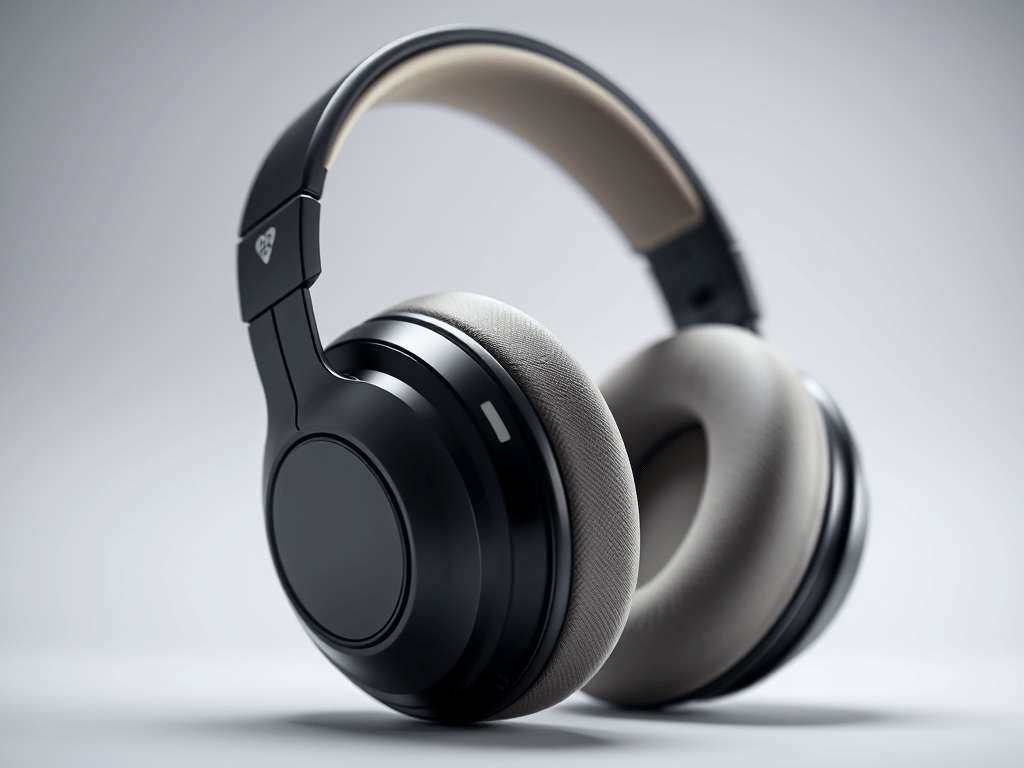
Tinnitus headphones offer a practical way to regain some peace by blending soothing sound therapy with advanced audio technology. In this post, I’ll guide you through how these specialized headphones work, who they’re for, and what to consider when choosing the right pair. Whether you’re new to tinnitus solutions or looking for an upgrade, this will help you make an informed decision.
Understanding Tinnitus
Before delving into the specifics of tinnitus headphones, it’s crucial to understand the condition itself. Tinnitus is not a disease but a symptom of an underlying issue, often related to hearing loss, ear injury, or circulatory system disorders. The phantom sounds vary in pitch and can be continuous or intermittent, impacting concentration and sleep.
The Advent of Tinnitus Headphones
Tinnitus headphones, a burgeoning innovation, are designed to alleviate the symptoms of tinnitus through sound therapy. These devices are engineered to produce specific sounds or music that mask the ringing or buzzing, providing the brain with alternative auditory input and reducing the perception of the tinnitus noise.
How Tinnitus Headphones Work
The core principle behind tinnitus headphones is sound therapy, which involves using external noise to alter the perception of tinnitus. This therapy can include white noise, nature sounds, or customized soundscapes tailored to the individual’s tinnitus frequency. By providing a comforting auditory environment, these headphones help distract the brain from the internal noise of tinnitus.

Features and Benefits
1. Customizable Soundscapes: Many tinnitus headphones offer customizable sound options, allowing users to select sounds that best mask their tinnitus. This personalization is critical as tinnitus varies greatly among individuals.
2. Noise Cancellation: Advanced models incorporate active noise cancellation technology, which can help reduce external noise and enhance the effectiveness of sound therapy.
3. Portability and Comfort: Designed for daily use, these headphones are typically lightweight and comfortable, making them suitable for extended wear throughout the day or night.
4. Bluetooth Connectivity: Modern tinnitus headphones often feature Bluetooth connectivity, allowing users to stream music or therapeutic sounds directly from their devices.
5. Improved Sleep and Focus: By reducing the intrusive nature of tinnitus sounds, these headphones can enhance sleep quality and improve focus, contributing to a better overall quality of life.
Considerations and Limitations
While tinnitus headphones offer significant relief for many users, they are not a one-size-fits-all solution. It’s essential to consult with a healthcare professional to determine the underlying cause of tinnitus and ensure that these devices are an appropriate part of the management plan. Additionally, results can vary, and it may take time to find the right combination of sounds that provide the most relief.
Conclusion
Tinnitus headphones represent a significant leap forward in managing the symptoms of tinnitus. By leveraging sound therapy, these devices provide a practical solution for those seeking relief from persistent ear ringing. As technology continues to evolve, the hope is that these innovations will offer even greater comfort and normalcy to those affected by this challenging condition.
Key Takeaways
Noise-canceling headphones can help manage tinnitus symptoms by reducing background noise, which may amplify perceived ringing or buzzing in the ears. They provide a quieter environment, allowing the brain to focus less on tinnitus sounds. While not a cure, these headphones can improve comfort and aid in relaxation for some individuals.


Leave a comment