


The unrelenting ringing in your ears can leave you feeling frustrated or even helpless. Tinnitus isn’t just a nuisance; it’s a condition that calls for attention and care. Thankfully, options exist to help reduce its impact. From lifestyle adjustments to proven treatment paths, learning how to stop tinnitus ringing in ears is achievable. Let’s focus on simple, effective solutions that can make a real difference.
What Causes Tinnitus?
Understanding what causes tinnitus is the first step toward addressing it effectively. There are several underlying reasons for this condition, and recognizing them can lead to better management strategies.
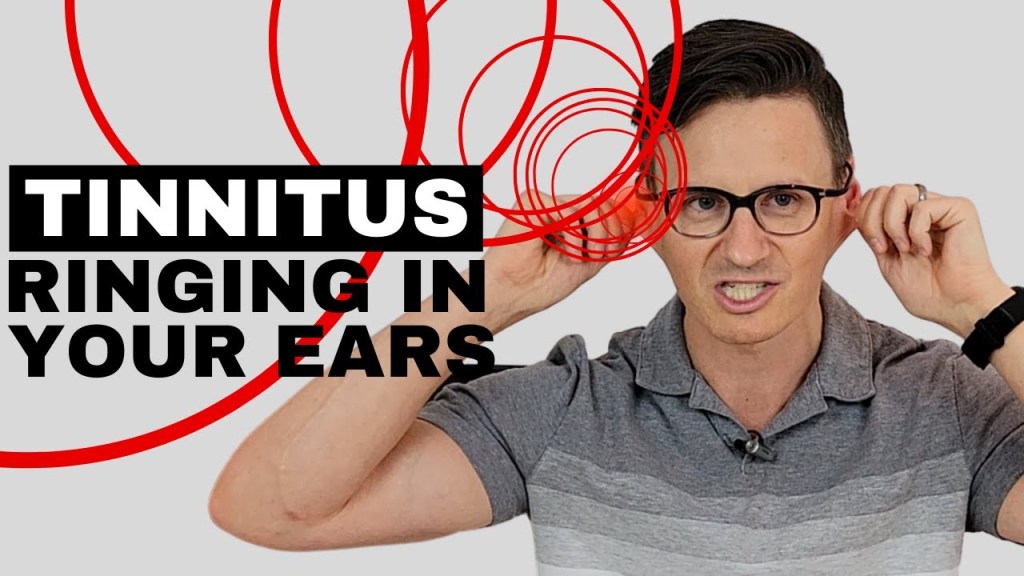
Common Causes of Tinnitus
One of the most common causes is hearing damage. Over time, exposure to loud sounds can damage the delicate hair cells in the inner ear. This often happens in musicians, factory workers, or anyone who spends time in noisy environments. Aging is another significant factor; age-related hearing loss can increase the likelihood of developing tinnitus.
Other Contributing Factors
Stress is another common trigger. High anxiety levels can amplify the perception of ringing in the ears. Some medications can also lead to tinnitus as a side effect. Even health issues, such as high blood pressure or ear infections, can contribute to the experience of tinnitus. Understanding these triggers can help in finding ways to lessen their impact.
Proven Remedies to Alleviate Tinnitus
If you’re wondering how to stop tinnitus ringing in your ears, there are several effective remedies to consider. Combining lifestyle adjustments with medical treatments can pave the way for relief.
Sound Therapy and Masking Techniques
Sound therapy is one such strategy. Using white noise machines or apps can help mask the ringing noise. For some, hearing aids are beneficial, especially if hearing loss accompanies tinnitus. These devices amplify external sounds, which can drown out the internal noise. Experimenting with sound can be a successful way to distract from the ringing.
Stress Reduction and Relaxation Methods
Reducing stress through relaxation techniques can also help. Methods like meditation, deep breathing, and yoga can lower anxiety levels. When stress decreases, many find that the ringing in their ears becomes less bothersome, creating a cycle of relief.
Effective Medical Interventions
For those seeking professional help, treatments like cognitive behavioral therapy (CBT) are effective. CBT focuses on changing the way one thinks about tinnitus, thus reducing its emotional impact. Medications may also be prescribed to manage symptoms, making them less intrusive. Consulting with an ENT specialist can provide additional insights tailored to individual cases.

Lifestyle Changes to Manage Tinnitus
Beyond immediate remedies, implementing long-term lifestyle changes can help in managing tinnitus effectively.
Dietary Adjustments and Nutrition
What we eat can influence our symptoms. Reducing caffeine, salt, and alcohol might lower the intensity of tinnitus for some. Incorporating nutrients like zinc and omega-3 fatty acids into the diet is vital for overall ear health. Focus on a balanced diet, rich in leafy greens, nuts, and fish to support your body and ears.
Protecting Your Ears from Noise
Protecting your ears from loud noises is crucial. Wear earplugs or noise-canceling headphones in loud environments. If you know you’re heading into a noisy situation, take steps to shield your ears. Awareness and precaution can make a significant difference in preventing further damage.
The Role of Exercise and Overall Health
Regular exercise can also play a role in alleviating symptoms. Physical activity promotes better blood circulation, which is essential for ear health. Maintaining overall good health through routine check-ups and a balanced lifestyle can lower the risk of developing or worsening tinnitus.
Conclusion
Dealing with tinnitus may feel overwhelming, but there are several actionable steps to help manage it. From understanding the causes and exploring effective treatments to making lifestyle adjustments, there’s hope for relief. As you navigate this journey, don’t hesitate to seek professional help. It’s crucial to find what works best for you to stop the ringing in your ears. You’re not alone in this experience, and with the right strategies, a quieter life can be within reach.



Leave a comment