


Living with tinnitus can feel overwhelming, especially when it seems there’s no relief in sight. Many people turn to OTC tinnitus supplements, hoping for an effective solution to manage persistent ringing or buzzing in their ears. But do these products actually help? This post explores how these supplements work, what ingredients to look for, and what to consider before trying one.
The Basics of Tinnitus
Before delving into OTC supplements, it’s essential to understand what tinnitus is. Tinnitus is not a disease but a symptom of an underlying condition, such as age-related hearing loss, ear injury, or circulatory system disorders. It is crucial for individuals experiencing tinnitus to consult healthcare professionals to identify and address any underlying issues.
Popular OTC Supplements for Tinnitus
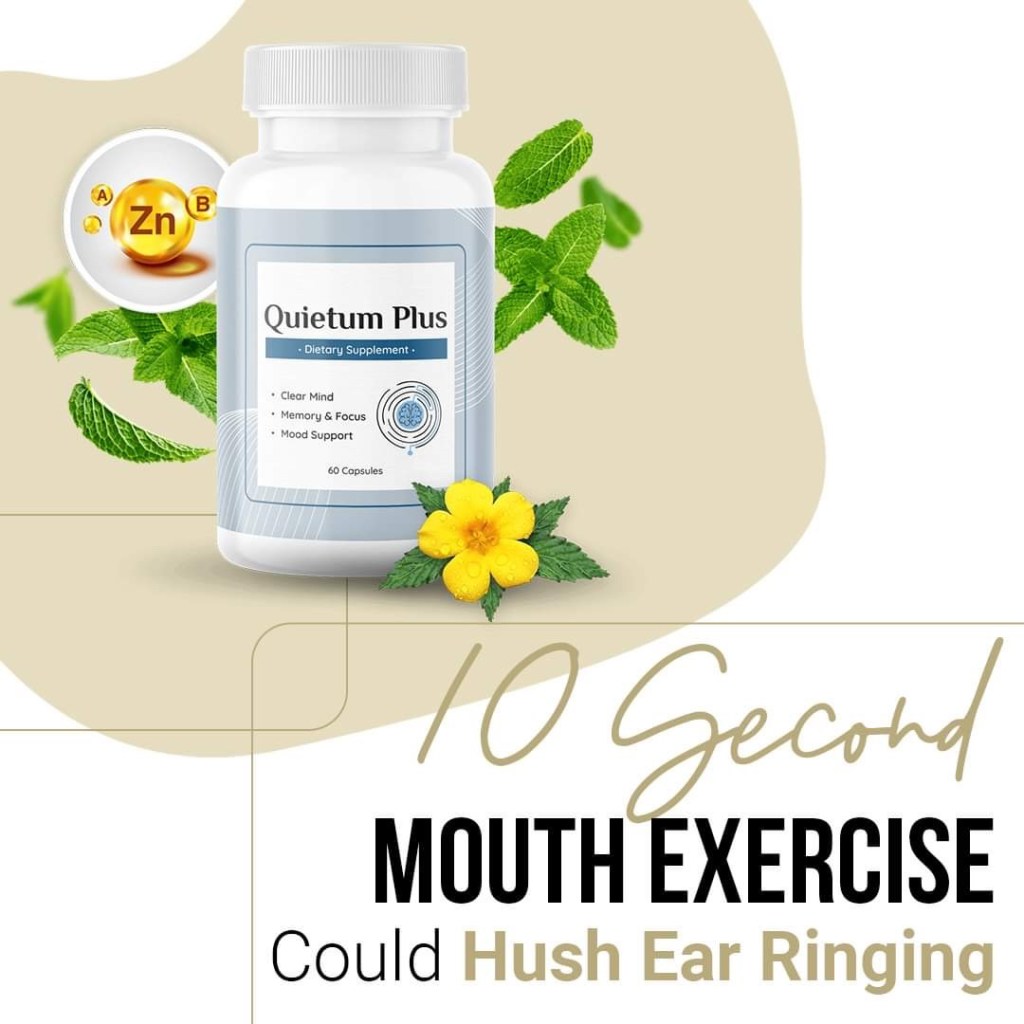
A growing market of OTC supplements promises relief for tinnitus sufferers. These products often contain a blend of vitamins, minerals, and herbal extracts. Here are some common ingredients found in these supplements:
1. Ginkgo Biloba: This herbal extract is believed to improve blood circulation, which may help alleviate tinnitus symptoms. Some studies suggest potential benefits, but more research is needed to establish its effectiveness conclusively.
2. Zinc: Zinc deficiency has been linked to tinnitus in some cases. Supplements containing zinc aim to address this potential deficiency, although results can vary from person to person.
3. Magnesium: Magnesium is essential for nerve function and may play a role in protecting the ear from noise-related damage. Some studies indicate that magnesium supplementation might reduce the severity of tinnitus symptoms.
4. Vitamin B12: There is evidence suggesting a link between vitamin B12 deficiency and tinnitus. Supplementing with vitamin B12 could be beneficial for those who are deficient.
5. Melatonin: Known for its role in regulating sleep, melatonin may help improve sleep quality for tinnitus sufferers, indirectly alleviating the condition’s impact.
6. Coenzyme Q10 (CoQ10): This antioxidant is thought to support overall cellular health, including that of the auditory system. Its efficacy in treating tinnitus is still under investigation.
Evaluating the Effectiveness of Supplements
While many tinnitus supplements are available, their effectiveness can vary widely. Some individuals may experience relief, while others see little to no change in their symptoms. The placebo effect can also play a role in perceived improvements. It’s essential for consumers to approach these supplements with realistic expectations.
Consulting Healthcare Professionals
Before starting any OTC supplement regimen, it is advisable to consult with a healthcare professional. They can help determine if a supplement is appropriate and safe, consider potential interactions with other medications, and address any underlying health issues contributing to tinnitus.
Conclusion
OTC tinnitus supplements may offer hope for some sufferers, but they are not a guaranteed solution. The complexity of tinnitus and its varied causes mean that what works for one person may not work for another. Continued research is necessary to better understand the condition and develop more effective treatments. In the meantime, individuals should seek professional guidance and consider lifestyle changes, such as stress management and sound therapy, as part of a comprehensive approach to managing tinnitus.
Key Takeaways
Over-the-counter (OTC) tinnitus supplements claim to reduce ringing or buzzing in the ears by addressing potential deficiencies or promoting ear health. These products often include ingredients like vitamins, minerals, antioxidants, or herbal extracts. While some individuals report relief, there is limited scientific evidence supporting their effectiveness. Always consult a healthcare provider before use.



Leave a comment