


Tinnitus can be an incredibly frustrating condition. When traditional treatments fall short or aren’t feasible, the appeal of over-the-counter (OTC) remedies becomes obvious. But do these products really work? Let’s take an honest look at their effectiveness.
Understanding Tinnitus and Its Challenges
Tinnitus isn’t just “all in your head.” It’s a complex condition that’s deeply personal to each sufferer. To understand why OTC remedies might or might not help, it’s important to grasp what causes tinnitus and why treating it is so complicated.

What Is Tinnitus?
Tinnitus is often described as the perception of sound that doesn’t come from any external source. This could be a ringing, buzzing, humming, or even a whooshing sound. For some, it’s barely noticeable. For others, it’s constant and overwhelming.
Though it might feel like it’s coming from your ears, tinnitus is actually linked to the way your brain processes sound. It’s often considered a symptom rather than a standalone condition, which makes understanding it even trickier.
Common Causes and Triggers
Tinnitus can have a variety of causes, and pinpointing the root in each case isn’t always straightforward. However, some common culprits include:
- Hearing Loss: Age-related hearing loss is a frequent trigger.
- Exposure to Loud Noises: Concerts, headphones at high volumes, and loud workplaces can damage hearing.
- Earwax Buildup: Sometimes, excessive earwax can block the ear canal and lead to tinnitus-like symptoms.
- Stress and Anxiety: Emotional strain often exacerbates the perception of tinnitus.
- Ear Infections or Blockages: These can interfere with normal sound processing.
- Certain Medications: Drugs like aspirin or antibiotics can, in rare cases, trigger tinnitus.
Why Tinnitus Is Difficult to Treat
One of the biggest challenges with tinnitus is its subjective nature. There’s no single diagnostic test to “measure” it, and it manifests differently for everyone. While hearing aids and therapies may help some sufferers, there’s no universal cure. This uncertainty often leaves people searching for over-the-counter solutions in hopes of finding quick relief.
Overview of Popular Over-the-Counter Remedies for Tinnitus
The OTC market for tinnitus is vast, offering everything from dietary supplements to sound-based devices. These products capitalize on the universal hope that relief is just a purchase away. Here’s a closer look at what’s available.
Supplements and Vitamins
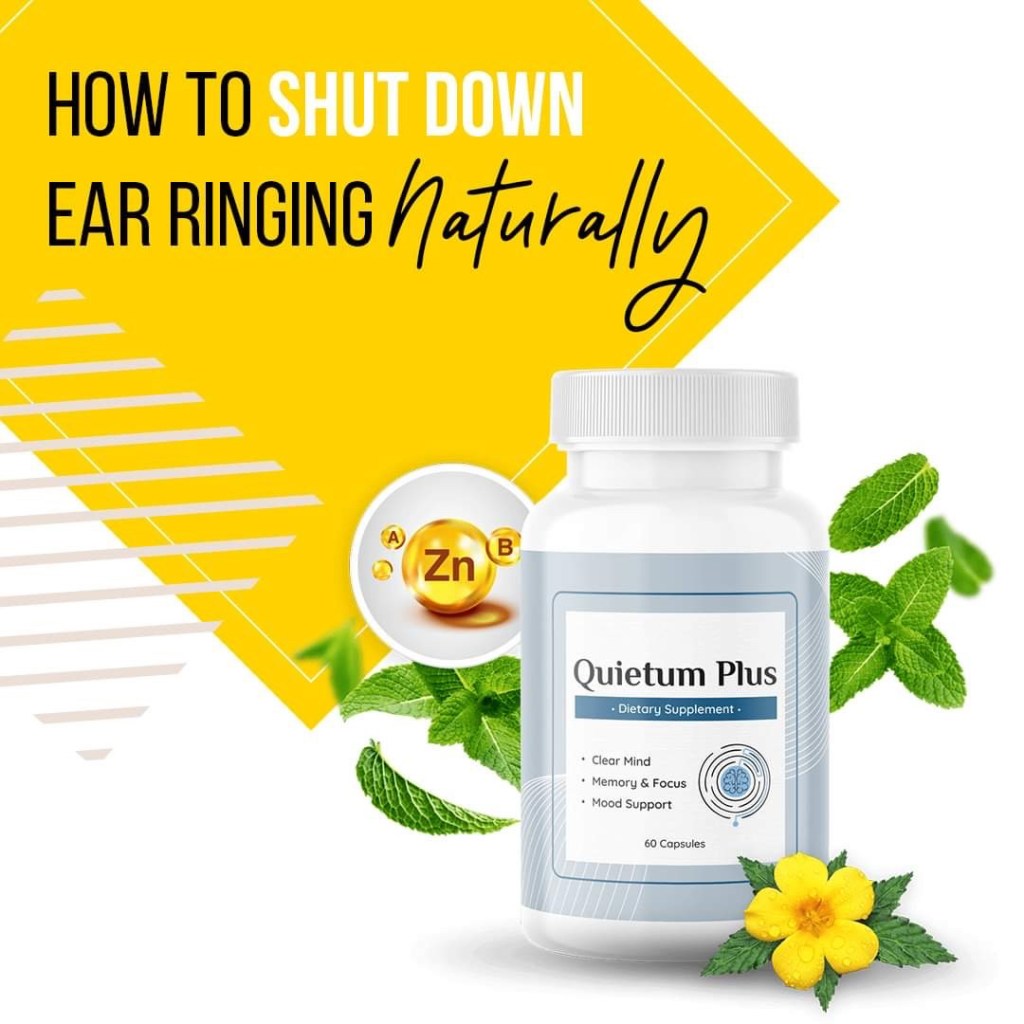
You’ve probably come across supplements claiming to “manage” or “reduce” tinnitus. They often include ingredients like:
- Ginkgo Biloba: Believed to improve blood flow to the brain and ears.
- Zinc: Linked to inner ear health, though scientific backing is limited.
- Magnesium: Sometimes recommended based on its role in nerve and muscle function.
- B Vitamins: Marketed for their potential to support nerve health.
These products are appealing because they seem harmless and are easy to add to your routine. While many claim to “support hearing health,” the scientific evidence behind such claims is inconsistent at best.

Ear Drops and Topical Remedies
Some ear drops promise relief, particularly for tinnitus caused by earwax buildup or irritation. These products might include gentle oils or saline-based solutions to soften wax. While ear drops can help if wax is the problem, they’re unlikely to address tinnitus caused by other factors.
Sound Therapy Devices and Apps
In recent years, sound therapy has gained traction as a non-invasive way to manage tinnitus. Devices and smartphone apps generate white noise, nature sounds, or tones designed to mask the ringing in your ears. While they don’t stop tinnitus, many find that these tools provide temporary relief by distracting the brain.
Evaluating the Effectiveness of Over-the-Counter Tinnitus Remedies
It’s natural to wonder whether these products actually live up to their promises. Let’s explore what research, user feedback, and the placebo effect reveal about their effectiveness.
What Does the Science Say?
The scientific backing for most over-the-counter tinnitus remedies is mixed or, in some cases, nonexistent. For instance:
- Supplements: Studies on ginkgo biloba, zinc, and magnesium often show inconclusive or inconsistent results. While these supplements might improve overall health, they’re not proven cures for tinnitus.
- Ear Drops: While earwax removal can improve hearing and reduce certain symptoms, ear drops won’t address tinnitus caused by nerve damage or stress.
- Sound Therapy: Research supports using sound as a way to “mask” tinnitus. However, it’s more of a coping tool than a cure.
Real-World Feedback From Users
Tinnitus sufferers often turn to online reviews and forums when searching for solutions. While some users report minor improvements with supplements or sound therapy, many express disappointment at the lack of noticeable results. This reflects the reality: what works for one person may do little for another due to the highly individualized nature of tinnitus.
The Role of the Placebo Effect
Here’s an interesting twist sometimes, believing in a product is enough to notice improvements. The placebo effect is real and can play a role in how people perceive their symptoms. While this doesn’t mean the product “worked,” the perceived relief can still enhance quality of life.
Alternatives to Over-the-Counter Solutions
Rather than relying exclusively on OTC remedies, there are other approaches that might provide better results.
Professional Medical Treatments
If tinnitus significantly impacts your life, several medical treatments could help:
- Cognitive Behavioral Therapy (CBT): Teaches coping mechanisms to minimize the distress caused by tinnitus.
- Hearing Aids: For those with hearing loss, hearing aids can amplify external sounds and mask tinnitus.
- Tinnitus Retraining Therapy (TRT): Combines sound therapy with counseling to help retrain how your brain reacts to tinnitus.
These options are often more effective than generalized OTC products.
Lifestyle Changes That Help
Managing tinnitus often requires a holistic approach. Simple lifestyle adjustments, such as these, can go a long way:
- Reducing Stress: Stress heightens the perception of tinnitus, so practices like yoga or meditation can help.
- Improving Diet: A balanced diet supports overall health and reduces inflammation, which may ease tinnitus for some.
- Avoiding Loud Noises: Protect your ears from further damage by using earplugs in noisy environments.
When to Consult a Doctor
It’s important to know when tinnitus might signal something more serious. Seek medical advice if:
- Tinnitus appears suddenly.
- It’s accompanied by hearing loss, dizziness, or pain.
- Symptoms worsen or don’t improve over time.
A professional evaluation can rule out underlying conditions like auditory nerve damage or circulatory issues.
Conclusion
Over-the-counter remedies for tinnitus are tempting, but their effectiveness can be hit-or-miss. Supplements, ear drops, and sound therapy might offer partial relief for some, but they’re not foolproof solutions. Scientific evidence is often lacking, so it’s crucial to set realistic expectations when trying these products.
For persistent symptoms, exploring professional treatments or making lifestyle changes may yield better results. As with any health condition, consulting a doctor is always a wise step, especially if your tinnitus is severe or worsening over time. While finding relief may take patience, knowing your options puts you closer to managing this challenging condition.


Leave a comment