


Tinnitus and panic attacks often go hand in hand, leaving many feeling helpless and confused. Why does ringing in the ears sometimes escalate into intense fear or anxiety? Understanding this connection is the first step toward finding relief. This article breaks it down clearly and offers simple steps you can take to regain control.
What is Tinnitus?
Tinnitus is not a condition itself but a symptom of an underlying issue. It can arise from various sources, including ear infections, exposure to loud noises, earwax buildup, or age-related hearing loss. The sounds associated with tinnitus are subjective, meaning only the affected person can hear them. These sounds can vary in pitch and may be constant or intermittent, significantly affecting the individual’s quality of life.
Understanding Panic Attacks
Panic attacks are intense episodes of fear or anxiety that occur suddenly and can be overwhelming. They often manifest with physical symptoms such as a racing heart, shortness of breath, dizziness, or a sense of impending doom. While these attacks can occur without a clear trigger, they are sometimes linked to specific situations or stressors.
The Connection Between Tinnitus and Panic Attacks
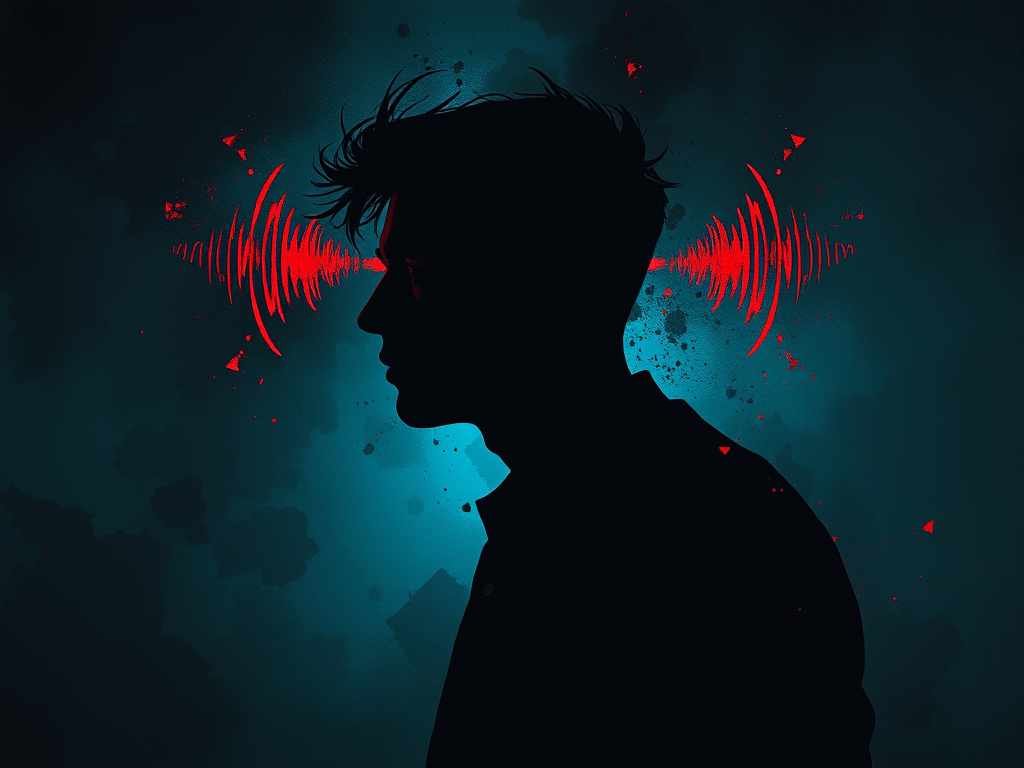
The relationship between tinnitus and panic attacks is complex. For some individuals, the persistent noise of tinnitus can lead to heightened stress and anxiety, which may trigger panic attacks. The constant presence of tinnitus can create a sense of helplessness or loss of control, amplifying feelings of anxiety.
Conversely, individuals prone to panic attacks may experience increased sensitivity to bodily sensations, including tinnitus. The heightened awareness and distress associated with panic attacks can make the perception of tinnitus more pronounced, creating a vicious cycle of anxiety and auditory disturbance.
Symptoms to Watch For
Recognizing the symptoms of both tinnitus and panic attacks is crucial for effective management. Symptoms of tinnitus include:
– Persistent ringing, buzzing, or hissing sounds in the ears – Difficulty concentrating or sleeping – Increased sensitivity to external noises
Symptoms of panic attacks include:
– Rapid heartbeat – Sweating or chills – Trembling or shaking – Shortness of breath – Feelings of unreality or detachment
Coping Strategies
Managing the interplay between tinnitus and panic attacks requires a multifaceted approach:
1. Stress Management: Techniques such as mindfulness, meditation, and deep-breathing exercises can help mitigate stress and anxiety, reducing the likelihood of panic attacks.
2. Sound Therapy: Masking the ringing or buzzing sounds of tinnitus with white noise or soothing music can provide relief and improve concentration and sleep.
3. Cognitive Behavioral Therapy (CBT): CBT can help individuals reframe negative thoughts and develop coping strategies for both tinnitus and anxiety.
4. Medical Consultation: Consulting with healthcare professionals, including audiologists and mental health experts, can provide tailored treatment plans and support.
5. Lifestyle Modifications: Maintaining a healthy lifestyle, including regular exercise, a balanced diet, and adequate sleep, can improve overall well-being and resilience against stress.

Conclusion
The connection between tinnitus and panic attacks illustrates the intricate relationship between physical and mental health. Understanding this link is essential for effective management and improving the quality of life for those affected. By employing a combination of medical intervention, therapeutic techniques, and lifestyle changes, individuals can navigate the challenges posed by tinnitus and panic attacks more effectively.
Key Takeaways
- Tinnitus and panic attacks may be connected through heightened stress and anxiety levels, which can worsen symptoms of both conditions.
- Tinnitus is the perception of ringing, buzzing, or other sounds in the ears without an external source.
- Panic attacks involve sudden, intense bouts of fear or discomfort, often accompanied by physical symptoms like rapid heart rate, sweating, or difficulty breathing.
- Stress and anxiety can increase the brain’s focus on tinnitus, making the ringing or buzzing more noticeable and bothersome.
- Experiencing tinnitus may trigger feelings of helplessness or panic, creating a cycle of worsening stress and amplified symptoms.
- Coping strategies such as deep breathing, mindfulness, and relaxation exercises can help manage both tinnitus and panic attack symptoms.
- Seeking support from healthcare professionals, including therapists or audiologists, can provide effective tools for relief.
- Treating underlying anxiety disorders may improve tinnitus perception and overall quality of life.
- Lifestyle changes, such as limiting caffeine, practicing good sleep hygiene, and regular exercise, can also reduce triggers for both conditions.



Leave a comment