


Living with tinnitus can be exhausting, especially when the sounds won’t seem to stop. But did you know there are different types of tinnitus that people experience? Identifying the type could make a world of difference in managing your symptoms. Stick with me, this post is all about explaining the key differences in a way that’s simple and straightforward.
Types of Tinnitus
Tinnitus can be categorized into different types, each with its unique features. Let’s break them down.
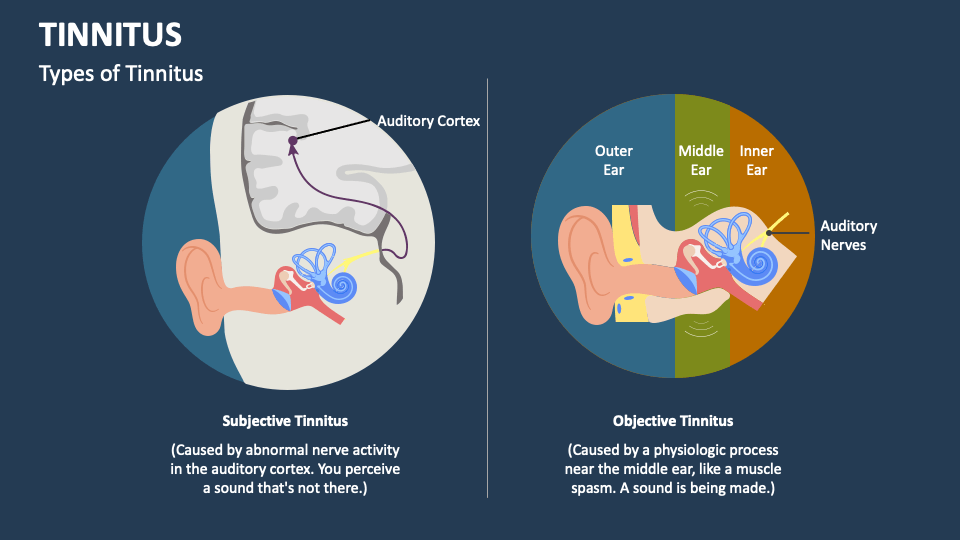
Subjective Tinnitus
Subjective tinnitus is the type most people experience. It’s characterized by sounds that only you can hear. No one else in the room can detect it, as it’s purely a perception. This form can be influenced by many factors, including stress, fatigue, and exposure to loud noises. If you ever find yourself saying, “I hear a sound, but no one else does,” then you may be dealing with subjective tinnitus.
Objective Tinnitus
Objective tinnitus, while less common, is distinct. This type can be heard by a healthcare professional during an exam, typically through specialized equipment. Objective tinnitus can arise from physical issues, such as blood vessel disorders or muscle contractions affecting the ear. If doctors can hear what you’re hearing, it might lead to more straightforward solutions.
Common Sounds Associated with Tinnitus
What are the sounds that accompany tinnitus? Each one can signal different experiences or underlying conditions. Let’s look at some common types.
Ringing Tinnitus
The most familiar sound is the ringing. It can be high-pitched or low, persistent or intermittent. Ringing tinnitus is often associated with noise-induced hearing loss or age-related hearing decline. If you’ve ever walked out of a loud concert and heard ringing for hours, you might have experienced this kind of tinnitus.
Buzzing and Hissing Tinnitus
Then there are times when tinnitus sounds more like buzzing or hissing. Some people describe this as a persistent static noise. These sounds might result from earwax buildup, ear infections, or even certain medications. Picture sitting in a quiet room, and suddenly hearing a low buzzing—it can be unsettling and distracting.
Clicking Tinnitus
Clicking sounds are another type. Unlike the continuous sound you might hear from buzzing or ringing, clicking tinnitus is intermittent. These sounds can come from changes in the muscles around the ear or issues in the jaw, such as temporomandibular joint (TMJ) disorders. If you’ve ever felt a click in your jaw or your ears, you might recognize this type.
Identifying the Type of Tinnitus
Recognizing your specific type of tinnitus can lead to more effective management strategies. Here’s how you can start identifying it.

Keeping a Tinnitus Journal
I recommend keeping a tinnitus journal to track your experiences. Write down when the sounds occur, their characteristics, and any factors that seem to trigger them. This might include stress, certain environments, or your diet. Noting patterns can help you and your healthcare provider understand your symptoms better and guide treatment options.
Consulting a Healthcare Professional
It’s essential not to navigate this alone. Consulting a healthcare professional is crucial for an accurate diagnosis. They can evaluate your tinnitus through comprehensive tests and provide insights tailored to your situation. Whether it’s audiologists or ENT specialists, these experts can help identify the cause of your tinnitus and suggest appropriate actions you can take.
Conclusion
Tinnitus varies widely from one person to another, with distinct sounds and types that can signal different root causes. Understanding whether your experience is subjective or objective, and identifying if it’s ringing, buzzing, or clicking sound, is a pivotal step toward managing it. If you’re feeling overwhelmed, remember, you don’t have to face this alone. Journaling your experiences and seeking help from qualified professionals can significantly enhance your quality of life. You’re not just managing a sound; you’re taking steps towards reclaiming your peace and well-being.
Key Takeaways
- Tinnitus varies by type, with each category linked to different causes and symptoms.
- Subjective tinnitus is the most common; only the individual can hear it. It’s typically caused by hearing loss, noise exposure, or ear damage.
- Objective tinnitus is rare and involves actual physical sounds generated by the body, like blood flow or muscle contractions, that others might detect.
- Pulsatile tinnitus is rhythmic and matches the heartbeat, often linked to blood vessel issues.
- Neurological tinnitus often accompanies disorders like Meniere’s disease, linked to inner ear problems.
- Somatic tinnitus is affected by physical movements, such as neck tension or jaw clenching.
- Musical tinnitus, also called musical ear syndrome, involves hearing tunes or melodies and is less common.
- Tinnitus may be temporary or chronic, depending on the underlying cause.
- Consult a healthcare provider to identify causes and explore treatment options for relief.


Leave a comment