


Tinnitus can be more than just annoying it can interfere with your peace of mind and daily life. While there are many possible causes, one that often goes unnoticed is zinc deficiency. Zinc is essential for supporting your immune system, nervous system, and even your ears. If you’re wondering whether this might be the missing link for your tinnitus, you’re in the right place. Let’s dive into the connection between zinc deficiency and tinnitus, the science behind it, and what you can do to feel in control again.
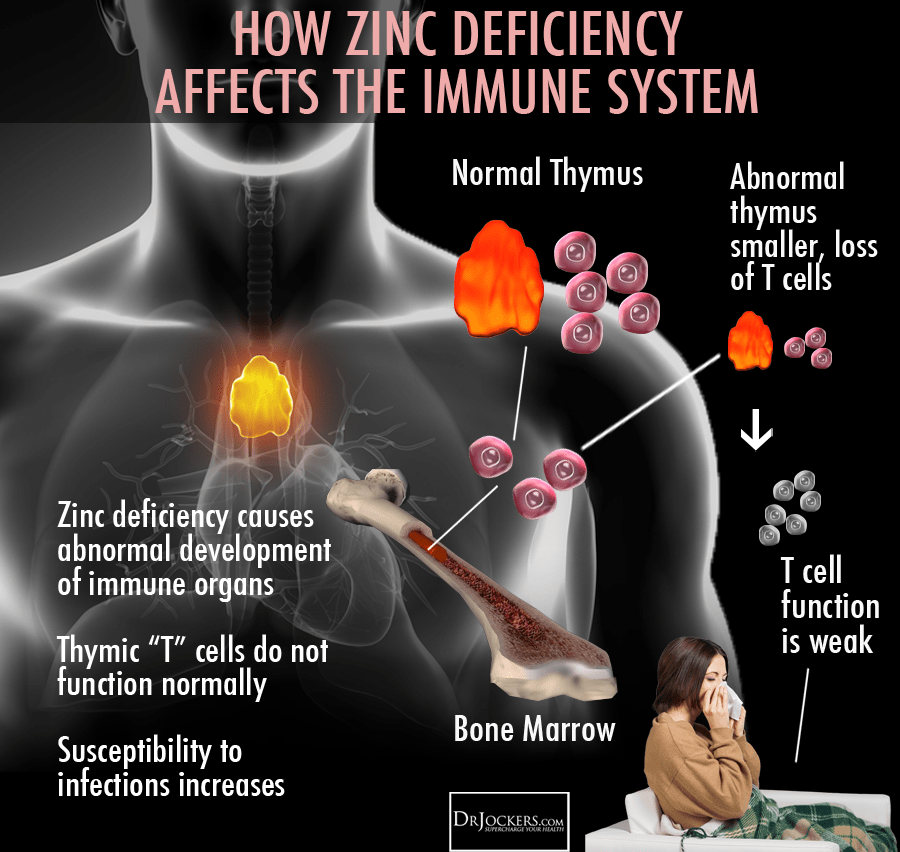
What Is Tinnitus and How Does It Develop?
Tinnitus isn’t a disease; it’s a symptom. It’s that persistent perception of ringing, buzzing, or other noise in the ears that doesn’t have an external source. For some, it’s a soft hum. For others, it sounds like a fire alarm on repeat.
Symptoms and Impact of Tinnitus
Tinnitus sounds vary widely from person to person. You might hear ringing, hissing, buzzing, or even roaring. The volume can range from barely noticeable to overwhelmingly loud. What makes it even trickier is how it often worsens in quiet environments, making sleep a challenge.
Emotionally, tinnitus can lead to anxiety, concentration issues, and even depression. It’s not just a noise it’s an intruder in your daily life. The mental strain of dealing with it is exhausting, which is why understanding its causes is so important.
Understanding the Causes of Tinnitus
Tinnitus can stem from various issues. Exposure to loud noises, like concerts or construction work, is a common culprit. Age-related hearing decline, ear infections, or even stress can play a role. Less obvious causes include neurological conditions or head injuries.
But here’s where zinc might come in. While not the most common cause, zinc deficiency has been proposed as a contributing factor to tinnitus in some cases. Could boosting zinc levels provide relief? Let’s explore the science.
The Science of Zinc and Its Role in Auditory Health
Zinc is often overlooked, but it’s essential to numerous processes in the body, including cellular repair and immune function. Its potential influence on hearing? Fascinating.
Zinc’s Importance for Nervous System Function
Zinc helps regulate the nervous system, which is critical for auditory processing. Your ears don’t work alone; they send sound signals to your brain through your auditory nerves. A healthy nervous system ensures these signals are clear and accurately interpreted. Zinc plays a part in helping neurons communicate effectively by managing neurotransmitter activity.
Zinc Deficiency and the Inner Ear
Here’s where it gets even more interesting. The inner ear, which helps process sounds and maintain balance, is loaded with zinc-dependent enzymes and proteins. If zinc levels dip too low, these essential processes can malfunction. Researchers suggest this could lead to abnormalities in the auditory nerve, possibly sparking or worsening tinnitus symptoms.

Is There Evidence Linking Zinc Deficiency to Tinnitus?
Several studies have investigated how zinc deficiency might tie into tinnitus. The results? Promising but not conclusive.
Clinical Studies on Zinc and Tinnitus
One study found that 31% of tinnitus patients had low blood zinc levels. In many cases, oral zinc supplements led to clinical improvements. Another trial focused on people with tinnitus but relatively normal hearing. These patients were found to have lower serum zinc levels than those without tinnitus.
In some studies, zinc supplementation helped reduce tinnitus severity. Researchers noted that zinc acts on processes in the brain and ears that might influence tinnitus generation. It’s particularly interesting for patients where no hearing loss is present but the ringing persists.
Conflicting Research and Limitations
However, not all studies show a clear benefit. Some trials report little to no significant improvement in tinnitus symptoms after zinc supplementation. Why the discrepancies? Tinnitus is highly individual. Its causes and underlying mechanisms vary, making it hard to pinpoint a one-size-fits-all solution. Still, the research suggests zinc could be a worthwhile avenue for some patients.
How to Address Zinc Deficiency for Auditory Health
If you suspect you might be low on zinc—or just want to see if improving your levels could help your tinnitus—it’s important to make an informed plan.
Recognizing and Diagnosing Zinc Deficiency
Do you often feel fatigued or notice slow wound healing? Are you losing your sense of smell or taste? These symptoms, along with frequent infections, can point to low zinc levels. A simple blood test can confirm a deficiency. Your doctor can help you figure out if addressing your zinc levels might also impact your tinnitus symptoms.
Dietary Sources and Supplementation
Before you rush to the supplement aisle, consider your diet. Zinc is naturally found in foods like:
- Shellfish, especially oysters
- Meat like beef and pork
- Seeds such as pumpkin and sunflower seeds
- Legumes like lentils and chickpeas
- Nuts, especially cashews and almonds
If you’re considering supplements, proceed with caution. Too much zinc can cause nausea, weaken your immune system, or interfere with other essential minerals like copper. Always consult a healthcare provider before starting a new supplement.
Other Nutrients for Ear Health
Zinc isn’t the only nutrient that plays a role in auditory health. Magnesium helps protect against noise-induced hearing damage, while Vitamin D supports overall inner ear function. A balanced diet with these nutrients could amplify your efforts to reduce tinnitus symptoms.
Conclusion
The link between zinc deficiency and tinnitus is compelling, but it’s far from simple. While some people with tinnitus appear to benefit from zinc supplementation, others see no change at all. What is clear is that zinc plays an important role in auditory health, from maintaining inner ear function to supporting the nervous system.
If you’re struggling with tinnitus, it’s worth investigating whether your zinc levels might be contributing. Speak with a doctor, get tested if needed, and look into dietary changes or supplements under their guidance. Small changes could lead to big relief or at least give you one more tool in managing the noise that’s been stealing your peace. You don’t have to suffer in silence literally or figuratively.
Key Takeaways
- Zinc deficiency may contribute to tinnitus, often described as ringing, buzzing, or hissing in the ears.
- Zinc plays a key role in nerve function and inner ear health.
- Common symptoms of zinc deficiency include weakened immunity, hair loss, or delayed wound healing.
- Studies suggest that zinc supplementation could help lessen tinnitus symptoms in some cases.
- Not all tinnitus cases are linked to zinc deficiency; other causes include noise exposure, ear infections, and certain medications.
- A healthcare provider can determine if zinc levels are low through a simple blood test.
- Zinc-rich foods like meat, shellfish, nuts, seeds, and whole grains may support healthy zinc levels.
- Consult a doctor before taking zinc supplements to avoid overuse, which could lead to side effects like nausea or reduced copper absorption.


Leave a comment