


If you’re dealing with severe tinnitus, you already know how exhausting it can be. It’s not just the sound, it’s the frustration, the sleepless nights, and the feeling that no one quite gets it. But here’s the thing: you can regain some control. With the right tools and mindset, it’s possible to reduce its impact on your life. Let’s explore solutions that actually work and bring back some calm to your day.
Understanding Severe Tinnitus Disorder
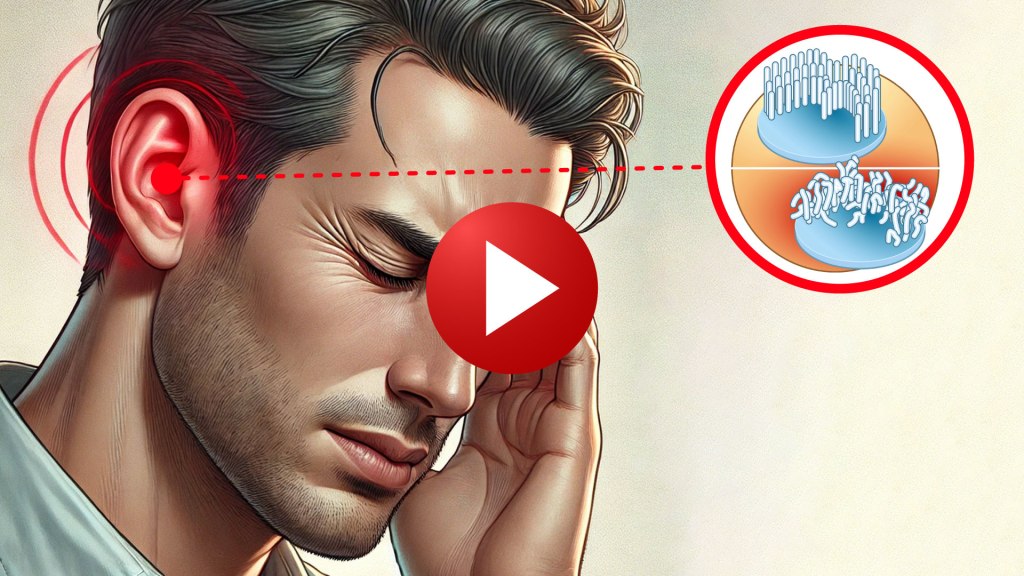
Severe tinnitus disorder is characterized by a persistent and intrusive sensation of sounds that are not externally present. In contrast to mild or moderate tinnitus that may come and go, severe tinnitus is a constant presence. The perceived sounds can range from a low roar to a high squeal or whine, and may be heard in one or both ears.
This condition can significantly interfere with an individual’s daily activities, disrupting concentration, causing sleep disturbances, and leading to psychological distress. Research suggests that severe tinnitus disorder is associated with higher levels of anxiety, depression, and overall reduced quality of life.
Causes of Severe Tinnitus Disorder
The exact cause of severe tinnitus is often difficult to ascertain, as it can be linked to a variety of health conditions. However, it is generally believed to result from altered neural activity in the brain after damage to the ear. Some potential causes include:
- Noise-induced Hearing Loss: Exposure to loud noise can lead to damage in the inner ear and consequently cause tinnitus.
- Age-related Hearing Loss: As people age, the risk of developing severe tinnitus increases due to the natural wear and tear on the ear’s delicate mechanisms.
- Earwax Blockage: Accumulated earwax can cause hearing loss or irritation in the ear canal, leading to tinnitus.
- Ototoxic Medications: Certain drugs, such as some antibiotics and cancer medications, can cause or worsen tinnitus.
- Certain health conditions: Conditions like Meniere’s disease, TMJ disorders, head or neck injuries can also cause severe tinnitus.
Symptoms of Severe Tinnitus Disorder
The primary symptom of severe tinnitus is a constant, unignorable auditory perception that can manifest as various sounds such as ringing, buzzing, hissing, humming, clicking, or even music. The perceived volume can fluctuate and is often more noticeable in quiet environments. Associated symptoms may include fatigue, stress, sleep problems, difficulty concentrating, memory problems, depression, anxiety, and irritability.
Managing Severe Tinnitus Disorder
While there’s no definitive cure for severe tinnitus, treatments can help significantly reduce the perceived noise level and the distress it causes. Treatment options include:
- Sound Therapy: This involves the use of real or artificial noise to suppress or mask the tinnitus sound.
- Cognitive Behavioral Therapy (CBT): This psychological therapy can help individuals change the way they think about their tinnitus, thereby reducing distress and improving quality of life.
- Tinnitus Retraining Therapy (TRT): A type of habituation therapy designed to help individuals overcome the emotional effects of tinnitus.
- Medications: While no medication directly cures tinnitus, some can help manage the accompanying symptoms such as anxiety or depression.
Living with severe tinnitus can be challenging, but understanding the condition and exploring various management strategies can significantly improve the quality of life. If you are experiencing symptoms of severe tinnitus, it is important to consult an audiologist or otolaryngologist for a comprehensive evaluation and treatment plan.

FAQs About Living With Severe Tinnitus
What is tinnitus, and how does it affect people?
Tinnitus is the perception of sound, like ringing, buzzing, or hissing, without an external source. For some, it’s a mild annoyance, but for others, it can interfere with sleep, concentration, and emotional well-being.
What causes severe tinnitus?
The most common causes include prolonged exposure to loud noise, age-related hearing loss, and damage to the inner ear’s hair cells. It can also result from stress, certain medications, or medical conditions like ear infections or Meniere’s disease.
Can tinnitus be cured?
There’s no outright cure for tinnitus, but it can be managed. Treatments like sound therapy, Tinnitus Retraining Therapy (TRT), cognitive behavioral therapy (CBT), and specialized hearing aids help reduce its impact.
How do I know if my tinnitus is serious?
If tinnitus comes on suddenly, is accompanied by hearing loss or dizziness, or has a pulsating rhythm matching your heartbeat, you should see a healthcare provider. These signs could indicate underlying conditions that need attention.
Are there lifestyle changes that can improve tinnitus symptoms?
Yes. Avoid loud environments, reduce stress, limit caffeine and alcohol, and aim for consistent sleep. Staying active and using sound generators (like white noise machines) can also help.
What makes tinnitus worse?
Stress, high blood pressure, caffeine, alcohol, and nicotine can all make tinnitus more noticeable. Prolonged silence might also make the ringing stand out more—keeping background sounds helps.
Is tinnitus only about hearing issues?
No, tinnitus often involves more than just the ears. It’s connected to brain activity, especially areas linked to emotions like the limbic system. Stress and anxiety can intensify symptoms.
Can earwax cause tinnitus?
Yes, a buildup of earwax can block sound or put pressure on the eardrum, leading to temporary tinnitus. Professional ear cleaning might resolve the issue in such cases.
What treatments are usually recommended?
Treatment depends on the cause and severity. Options include hearing aids with masking features, TRT, sound therapy, CBT, or treating underlying issues like ear infections or high blood pressure.
Should I avoid silence if I have tinnitus?
Yes, silence can make tinnitus feel louder. Use soft background music, white noise, or nature sounds to keep your brain focused on other auditory input.
Are herbal or over-the-counter remedies helpful for tinnitus?
There isn’t scientific evidence supporting herbal or OTC remedies for tinnitus, despite marketing claims. Speak to an audiologist before trying these.
Why is tinnitus worse at night?
At night, everything is quieter, so the ringing becomes more noticeable. Using a white noise machine or soft background music can help distract you and improve sleep.
Who can help me manage severe tinnitus?
Audiologists are often the first point of contact for diagnosis and treatment. In more complex cases, you might be referred to an ear, nose, and throat (ENT) specialist or a neurologist.
Does tinnitus always lead to hearing loss?
Not always. While it’s often associated with hearing loss, some people with tinnitus have normal hearing. Diagnostic tests can help clarify your situation.
Is pulsatile tinnitus different from regular tinnitus?
Yes, pulsatile tinnitus is a rhythmic sound that matches your heartbeat. It’s often linked to blood flow issues or vascular conditions and should be evaluated by a doctor.
Can stress really make it worse?
Absolutely. Stress and anxiety amplify tinnitus by increasing brain hyperactivity in areas linked to emotions. Learning stress management techniques can make a big difference.
Severe tinnitus disorder can feel overwhelming, but you don’t have to face it alone. Understanding your condition is the first step, and exploring treatment options is a close second. If your symptoms are affecting your daily life, reach out to a healthcare provider who specializes in tinnitus. There’s hope, even when it feels far away. Keep moving forward—small steps add up.



Leave a comment