


EVestibular disorders are a group of conditions that affect the balance and spatial orientation of an individual. These disorders can be particularly challenging and debilitating, often leading to dizziness, vertigo, and balance problems. One commonly associated symptom with vestibular disorders is tinnitus, a condition characterized by the perception of noise or ringing in the ears. This article will delve into the intricacies of vestibular disorders with tinnitus, offering a comprehensive understanding of these conditions, their causes, symptoms, diagnosis, and treatment options.
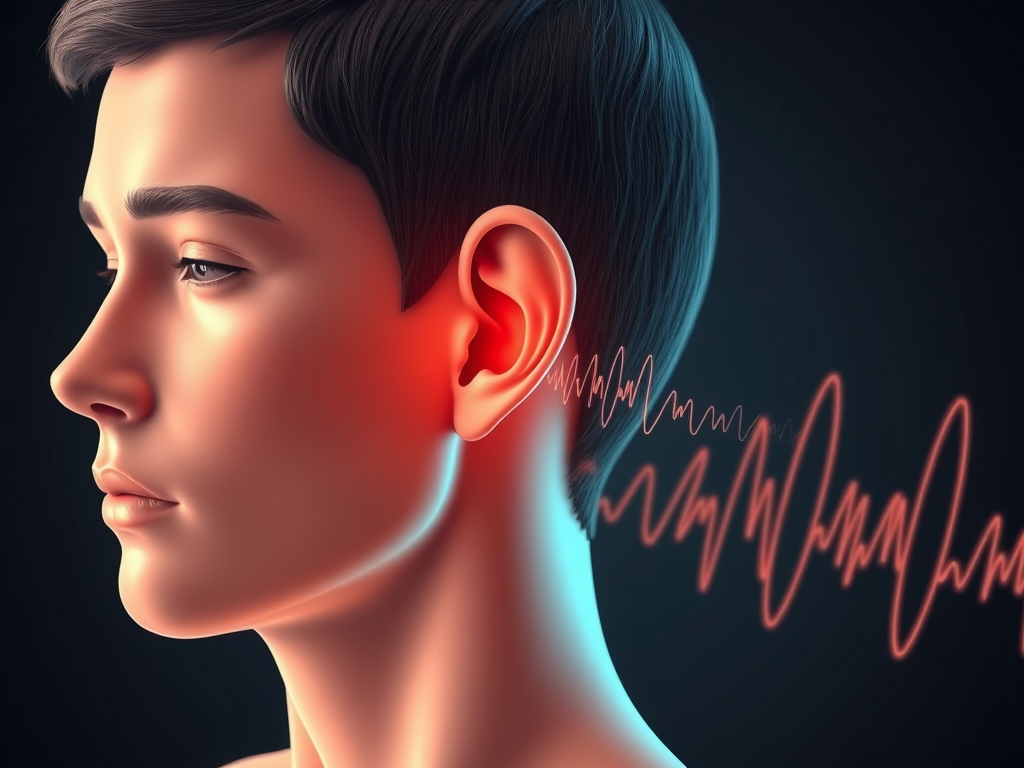
Understanding Vestibular Disorders and Tinnitus
The vestibular system, comprising parts of the inner ear and brain, is responsible for controlling our balance, eye movements, and spatial orientation. Vestibular disorders occur when there’s damage or disease in this system, disrupting the body’s ability to balance and orient itself.
Tinnitus, on the other hand, is a common symptom associated with many vestibular disorders. It is often described as a persistent ringing, buzzing, hissing, or humming sound in one or both ears, which can vary in pitch and intensity. It’s important to note that tinnitus is a symptom, not a disease in itself, and is often indicative of an underlying condition.
The Intersection of Vestibular Disorders and Tinnitus
The overlap between vestibular disorders and tinnitus can be attributed to their shared anatomy. The cochlea, responsible for hearing, and the vestibular organs, responsible for balance, are both housed in the inner ear. Damage or disease affecting this area can simultaneously impact both hearing and balance, leading to the co-occurrence of vestibular disorders and tinnitus.
Signs and Symptoms
The signs and symptoms of vestibular disorders with tinnitus can range from mild to severe. Common symptoms include:
- Dizziness or a feeling of being unsteady
- Vertigo, or a sensation of moving or spinning
- Tinnitus or perceived noise in the ears
- Hearing loss or difficulty understanding speech
- Difficulty focusing or concentrating
- Nausea and vomiting, especially during episodes of vertigo
- Changes in vision, such as blurriness or sensitivity to light
Diagnosis
Diagnosis of vestibular disorders with tinnitus involves a detailed medical history and a series of tests to assess hearing and balance. This may include audiometry (a hearing test), vestibular tests such as Videonystagmography (VNG) or Electronystagmography (ENG), and imaging tests such as MRI or CT scan.
Treatment Options
Treatment for vestibular disorders with tinnitus focuses on managing symptoms and addressing the underlying causes. This can involve a combination of medications, therapies, and lifestyle changes.
- Medications: Drugs may be used to manage symptoms like vertigo, nausea, and anxiety. For severe tinnitus, medications like antidepressants or antianxiety drugs may be used.
- Therapy: Vestibular rehabilitation therapy (VRT) can help improve balance and reduce dizziness. Tinnitus retraining therapy (TRT) uses a combination of sound therapy and counseling to help individuals cope with tinnitus.
- Lifestyle Changes: Reducing intake of caffeine, alcohol, and nicotine, maintaining a healthy diet, getting regular exercise, and ensuring adequate sleep can help manage symptoms.
- Surgery: In severe cases, where conservative treatments do not provide relief, surgical intervention may be considered.
Conclusion
While vestibular disorders with tinnitus can significantly impact a person’s quality of life, it’s important to remember that with the right diagnosis and treatment, these conditions can be managed effectively. If you experience any symptoms of these disorders, consult a healthcare provider promptly. With a combination of medical intervention and lifestyle adjustments, individuals with vestibular disorders and tinnitus can lead fulfilling lives.

Key Takeaways
- Vestibular disorders can cause dizziness, balance issues, and coordination problems.
- Tinnitus often co-occurs with vestibular conditions and may involve ringing, buzzing, or other persistent noises in the ears.
- Common causes include inner ear infections, aging, head injuries, or prolonged exposure to loud noises.
- Symptoms can range from mild discomfort to debilitating disruptions in daily life.
- Treatment options focus on managing symptoms, such as vestibular rehabilitation, sound therapy, or medications.
- Consulting a healthcare professional is essential for proper diagnosis and treatment planning.
- Early intervention may improve outcomes and prevent further complications.
FAQs About Vestibular Disorders with Tinnitus
What is a vestibular disorder with tinnitus?
A vestibular disorder refers to problems affecting the inner ear or brain that control balance and eye movements. Tinnitus, experienced as ringing, buzzing, or other noises in the ear, often occurs alongside vestibular issues. Together, they can cause symptoms like dizziness, unsteadiness, and hearing changes.
What are the main symptoms of this condition?
Symptoms may include:
- Persistent or occasional ringing or buzzing noises (tinnitus).
- Vertigo (a spinning sensation).
- Imbalance or difficulty walking.
- Nausea or motion sickness.
- Sensitivity to loud sounds or changes in hearing.
What are common causes of vestibular disorders with tinnitus?
These conditions often result from:
- Inner ear infections or injuries.
- Meniere’s disease (a disorder affecting balance and hearing).
- Vestibular migraines.
- Prolonged exposure to loud sounds.
- Head trauma or concussions.
How are these conditions diagnosed?
Doctors typically perform a combination of tests, which might include:
- Hearing tests to evaluate tinnitus and hearing loss.
- Balance tests like a videonystagmography (VNG) or rotary chair tests.
- Imaging (like an MRI or CT scan) to rule out structural issues.
- Blood tests to detect underlying conditions.
Is there a connection between stress and these symptoms?
Yes, stress and anxiety can exacerbate both tinnitus and vestibular dysfunction. Stress may heighten your awareness of tinnitus and intensify dizziness or balance-related symptoms. Managing stress can help improve quality of life.
Are these disorders permanent?
It depends on the cause. Some cases, like those linked to infections, may resolve over time with proper treatment. Chronic conditions, such as Meniere’s disease, may require ongoing management. Early diagnosis and intervention can help minimize symptoms.
What treatments are available?
Treatment varies and may include:
- Medications for nausea, dizziness, or anxiety.
- Sound therapy or hearing aids for tinnitus.
- Vestibular rehabilitation exercises to improve balance.
- Lifestyle changes, like reducing salt (for Meniere’s disease) or avoiding triggers such as caffeine or nicotine.
Can diet or lifestyle changes help?
Yes, certain changes may improve symptoms. These include:
- Staying hydrated to support inner ear function.
- Limiting caffeine, alcohol, and sodium, which can worsen dizziness or ringing.
- Avoiding sudden head movements to prevent vertigo episodes.
Should I see a specialist?
If symptoms like tinnitus, dizziness, or balance problems are persistent or worsening, it’s important to consult a specialist. An otolaryngologist (ear, nose, and throat doctor) or audiologist can provide targeted care.
Can physical therapy help with vestibular symptoms?
Yes, vestibular rehabilitation therapy (VRT) can be highly effective. A trained therapist will guide you through exercises designed to improve balance, reduce dizziness, and help your brain adapt to inner ear issues.
Is tinnitus always related to hearing loss?
Not always. While tinnitus often occurs alongside hearing loss, it can also result from other causes, like inner ear damage, medications, or even stress.
When should I seek medical attention?
Contact a healthcare provider if:
- You experience sudden or severe hearing loss.
- Symptoms disrupt daily life or worsen over time.
- There’s associated head trauma, confusion, or fainting.
Can technology help with tinnitus?
Yes, devices like white noise machines, hearing aids, or sound-masking tools can help minimize tinnitus’s impact. Apps designed for tinnitus relief may also be useful by providing soothing background sounds.
Is it possible to prevent vestibular disorders or tinnitus?
Prevention strategies include:
- Protecting your ears from loud noises with earplugs or headphones.
- Treating ear infections promptly.
- Avoiding head injuries by using helmets during risky activities.
- Staying active to support balance and coordination.
How do I cope with the emotional impact of these conditions?
Living with constant symptoms can be distressing. Consider:
- Joining support groups to connect with others facing similar challenges.
- Seeking therapy to manage anxiety or depression.
- Practicing relaxation techniques like deep breathing or meditation to reduce stress.


Leave a comment