


Ringing in your ears can be frustrating and difficult to ignore. While Vitamin C deficiency isn’t a direct cause of tinnitus, it might make things worse by contributing to inflammation or oxidative stress in the ear. This essential nutrient works as an antioxidant, helping protect your ear cells and maintain overall ear health. If your Vitamin C levels are low, you might notice more intense symptoms. In this post, we’ll explore how Vitamin C affects your tinnitus, what deficiency signs to watch for, and practical ways to support your health.
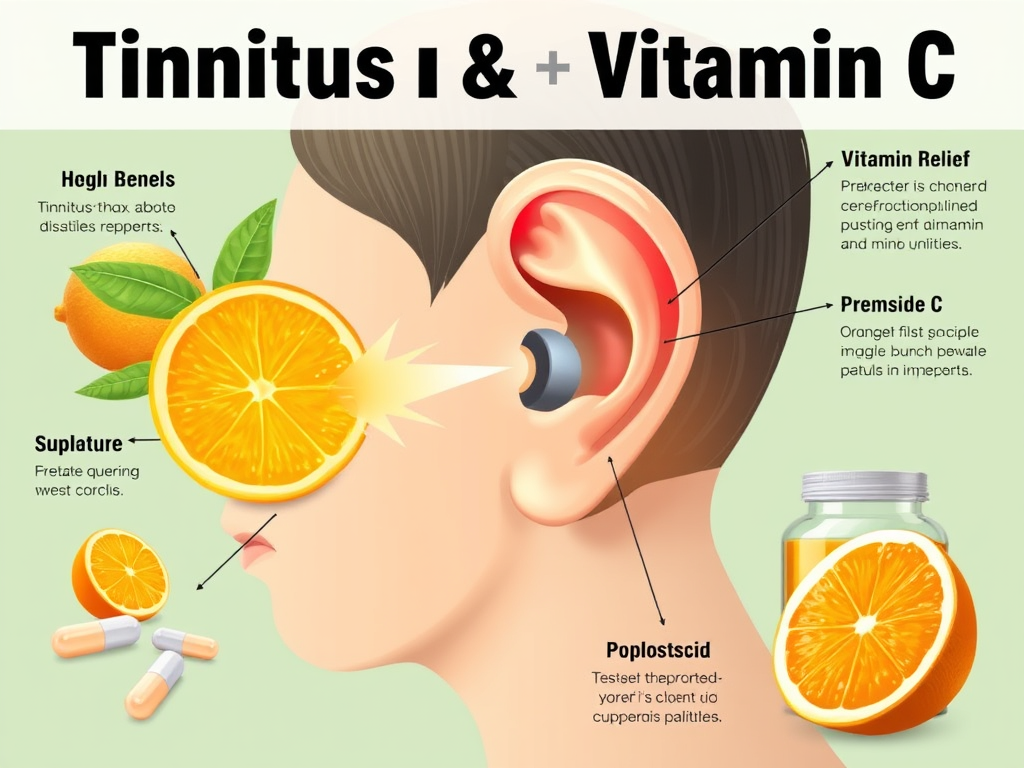
Vitamin C, also known as ascorbic acid, is a vital nutrient that our bodies need for the growth, development, and repair of all body tissues. It’s involved in many body functions, including the formation of collagen, absorption of iron, the immune system, wound healing, and the maintenance of cartilage, bones, and teeth. But can a deficiency in this essential vitamin contribute to the onset or exacerbation of tinnitus?
To answer this, we need to understand that tinnitus is often linked to the health of the inner ear. The inner ear is extremely sensitive to changes in the levels of oxygen and nutrients provided by the blood. A lack of essential nutrients, such as vitamin C, may therefore impact the health of the inner ear and potentially induce or exacerbate the symptoms of tinnitus.
Some studies have explored this hypothesis. A 2011 study published in the American Journal of Clinical Nutrition found that vitamin C, along with other antioxidants like beta-carotene, vitamin E, and magnesium, may have a protective effect against the development of tinnitus in women. The study suggested that antioxidants can help to prevent damage to the inner ear caused by oxidative stress.
Another study that appeared in the International Tinnitus Journal in 2017 found that individuals with tinnitus showed lower serum levels of vitamin C compared to those without the condition. The researchers of this study concluded that vitamin C might play a role in the pathogenesis of tinnitus due to its antioxidant properties and its role in collagen synthesis, which is vital for the health of the inner ear.
Furthermore, a review of literature published in the journal Nutrients in 2020 showed that several vitamins, including vitamin C, are crucial for normal auditory function. The review suggested that deficiencies in these vitamins might contribute to auditory dysfunction and related conditions, including tinnitus.
While these studies show a correlation between vitamin C levels and tinnitus, it’s important to note that correlation does not imply causation. Furthermore, these studies are limited and more comprehensive research is needed to definitively establish a link between vitamin C deficiency and tinnitus.
With the current body of evidence, it can be concluded that maintaining adequate levels of vitamin C might contribute to overall ear health and potentially reduce the risk or severity of tinnitus. However, it is not yet established whether supplementing with vitamin C can directly help treat tinnitus.
As always, it’s advisable for individuals suffering from tinnitus or any other health condition to consult a healthcare professional before starting any new supplementation routine. A balanced diet rich in all essential nutrients, including vitamin C, is the first line of defense against deficiency and the host of health problems it can cause.
In conclusion, while there is some scientific evidence suggesting that vitamin C deficiency could be linked to tinnitus, more research is required to fully understand this relationship. Until then, it remains important to maintain a healthy lifestyle and diet rich in essential nutrients to ensure overall wellbeing and potentially mitigate the risk of conditions like tinnitus.
Key Takeaways
- Vitamin C deficiency isn’t a direct cause of tinnitus but may worsen inflammation or oxidative damage in the ear.
- Oxidative stress from low Vitamin C levels can harm inner ear cells, possibly making tinnitus symptoms more noticeable.
- Vitamin C acts as an antioxidant, protecting ear cells and promoting overall ear health.
- Research on Vitamin C deficiency directly causing tinnitus is limited, but antioxidants play a role in ear health.
- Key Vitamin C deficiency symptoms include fatigue, bruising, dry skin, joint pain, and slow wound healing.
- Taking Vitamin C may help support ear health, but it’s not a guaranteed fix for tinnitus.
- Those at risk for Vitamin C deficiency include smokers, individuals with poor diets, or people with certain health issues.
- Adults need 75-90 mg daily; smokers require more due to higher oxidative stress.
- Best food sources include citrus fruits, strawberries, bell peppers, broccoli, and kiwi.
- Supplements may not be needed if you eat a diet rich in Vitamin C. Check with a healthcare provider first.
- High doses of Vitamin C are generally safe but can lead to side effects like stomach upset or kidney stones in some cases.
- Other tinnitus triggers include hearing loss, loud noise exposure, medications, and stress.
- Improving Vitamin C levels can benefit ear health and reduce factors that may worsen tinnitus.
- See a doctor if tinnitus is persistent, worsening, or disrupts daily life to find the underlying cause.
Vitamin C deficiency may contribute to factors that worsen tinnitus. While more research is needed, keeping your vitamin C levels in check could support your overall ear health. A balanced diet is a great starting point to protect your wellbeing.


Leave a comment