


Tinnitus can feel like having an uninvited guest in your ears, a constant ringing, buzzing, or hissing that refuses to go away. While not a medical condition itself, it’s usually a symptom of something bigger, like hearing loss, infections, or even stress. Living with tinnitus can be frustrating and, at times, downright exhausting. You might feel like you’ll never find relief, but here’s the silver lining: natural remedies may help ease the symptoms.
These remedies aren’t miracle cures. But they could help reduce the intensity of the noise, allowing you to regain a little peace in your life. Let’s break it all down.

Understanding Tinnitus and Its Causes
Before diving into remedies, it’s important to understand what tinnitus is and why it happens. Knowing the “why” can empower you to make informed decisions about managing it.
What Is Tinnitus?
Tinnitus is basically when you hear sounds that don’t come from an external source. It’s as if your ears are creating their own personal concert—one you didn’t exactly sign up for. These sounds can vary from ringing to buzzing, chirping, or even roaring. For some people, the noise is barely noticeable, while for others, it’s loud enough to interfere with daily life.
Common Causes of Tinnitus
So, why does this happen? Tinnitus has many possible triggers, and it can vary from person to person. Here are some of the most common causes:
- Exposure to loud noises: Think of concerts, construction zones, or even blasting music through your headphones. Over time, these sounds can damage the tiny hair cells in your inner ear.
- Age-related hearing loss: Aging often brings changes in hearing, including a greater risk of tinnitus.
- Ear infections or blockages: A buildup of wax or an untreated infection can mess with how your ears process sound.
- Stress or anxiety: Emotional stress can act as a magnifying glass, making tinnitus more noticeable and harder to ignore.
Addressing the root cause is key, but when that’s not possible, natural remedies might just come to the rescue.
Top 10 Natural Ingredients to Reduce Tinnitus Symptoms
If you’re looking for a more natural way to calm your tinnitus symptoms, these 10 ingredients are a great place to start. Each one has its own potential benefits and ways it may help.
Ginkgo Biloba
Ginkgo biloba has been used for centuries in traditional medicine, and for good reason. It’s known to improve blood circulation, including to your ears. Better circulation can help reduce the ringing caused by poor blood flow. Some studies suggest it might be particularly helpful for people with early-stage tinnitus.
Zinc
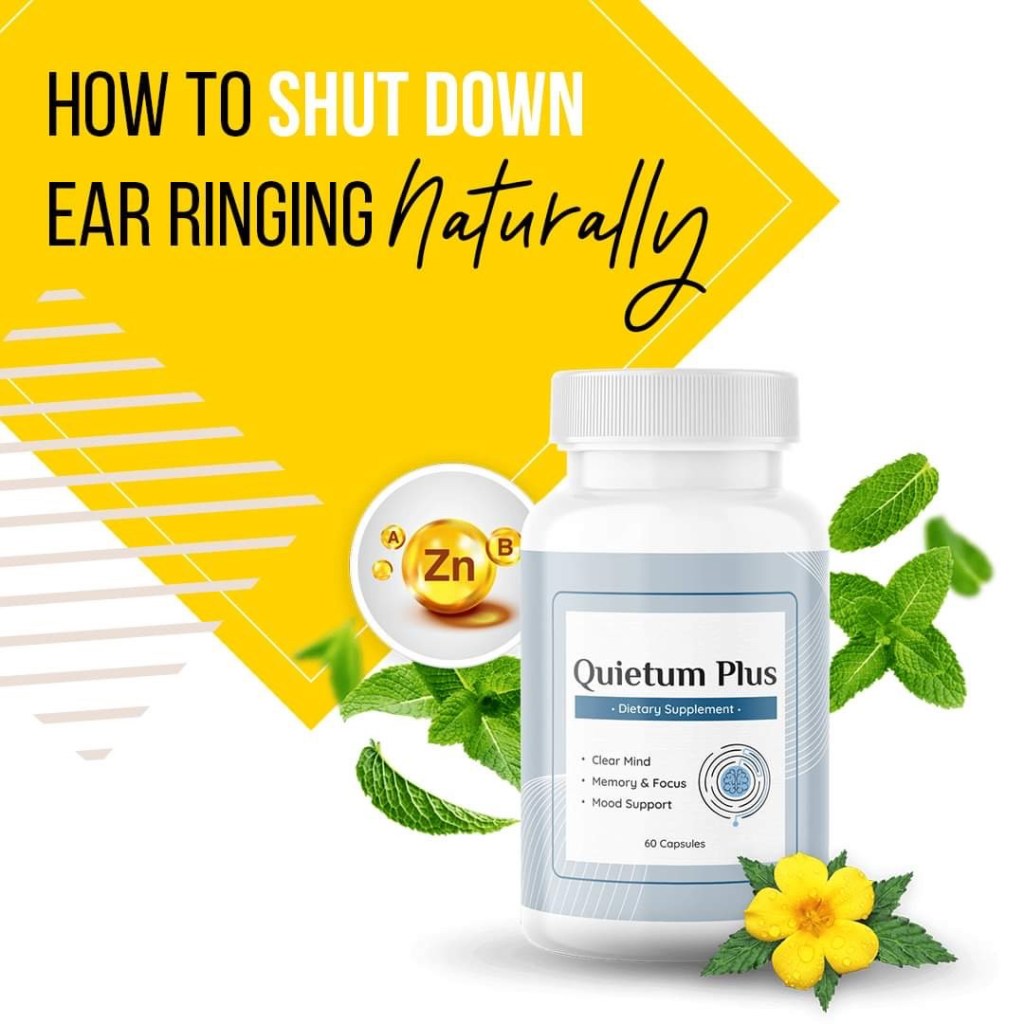
Did you know that zinc plays an important role in hearing health? A lack of zinc in your diet could make tinnitus worse for some individuals. Adding a zinc supplement or zinc-rich foods like pumpkin seeds, spinach, or seafood might reduce the severity of your symptoms. Consult with your doctor to check if a deficiency could be contributing to your tinnitus.
Magnesium
Magnesium is like a superhero for your inner ear. It helps protect the tiny hair cells inside your cochlea from damage caused by loud noises, reducing the risk of noise-induced tinnitus. You can find magnesium in foods like spinach, avocados, and nuts, or take it as a daily supplement.

Garlic Extract
Garlic has long been valued for its anti-inflammatory and antibacterial properties. If your tinnitus is connected to an ear infection or inflammation, garlic extract could help. You can even make garlic-infused oil at home as a natural ear drop but make sure to use it only after consulting your healthcare provider.
Apple Cider Vinegar
Apple cider vinegar is a go-to remedy for a lot of things, and tinnitus is no exception. Its antifungal and anti-inflammatory properties make it a great option for those whose symptoms stem from infections. Add a tablespoon to a glass of water and drink it daily, but don’t overdo it—it’s acidic and can be tough on your teeth.
Vitamin B12
B12 deficiency has been linked to tinnitus in some cases, especially in older adults. That’s because B12 supports nerve health, including the auditory nerve. Foods like eggs, dairy, and fortified cereals can help boost your levels, or you can opt for a supplement.
Melatonin
Tinnitus can make falling asleep feel impossible. This is where melatonin shines. As a natural hormone, melatonin helps you get restful sleep, which in turn reduces the stress and irritation caused by tinnitus. Taking it as a supplement might give you the shut-eye you’ve been longing for.
Turmeric
You’ve probably heard about turmeric’s anti-inflammatory benefits, but did you know it could help with tinnitus caused by inflammation? The active compound, curcumin, works to reduce swelling that may be affecting your ears. Add it to your meals or brew it into a soothing tea.
Ginger
Ginger is another inflammation fighter with antioxidant properties. It may help reduce pressure in your ears, which can sometimes amplify tinnitus symptoms. A hot ginger tea is an easy way to incorporate it into your daily routine, plus it’s comforting!
Honey
Honey isn’t just for your morning toast, it’s a natural anti-inflammatory and antibacterial agent. If your tinnitus stems from ear infections or throat irritation, honey might provide some relief. Stir it into a warm drink or enjoy a spoonful on its own.
Pineapple
Pineapple contains bromelain, an enzyme that helps combat inflammation. This tropical fruit could help reduce swelling in your ear that’s making tinnitus worse. It’s refreshing, versatile, and easy to include in your diet.
Tips for Incorporating These Natural Remedies
It’s great to know about these ingredients, but how do you actually use them? Here’s how you can fit them into your daily routine.
Dietary Changes and Recipes
Start small. Add zinc-rich pumpkin seeds to your morning yogurt. Swap regular tea for turmeric or ginger tea in the afternoons. Blend pineapple into a smoothie or drizzle some honey over a snack. The key is consistency remember small changes can add up over time.
If supplements are more your thing, many of these ingredients can be found as capsules or powders. Just remember, more isn’t always better, so follow the recommended dosages.
Consulting a Professional
No matter how beneficial natural remedies are, they’re not a replacement for medical advice. Always talk to your healthcare provider before trying a new supplement, especially if you take medications or have existing health conditions. Your doctor can help you figure out which remedies are safe and might work best for you.
Conclusion
Tinnitus can be a frustrating and isolating experience, but there’s hope. While these natural remedies won’t cure the condition, they can offer some relief and help you take a little control back. By incorporating ingredients like ginkgo biloba, magnesium, or turmeric into your daily life, you might find that the ringing fades into the background just a bit more.
Remember, managing tinnitus is about balance. Listening to your body, making mindful choices, and working with a healthcare professional to find what works best for you. You don’t have to suffer in silence. Small steps can lead to big changes.
Key Takeaways
- Certain natural ingredients may help ease tinnitus symptoms. They’re not a cure but can support overall ear health.
- Ginkgo biloba is often mentioned for its potential to improve blood flow, which may reduce ringing for some.
- Zinc deficiency has been linked to tinnitus in some cases. Adding zinc-rich foods or supplements might help.
- Magnesium may calm nerves and improve circulation, which can be beneficial for the inner ear.
- Some people find relief with Vitamin B12, especially if they have a deficiency, as it supports nerve health.
- Apple cider vinegar is thought to balance the body’s pH, which some believe might soothe symptoms.
- Herbal teas like chamomile can help with stress and relaxation, often tied to tinnitus flare-ups.
- Avoiding allergens (like caffeine or sodium) might reduce severity for some.
Try these with realistic expectations. Stay consistent and patient, natural remedies often take time to show results. Always check with a doctor before trying new supplements, especially if you’re on medications. Remember, every person’s experience with tinnitus is unique, so it’s about finding what works best for you.
Natural ingredients offer promising relief for tinnitus symptoms by supporting overall ear health and reducing discomfort. Explore options cautiously and consult a healthcare professional to ensure they fit your needs. Small, consistent changes can make a big difference, so start with one remedy at a time. “Quietum Plus: Small change, big difference.”


Leave a comment