


Tinnitus often feels like a constant, intrusive sound that refuses to go away, making it hard to concentrate or relax. For many people, it’s more than just a small inconvenience it’s a symptom linked to nerve damage. This usually stems from the complex interaction between the ears and the brain. Understanding this connection is essential for finding effective relief. The good news is that there are treatments specifically developed for tinnitus caused by nerve damage. This guide will outline options that can help reduce the noise and improve your overall well-being.
What Causes Tinnitus and How Nerve Damage Plays a Role
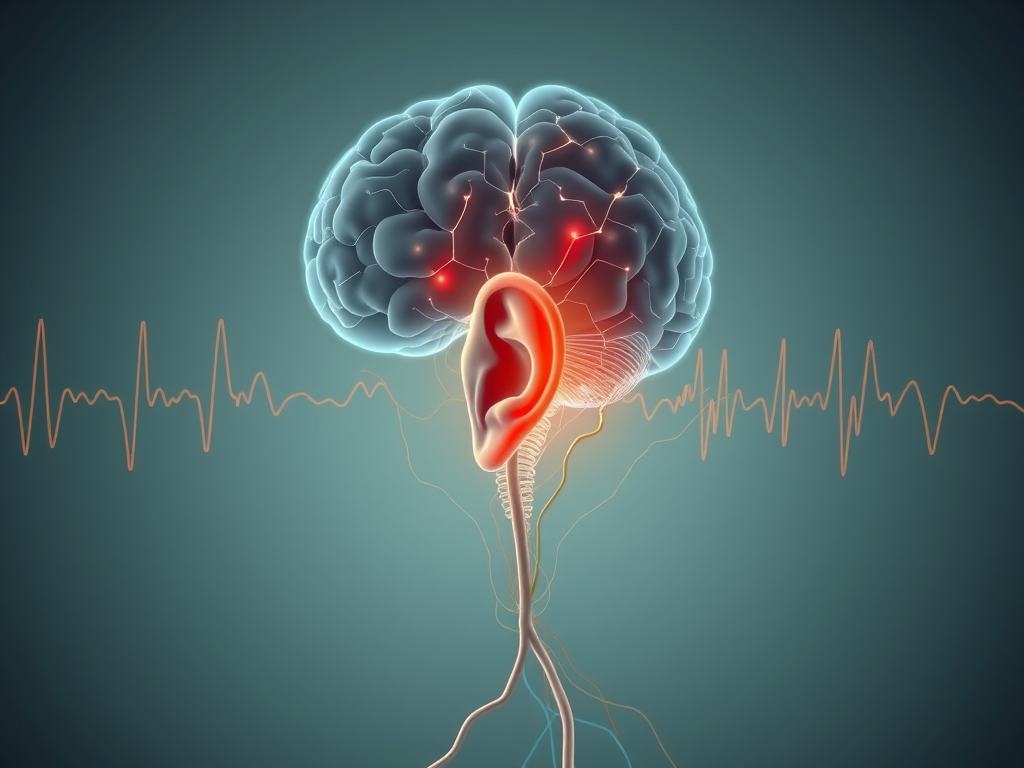
Tinnitus isn’t just a random sound in your ears,it’s often a signal that something deeper is happening in your auditory system. For many, the cause can be traced back to nerve damage, especially involving the auditory nerve. To better understand how this connection works, let’s break it down step by step.
The Auditory Nerve: A Delicate Pathway
The auditory nerve is a critical part of how we hear. It acts like a highway for sound, carrying electrical signals from your ear to your brain. Think of it as the messenger in charge of translating vibrations into sounds you recognize, like music, a friend’s voice, or the hum of traffic.
But when this nerve gets damaged, the signals it sends can become scrambled or distorted. Instead of clear messages, the brain may interpret misfires as ringing, buzzing, or other phantom sounds. This disruption is one of the main ways nerve damage can lead to tinnitus. Sometimes, even when there’s no external sound, the brain continues to “fill in the blanks,” creating the illusion of noise that just won’t stop.
Common Triggers Leading to Nerve Damage and Tinnitus
A variety of factors can harm the auditory nerve, ultimately contributing to tinnitus. These triggers are surprisingly common and can affect anyone:
- Aging: Over time, the wear and tear on your ears and nerves can lead to hearing loss and tinnitus. This is a natural part of aging, but it can be frustrating when these symptoms begin to interfere with daily life.
- Loud noise exposure: Ever left a concert or noisy event and noticed a high-pitched ringing afterward? Repeated exposure to these loud environments can cause long-term damage to the auditory nerve.
- Ototoxic medications: Certain drugs, including some antibiotics, chemotherapy agents, and NSAIDs, can be toxic to the sensitive cells in your ear. This can lead to nerve damage and, in turn, tinnitus.
- Health conditions: Issues like diabetes, high blood pressure, or autoimmune diseases can impact blood flow and nerve function, increasing the risk of tinnitus.
These triggers are often cumulative, meaning the more exposure you have, the higher your risk for developing persistent tinnitus.
How Tinnitus Feels: More Than Just Ringing in the Ears
Describing tinnitus to someone who doesn’t experience it can be challenging. It’s more than just a sound; it’s persistent and can feel unrelenting. Most people describe it as a ringing, buzzing, or humming, but the sensations vary widely. For some, it’s a faint background noise. For others, it’s an intense and piercing sound that competes with everything else around them.
Tinnitus doesn’t just affect hearing, it seeps into daily life. Imagine trying to hold a conversation, focus on work, or fall asleep while a constant, invisible noise dominates your senses. Over time, this can lead to fatigue, stress, and even anxiety. It’s like trying to tune into a radio station, only to hear static no matter how carefully you adjust the dial.
For those experiencing tinnitus caused by nerve damage, finding relief is key. While the condition is frustrating, understanding its root cause can be a significant step toward managing it effectively.
Medical Treatments for Tinnitus Linked to Nerve Damage
When tinnitus stems from nerve damage, addressing it requires a multifaceted approach. While there may not always be a way to completely eliminate the ringing or buzzing, medical advances provide several options to reduce symptoms and improve overall nerve health. Let’s explore the most effective treatments available.
Medications to Manage Nerve-Related Tinnitus
While there isn’t a pill specifically designed to cure tinnitus, certain medications can help manage the condition, particularly when it’s tied to nerve-related issues. These medications work by targeting the underlying causes or associated symptoms:
- Anti-anxiety medications: Stress and anxiety often make tinnitus worse, creating a vicious cycle that amplifies the sound in your ears. Medications like benzodiazepines may help calm the nervous system and reduce the perception of tinnitus, though they’re generally used as a short-term option due to potential side effects and dependency risk.
- Antidepressants: Tinnitus can take a significant emotional toll, leading to depression and trouble coping. Tricyclic antidepressants, such as amitriptyline, are sometimes prescribed to improve mood and help patients better manage their symptoms. While not a direct fix, they can ease the mental burden.
- Neuropathic pain medications: Drugs like gabapentin, often used for nerve pain, might be effective for some tinnitus sufferers. These medications aim to calm overactive nerve pathways that might be misfiring and creating phantom noise.
For medications to truly help, they need to be part of a broader treatment plan that prioritizes mental, emotional, and physical health.
Hearing Aids and Cochlear Implants
Hearing aids and cochlear implants are powerful tools in combating tinnitus, especially when hearing loss is linked to nerve damage. These devices help rebalance the auditory system, making tinnitus less noticeable.
- Hearing aids: By amplifying external sounds, hearing aids can mask the constant ringing or buzzing. They also stimulate neural pathways in the auditory system, correcting some of the imbalance that contributes to tinnitus perception. Modern hearing aids often come with features like white noise generators, adding another layer of relief for users.
- Cochlear implants: For more severe hearing loss caused by nerve damage, cochlear implants may be a solution. These devices bypass damaged parts of the ear and send signals directly to the auditory nerve. Along with restoring some level of hearing, they can also reduce tinnitus symptoms by retraining the brain to focus on interpreting actual sounds instead of creating phantom ones.
Devices like these don’t just improve hearing—they also restore confidence in daily interactions, making it easier for people to reconnect with the world around them.
Cognitive Behavioral Therapy (CBT) for Tinnitus
Tinnitus doesn’t only affect the ears—it affects the mind as well. The endless noise can lead to overwhelming frustration, insomnia, and even despair. Cognitive Behavioral Therapy (CBT) offers a lifeline by guiding patients toward better coping mechanisms.
CBT works by changing the way you react to tinnitus. Instead of focusing on the sound and the negative emotions it stirs, CBT helps shift your perspective. For example, patients learn techniques to reduce their emotional response to tinnitus, making the noise less bothersome over time.
Here’s what a typical CBT program might include:
- Relaxation techniques: Learning how to reduce physical tension can make tinnitus less prominent. Deep breathing, progressive muscle relaxation, and mindfulness are common approaches.
- Reframing thought patterns: Therapists help patients identify and challenge negative beliefs about their condition. This could involve replacing “This sound is ruining my life” with “The sound is there, but I can manage it without letting it dominate my thoughts.”
- Structured coping strategies: Patients are guided through ways to gradually reduce the stress and anxiety triggered by tinnitus. CBT often pairs well with other treatments since emotional well-being plays a critical role in managing symptoms.
Though CBT doesn’t cure tinnitus, it equips you with the mental tools to live with it comfortably, building resilience and lowering the impact it has on your day-to-day life.
By combining the right medical treatments, devices, and therapeutic strategies, people can find significant relief from tinnitus caused by nerve damage.
Lifestyle Changes to Support Tinnitus Nerve Damage Treatment
When dealing with tinnitus caused by nerve damage, medical treatments and therapies play a vital role, but lifestyle changes often work alongside them to deliver better results. By making intentional adjustments to daily habits, you can support nerve health and potentially reduce the intensity of tinnitus. Let’s explore key lifestyle strategies that can make a positive impact.

The Role of a Healthy Diet
What you eat has a direct influence on your overall health, including the function of your nerves. Certain nutrients are especially beneficial for protecting and repairing the auditory nerves that play a role in tinnitus.
- Magnesium: Known to improve nerve health and reduce inflammation, magnesium has shown promise in easing tinnitus symptoms. Found in foods like spinach, almonds, and avocados, it helps prevent damage to inner ear cells that are essential for sound transmission.
- Vitamin B12: This nutrient is critical for nerve function, as it helps to build and maintain myelin—the protective coating around nerves. Low levels can sometimes exacerbate tinnitus, so incorporating B12-rich foods like eggs, dairy products, fish, and fortified cereals can be beneficial.
- Zinc: Linked to maintaining inner ear health, zinc deficiency has been associated with increased tinnitus in some cases. Beef, shellfish, pumpkin seeds, and chickpeas are great sources of this mineral.
- Antioxidants: Foods rich in antioxidants, such as berries, dark leafy greens, and dark chocolate, protect nerve cells from oxidative stress a key factor in nerve damage.
By focusing on a nutrient-dense diet, you’re not just feeding your body. You’re fueling your auditory system and giving your nerves the tools they need to perform their best.
Benefits of Regular Exercise
Exercise doesn’t just build muscles, it keeps your entire body, including your nervous system, in optimal condition. When it comes to tinnitus, regular physical activity positively impacts cardiovascular health, which plays a significant role in auditory function.
How does this work? Good blood flow is essential for carrying oxygen and nutrients to the auditory nerves. Exercise strengthens the cardiovascular system, ensuring blood flows efficiently to the tiny, delicate structures in your ears. Poor circulation, on the other hand, can worsen nerve health and intensify tinnitus symptoms.
If you’re looking for exercise ideas, consider these tinnitus-friendly activities:
- Walking or jogging: These low-impact cardio exercises get your heart rate up without overwhelming your body.
- Swimming: Gentle on the joints, swimming improves circulation and relaxes both body and mind.
- Yoga or tai chi: These exercises combine movement with mindfulness, offering a dual benefit for nerve health and stress reduction.
Aim for at least 30 minutes of moderate exercise most days of the week. Not only will your ears benefit, but you may also find a boost in energy, mood, and overall well-being.
Stress Management and Relaxation Techniques
Stress can significantly heighten the perception of tinnitus. Think of it like static on a radio—when your body is under stress, it amplifies the noise. Managing stress effectively is critical in alleviating tinnitus triggers.
Here are some practices you can incorporate into daily life to keep stress in check:
- Mindfulness meditation: Spending even 10 minutes a day in quiet focus, paying attention to your breath or surroundings, can calm the nervous system and help you feel balanced.
- Yoga: Beyond the physical benefits, yoga promotes relaxation by encouraging deep breathing and present-moment awareness. This dual approach can help ease tension that adds to tinnitus.
- Deep breathing exercises: When stress spikes, the first thing to do is breathe. Try diaphragmatic breathing—inhale deeply through your nose for four counts, hold for four, and exhale slowly for six or eight counts. This taps into your parasympathetic nervous system, quieting your mind and body.
- Progressive muscle relaxation: Starting from your toes and working upwards, tense and then slowly relax each muscle group. This technique helps release physical tension that you may not even notice you’re holding.
Incorporating stress management techniques won’t silence tinnitus entirely, but it can make the ringing feel less intrusive. A calm and relaxed body handles those phantom sounds with far greater ease.
By prioritizing diet, exercise, and stress management, you’re setting the foundation for better nerve health and quieter days ahead. These changes may seem small, but over time, they add up to a significant impact on how you experience tinnitus.
Emerging Treatments and Research for Tinnitus Nerve Damage
Navigating the challenges of tinnitus caused by nerve damage can feel like balancing on a tightrope, but recent advancements in science and medicine are offering real hope. Researchers are zeroing in on innovative therapies designed to directly repair nerve damage or retrain the brain’s response to it. These breakthroughs could revolutionize how nerve-related tinnitus is treated.
Neuromodulation Technologies
Imagine being able to retrain your brain like adjusting the frequency on a radio to tune out static. Neuromodulation therapies aim to do just that. By using cutting-edge tools, such as transcranial magnetic stimulation (TMS) and vagus nerve stimulation (VNS), these treatments target the brain regions responsible for the perception of tinnitus.
- Transcranial Magnetic Stimulation (TMS): TMS uses magnetic pulses to stimulate nerve cells in areas of the brain linked to auditory processing. This non-invasive approach helps “reset” abnormal electrical activity involved in tinnitus. Clinical studies show that TMS may reduce the intensity of symptoms for some patients, offering a potential lifeline when traditional methods don’t work.
- Vagus Nerve Stimulation (VNS): By delivering gentle electrical stimulation to the vagus nerve (a nerve that connects the brain to the body), combined with sound therapy, researchers are working to rewire how the brain interprets signals connected to tinnitus. Early trials suggest this technique could help reduce the phantom noise over time.
These therapies are evolving quickly, and while they’re not yet standard practice for everyone, the potential is thrilling. For individuals dealing with tinnitus rooted in nerve damage, these treatments could turn something once thought permanent into a manageable condition.
Stem Cell and Regenerative Therapies
What if your body could help repair itself? That’s the promise of stem cell therapy, which is emerging as a fascinating option for tackling nerve damage in tinnitus patients. Stem cells, which have the unique ability to transform into specialized types of cells, may hold the key to repairing damaged auditory nerves or even restoring lost function.
Here’s how this works: researchers are exploring ways to use stem cells to regenerate damaged nerve fibers in the auditory pathway. These cells could potentially repair the damaged “highway” of communication between your inner ear and brain. While this area of medicine is still in its experimental stages, early studies in animal models have shown encouraging results, laying the groundwork for future human trials.
Beyond stem cells, regenerative therapies are also focusing on growth factors, molecules that encourage nerve repair and regeneration. These approaches aim to “wake up” the body’s natural healing mechanisms to mend damaged nerve tissue in the auditory system.
Although we’re not at the point where these therapies are widely available, their progress highlights a future where tinnitus caused by nerve damage could be addressed at its root rather than just managing symptoms.
Gene Therapy and Future Possibilities
Genetics play a vital role in how our auditory system works, and gene therapy is pushing boundaries by targeting the underlying causes of nerve-related tinnitus. This approach involves introducing or modifying genes within cells to fix damaged ones or compensate for faulty processes causing the unwanted sounds.
One avenue researchers are exploring is repairing defective or damaged genes that impact the auditory nerve. By delivering corrected versions of these genes directly to affected cells, gene therapies aim to restore proper function where it’s been compromised. Cutting-edge tools like CRISPR (a technology used to edit genes) are showing promise in this field, offering the potential to surgically correct genetic issues tied to tinnitus and hearing loss.
Additionally, scientists are investigating ways to use gene therapy to deliver protective proteins into the auditory system. These proteins might help shield nerve cells from further damage or even restore their function, much like patching up a cracked foundation to stabilize a house.
WWhile these treatments are years away from being available to the public, their development marks an exciting step forward. They signal a shift from simply managing the symptoms of tinnitus to tackling nerve damage at its core.
Advances in neuromodulation, regenerative medicine, and gene therapy are paving the way for groundbreaking solutions to tinnitus caused by nerve damage. While these treatments are still in development or in limited use, the progress gives hope to millions afflicted by this challenging condition.
Conclusion
Treating tinnitus caused by nerve damage is no longer a distant hope but a real opportunity for relief. From medical therapies like hearing aids and cognitive behavioral strategies to the promise of groundbreaking innovations like neuromodulation, stem cells, and gene therapy, there are paths to ease the noise and regain control.
Every person’s journey with tinnitus is unique, and the most effective treatment often combines professional guidance, self-care, and emerging medical advancements. By working with healthcare providers and exploring the options available, relief becomes a realistic goal.
Tinnitus can feel overwhelming, but progress in understanding and treating it shines a bright light on what’s possible. Don’t settle for the noise; take the first step toward quieter, more peaceful days. “Quietum Plus: The sound solution you’ve been waiting for.”



Leave a comment