


Researchers are increasingly examining how what we eat could play a role in managing tinnitus symptoms. Diets focused on reducing inflammation seem to hold promise for providing relief. This approach emphasizes consuming foods that naturally combat inflammation, which may, in turn, help lessen the intensity or frequency of tinnitus for some individuals.
By incorporating anti-inflammatory foods into daily meals, individuals might experience a positive shift in their symptoms. In this guide, we’ll explore how an anti-inflammatory diet could be a helpful tool for those navigating the challenges of tinnitus, offering a potential avenue for symptom management.
Understanding Tinnitus
Tinnitus is not a disease in itself but rather a symptom of other underlying health conditions. It manifests as a persistent noise or ringing in the ears, which can range from a mild, occasional annoyance to a severe, constant distraction. This condition can be triggered or worsened by a variety of factors, including exposure to loud noises, certain medications, high blood pressure, and dietary habits.
The Inflammation Connection
Several studies suggest a link between inflammation and tinnitus. Inflammation is a natural response of the body to injury or illness, but when it becomes chronic, it can lead to various health problems. Chronic inflammation in the ear can damage the auditory nerves leading to symptoms of tinnitus. A diet high in inflammatory foods, such as processed meat, fried foods, and sugary beverages, may contribute to increased inflammation in the body, potentially worsening tinnitus symptoms.
The Role of Anti-Inflammatory Diets
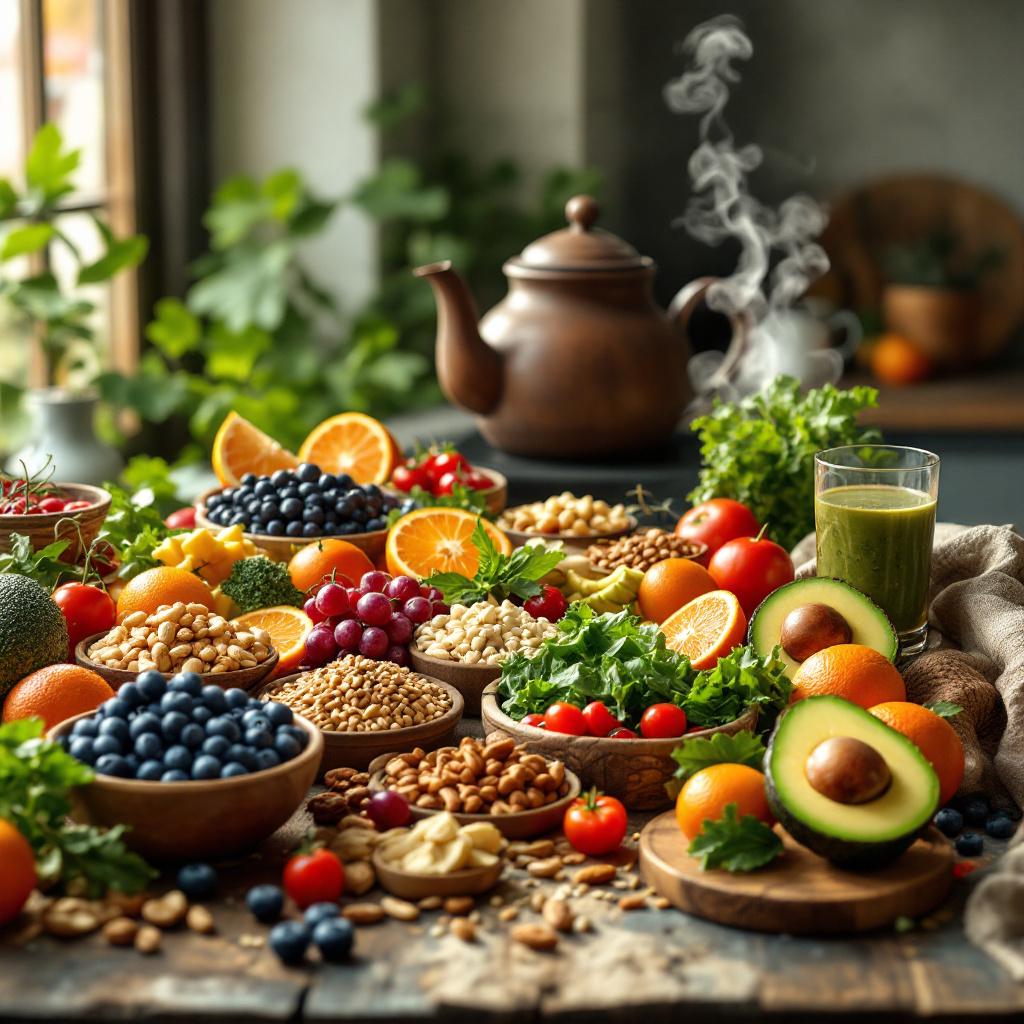
An anti-inflammatory diet is rich in foods that help reduce inflammation in the body. This includes a variety of fruits and vegetables, whole grains, lean proteins, healthy fats, and spices known for their anti-inflammatory properties. Foods rich in omega-3 fatty acids like fatty fish, walnuts, and flaxseeds, and those high in antioxidants such as berries, dark chocolate, and green tea, are particularly beneficial.
A 2014 study published in the American Journal of Epidemiology found that women who followed an anti-inflammatory diet had a lower risk of hearing loss. While the study did not specifically focus on tinnitus, the findings suggest that reducing inflammation could help protect against conditions that lead to tinnitus.
In addition to reducing inflammation, an anti-inflammatory diet can also help manage other health conditions often associated with tinnitus, such as obesity, diabetes, and heart disease. By managing these conditions, an anti-inflammatory diet may indirectly help alleviate tinnitus symptoms.
Implementing an Anti-Inflammatory Diet
Switching to an anti-inflammatory diet doesn’t have to be a drastic change. Start by incorporating more fruits and vegetables into your meals, replacing refined grains with whole grains, and swapping unhealthy fats for healthy ones. Choose lean proteins like fish and poultry over red meat and processed meat, and add spices like turmeric and ginger to your dishes for their anti-inflammatory benefits.
It’s also important to reduce your intake of foods that can cause inflammation. Try to limit your intake of processed foods, sugary drinks, and alcohol, all of which can contribute to inflammation and potentially worsen tinnitus symptoms.
Wrapping Up
While more research is needed to fully understand the relationship between diet and tinnitus, current evidence suggests that adopting an anti-inflammatory diet could be beneficial for those suffering from this condition. As always, it’s important to consult with a healthcare provider before making significant dietary changes, especially for individuals with underlying health conditions or those on medication. An anti-inflammatory diet, combined with regular exercise, stress management, and adequate sleep, could be a comprehensive strategy for managing tinnitus and promoting overall health.

Key Takeaways
- An anti-inflammatory diet may help reduce tinnitus symptoms for some people.
- Foods like fruits, vegetables, whole grains, and fatty fish can lower inflammation in the body.
- Avoiding processed foods, sugar, and trans fats can make a difference.
- Healthy fats, like those found in olive oil, avocado, and nuts, are excellent choices.
- Staying hydrated and reducing caffeine or alcohol intake might also help.
- A balanced diet supports overall health, which can improve how you manage tinnitus.
- Changes in diet alone may not cure tinnitus but could make symptoms less noticeable.
Anti-Inflammatory Diets and Tinnitus: Frequently Asked Questions
What is tinnitus, and how does it relate to diet?
Tinnitus is the perception of ringing, buzzing, or other sounds in the ears without an external sound source. While there’s no direct dietary cure, certain foods may help reduce inflammation, which can indirectly affect tinnitus symptoms.
Can an anti-inflammatory diet help with tinnitus symptoms?
An anti-inflammatory diet, rich in vegetables, fruits, whole grains, and healthy fats, may improve overall brain and vascular health. This could potentially lower the severity of tinnitus in some people.
Are there specific foods that worsen tinnitus?
Yes, certain foods have been reported to trigger or worsen tinnitus in some people. Common culprits include high-sugar foods, processed items, salty snacks, caffeine (for sensitive individuals), and alcohol. Keep a food diary to track personal triggers.
Can caffeine cause or worsen tinnitus?
Caffeine doesn’t affect everyone the same way. Some studies suggest moderate caffeine intake may actually have protective effects. However, for others, it can act as a trigger. Monitor your symptoms after consuming coffee or energy drinks to see how your body reacts.
Are there any nutrients linked to reducing tinnitus symptoms?
Vitamin B12, antioxidants, and magnesium may play a role in managing tinnitus. For example, low vitamin B12 levels have been linked to higher tinnitus risk. Foods like leafy greens, nuts, and lean proteins are good choices.
How does inflammation influence tinnitus?
Chronic inflammation can affect blood flow and nerve function, potentially worsening conditions like tinnitus. Anti-inflammatory diets aim to reduce this systemic inflammation, which might help alleviate symptoms.
Is the Mediterranean diet good for people with tinnitus?
Yes, the Mediterranean diet is often recommended since it focuses on anti-inflammatory foods, such as olive oil, fish, fruits, and vegetables. It encourages better vascular health, which may positively impact tinnitus.
Should I avoid dairy if I have tinnitus?
Unless you’re lactose intolerant or sensitive to dairy, it’s typically not necessary to avoid it. Some research even suggests dairy, particularly yogurt, contains probiotics that might help overall well-being. Monitor how it affects your symptoms.
Can weight loss through diet influence tinnitus?
Tinnitus severity isn’t directly linked to body weight, but losing weight through a balanced diet can improve blood flow and reduce inflammation. These factors might indirectly improve tinnitus management.
Are supplements like Ginkgo biloba effective for tinnitus?
Research doesn’t support the effectiveness of Ginkgo biloba, zinc, or other supplements specifically for treating tinnitus. Always consult a doctor before trying supplements since they can interact with medications.
Does drinking more water help tinnitus?
Staying hydrated is important for general health and can help reduce ear-related issues caused by dehydration. While it may not directly cure tinnitus, proper hydration supports circulation and overall health.
Are spicy foods bad for tinnitus?
Spicy foods may trigger tinnitus symptoms in some individuals due to their impact on circulation or body temperature. This is highly individual, so it’s best to track personal responses.
How long does it take for dietary changes to affect tinnitus?
There’s no set timeline, as results vary. Some people notice changes in weeks, while others need months of consistent dietary adjustments. Pair diet with other treatments for the best outcomes.
Should I completely eliminate trigger foods?
Not necessarily—elimination diets can help identify triggers, but total restriction isn’t always practical or necessary. Start by reducing suspected triggers and monitor any symptom changes.
Is an anti-inflammatory diet enough to treat tinnitus?
An anti-inflammatory diet might reduce symptoms but isn’t a standalone cure. It works best when combined with medical treatments, ear protection, stress management, and good sleep habits. Always consult a healthcare professional.
Final Thoughts
Following an anti-inflammatory diet might not provide a guaranteed solution for tinnitus, but it could help manage inflammation, which may offer some relief. Simple changes, like adding more fruits, vegetables, and omega-3-rich foods to your meals, can support your overall health. Pay attention to your triggers and make thoughtful food choices to promote better well-being. “Peace for your ears, calm for your mind.”


Leave a comment