


Many people don’t realize how strongly tinnitus and mental health are linked. That constant ringing or humming in your ears isn’t just a simple annoyance,it can bring on feelings of depression, frustration, and even loneliness. Here, you’ll find helpful support, useful resources, and a sense of hope for managing both tinnitus and your mental health.
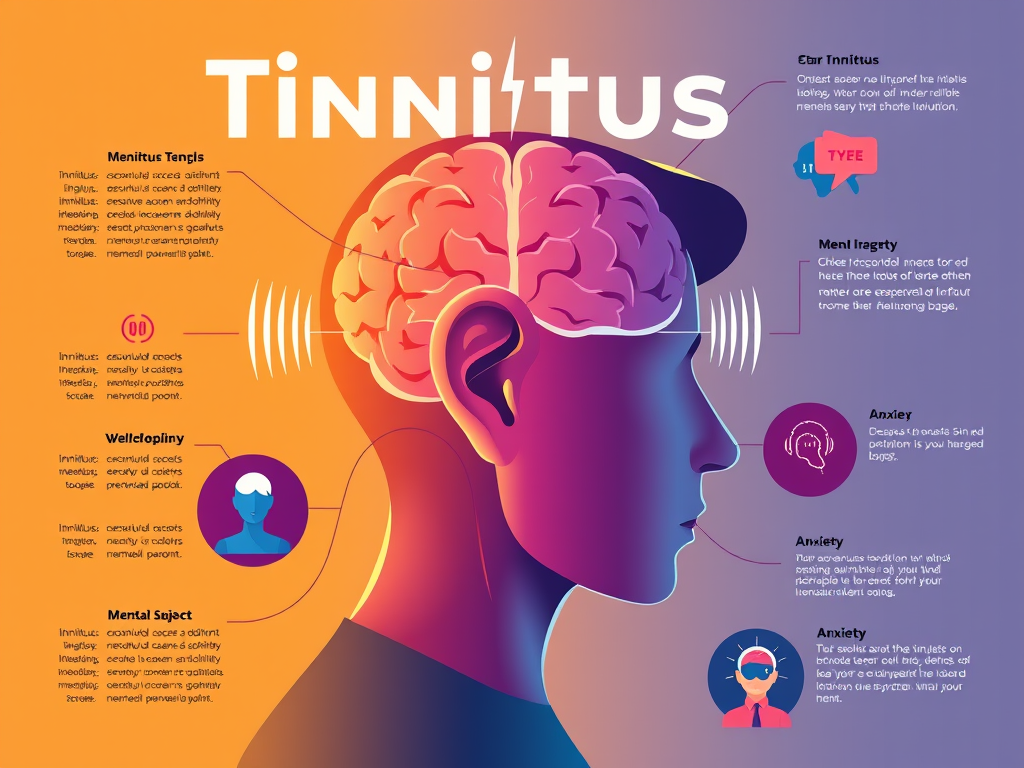
Tinnitus is often more than just a physical condition. It can interfere with an individual’s ability to concentrate, disrupt sleep, and create feelings of frustration or helplessness. As a result, individuals with tinnitus often experience a decline in their quality of life, causing a ripple effect on their emotional well-being and overall mental health.
The relationship between tinnitus and mental health is complex and bidirectional. On one hand, tinnitus can lead to mental health issues. On the other hand, individuals with pre-existing mental health conditions, such as anxiety or depression, may be more susceptible to developing tinnitus.
Research suggests that individuals with tinnitus are more likely to experience mental health disorders than the general population. A study published in the Journal of Affective Disorders found that people with tinnitus are significantly more likely to have anxiety, depression, and poor sleep quality. Furthermore, the severity of tinnitus often correlates with the severity of these mental health conditions.
However, the connection between tinnitus and mental health is not a one-way street. Mental health conditions can exacerbate tinnitus symptoms. For instance, stress and anxiety can increase the perception of tinnitus, making the condition seem worse than it actually is.
Despite the challenges, there are several strategies available to manage tinnitus and its impact on mental health. Cognitive-behavioral therapy (CBT) is a widely accepted approach for managing tinnitus. CBT helps individuals change their perception of tinnitus by teaching them coping mechanisms and changing their response to the condition.
Mindfulness and relaxation techniques can also help manage tinnitus and improve mental health. Activities such as yoga, meditation, and deep-breathing exercises can reduce stress levels, lower the perception of tinnitus, and improve sleep quality.
Hearing aids and sound therapy are other practical solutions that can help manage tinnitus. These devices can mask the noise of tinnitus, making it less noticeable and less disruptive to daily life.
Medical professionals should not overlook the potential impact of tinnitus on an individual’s mental health. Regular screenings for mental health conditions in individuals with tinnitus can ensure timely intervention and treatment, ultimately improving their quality of life.
In conclusion, while tinnitus can significantly impact mental health, a multifaceted approach that includes cognitive-behavioral therapy, mindfulness techniques, and practical solutions like hearing aids can help individuals manage their condition and find balance in their daily lives. It is essential for healthcare providers to consider the mental health implications of tinnitus and provide comprehensive care to their patients.

Key Takeaways
- Tinnitus can make stress, anxiety, and depression worse.
- Loud ringing or buzzing in the ears may make it hard to focus or sleep.
- Trouble sleeping and constant noise may raise feelings of worry or sadness.
- Many people with tinnitus feel alone or misunderstood.
- Good self-care and support from others can help reduce these feelings.
- Speaking with a doctor or therapist can lead to more relief and better mental health.
- Taking care of mental health is just as important as treating tinnitus itself.
Tinnitus and Mental Health: Key Questions Answered
How does tinnitus affect mental health?
Tinnitus often leads to stress, anxiety, and depression. The constant ringing or buzzing can disrupt sleep, concentration, and daily activities, increasing frustration and emotional strain.
Can anxiety or depression make tinnitus worse?
Yes, anxiety and depression can amplify tinnitus symptoms. Emotional stress and low mood make it harder to cope, which creates a cycle where tinnitus and mental health problems feed into each other.
Why does tinnitus trigger anxiety or depression in some people?
The persistent noise from tinnitus can feel overwhelming and inescapable. This stress can wear down your ability to relax and enjoy life, making you more likely to develop anxiety or depressive symptoms.
Are treatments available to help with both tinnitus and mental health?
Cognitive behavioral therapy (CBT) and sound therapy often help. These focus on changing how you react to tinnitus and lowering your emotional distress. Mental health professionals, audiologists, or ENT doctors can guide you through these options.
Is it common for people with tinnitus to have mental health issues?
Yes. Studies show people with tinnitus have higher rates of anxiety, depression, and somatic symptoms compared to the general population. Severe cases bring greater risk, but even mild tinnitus can impact mood.
Does treating anxiety or depression make tinnitus better?
Managing mental health can help reduce the impact of tinnitus. If anxiety, depression, or poor sleep are brought under control, most people find that tinnitus becomes less bothersome over time.
Can sleep problems from tinnitus make mental health worse?
Absolutely. Poor sleep increases irritability and makes anxiety and depression harder to manage. Many people with tinnitus find that improving their sleep habits helps both their mental health and their perception of tinnitus.
Should I see a doctor if my tinnitus is affecting my mood?
Yes. If tinnitus starts to impact your daily life, mood, or sleep, talk to your doctor. They can connect you with mental health support and treatment options that address both issues.
Is there a direct link between hearing loss, tinnitus, and mental health?
Hearing loss increases the chance of getting tinnitus, but studies show that tinnitus itself not just hearing loss is linked to higher rates of anxiety, depression, and stress.
How can I cope day-to-day with tinnitus and mental distress?
Use stress management techniques, such as deep breathing or mindfulness. Keep a healthy routine and seek social support. Working with a therapist or support group can also make a big difference.
Final Thoughts
Living with tinnitus can make daily life feel more challenging and take a toll on your mental health. Caring for your well-being can ease some of this weight. Start with small changes like taking slow, deep breaths when stress starts to build, stepping outside for a quick walk, or moving your body to lift your mood. Talking with someone who understands can help too. These simple habits may feel minor at first, but they often lead to small improvements over time. Look out for support groups or helpful tools that fit your needs. Finding the right kind of support can make things feel a bit lighter. “Life sounds better with Quietum Plus.”



Leave a comment