


Have you ever noticed that when your posture is off, your body feels it in more ways than one? Bad posture and tinnitus may seem unrelated at first, but they could be more connected than you think. If you’ve been wondering why your ears won’t stop ringing or if your slouched stance could play a role, you’re not alone. We’ll explore how posture affects your body and what it means for those persistent sounds in your ears.
The Science Behind Tinnitus and Posture
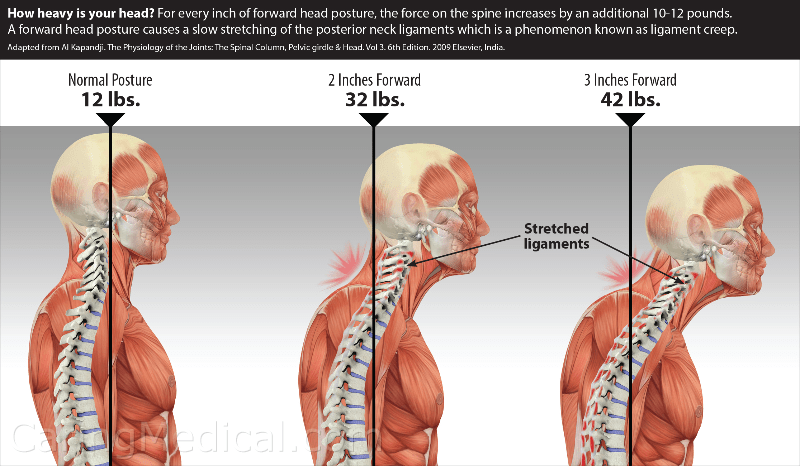
Understanding the relationship between muscle tension, circulation, and tinnitus is crucial. When we maintain poor posture, particularly slouching, it can lead to muscle tightness in the neck and jaw. This tension can restrict blood flow and impact nerve function in the head and neck area, ultimately contributing to tinnitus symptoms.
What is Tinnitus?
Tinnitus is essentially the perception of sound in the absence of external noise. It manifests in various ways, including ringing, buzzing, or whooshing sounds. There are different types of tinnitus, but in the context of posture, somatic and cervical tinnitus are particularly relevant. Somatic tinnitus refers to cases where body movement or tension directly influences the intensity of the sounds a person hears. Cervical tinnitus is often connected to issues in the neck that may result from bad posture.
How Poor Posture Contributes to Tinnitus
Bad posture doesn’t just affect how we stand or sit; it can significantly impact our overall physical health. When I slouch or keep my head tilted forward for prolonged periods, the muscles in my neck and jaw can become tense. This tension can lead to headaches and jaw discomfort, which are often linked to tinnitus. In essence, the constant strain on these muscles can aggravate the symptoms of tinnitus for many individuals.
Symptoms of Tinnitus Related to Posture
Recognizing how tinnitus symptoms correlate with posture can be enlightening. Many people experiencing tinnitus may also complain of neck pain, jaw discomfort, or frequent headaches. These are not mere coincidences.
Recognizing Cervical and Mandibular Tinnitus
Cervical tinnitus usually arises from issues in the neck region, such as muscle tension or nerve compression. On the other hand, mandibular tinnitus is connected to jaw-related problems, including temporomandibular joint (TMJ) dysfunction. Poor posture can exacerbate both conditions, leading to a more pronounced experience of tinnitus.
Muscle Tension and Its Effects
As muscle tension builds up, it can further irritate the auditory system, resulting in intensified tinnitus symptoms. When I notice my neck feels stiff or my jaw tightens, I often experience a noticeable uptick in my tinnitus. It’s a reminder of just how interconnected our body systems are.

Exercises to Improve Posture and Alleviate Tinnitus
Fortunately, there are several effective exercises designed to improve posture and potentially alleviate tinnitus symptoms. Incorporating these into my daily routine has become invaluable.
Neck and Shoulder Stretches
Regularly performing neck and shoulder stretches can help relieve tightness. Some effective movements include:
- Neck tilts: Gently tilt your head to one side, holding for 15 seconds, then switch sides.
- Shoulder rolls: Roll your shoulders back and down in a circular motion to loosen tightness.
Jaw Exercises for Tinnitus Relief
Jaw exercises can alleviate TMJ-related tinnitus. Try these simple routines:
- Open and close your mouth: Slowly open your mouth as wide as comfortable, then close it. Repeat this several times.
- Jaw massage: Use your fingers to massage the jaw muscles gently, focusing on areas that feel tight.
Mindfulness and Relaxation Techniques
Relaxation techniques such as mindfulness meditation can significantly reduce tension. Techniques like deep breathing and progressive muscle relaxation can create a calming effect, alleviating both muscle tension and the symptoms of tinnitus.
Prevention and Long-term Management Strategies
Prevention is key. Making conscious lifestyle adjustments can dramatically affect posture and, in turn, help mitigate the risk of developing tinnitus.
Ergonomic Adjustments in Daily Life
Setting up an ergonomic workspace is an essential step. Adjust your chair and desk height to ensure you maintain a neutral posture while working. Keeping your monitor at eye level helps reduce strain on the neck.
Regular Physical Activity
Staying active is crucial for both posture and ear health. Engaging in activities like walking, yoga, or swimming can strengthen the muscles supporting your spine and neck, reducing the risk of tension-related tinnitus.
Conclusion
The connection between bad posture and tinnitus is more than just coincidence. By understanding how posture influences muscle tension and circulation, I’m more mindful of my body alignment throughout the day. Integrating simple exercises and making ergonomic adjustments can provide real relief from tinnitus symptoms. It’s essential to take posture seriously, as the condition of our bodies can directly influence the health of our ears. Let’s prioritize good posture for better overall well-being and ear health.

Key Takeaways
- Poor posture can contribute to tinnitus (ringing in the ears).
- Tension in the neck, shoulders, or jaw may increase tinnitus symptoms.
- Slouching can strain muscles, restrict blood flow, and affect nerves, leading to ear issues.
- Sitting up straight and using ergonomic furniture can help reduce discomfort.
- Stretching, physical therapy, and posture exercises may ease symptoms over time.
- If tinnitus persists, consult a doctor to rule out other causes.


Leave a comment