


Introduction
Tinnitus, a common condition characterized by persistent ringing, buzzing, or whistling in the ears, affects millions of people worldwide. The severity of this condition varies from person to person, and while some individuals may consider it a mild annoyance, others may find their quality of life significantly compromised. Various treatments have been proposed over the years, but one that’s been gaining attention in recent times is biofeedback therapy. This article aims to shed light on how biofeedback therapy works and its potential as a treatment option for tinnitus sufferers.
What is Biofeedback Therapy?
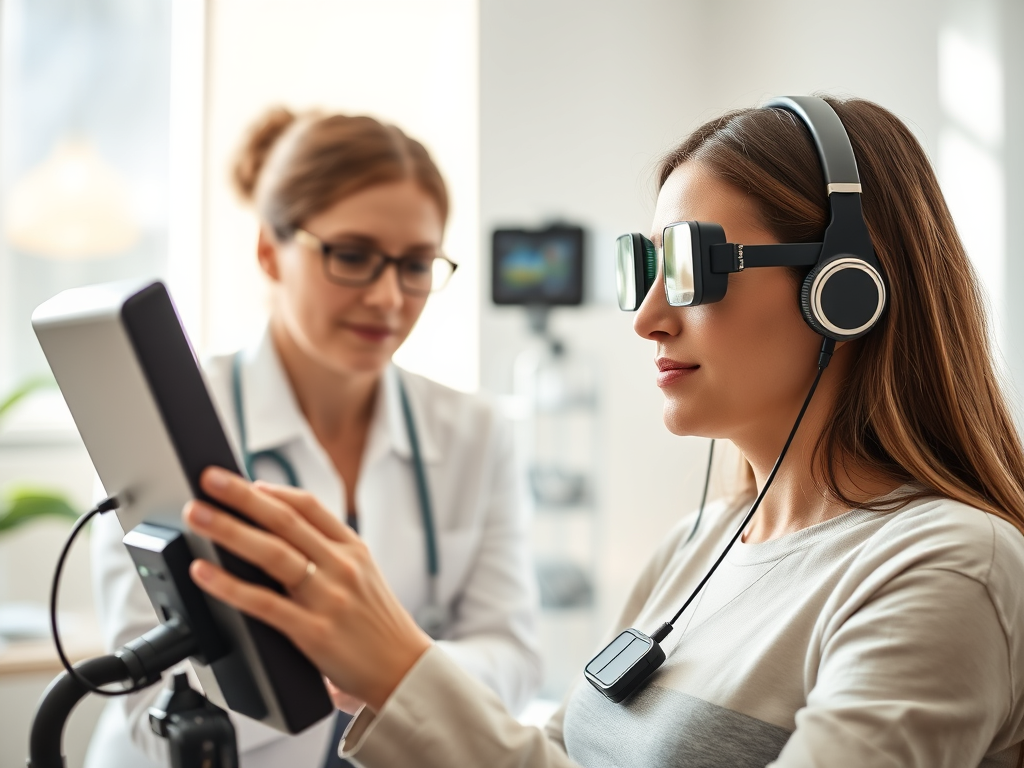
Biofeedback therapy is a technique that trains individuals to control certain bodily functions that are typically automatic, such as heart rate, blood pressure, muscle tension, and skin temperature. This is achieved by using electronic or electromechanical equipment to monitor and feed back information about these physiological functions.
During a biofeedback session, sensors attached to the skin send signals to a monitor, which displays a sound, light, or image that represents the bodily function being tracked. By observing this monitor, individuals can gain knowledge about their body’s internal processes and eventually learn to control them.
Biofeedback Therapy for Tinnitus
Biofeedback therapy has been explored as an intervention for various health conditions, including chronic pain, hypertension, anxiety, and more recently, tinnitus. The therapy’s fundamental premise is that by controlling bodily functions, individuals could potentially manage their perception of tinnitus, reducing its impact on their lives.
In the context of tinnitus, biofeedback therapy primarily focuses on reducing stress and muscle tension. It is well-documented that stress can exacerbate tinnitus symptoms, and muscle tension, particularly in the neck and jaw, has been linked to tinnitus as well. Therefore, the main goal is to teach individuals how to lower stress levels and relax specific muscle groups.

How Effective is Biofeedback Therapy for Tinnitus?
Research into the effectiveness of biofeedback therapy for tinnitus is still in its early stages. However, some studies have shown promising results. A review published in the American Journal of Audiology found that biofeedback therapy could provide a significant reduction in tinnitus distress. Participants in the study reported less annoyance and improved concentration after undergoing biofeedback therapy.
Another study published in the Journal of Psychosomatic Research found that biofeedback therapy could be as effective as cognitive-behavioral therapy (CBT), a widely accepted treatment for tinnitus. The participants who underwent biofeedback therapy reported a significant reduction in tinnitus severity and improved quality of life.
However, it’s important to note that biofeedback therapy might not work for everyone. The effectiveness of the treatment can vary based on several factors, including the individual’s overall health, the severity of their tinnitus, their motivation, and their ability to practice the techniques consistently.
Conclusion
Biofeedback therapy provides a promising, non-invasive approach to managing tinnitus. By enabling individuals to control certain physiological processes, it can help reduce stress and muscle tension, which are often linked to tinnitus. While more research is needed to fully understand its potential, preliminary studies hint at its efficacy. As always, individuals suffering from tinnitus should consult with a healthcare provider before starting any new treatment regimen.
Key Takeaways
- Biofeedback therapy can help reduce tinnitus symptoms by teaching you how to control your body’s stress responses.
- It focuses on calming the nervous system, which can play a big role in how you experience tinnitus.
- Sessions often use guided techniques to monitor and adjust things like heart rate, breathing, or muscle tension.
- You’ll learn how to manage your physical reactions, which can make tinnitus feel less overwhelming.
- This approach is non-invasive and focuses on building skills over time, putting you in control.
- Many people find it helps with both the sound and the emotional toll that tinnitus can take.
- It’s not a cure, but it can be part of a larger plan to feel better and manage symptoms.
- Working with a trained therapist is key to getting the most out of biofeedback.


Leave a comment