


Introduction
In today’s tech-saturated world, screen time has become an integral part of our lives. Whether it’s hours spent in front of a computer for work, leisurely browsing on a smartphone, or unwinding in front of the television, digital screens dominate a significant portion of our day. However, there is a growing concern about the potential health implications of excessive screen time, particularly its connection to tinnitus, a common yet distressing auditory issue. This article will explore the intriguing link between excessive screen time and the exacerbation of tinnitus symptoms.
Understanding Tinnitus
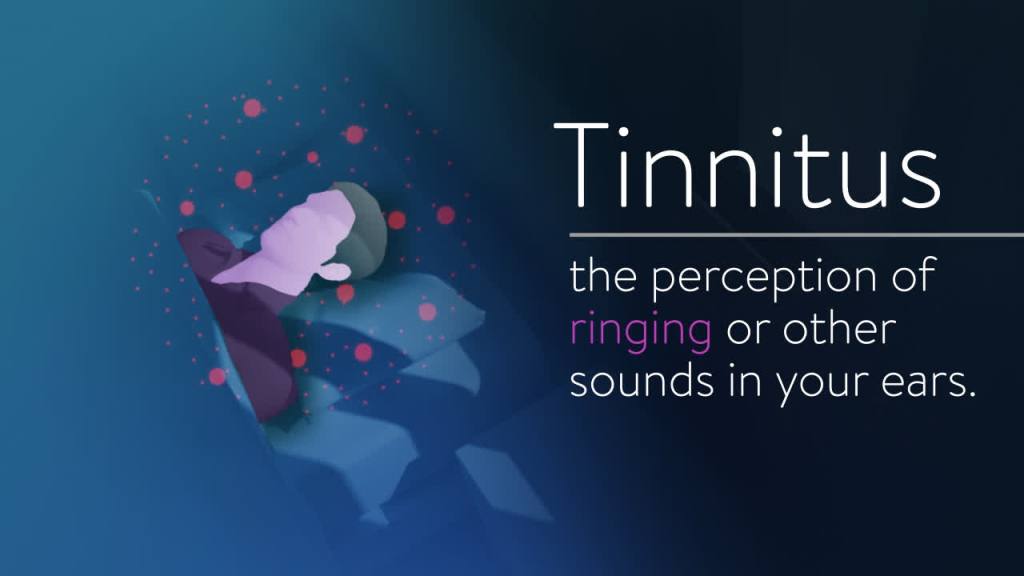
Tinnitus is a medical condition characterized by the perception of noise or ringing in the ears. This sound isn’t caused by an external source. Instead, it’s a symptom of an underlying condition, such as age-related hearing loss, ear injury, or a circulatory system disorder. For some people, tinnitus is a minor nuisance, but for others, it’s a debilitating condition that significantly impacts their quality of life.
The Screen Time-Tinnitus Connection
Research into the connection between screen time and tinnitus is still in its early stages, but preliminary findings suggest that excessive screen time could potentially worsen tinnitus symptoms. Here’s how:
- Auditory Strain: High volumes and prolonged use of earphones or headphones, common with extended screen time, can strain the auditory system and exacerbate tinnitus.
- Visual Strain: Prolonged screen time often leads to eye strain, which has been linked to increased perception of tinnitus. The connection between the visual and auditory systems, known as audiovisual integration, means that strain in one can impact the other.
- Stress and Anxiety: Excessive screen time, particularly on social media or news sites, can lead to increased stress and anxiety, both of which are known to amplify tinnitus symptoms.
- Poor Sleep: Overuse of screens, especially before bedtime, can interfere with healthy sleep patterns. Sleep deprivation or disturbance can worsen tinnitus symptoms.
Reducing the Impact of Screen Time on Tinnitus
Although the connection between screen time and tinnitus is complex and not fully understood, there are several strategies that individuals with tinnitus can employ to lessen potential negative effects.
- Limit Screen Time: Try to reduce the amount of time spent in front of screens each day. Setting screen time limits and taking regular breaks can help ease both visual and auditory strain.
- Control Volume Levels: When using earphones or headphones, keep the volume at a safe level to prevent auditory strain.
- Mindful Media Consumption: Be mindful of the content you consume. Avoid media that contribute to stress and anxiety, as these can worsen tinnitus symptoms.
- Prioritize Sleep: Establish a healthy sleep routine and avoid screens for at least an hour before bedtime to support good quality sleep.

Conclusion
While the research on the connection between screen time and tinnitus remains ongoing, it is evident that excessive screen time could pose potential risks to those with tinnitus. By being mindful of our digital habits, we can mitigate the potential negative impact on our auditory health, and foster a healthier relationship with our screens.
Key Takeaways
- Spending hours looking at screens can make tinnitus feel worse.
- The constant noise from phones, TVs, or computers can make it harder for your brain to tune out the ringing.
- Blue light from screens might affect your sleep, and poor sleep often makes tinnitus more noticeable.
- Stress and overstimulation from screen time can amplify the feeling of ringing in your ears.
- Taking breaks, lowering screen brightness, and setting limits on screen use can help.
- Try to create calming routines, especially before bed, to reduce stress and improve sleep quality.
- Listening to soothing sounds or using white noise can also make a difference.
- Pay attention to how your body reacts to screen time, and don’t hesitate to make small changes for relief.



Leave a comment