


Introduction
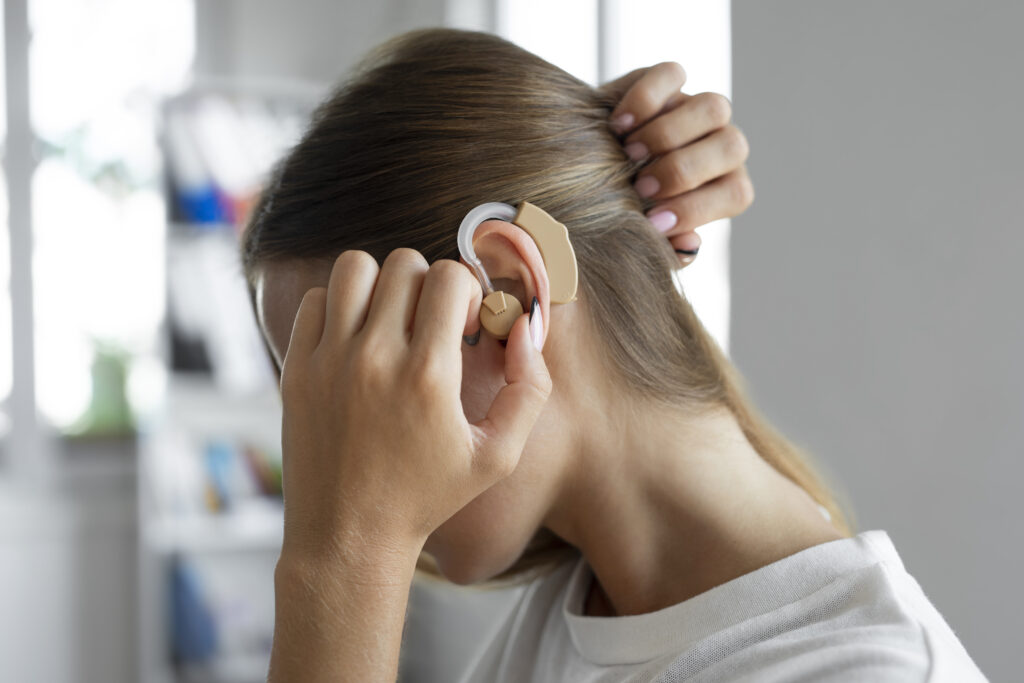
Hearing aids and tinnitus are two concepts that are often intertwined in the realm of audiology. While hearing aids are commonly used to amplify sound for those with hearing loss, they can also play a crucial role in managing tinnitus, a condition characterized by incessant ringing or buzzing in the ears. This article aims to shed light on the connection between hearing aids and tinnitus, and how these devices can help alleviate tinnitus symptoms.
Understanding Tinnitus
Tinnitus is a hearing condition that affects approximately 15-20 percent of the population. The symptoms of tinnitus can manifest as a variety of sounds, including hissing, ringing, clicking, buzzing, or roaring, and can be either continuous or intermittent. Tinnitus can be a debilitating condition that can interfere with an individual’s overall quality of life, affecting sleep, concentration, and emotional well-being.
Tinnitus is not a standalone disease but rather a symptom of an underlying health condition. It can be a side effect of age-related hearing loss, exposure to loud noise, ear infections, or certain medications. Despite the prevalence of tinnitus, there is currently no definitive cure, and treatments aim to manage symptoms and improve the quality of life for those affected.
The Role of Hearing Aids in Managing Tinnitus
Hearing aids are primarily designed to compensate for hearing loss by amplifying sounds, making it easier for individuals to communicate and engage with their environment. However, hearing aids can also be an effective tool for managing tinnitus. Here’s how:
- Amplification of External Sounds: Hearing aids can help reduce the perception of tinnitus by amplifying external sounds, making the internal noise less noticeable. This is especially beneficial for individuals with tinnitus who also have hearing loss.
- Masking: Some hearing aids come with a ‘masking’ feature that produces white noise or other soothing sounds to help distract the brain from the internal noise caused by tinnitus.
- Tinnitus Retraining Therapy (TRT): Some hearing aids can be used as part of a broader treatment approach known as Tinnitus Retraining Therapy. TRT combines the use of hearing aids with counseling and education to help individuals habituate to their tinnitus, essentially training the brain to ignore the unwanted sounds.
The Effectiveness of Hearing Aids in Alleviating Tinnitus Symptoms
Research indicates that hearing aids can be effective in reducing tinnitus symptoms. A study published in the Journal of the American Academy of Audiology found that 60 percent of people with tinnitus experienced at least some relief from their symptoms with hearing aids, while 22 percent reported significant relief.
Moreover, according to the American Tinnitus Association, amplification from hearing aids can be beneficial for 60 to 90 percent of people with tinnitus, particularly those with associated hearing loss.
Conclusion
While hearing aids are typically associated with hearing loss, they can also play a significant role in managing tinnitus. By amplifying external sounds, masking the internal noise, and aiding in Tinnitus Retraining Therapy, hearing aids can help reduce the perception of tinnitus and thereby improve the quality of life for those affected. As with any medical device, the effectiveness of hearing aids varies from person to person, highlighting the importance of personalized treatment plans under the guidance of a qualified healthcare professional.
Key Takeaways
- Hearing aids can help with tinnitus by amplifying external sounds, which makes internal ringing or buzzing less noticeable.
- Many hearing aids include a masking feature, using white noise or soothing tones to distract the brain from tinnitus sounds.
- They are often part of Tinnitus Retraining Therapy (TRT), which works with counseling to help the brain tune out unwanted noise.
- Tinnitus, affecting up to 20% of people, can range from mild to life-disrupting but is usually a symptom of another condition, like hearing loss or loud noise exposure.
- No cure exists, but hearing aids provide relief for most people, especially those with hearing loss.
- Studies show 60-90% of people with tinnitus benefit from hearing aids, with many reporting significant improvement.
- Effective treatment is personal, so working with a healthcare professional ensures the best results.
Common Questions About Hearing Aids and Tinnitus
Can hearing aids help with tinnitus?
Yes, many hearing aids include features specifically designed to help manage tinnitus. By amplifying external sounds, they can reduce the focus on tinnitus. Some models even have built-in sound therapy programs or white noise generators to provide relief.
Do all hearing aids come with tinnitus masking features?
Not all hearing aids include tinnitus-specific features. If managing tinnitus is a priority, make sure to choose a model that offers sound therapy or masking options. Talk to your audiologist about your needs to find the right fit.
Are hearing aids a permanent cure for tinnitus?
Hearing aids can be highly effective for managing tinnitus, but they don’t cure it. They work by improving hearing clarity and providing relief through sound therapy, which can lessen the impact of tinnitus over time.
How do hearing aids improve both tinnitus and hearing loss?
Hearing aids amplify sounds, making it easier to hear conversations and background noises. This added stimulation can help your brain focus on real sounds rather than the phantom sounds caused by tinnitus.
Do I need hearing loss to use hearing aids for tinnitus?
No, some hearing aids are designed for people with normal hearing who experience tinnitus. These models focus on sound masking or sound therapy rather than amplifying external noise.
Can tinnitus get worse without treatment?
For some people, tinnitus may stay the same over time. But for others, it can become more noticeable, especially without addressing hearing loss or managing stress. Using hearing aids and following a treatment plan can help prevent it from becoming more disruptive.
What sounds do hearing aids use for tinnitus masking?
They often use white noise, ocean waves, soft hissing, or other calming sounds. Many models let you customize these settings to find what works best for you.
Are there risks to wearing hearing aids if I have tinnitus?
Not usually. For most people, hearing aids are safe and effective. However, poorly fitted hearing aids or improper settings could amplify noise in a way that feels uncomfortable. Always work with an audiologist to ensure the best results.
How long does it take to see results with hearing aids?
Every person is different, but many people notice some relief within days or weeks of consistent use. It may take time for your brain to adjust to the amplified sounds. Be patient and follow up with your provider if needed.
Are hearing aids the only treatment for tinnitus?
No, they’re just one option. Other treatments include sound therapy, counseling, lifestyle changes, medications, and cognitive behavioral therapy (CBT). A combination of approaches often works best.
Do hearing aids for tinnitus work at night while sleeping?
Most people don’t wear hearing aids while sleeping, but other tools like sound machines or tinnitus maskers can help. Ask your audiologist about additional nighttime solutions if tinnitus disrupts your sleep.
How much do hearing aids with tinnitus features cost?
Hearing aids with tinnitus features can vary widely in price, usually ranging from $1,000 to $5,000 per device. The cost depends on the technology, brand, and additional features. Some insurance plans may cover part of the expense, so check your coverage.
Can tinnitus improve without hearing aids?
Yes, depending on the cause, tinnitus can sometimes improve through other treatments like managing stress, improving sleep habits, or addressing underlying health conditions. Hearing aids, however, are a proven tool for many people dealing with both tinnitus and hearing loss.
Should I see a specialist before getting hearing aids for tinnitus?
Yes, always consult an audiologist or ENT specialist. They can perform a full evaluation to ensure the devices are tailored to your hearing and tinnitus needs.
What should I do if my hearing aids don’t seem to help?
If you’re not seeing improvement, follow up with your audiologist. Adjustments to the settings, additional therapy options, or even trying a different device might make all the difference.
Hearing aids can make a real difference if you’re dealing with tinnitus. They help by improving your hearing, reducing stress, and enhancing your quality of life. If this has been a struggle for you, consider reaching out to a hearing specialist. You deserve solutions that work for you.


Leave a comment