


Vitamins and supplements are a popular suggestion, but what’s worth trying for tinnitus? Here, we’ll take a look at the possibilities and share what you need to know before taking that next step. Relief won’t happen overnight, but finding the right tools could make a real difference.

Understanding Tinnitus
Tinnitus is not a disease in itself but a symptom of an underlying condition. It may be temporary or persistent, and while often associated with hearing loss, it can also be triggered by stress, exposure to loud noise, or certain medical disorders. The phantom noise can vary in pitch from a low roar to a high squeal, and may be heard in one or both ears.
Vitamins and Supplements for Tinnitus
In recent years, the use of vitamins and supplements for managing tinnitus symptoms has gained considerable attention. While most of these substances are not designed to directly cure tinnitus, they may provide some relief by addressing underlying conditions or improving overall health.
- Vitamin B12: Deficiency in Vitamin B12 has been linked to several neurological issues, including tinnitus. Some studies suggest that supplementing with B12 may alleviate tinnitus symptoms in individuals with a deficiency.
- Zinc: Zinc plays an essential role in the body, including maintaining the health of the inner ear. Some research indicates that zinc deficiency may contribute to tinnitus in some individuals, and supplementing with zinc could potentially alleviate symptoms.
- Ginkgo Biloba: This herbal supplement is often promoted for tinnitus relief. Its active ingredients are thought to improve blood flow and protect against cell damage, potentially reducing tinnitus symptoms. However, evidence supporting its effectiveness is mixed.
- Magnesium: A deficiency in magnesium, an essential mineral that aids in nerve function, can lead to tinnitus. Some studies suggest that magnesium supplements may help reduce the severity of tinnitus symptoms.
- Lipoflavonoid: This supplement, which contains a mix of vitamins and minerals, is often marketed specifically for tinnitus. While some users report relief, scientific evidence to support its effectiveness is currently limited.
The Evidence and What Experts Say
Although there are numerous anecdotes and some research to suggest that vitamins and supplements may help with tinnitus, the scientific evidence is mixed. While some studies show a potential benefit, others find no effect. For instance, a 2013 Cochrane review of studies on Ginkgo Biloba for tinnitus found insufficient evidence to conclude that it is beneficial.
It’s worth noting that the effectiveness of vitamins and supplements for tinnitus likely depends on the individual. If tinnitus is caused or worsened by a deficiency in a particular vitamin or mineral, supplementing with that nutrient may help. However, if tinnitus is due to another underlying cause, vitamins and supplements might not provide significant relief.
Conclusion
In summary, while vitamins and supplements may offer some potential for managing tinnitus symptoms, they are not a definitive cure. The effectiveness of these substances largely depends on the individual’s specific condition and nutritional needs. Therefore, if you are considering vitamins and supplements for tinnitus, it’s essential to first consult with a healthcare professional. They can help identify any deficiencies or underlying conditions and guide you toward the most effective treatment strategy. It’s also crucial to remember that these supplements should be used as part of a comprehensive health plan and not as a standalone treatment for tinnitus.
Key Takeaways
- Some vitamins and supplements might help ease tinnitus symptoms.
- Magnesium can support nerve health and may improve inner ear function.
- Zinc is linked to better hearing health and could reduce tinnitus for some.
- Vitamin B12 deficiency is common in people with tinnitus. Supplementing may help.
- Ginkgo biloba might improve blood flow to the ear, which could reduce symptoms.
- Vitamin D supports overall ear health and immune function.
- Talk to a doctor before starting new supplements to avoid interactions or side effects.
- Supplements work best when paired with a healthy lifestyle and proper medical care.
Frequently Asked Questions About Vitamins and Supplements for Tinnitus
What is tinnitus, and why do people consider supplements for managing it?
Tinnitus is the perception of sound, like ringing, buzzing, or hissing, without an external source. It’s often linked to hearing loss, ear injuries, or other health issues. Since there’s no universal cure, some people try vitamins and supplements to reduce symptoms or improve their overall ear health.
Can supplements cure tinnitus?
No, supplements can’t cure tinnitus. They may help manage symptoms for some individuals, but results vary. If your tinnitus is severe or worsening, it’s best to consult a healthcare provider for personalized advice.
Which vitamins are commonly associated with tinnitus relief?
Some vitamins that people explore for potential tinnitus relief include:
- Vitamin B12: Low B12 levels are sometimes linked to tinnitus, so supplementation could help if you’re deficient.
- Vitamin D: Deficiency in vitamin D might contribute to tinnitus in some cases.
- Folate (Vitamin B9): Important for overall ear health and circulation.
Keep in mind, these only help if a deficiency is causing or worsening symptoms.
Are there supplements specifically marketed for tinnitus?
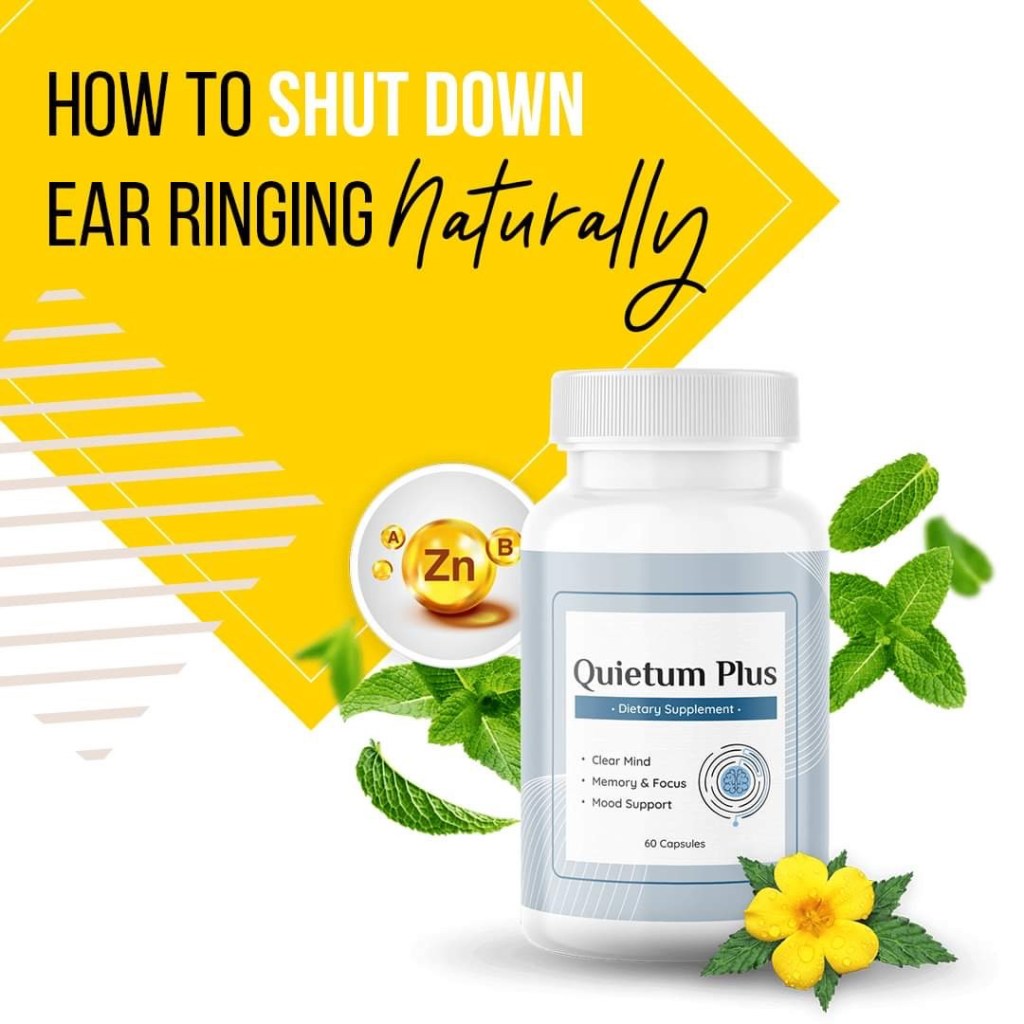
Yes, you’ll find many supplements claiming to target tinnitus, often combining ingredients like ginkgo biloba, zinc, magnesium, and B vitamins. However, scientific evidence supporting their effectiveness is limited. Read labels carefully, and always research claims before use.
Is ginkgo biloba effective for tinnitus?
Ginkgo biloba is often promoted as a tinnitus treatment due to its potential to improve blood flow to the ears. Some studies suggest a mild benefit, but many others show no significant impact. It’s safe for most people but always check with your doctor, especially if you’re on blood thinners or other medications.
How does magnesium help with tinnitus?
Magnesium is thought to improve blood flow and protect against damage to the inner ear, which could support ear health. While it won’t eliminate tinnitus, it may ease symptoms for some individuals, especially if you have a magnesium deficiency.
Does zinc play a role in reducing tinnitus symptoms?
Zinc supports immune health and cellular repair, which could benefit the ears. Some small studies suggest a potential connection between zinc levels and tinnitus improvement, but more research is needed. If you suspect low zinc levels, talk to a healthcare professional before taking supplements.
Are there risks to using supplements for tinnitus?
Yes, supplements can have side effects or interact with medications. For example:
- Ginkgo biloba may thin the blood.
- Excessive zinc can cause nausea or weaken your immune system.
- Too much vitamin D or magnesium can lead to other health issues.
Always follow dosage guidelines and consult a doctor before starting new supplements.
How should I choose a tinnitus supplement?
Look for supplements from reputable brands with clear labeling and third-party testing. Avoid products that promise a “cure” or make exaggerated claims. It’s also helpful to research the individual ingredients and their potential benefits.
Should I take a supplement if I don’t have a deficiency?
If you don’t have a proven deficiency or specific reason to take a supplement, it’s unlikely to help with tinnitus. In some cases, excessive supplementation can cause more harm than good. Speak with a healthcare provider to confirm whether supplements are appropriate for you.
Can a healthy diet reduce tinnitus symptoms?
A balanced diet rich in nutrients like magnesium, zinc, and B vitamins may support ear health and reduce the risk of worsening tinnitus. While not a direct cure, eating whole foods with plenty of fruits, vegetables, and lean proteins can contribute to overall well-being.
Are there alternatives to supplements for managing tinnitus?
Yes, many non-supplement options can help manage tinnitus, including:
- Sound therapy: Using white noise or other sounds to mask tinnitus.
- Cognitive behavioral therapy (CBT): Helps reduce stress and change how you perceive tinnitus.
- Hearing aids: Especially helpful if hearing loss is involved.
- Lifestyle changes: Reducing caffeine, alcohol, and stress may improve symptoms.
Talk to an audiologist or healthcare provider to explore all available options.
When should I talk to a doctor about tinnitus?
You should see a doctor if your tinnitus:
- Starts suddenly.
- Is accompanied by dizziness, hearing loss, or ear pain.
- Affects your ability to concentrate or sleep.
A doctor can rule out underlying conditions and help you find the best management strategies.
Managing tinnitus can feel overwhelming, but small steps like improving your vitamin and supplement intake might offer relief. Whether it’s magnesium, zinc, or B vitamins, the right nutrients can support overall ear health. Remember, you’re not alone in this journey, and there’s always something new to try. Take that first step toward feeling better today.


Leave a comment