


If you’re battling both neck pain and tinnitus, you’ve probably questioned if the two are connected. The answer? They might be. Problems with the cervical spine can affect nerves and muscles that could trigger or worsen tinnitus. Understanding this connection can help you find better ways to manage both. Let’s break it down together, step by step.
Introduction
Tinnitus, a health condition where people perceive sounds that do not have an external source, is often associated with ear troubles. However, recent studies have established a potential connection between tinnitus and the cervical spine. This article aims to provide a comprehensive examination of this relatively less-known aspect of tinnitus known as cervical spine tinnitus.
Understanding Cervical Spine Tinnitus
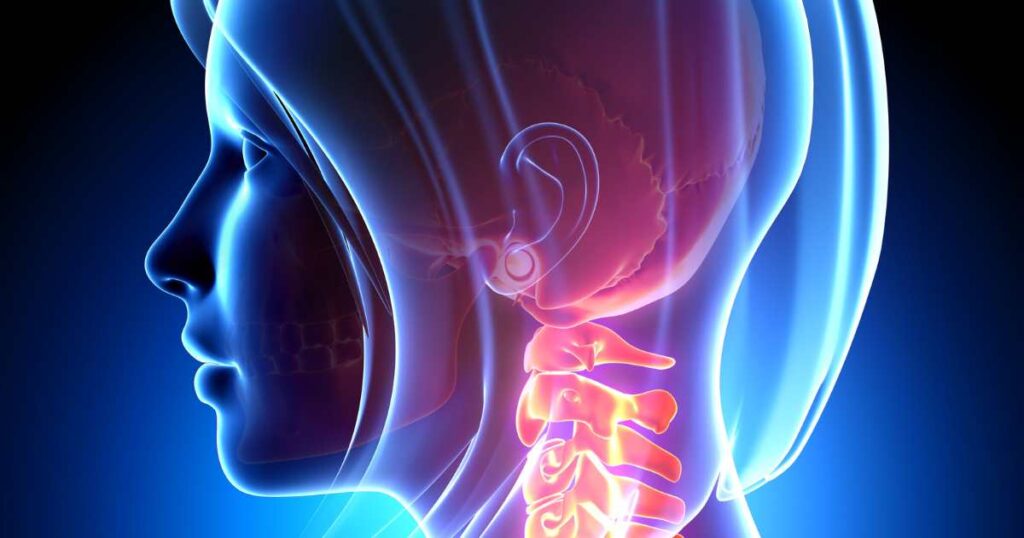
Cervical spine tinnitus is a form of tinnitus that originates from issues in the cervical spine, the section of the spine that runs through the neck. This form of tinnitus is also often referred to as ‘somatosensory tinnitus’ or ‘somatic tinnitus.’ The term somatosensory implies that the origin of the sound perception lies in the body (somato) and the sensory system.
The Connection Between Cervical Spine and Tinnitus
The cervical spine and auditory system are intricately connected through a network of nerves. Any dysfunction or damage in the neck region can potentially lead to a chain of events that may result in tinnitus. This is primarily because the cervical spine contains the uppermost part of the spinal cord, responsible for transmitting nerve impulses from various body parts to the brain.
If there is any disturbance or injury in the cervical spine, it can affect these nerve pathways and potentially disrupt the auditory nerve function. This disruption can lead to the perception of phantom sounds, the primary symptom of tinnitus.
Symptoms of Cervical Spine Tinnitus
Cervical spine tinnitus can present itself in various ways. The most common symptom is a ringing, buzzing, or humming sound in the ears. Other symptoms may include neck pain or stiffness, discomfort while moving the neck, and in some cases, vertigo or dizziness.
It is important to note that these symptoms can also be associated with other medical conditions. Therefore, it’s crucial to consult a healthcare professional for an accurate diagnosis.
Diagnosis and Treatment
Diagnosing cervical spine tinnitus involves a thorough medical examination, including a detailed history of the patient’s symptoms, physical examination, and possibly imaging studies like X-rays or MRIs. This allows the healthcare provider to assess any anatomical abnormality or pathology that may be causing the tinnitus.
Treatment for cervical spine tinnitus aims to address the underlying issues in the cervical spine. This could involve physical therapy, chiropractic manipulations, or in severe cases, surgical intervention. In addition, therapies to manage tinnitus symptoms, such as sound therapy, cognitive-behavioral therapy (CBT), and Tinnitus Retraining Therapy (TRT), may also be recommended.
Conclusion
Cervical spine tinnitus is a complex condition that intertwines the auditory system and the cervical spine. While it is less widely known than other forms of tinnitus, understanding the connection can open up new avenues for treatment. However, given the complexity of the cervical spine and auditory system, it is essential to approach this condition with a comprehensive treatment plan under the guidance of a healthcare provider.
With the growing body of research in this area, it is hoped that more effective treatments for cervical spine tinnitus will be developed in the future, providing relief for those suffering from this debilitating condition.

Frequently Asked Questions About Cervical Spine Tinnitus
What is cervical spine tinnitus?
Cervical spine tinnitus refers to a type of tinnitus linked to issues in the cervical spine, which is the part of your spine in the neck area. People experience it as phantom soundslike ringing, buzzing, or hissing—without an external source. It’s sometimes called somatic or somatosensory tinnitus because it’s connected to signals coming from the body, specifically the neck region.
How does the cervical spine cause tinnitus?
The nerves in the cervical spine and auditory system are connected. If there’s an injury, misalignment, or tension in your neck, it can disrupt these nerve pathways. This disruption might interfere with your auditory system, leading to tinnitus. Think of it like a crossed wire sending the wrong signals to your brain.
What are the symptoms of cervical spine tinnitus?
The most obvious symptom is hearing sounds—like ringing or buzzing—that aren’t actually there. Other signs include:
- Neck pain or stiffness
- Discomfort when turning or moving your head
- Sometimes dizziness or vertigo
Because these symptoms overlap with other conditions, it’s essential to get a proper medical evaluation.
How is cervical spine tinnitus diagnosed?
A doctor will take a detailed look at your symptoms and medical history. They’ll likely perform a physical exam and may order imaging tests, like X-rays or MRIs, to check for neck issues. It’s not an instant diagnosis—it requires ruling out other causes and closely examining the connection between your neck and tinnitus.
Can cervical spine tinnitus be treated?
Yes, though treatments depend on the underlying problem. Addressing the root cause in the neck usually helps. Options might include:
- Physical therapy for improving mobility and reducing tension in your cervical spine
- Chiropractic care or manual adjustments (in appropriate cases)
- Pain management techniques for chronic neck issues
- Tinnitus-specific therapies like sound therapy, cognitive-behavioral therapy (CBT), or Tinnitus Retraining Therapy (TRT)
In some cases, where damage or abnormalities are severe, surgical intervention might be considered, but it’s rarely the first step.
Will cervical spine tinnitus go away on its own?
It’s possible, but it depends on what’s causing it. If your tinnitus stems from a temporary neck problem, like muscle tension, it may resolve once that issue is addressed. Chronic conditions in the cervical spine are more likely to require focused treatment.
Can stress make cervical spine tinnitus worse?
Absolutely. Stress tends to tighten muscles, especially in your neck and shoulders. This can exacerbate cervical spine issues and, in turn, worsen your tinnitus. Managing stress can play a big role in improving your symptoms.
Is cervical spine tinnitus common?
It’s less commonly discussed than other types of tinnitus, but research shows it’s not rare. Many people with neck injuries or disorders report tinnitus symptoms, suggesting a stronger connection than is widely recognized.
Should I see a specialist if I suspect cervical spine tinnitus?
Yes, if you’re experiencing neck pain alongside tinnitus, or if your tinnitus changes when you move your neck or jaw, seeing a healthcare provider is a good idea. You might start with your primary care doctor, who could refer you to an audiologist, physical therapist, or neck specialist depending on your symptoms.
What can I do at home to help with cervical spine tinnitus?
There are a few steps you can try:
- Stretching and posture: Gentle neck stretches or improving your posture can ease neck tension.
- Stress management: Techniques like meditation, yoga, or deep breathing can reduce muscle tightness and help you feel better overall.
- Hydration and activity: Staying hydrated and keeping active can support overall spinal health.
However, always consult a healthcare provider before starting any new exercises or routines.
Is cervical spine tinnitus permanent?
It doesn’t have to be. Some people find relief with targeted treatments, rehabilitation, or lifestyle changes. But every case is different, so working with a healthcare professional is crucial to finding the right path forward.
Can tinnitus caused by the cervical spine lead to hearing loss?
Not directly. Tinnitus itself doesn’t cause hearing loss, but if it’s linked to nerve or spine damage, there could be overlapping issues affecting your auditory system. This is why a thorough diagnosis is so important.
Are there any warning signs I should watch for?
You should see a doctor right away if you experience:
- Sudden or severe neck pain
- A new or worsening tinnitus sensation
- Significant balance problems or unexplained dizziness
- Weakness, numbness, or tingling in your arms or hands
These could point to more serious cervical spine issues that need immediate attention.
Can lifestyle changes help prevent cervical spine tinnitus?
Definitely. Maintaining good posture, staying physically active, sleeping in neck-friendly positions, and reducing stress can all help protect your cervical spine and possibly lower your risk of developing tinnitus linked to it.
What’s next if treatments don’t work?
If you’ve tried various treatments and still struggle, don’t lose hope. There may be other therapies worth exploring, or you might benefit from a combination of approaches. Keep communicating with your healthcare team they’re there to support you.


Leave a comment