


Imagine training for hours, pushing your limits, only to be distracted by a sound no one else can hear. For many athletes, tinnitus is just that a frustrating, invisible hurdle. Whether it’s noise exposure from loud arenas or the stress of competition, tinnitus can sneak into your routine and throw you off balance. But here’s the good news: there are tools and strategies to regain control. Let’s tackle this together.
Understanding Tinnitus
To grasp the connection between athletes and tinnitus, it’s essential to understand what tinnitus entails. Tinnitus is not a disease but a symptom indicating damage to the auditory system. It can be perceived in one or both ears or in the head and is often described as a ringing, buzzing, humming, or hissing sound. These phantom noises can be temporary or chronic, occasional or continuous, varying in volume and intensity.
Tinnitus and Athletes: The Connection
Several factors contribute to the increased risk of tinnitus in athletes, including exposure to loud noise, physical strain, and head injuries.
- Noise Exposure: Athletes, particularly those involved in high-noise sports like motorsports, shooting, or team sports in large, noisy arenas, are often exposed to high decibel noise levels. This extended exposure can damage the sensitive structures in the ear, leading to tinnitus.
- Physical Strain: The intense physical exertion related to athletic performance can sometimes lead to increased blood pressure. This increase can cause turbulence in blood flow, perceived as pulsatile tinnitus.
- Head Injuries: Sports like boxing, football, or hockey, where the risk of head injury is substantial, can often lead to tinnitus. Trauma to the head or neck can result in damage to the auditory system, leading to the onset of tinnitus.
Managing Tinnitus in Athletes
Tinnitus can significantly impact an athlete’s performance and quality of life, making it crucial to manage effectively. There’s currently no cure for tinnitus, but several strategies can help manage the symptoms.
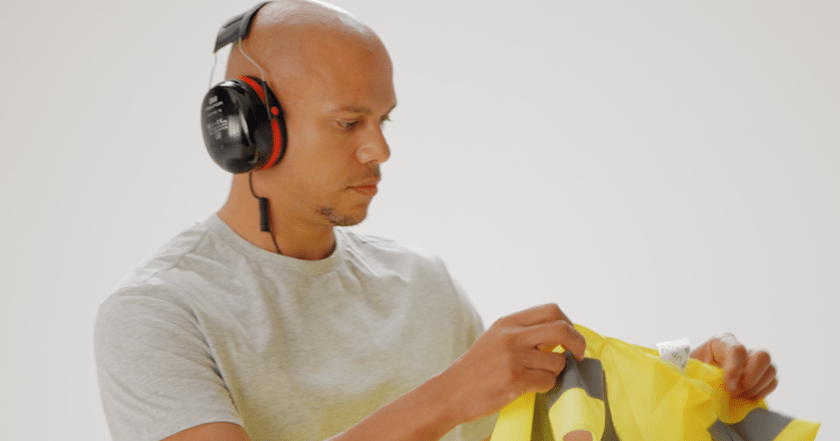
- Noise Protection: Athletes should use hearing protection during training and competition, particularly in high-noise sports. Custom-made earplugs can reduce noise exposure while still allowing athletes to communicate effectively.
- Regular Hearing Check-ups: Routine hearing assessments can help detect early signs of tinnitus and other hearing issues. Prompt detection can lead to early intervention, potentially slowing the progression of the condition.
- Stress Management: Stress and fatigue can exacerbate tinnitus. Athletes should incorporate relaxation techniques into their training routines, such as mindfulness, yoga, or meditation.
- Sound Therapy: This incorporates ambient sounds or white noise to distract from or mask the tinnitus. Sound therapy can be particularly beneficial for athletes who struggle with tinnitus-related sleep disruptions.
Conclusion
Tinnitus can pose a significant challenge for athletes, impacting their performance and wellbeing. However, with growing awareness and proactive management strategies, athletes can continue to excel in their respective sports while managing their auditory health. More research is needed to fully understand the connection between sports and tinnitus, but it’s clear that this is an important aspect of athlete health that warrants attention. Through continued exploration and awareness, athletes, coaches, and medical professionals can work together to better understand, prevent, and manage tinnitus in the world of sports.

FAQ: Athletes and Tinnitus
What causes tinnitus in athletes?
Tinnitus in athletes often stems from prolonged exposure to loud noise, repeated head injuries, or even stress on the body during intense physical activity. For those in high-contact sports, concussions can damage the inner or middle ear, triggering tinnitus. Noise-induced hearing loss, common in loud arenas or during events, is another significant factor.
Can exercise make tinnitus worse?
Yes, certain types of exercise, like heavy weightlifting or high-impact aerobics, may worsen tinnitus. This is due to pressure changes in the inner ear or increased intracranial pressure. If you notice symptoms after working out, consider switching to lower-impact activities like swimming or yoga.
How does tinnitus affect athletic performance?
Tinnitus can be more than just a distraction. It impacts focus, disrupts sleep, and can even interfere with mental health, leaving athletes less equipped to perform at their best. Concentration is key in competitive settings, and persistent ringing in the ears can take its toll.
Is tinnitus more common in contact sports?
Yes, athletes in contact sports like football, boxing, or hockey are at a higher risk. Head injuries and repeated concussions often seen in these sports are strongly linked to hearing damage and tinnitus.
Can wearing hearing protection help athletes?
Yes. Options like noise-reducing earplugs or custom gear can protect your ears while still letting you stay aware of your surroundings. This is especially important for those in noisy environments, like stadiums or races.
Are there famous athletes with tinnitus?
Absolutely. Athletes like Teemu Selänne (NHL player) and Chris Martin (Ironman triathlete) have shared their struggles with tinnitus. They learned to manage the condition without letting it stop them from excelling in their sports.
Could my tinnitus be caused by a specific injury?
Possibly. Tinnitus can result from direct trauma to the head, neck, or ear. Damage to the ear canal, ruptured eardrum, or even whiplash injuries are often culprits. If you’ve experienced a recent injury, consult a healthcare professional.
Does tinnitus ever go away on its own?
Tinnitus can sometimes be temporary, especially if it’s caused by short-term exposure to noise or stress. However, if symptoms persist for weeks or worsen, it’s important to get evaluated by a specialist.
What’s the best way to manage tinnitus during sports?
Managing tinnitus often comes down to preparation. Make sure to use hearing protection if you’re around loud noises. Stay hydrated, get enough rest, and incorporate stress-relieving activities like mindfulness or deep breathing to help maintain focus and reduce the perception of tinnitus.
Should I stop playing sports if I have tinnitus?
Not necessarily. Many athletes continue competing after learning to manage their tinnitus. It helps to monitor your symptoms, avoid loud environments when possible, and seek a treatment plan tailored to your needs. Always listen to your body and consult a professional if symptoms worsen.
If tinnitus is part of your life as an athlete, know there’s hope. Taking proactive steps like prioritizing rest, protecting your ears, and seeking expert guidance can make a difference. Your dedication to your health and sport will help you overcome challenges and keep thriving.



Leave a comment