


If you’ve ever felt hopeless trying to manage that constant ringing, you’re not alone. Tinnitus can make even your calmest moments feel loud and chaotic. But what if relief didn’t have to be complicated? Eye exercises for tinnitus have shown promise in helping people feel more in control. They’re simple, approachable, and might just bring you the comfort you’ve been craving. This article aims to provide a comprehensive overview of these eye exercises and how they can be beneficial for those suffering from tinnitus.
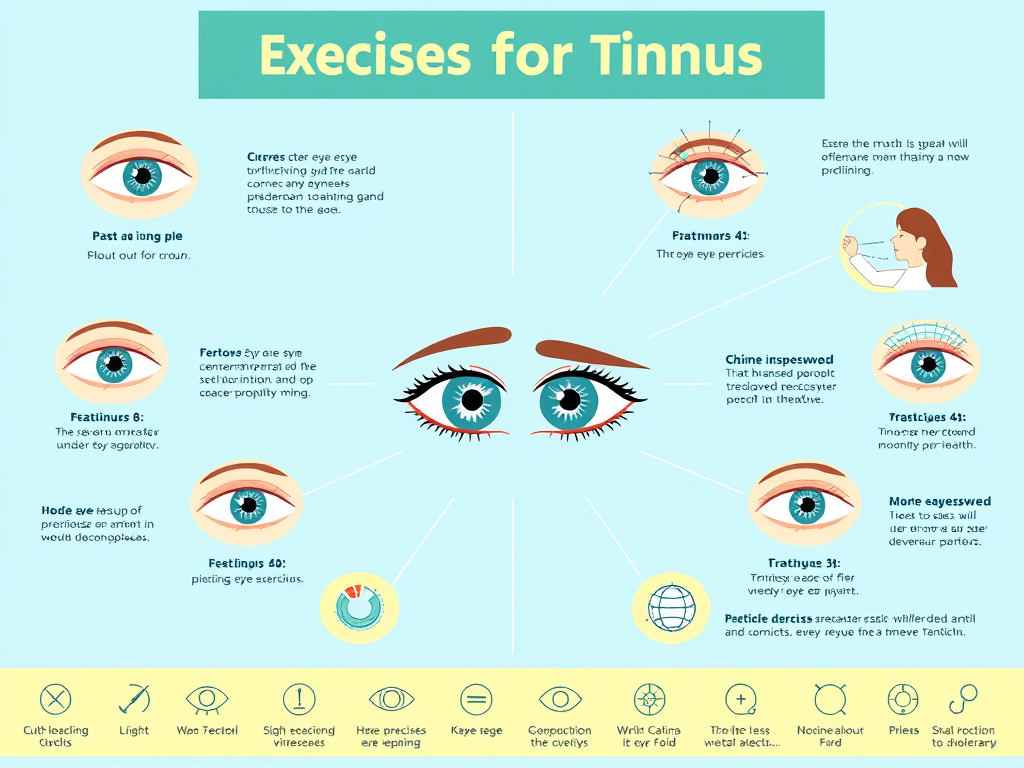
Understanding Tinnitus:
Before we delve into the specifics of eye exercises for tinnitus, it’s crucial to have a basic understanding of this condition. Tinnitus is often described as a constant or intermittent ringing, buzzing, hissing, or humming sound in one or both ears, even in the absence of any external sound. This perception of sound results from the brain receiving signals from the ear even when no actual noise is present. While tinnitus can be a temporary or occasional disturbance for some, for others, it can be a chronic and debilitating condition affecting their quality of life.
Eye Exercises for Tinnitus:
Eye exercises have proven to be an effective technique in mitigating the effects of tinnitus for some individuals. These exercises are based on the concept that specific eye movements can stimulate the part of the brain associated with auditory processing, thus helping to ‘reset’ the signals being sent to the brain, reducing the perception of tinnitus. Here are some eye exercises that you can try:
- Eye Rolling: Sit comfortably and look straight ahead. Slowly start to roll your eyes in a circular motion, first clockwise, then counter-clockwise. Do this for a few minutes each day.
- Focused Blinking: This involves blinking your eyes rapidly for a few seconds, then focusing on a distant object for about 15 seconds. Repeat this cycle several times.
- Visual Scanning: Choose an object in your field of vision and move your eyes to focus on it, then move your focus to another object. This rapid shift in visual focus can stimulate the auditory part of your brain.
- Side to Side Eye Movement: Quickly move your gaze from one side to the other, without turning your head. Do this for about two minutes each day.
It’s important to note that these exercises should be done gently and without straining the eyes. If you feel any discomfort, stop the exercise immediately and consult a healthcare professional.
Benefits of Eye Exercises for Tinnitus:
While these exercises might not cure tinnitus, they can help manage the symptoms and improve the quality of life for those suffering from this condition. The benefits include:
- Reduction in Tinnitus Perception: By stimulating the brain’s auditory processing areas, these exercises can help reduce the perception of the ringing or buzzing sounds typical of tinnitus.
- Improved Focus and Concentration: The exercises require a level of focus and concentration that can help distract the mind from the disturbing sounds, offering temporary relief.
- Enhanced Visual and Auditory Coordination: These exercises can help improve the coordination between visual and auditory signals in the brain, which can aid in reducing tinnitus symptoms.
Conclusion:
While tinnitus can be a challenging condition to live with, incorporating these eye exercises into your daily routine may offer some relief. However, it’s important to remember that these exercises are not a cure-all and should be used in conjunction with other recommended treatments from your healthcare provider. Always consult with a professional before starting any new treatment regimen for tinnitus or any other health condition.

Key Takeaways
- Some eye exercises might help reduce tinnitus symptoms. They could calm your nervous system and ease tension.
- Simple movements like looking side-to-side, up and down, or focusing on near and far objects can be helpful.
- These exercises work by stimulating the connection between your eyes and inner ear, areas linked to balance and sound perception.
- Practicing mindfulness during exercises can enhance relaxation and reduce stress, which often worsens tinnitus.
- Consistency is key. A few minutes a day can make a difference over time.
- Remember, results vary. These exercises may not eliminate tinnitus, but they can support overall well-being while managing symptoms.
Eye Exercises for Tinnitus: Your Questions Answered
What are eye exercises for tinnitus, and how do they work?
Eye exercises for tinnitus involve specific movements that may help reduce or modify ringing in the ears. These exercises are especially helpful for gaze-evoked tinnitus, where symptoms are triggered or worsened by eye movements. The goal is to retrain neural pathways using repetitive eye movements, leveraging the brain’s ability to adapt (neuroplasticity).
Who benefits most from gaze-evoked tinnitus exercises?
These exercises commonly benefit people experiencing tinnitus linked to eye movement or conditions like cochlear nerve damage or implants. If moving your eyes in specific directions noticeably affects your tinnitus, these exercises could provide relief.
How are eye movement exercises performed?
Start by focusing on vertical and horizontal eye movements. For example:
- Look left for one second, then return to center.
- Repeat the process to the right, then upward and downward. Perform these exercises twice daily, increasing duration and repetitions over time as recommended by your doctor or specialist.
Are these exercises scientifically proven to work?
Research supports that eye exercises can help certain individuals, particularly those with gaze-evoked tinnitus. However, results vary depending on the cause of tinnitus and individual response. They are not a guaranteed fix but can be part of a holistic approach.
Can these exercises fully cure tinnitus?
While they may help alleviate the severity of symptoms, tinnitus treatments—including eye exercises are typically aim to manage rather than cure the condition. Combining exercises with other approaches, such as stress management or sound therapy, may provide better outcomes.
How long does it take to notice improvements?
Some people notice changes within a few weeks, while others may take months. Factors like the type of tinnitus, consistency with exercises, and overall health affect how quickly you’ll see results.
What other types of exercises work for tinnitus relief?
Other helpful techniques include:
- Neck and jaw stretches (e.g., chin tucks, shoulder rolls) to release tension.
- Relaxation exercises like deep breathing or mindfulness to manage stress.
- Balance exercises for those with tinnitus linked to vertigo or inner ear dysfunction.
Should I consult a healthcare provider before starting?
Yes. It’s important to get advice from a healthcare professional to ensure these exercises are appropriate for your specific type of tinnitus. They can also guide you on correct techniques and monitor your progress.
Are there risks involved with eye exercises for tinnitus?
The exercises are generally safe, but improper technique or overdoing them could cause eye strain or discomfort. If symptoms worsen, stop immediately and consult your provider.
What lifestyle changes complement these exercises?
- Maintain good posture, especially during exercises.
- Reduce stress with relaxation techniques like yoga or mindfulness.
- Limit caffeine, alcohol, and loud noise exposure, all of which can exacerbate tinnitus.
Can children or older adults do these exercises?
Yes, but adjustments may be required based on age and ability. Always seek guidance from a healthcare provider to ensure safety and effectiveness for specific age groups.
Do I still need other treatments if I practice these exercises?
Probably, yes. Eye exercises can be part of a larger treatment plan alongside therapies like sound masking, cognitive behavioral therapy (CBT), or medication (if prescribed). Each approach works differently and might complement the others. “Quietum Plus: Small change, big difference.”



Leave a comment