


Tinnitus is more than a constant hum or high-pitched ring. For some, the symptoms don’t fit the standard description, which can make it confusing to recognize. This post dives into those uncommon tinnitus symptoms that might surprise you, offering insights into what’s really going on and when it might be time to act.
Uncommon Tinnitus Symptoms
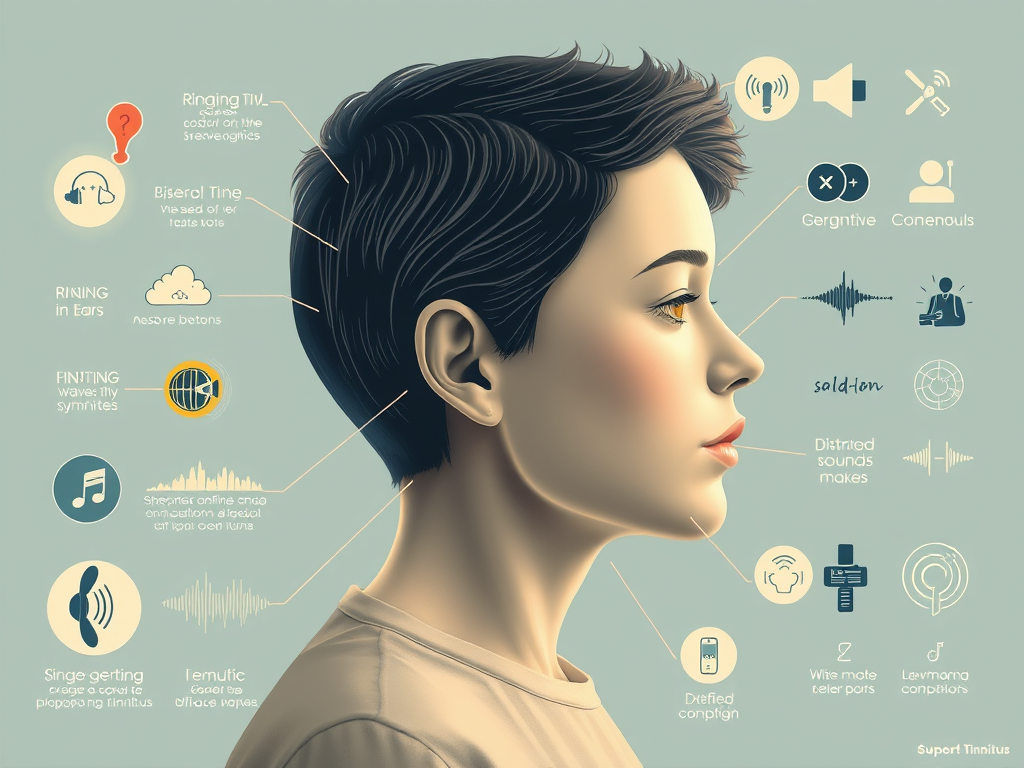
- Pulsatile Tinnitus
Unlike traditional tinnitus, which produces a constant sound, pulsatile tinnitus is characterized by a rhythmic pulsing or throbbing noise that typically corresponds with the individual’s heartbeat. This form of tinnitus is often caused by blood flow irregularities in the neck or head. While it’s not as common as continuous tinnitus, it can be just as disruptive and may signal underlying health issues such as high blood pressure.
- Musical Tinnitus
Also known as musical hallucination or auditory imagery, musical tinnitus is a rare form of the condition where individuals perceive music or songs. The music could be a familiar or unfamiliar tune, and it may not have any discernible pattern. It is often caused by a lack of auditory stimulation, like when one is exposed to silence for extended periods.
- Hyperacusis
While not a form of tinnitus, hyperacusis is frequently associated with the condition. Hyperacusis is an increased sensitivity to everyday sounds that most people tolerate comfortably. For example, the sound of a refrigerator humming or a conversation in the next room may be unbearably loud for a person with hyperacusis. If you have tinnitus and find that normal sounds are suddenly too loud or irritating, it might be a sign of hyperacusis.
- Ear Fullness
Some people with tinnitus report a feeling of fullness or pressure in the ear, not linked to any infection or disease. This sensation can be distracting and uncomfortable, making it difficult for the individual to focus on daily tasks. Sometimes, this symptom can also accompany hearing loss.
- Vertigo
Vertigo or a sensation of spinning is another uncommon symptom associated with tinnitus. This symptom often suggests that the tinnitus is related to an issue in the inner ear, where our sense of balance is regulated. Conditions such as Ménière’s disease, characterized by vertigo, tinnitus, and hearing loss, may be the underlying cause.
- Tinnitus with Sudden Onset
While many tinnitus cases develop gradually over time, some people experience sudden-onset tinnitus. This can be particularly alarming, and it is crucial to seek immediate medical attention. Sudden-onset tinnitus could be a sign of a more serious issue such as sudden sensorineural hearing loss, which requires prompt treatment.
Conclusion
While the buzzing and ringing sounds are the most common indicators of tinnitus, several other symptoms might surprise you. Recognizing these uncommon symptoms is crucial for early diagnosis and effective management of the condition. If you experience any of these symptoms, it’s recommended to consult with an audiologist or otolaryngologist. Remember, you’re not alone in this journey, and help is available. Seek out support groups and resources to better understand and cope with tinnitus.
Key Takeaways
- Tinnitus can show up in unexpected ways, beyond the common ringing in ears.
- You might notice a pulsing or whooshing sound, often tied to your heartbeat.
- Some experience clicking or popping noises, which can feel unsettling but may have specific causes.
- Hearing phantom sounds like music or voices, while rare, can also happen.
- Tinnitus isn’t always tied to hearing—dizziness, headaches, or pressure in the ears can hit too.
- Symptoms can fluctuate. Some days might be more intense, while others feel quieter.
- Stress and lack of sleep can make things worse, but managing these can help.
- If symptoms feel unusual or scary, it’s okay to seek a professional opinion.
- Remember, you’re not alone, even if it feels that way. There’s support and ways to manage this.
Uncommon Tinnitus Symptoms FAQ
What are some lesser-known sounds associated with tinnitus?
While many people think of tinnitus as a ringing in the ears, it can also include sounds like clicking, hissing, buzzing, whooshing, or even music in rare cases. These variations depend on the person and the underlying cause of the tinnitus.
Can tinnitus cause pain or discomfort in the ears?
Tinnitus itself doesn’t typically cause physical pain in the ears. However, certain conditions that contribute to tinnitus like ear infections, jaw disorders, or neck injuries can cause pain alongside the ringing or buzzing.
Is it normal for tinnitus to be louder when lying down or turning your head?
Yes, this happens more often with a type of tinnitus called pulsatile tinnitus. Changes in head position or pressure on the neck may alter blood flow, which can temporarily increase the volume of tinnitus.
Can tinnitus make you feel dizzy or unbalanced?
Dizziness, vertigo, or a sense of imbalance can occur in some cases, especially if tinnitus is tied to conditions like Meniere’s disease or vestibular disorders. If this happens, it’s important to consult a doctor.
Does tinnitus ever sound like a heartbeat?
Yes, pulsatile tinnitus is a rare form that sounds like a pulsing or whooshing in sync with your heartbeat. This could be linked to blood vessel issues, high blood pressure, or other vascular problems that need medical evaluation.
Can tinnitus affect only one ear?
Yes, tinnitus can occur in just one ear. This is sometimes tied to specific causes like ear infections, acoustic neuroma, or even earwax buildup. Persistent one-sided tinnitus should be evaluated by an ear, nose, and throat (ENT) specialist.
Is it possible for tinnitus to cause anxiety or depression?
Tinnitus itself doesn’t cause anxiety or depression, but its constant presence can contribute to emotional distress. Sleep disruption and difficulty concentrating can also worsen mental health. Cognitive Behavioral Therapy (CBT) and sound therapies often help manage these effects.
Can tinnitus change depending on your environment?
Yes, environmental factors can influence how you perceive tinnitus. It may seem louder in quiet settings or fluctuate with stress, caffeine intake, or exposure to loud noises.
How do head or neck injuries relate to tinnitus?
Injuries to the head or neck can damage nerves, blood vessels, or muscles that connect to the auditory system. These changes might trigger or worsen tinnitus, and symptoms often vary based on the type and location of the injury.
Is it true that some medications make tinnitus worse?
Yes, certain medications, known as ototoxic drugs, can worsen tinnitus or even trigger it. Common culprits include some antibiotics, diuretics, chemotherapy drugs, and high doses of aspirin. Always check with your doctor if you suspect your meds might be affecting your symptoms.
Can stress or anxiety worsen tinnitus?
Absolutely. Stress and anxiety don’t cause tinnitus, but they can intensify your perception of it. Many people notice their tinnitus becomes louder during high-stress periods.
What should I do if my tinnitus changes suddenly?
A sudden change in tinnitus, especially if it becomes louder, shifts in sound, or is accompanied by hearing loss, dizziness, or pain, could signal an underlying issue. Seek medical advice as soon as possible to address potential causes.
Uncommon tinnitus symptoms can be frustrating and difficult to understand, but recognizing them is the first step toward managing the condition. If you notice unusual sounds or sensations, it’s important to reach out to a healthcare provider for guidance. Early attention can help uncover underlying causes and improve your quality of life. “Quietum Plus: The sound solution you’ve been waiting for.”


Leave a comment