


An intricate network of vessels supplies the body with the vital oxygen and nutrients it needs to function. When an abnormal bulge or ballooning occurs in the wall of an artery, this is referred to as an aneurysm. On the other hand, tinnitus is a medical condition characterized by a constant ringing or buzzing noise in the ears that only the individual can hear. Although these two conditions seem unrelated, there’s a potential link between aneurysms and tinnitus that requires further exploration. This article provides a comprehensive overview of aneurysms and tinnitus, their potential relationship, and the importance of understanding both conditions.
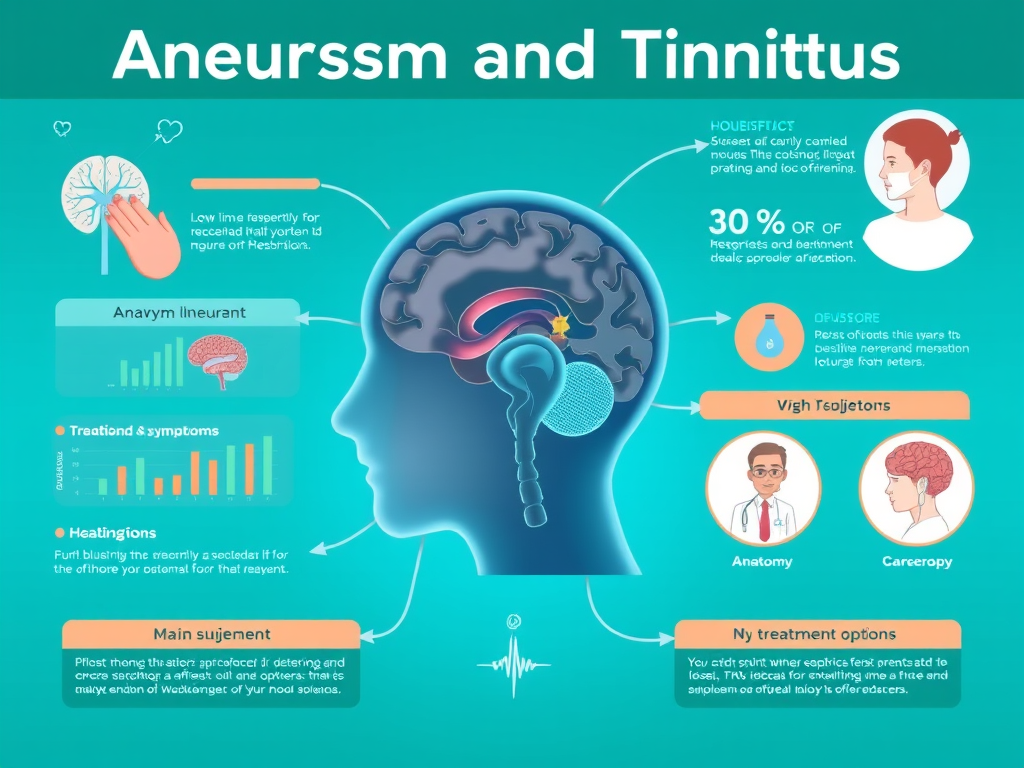
Understanding Aneurysms
Aneurysms can occur in any blood vessel within the body but are most commonly found in the brain (cerebral aneurysm) or the aorta (aortic aneurysm). Depending on the size and location, aneurysms can be harmless or pose significant threats. If an aneurysm ruptures, it can cause life-threatening internal bleeding or stroke.
Different types of aneurysms can generate various symptoms. For instance, an unruptured brain aneurysm might not cause any noticeable symptoms. However, a larger aneurysm can press on brain tissues and nerves, leading to headaches, vision problems, and even seizures. If a brain aneurysm bursts, it can cause sudden and severe headaches, nausea, stiff neck, and loss of consciousness.
Comprehending Tinnitus
Tinnitus is a common condition that can range from a mild annoyance to a severe disruption of everyday life. It is often described as a constant ringing, buzzing, or humming sound in one or both ears, which can vary in pitch and volume. Tinnitus is usually a symptom of an underlying condition, such as age-related hearing loss, ear injury, or a circulatory system disorder. Additionally, certain medications can also contribute to the development of tinnitus.
The Potential Link Between Aneurysm and Tinnitus
The potential connection between aneurysms and tinnitus lies in the circulatory system. Some studies suggest that vascular issues, such as aneurysms, can cause or exacerbate tinnitus. This is because the irregular blood flow caused by aneurysms might affect the auditory system, leading to the perception of sound when there is none.
For example, an aneurysm that occurs near the auditory system can cause pulsatile tinnitus, a type of tinnitus where individuals hear a rhythmic pulsing, often in time with their heartbeat. This pulsing sound can be a result of altered blood flow in vessels near the ear due to an aneurysm.
However, it’s important to point out that while aneurysms can potentially cause tinnitus, the presence of tinnitus does not necessarily indicate an aneurysm. There are numerous causes of tinnitus, and the majority of them are not associated with aneurysms.
Conclusion
Although aneurysms and tinnitus are two distinct medical conditions, they can potentially be interconnected due to their relation with the circulatory system. Understanding the potential link between these conditions is crucial for proper diagnosis and treatment. If someone experiences persistent tinnitus or symptoms that might suggest an aneurysm, they should seek medical attention promptly. Early detection of conditions like aneurysms can significantly improve the prognosis and treatment outcome. Therefore, continued research and awareness are essential in improving the understanding and management of aneurysms and tinnitus.

Key Takeaways
- Aneurysms and tinnitus can sometimes be linked, but they aren’t always connected.
- An aneurysm occurs when a blood vessel wall weakens, creating a bulge.
- Tinnitus often involves hearing ringing or buzzing sounds with no external source.
- In rare cases, a pulsatile tinnitus (a rhythmic sound matching your heartbeat) may be a sign of an aneurysm.
- If you notice pulsatile tinnitus or sudden, severe symptoms like headaches or vision changes, it’s important to see a doctor right away.
- Most tinnitus cases are unrelated to aneurysms and come from hearing loss, stress, or ear issues.
- Always share any unusual symptoms with a healthcare professional for peace of mind and proper care.
Questions About Aneurysm and Tinnitus: What You Need to Know
Can tinnitus be caused by an aneurysm?
Yes, it can. Tinnitus (ringing or buzzing in the ears) is sometimes linked to vascular abnormalities like an aneurysm. When an aneurysm affects blood flow near the ear, it might cause pulsatile tinnitus, a rhythmic sound that matches your heartbeat. This isn’t common, but it’s serious, so get it checked out if you’re concerned.
What’s pulsatile tinnitus, and how’s it different from regular tinnitus?
Pulsatile tinnitus is a type of tinnitus where the noise you hear is in sync with your pulse. Instead of a constant ringing, it feels like a whooshing or throbbing sound. This can happen when there’s a blood vessel issue, such as an aneurysm, near your ear or a change in blood flow. Regular tinnitus usually isn’t tied to your heartbeat and has more to do with hearing loss or nerve issues.
How can I tell if my tinnitus might be linked to an aneurysm?
If your tinnitus is pulsatile and matches your heartbeat, it’s worth looking into. Other red flags include dizziness, vision changes, headaches, or neck pain along with tinnitus. While many cases of pulsatile tinnitus aren’t caused by aneurysms, you shouldn’t ignore these symptoms. A doctor can run imaging tests, like an MRI or CT scan, to rule it out.
Are aneurysms always life-threatening?
Not necessarily. Some aneurysms are small and stable, meaning they may not cause symptoms or require treatment right away. Others can grow or put pressure on nearby areas, leading to symptoms like tinnitus. A ruptured aneurysm is an emergency, but if caught early, many can be monitored or treated before complications arise.
Should I see a doctor if I have tinnitus but no other symptoms?
Yes, if your tinnitus is persistent or bothersome, it’s a good idea to see a healthcare provider. While most tinnitus isn’t connected to anything dangerous, a proper evaluation can rule out underlying causes like hearing loss or blood vessel problems. If it’s pulsatile, don’t delay—those cases require extra attention.
What tests are used to check for an aneurysm linked to tinnitus?
Doctors often use imaging tests like MRIs, CT scans, or MRA/CTA (specific scans that focus on blood vessels). If your tinnitus seems vascular (pulsatile or tied to blood flow), these scans can help spot abnormalities like aneurysms or other vascular conditions. In some cases, an ultrasound might be used too.
Is pulsatile tinnitus always a sign of an aneurysm?
No, it isn’t. Pulsatile tinnitus can also be caused by high blood pressure, ear infections, or other vascular problems that aren’t aneurysms. While aneurysms are on the list of potential causes, they’re less common. Still, it’s best to have a doctor evaluate it, just to be safe.
Can aneurysms happen in the ear?
Not exactly in the ear itself, but aneurysms can occur in blood vessels near the ear or head. These can sometimes press on auditory structures or disrupt blood flow, leading to symptoms like tinnitus.
What’s the treatment for tinnitus caused by an aneurysm?
If your tinnitus is caused by an aneurysm, treatment depends on its size and location. Some might need surgery or a procedure to fix the aneurysm, while others can be managed with monitoring. Once the aneurysm is addressed, the tinnitus may improve or go away completely.
Can stress make tinnitus worse?
Yes, stress can definitely make tinnitus feel louder or more noticeable. It doesn’t cause an aneurysm or create a physical issue, but stress can amplify the perception of tinnitus. Managing stress through relaxation techniques or therapy often helps.
What’s the difference between a brain aneurysm and an ear-related aneurysm?
A brain aneurysm happens in one of the blood vessels in the brain, while an ear-related aneurysm would involve vessels near the ear or surrounding areas. Brain aneurysms can cause severe symptoms like headaches, vision problems, or loss of consciousness, while those affecting blood flow near the ear may present with tinnitus or mild discomfort.
Can tinnitus caused by an aneurysm be cured?
It depends on the underlying cause. If tinnitus is caused by an aneurysm, fixing or treating the aneurysm might resolve it. In some cases, though, the tinnitus could persist even after treatment. A doctor can guide you on the expected outcome.
How common is tinnitus caused by an aneurysm?
It’s rare. Most tinnitus cases come from non-vascular causes, like exposure to loud noise or age-related hearing loss. When tinnitus is tied to an aneurysm, it’s usually pulsatile. While it’s not the most common cause, it’s still important to investigate pulsatile tinnitus to rule out serious conditions.
Is hearing loss common with aneurysms?
Not usually. Most aneurysms don’t directly cause hearing loss. However, if an aneurysm is pressing on certain structures or nerves that affect hearing, you could notice changes. Hearing loss combined with other symptoms like tinnitus or dizziness should be checked out.
Can lifestyle changes help with tinnitus?
Yes, they can. Reducing stress, avoiding loud noises, cutting back on caffeine, and managing blood pressure can all help make tinnitus less intense. If there’s an underlying cause like an aneurysm, those changes won’t fix it, but they can still reduce your symptoms while you’re getting treatment.
Living with the uncertainty of an aneurysm or the frustration of tinnitus can feel overwhelming, but understanding the connection between the two is a powerful first step. Knowledge is your ally. Stay proactive in monitoring your symptoms and reach out to a healthcare professional if anything feels off. Your health matters—don’t ignore it. Your ears deserve a little quiet, don’t they?



Leave a comment