


Can the state of your gut actually play a role in the constant ringing or buzzing you hear in your ears? It might sound surprising at first, but recent insights have raised the idea that your gut health could influence tinnitus. Gut health affects more than digestion, it’s linked to your immune system, brain function, and inflammation. Meanwhile, tinnitus isn’t just a standalone issue; it often ties into other health conditions. Could these two seemingly unrelated experiences be connected? Let’s dive into what science says about the potential relationship between gut health and tinnitus, and explore what you can do to address both.
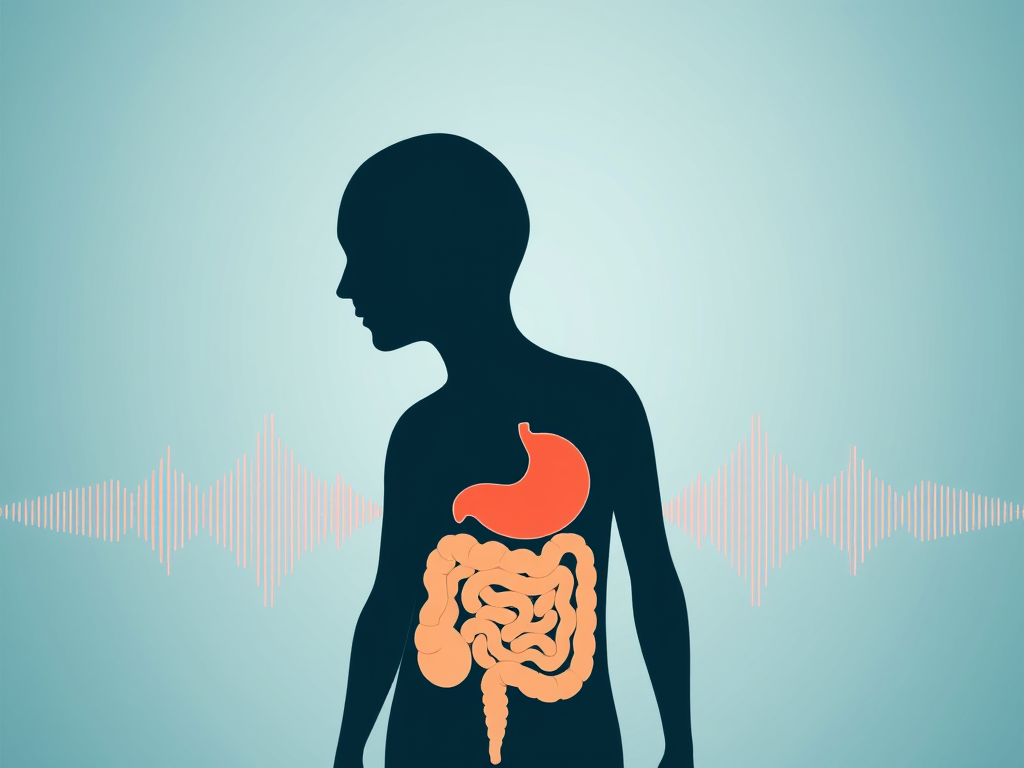
Understanding Gut Health
Gut health refers to how well your digestive system is functioning and balanced. It’s vital for maintaining overall health and plays a bigger role than you might imagine. At the center of gut health lies the gut microbiome—a collection of trillions of bacteria, fungi, and other microbes living in your intestines. These organisms aren’t passive passengers; they support digestion, nutrient absorption, and even your immune system. But what happens when this system doesn’t work properly?
The Gut Microbiome and Its Role
Your gut microbiome does more than just process your food. It creates essential vitamins, contributes to immune defense, and even communicates with your brain. A healthy microbiome strikes a delicate balance between beneficial and harmful bacteria. However, when the balance tips, conditions like inflammation and other health issues can emerge.
For example, an imbalanced gut also called dysbiosis may impair your body’s ability to absorb nutrients or fight off harmful bacteria. Over time, this can lead to widespread effects on your body, including increased inflammation and weakened communication along the gut-brain axis, a pathway that links your gut and central nervous system.
Signs of an Unhealthy Gut
How can you tell if your gut’s not in great shape? Common signs include:
- Chronic bloating or gas
- Persistent food intolerances
- Frequent infections or illnesses
- Low energy or fatigue
- Brain fog or trouble concentrating
These symptoms might seem unrelated to each other or even to tinnitus but they can all trace back to an imbalanced gut.
Gut Health and Its Impact on the Nervous System
The gut and brain communicate constantly through the gut-brain axis, a two-way connection involving the vagus nerve and other signaling pathways. When your gut’s out of balance, this communication can falter. Disruptions can influence mood, stress levels, and even how your nervous system responds to inflammation. This connection is one way gut health could theoretically affect tinnitus, a condition involving the brain and auditory system.
What Is Tinnitus?
Tinnitus is the perception of sound when there’s no actual external source. People often describe it as ringing, buzzing, or hissing in the ears. For some, it’s a mild annoyance; for others, it’s a constant distraction. Tinnitus itself isn’t a disease but rather a symptom of an underlying issue. It’s also closely linked to your nervous system and how your brain processes sound signals.
Common Causes and Triggers of Tinnitus
There are many possible reasons why tinnitus develops, and some of the most common include:
- Hearing loss (age-related or noise-induced)
- Prolonged exposure to loud noise
- Medications like aspirin or certain antibiotics
- Stress and anxiety
- Circulatory problems or high blood pressure
These triggers might seem unrelated to gut health. Yet as we’ll explore, inflammation a factor influenced by gut health could play a role in some of these underlying causes.
The Role of Inflammation in Tinnitus
Systemic inflammation has emerged as a potential contributor to tinnitus. Chronic inflammation can affect blood flow, nerve function, and brain health, all critical areas tied to tinnitus symptoms. While inflammation isn’t the sole cause of tinnitus, it can worsen the condition for some individuals. This brings us back to the gut, as your gut microbiome plays a major role in regulating inflammation throughout your body.

The Potential Connection Between Gut Health and Tinnitus
So, how could your gut and tinnitus be linked? The answer may lie in the gut-brain axis and inflammation, two areas where these conditions overlap. While research on this specific connection is still unfolding, emerging evidence suggests the relationship is worth examining.
How Gut-Brain Communication Influences Tinnitus
Your gut continuously communicates with your brain, both directly through nerves like the vagus nerve and indirectly through chemicals like neurotransmitters. When your gut microbiome is off balance, this communication can become disrupted. Stress signals sent from your gut to your brain might influence tinnitus severity, particularly for those whose symptoms worsen with anxiety or stress.
Inflammation as a Shared Mechanism
Chronic inflammation is a common thread in many health issues, including gastrointestinal problems and tinnitus. If your gut isn’t healthy, it can release inflammatory substances that circulate throughout your body, potentially affecting your ears and auditory system. Over time, this inflammation may contribute to or amplify tinnitus symptoms.
Insights from Emerging Research
While research on gut health and tinnitus is limited, a few studies and anecdotal reports hint at a connection. For example, some people with irritable bowel syndrome (IBS) or other gut disorders report higher rates of tinnitus. Other research has identified links between chronic inflammation, compromised gut health, and neurological issues. Though more scientific studies are needed, these findings suggest that your gut may have a larger role in conditions like tinnitus than previously thought.
How to Improve Gut Health and Potentially Reduce Tinnitus
If your gut and tinnitus might be connected, improving your gut health could offer symptom relief. Supporting your digestive system not only enhances your overall wellness but might also lessen the impact of tinnitus.
Dietary Changes to Enhance Gut Health
One of the most effective ways to support your gut is through what you eat. Consider these tips:
- Add probiotics and fermented foods: Foods like yogurt, kefir, sauerkraut, and miso provide beneficial bacteria.
- Incorporate prebiotic fibers: Foods like garlic, onions, bananas, and asparagus help feed healthy bacteria.
- Limit processed foods and sugar: Overly processed foods disrupt your gut microbiome.
- Stay hydrated: Water aids digestion and helps maintain gut balance.
Managing Stress for Gut and Nervous System Health
Chronic stress takes a toll on both your gut and nerves, so learning to manage it is essential. Some approaches to try include:
- Deep breathing exercises: These can activate the vagus nerve and calm your nervous system.
- Mindfulness or meditation: Regular practice lowers stress hormone levels.
- Gentle physical activity: Activities like yoga or walking improve circulation while reducing stress.
Reducing stress levels may improve not only your gut health but also your ability to cope with tinnitus symptoms.
The Role of Professional Guidance
If you’re struggling with gut issues or tinnitus, seeking professional help can make a huge difference. Gastroenterologists can evaluate underlying gut imbalances, while audiologists or ENT specialists can address hearing or auditory concerns. For a more comprehensive approach, consider a functional medicine practitioner who can connect the dots between various aspects of your health.
Conclusion
While the link between gut health and tinnitus isn’t fully understood, it’s clear that these two areas are connected through the gut-brain axis and inflammation. By improving your gut health, you may not only feel better overall but also potentially reduce the severity of tinnitus symptoms. Focus on nourishing your gut with a balanced diet, managing stress, and consulting with professionals when needed. Proactive steps toward better gut health could improve more than just your digestion and they might even help quiet the ringing in your ears.
Key Takeaways
- Gut health may play a role in tinnitus symptoms due to the connection between the gut and nervous system.
- Imbalances in gut bacteria could influence inflammation and overall nerve function, potentially affecting tinnitus.
- Stress and diet, both linked to gut health, are known to impact tinnitus severity.
- Improving gut health through a balanced diet, probiotics, and reducing processed foods might help reduce symptoms.
- While research on the link is still emerging, managing overall health, including gut care, can support tinnitus management.
- Consult a healthcare provider for personalized advice and to rule out other underlying causes of tinnitus.
Gut health and tinnitus might feel like completely separate challenges, but they’re more connected than you’d think. Understanding this link gives you a chance to listen to your body and explore solutions that address the root causes. Start with small changes like improving your diet or focusing on stress management—your body will thank you. Taking care of your gut could make a real difference in managing tinnitus and boosting your overall well-being. Why not take the first step today? “Quietum Plus: The sound solution you’ve been waiting for.”


Leave a comment