


Did you know your diet could be making tinnitus worse? Certain foods may trigger or intensify that bothersome ringing in your ears. From salty snacks to sugary treats, what you eat could play a bigger role than you think. In this post, we’ll uncover surprising dietary triggers and how they might be affecting your tinnitus symptoms.
First, it’s essential to understand tinnitus isn’t a condition on its own but rather a sign of another issue. It might stem from age-related hearing loss, ear damage, or circulatory problems. While treatments and medication can help manage it, making lifestyle adjustments, including changes to your diet, can also help keep it under control.
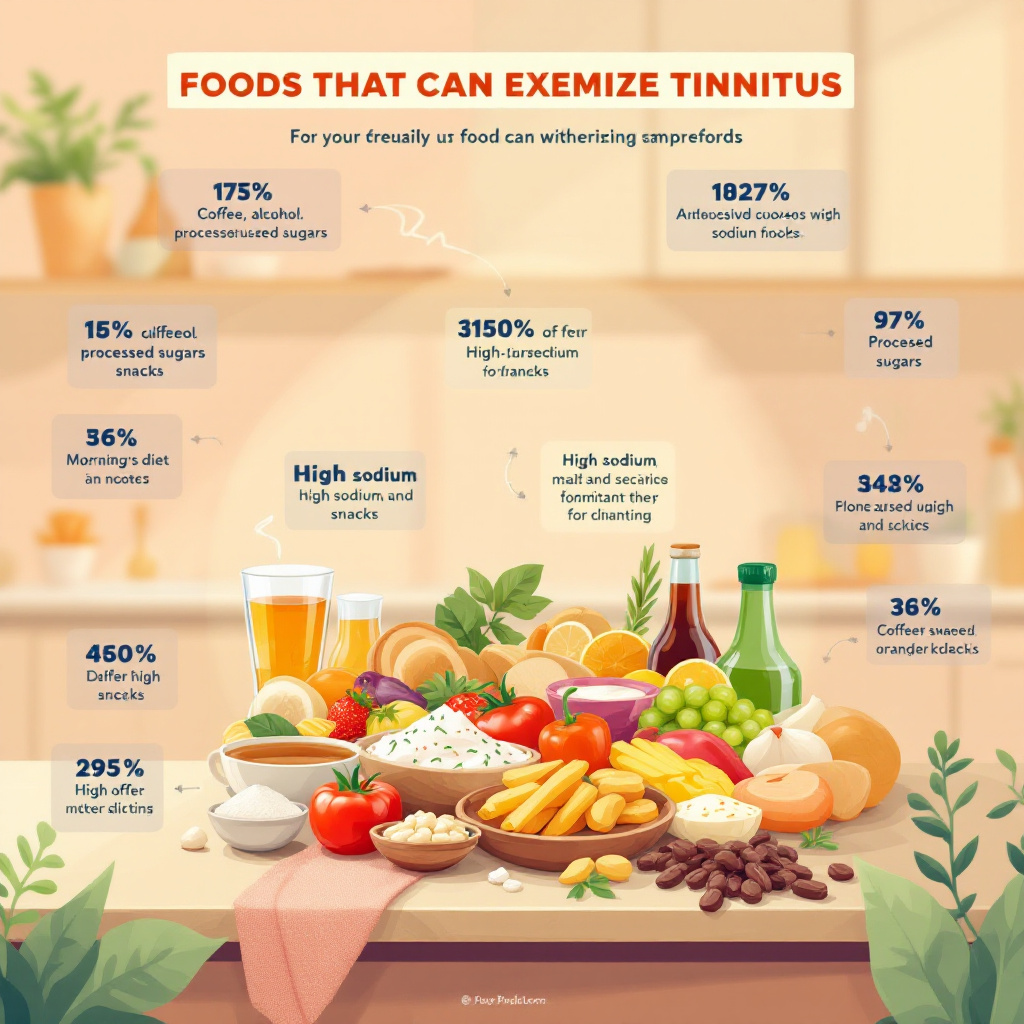
- Salt:
Excessive intake of salt can lead to hypertension, which in turn may worsen tinnitus symptoms. Salt promotes fluid retention, increasing blood pressure and intensifying the ringing or buzzing noise in your ears. Consider reducing your salt intake by avoiding processed foods and adding less salt to your meals.
- Sugar:
High sugar levels can also aggravate tinnitus symptoms. Consuming a lot of sugar can lead to higher blood pressure and cause inflammation in the body, both of which can exacerbate tinnitus. Try to minimize your sugar intake, particularly from processed foods and drinks.
- Caffeine:
While some people find that caffeine helps their tinnitus, others find that it makes their symptoms worse. Caffeine can stimulate the nervous system, increasing the perception of tinnitus. If you notice an increase in your symptoms after consuming caffeine, it may be worth reducing your intake.
- Alcohol:
Alcohol can worsen tinnitus symptoms by altering the inner ear’s fluid balance, which is crucial for hearing. Excessive alcohol use can lead to dehydration, causing an increased blood flow to the head and ears, resulting in tinnitus symptoms. Moderation is key when consuming alcohol.
- Saturated Fats:
Foods high in saturated fats, such as red meat and full-fat dairy products, may contribute to higher cholesterol levels. High cholesterol can lead to atherosclerosis, a condition that hardens the arteries and increases blood pressure, thereby exacerbating tinnitus.
- Aspartame:
Aspartame, an artificial sweetener found in many sugar-free products, has been linked with tinnitus. While the exact relationship remains unclear, some people report an increase in their tinnitus symptoms after consuming aspartame.
- MSG:
Monosodium glutamate (MSG), a flavor enhancer found in a range of processed foods, can trigger tinnitus in some people. MSG can cause sudden fluctuations in blood pressure, which can exacerbate the symptoms of tinnitus.
It’s important to note that everyone is different, and what triggers tinnitus in one person may not do so in another. Hence, it’s recommended to maintain a food diary to identify potential dietary triggers for your tinnitus.
In conclusion, maintaining a balanced diet is crucial for overall health and can also help manage tinnitus symptoms. Reducing intake of salt, sugar, caffeine, alcohol, saturated fats, aspartame, and MSG could potentially help in reducing the severity of tinnitus. However, always remember to consult with a healthcare professional before making significant changes to your diet.

Key Takeaways
- Certain foods can worsen tinnitus symptoms.
- Caffeine, found in coffee, tea, and energy drinks, may trigger or intensify the ringing.
- Salt increases blood pressure, which can make tinnitus feel worse.
- Sugar and highly processed foods may overstimulate the auditory system.
- Alcohol can interfere with circulation and potentially aggravate symptoms.
- MSG, a flavor enhancer in some processed foods, might act as a potential irritant.
- Cutting back on these foods may help reduce symptoms for some people.
- Always consult a doctor or specialist for personalized advice.
FAQ: Foods That May Worsen Tinnitus
What foods are commonly reported to make tinnitus worse?
Caffeine (coffee, tea, energy drinks), alcohol (beer, wine), salty snacks, and foods high in MSG, artificial sweeteners (like aspartame), or excessive sugar are often reported to aggravate tinnitus.
Can caffeine really increase tinnitus symptoms?
Caffeine might worsen tinnitus in some people due to its stimulant effects. Withdrawal from caffeine can also temporarily heighten symptoms. This varies by individual—some don’t notice any negative effects.
How does salt affect tinnitus?
High-salt diets can lead to increased blood pressure and reduced blood flow, which are thought to exacerbate tinnitus. Limiting salty processed foods, like frozen meals and snacks, may help.
Are there specific food additives to avoid for tinnitus sufferers?
Some individuals find their tinnitus worsens with foods containing MSG (monosodium glutamate), nitrates, or artificial sweeteners such as aspartame. These additives may overstimulate sensory nerves.
Can alcohol consumption worsen tinnitus?
Alcohol affects individuals differently. Beer and wine are reported more frequently as triggers, while distilled liquors might have less impact. Dehydration from alcohol can also intensify symptoms.
Does skipping meals or fasting impact tinnitus?
Yes, skipping meals can trigger blood sugar fluctuations, which may worsen tinnitus. Stable blood sugar levels may reduce the intensity of symptoms.
Are fried or fatty foods associated with increased tinnitus symptoms?
Trans fats and saturated fats can impair circulation, reducing the blood flow needed for optimal ear health. This might contribute to the worsening of tinnitus symptoms over time.
Is sugar linked to tinnitus severity?
Excessive sugar intake can cause spikes and drops in blood sugar, potentially worsening tinnitus. Reducing sugary drinks and snacks could help with symptom management.
Can food allergies or sensitivities make tinnitus worse?
Yes, food allergies or sensitivities causing inflammation could indirectly influence tinnitus. An elimination diet could help identify potential triggers.
Should people with tinnitus avoid chocolate?
Chocolate contains both caffeine and sugar, which are common tinnitus triggers. If you notice symptoms worsening after consumption, it may be worth moderating chocolate intake.
Can hydration levels influence tinnitus?
Dehydration can worsen tinnitus, as it may impact blood flow and ear fluid levels. Drinking plenty of water daily can help manage this.
Are there any diets that help with tinnitus?
Diets like the Mediterranean or anti-inflammatory diets focus on nutrient-dense foods, which may reduce inflammation and stabilize blood sugar, potentially lowering tinnitus severity. Always consult a doctor before making significant dietary changes.
Final Thoughts: Certain foods can make tinnitus worse, but identifying triggers is the first step toward relief. Pay attention to how your diet impacts your symptoms. Small changes, like reducing salt or caffeine, may make a big difference in managing your condition. “Turn the volume of life down with Quietum Plus.”


Leave a comment