


While many factors play into tinnitus, hydration tinnitus is an important link that often gets overlooked. Proper hydration helps keep the fluids in your inner ear balanced, reducing strain on the delicate nerves involved in hearing. When you stay hydrated, it supports healthy blood flow and nerve function, which can ease the intensity of the buzzing or ringing sounds. Even small changes in your water intake can make a difference, giving you a practical way to help control symptoms without relying on medication. Recognizing this connection puts a simple, natural step within reach for anyone dealing with tinnitus.
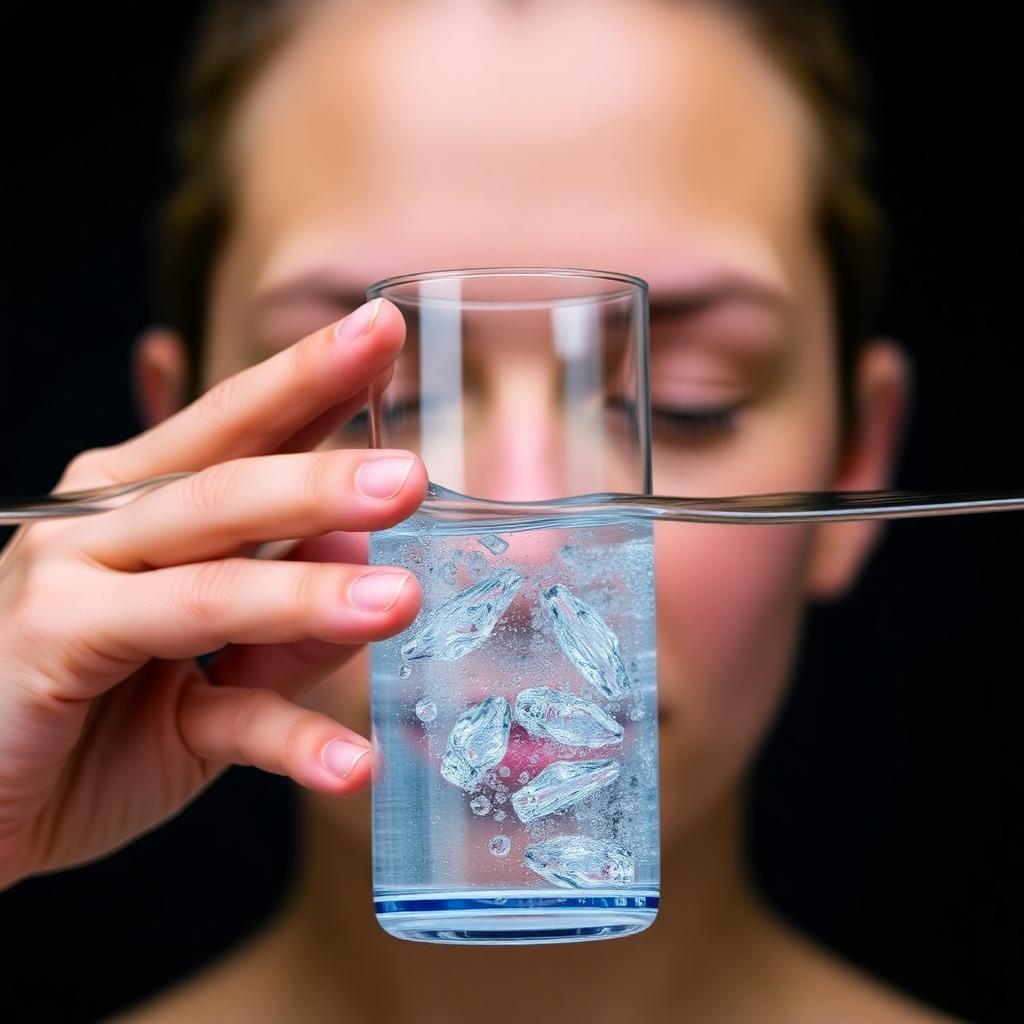
How Hydration Impacts Tinnitus Symptoms
Hydration affects more than just how you look or feel awake. It directly influences the way your ears and nervous system work together. When you don’t drink enough water, the delicate parts inside your ear can lose their proper balance, which may amplify the sounds of tinnitus. This means that dehydration can make ringing or buzzing seem sharper and harder to ignore, increasing discomfort and distraction throughout the day.
Physiological Effects of Dehydration on the Ear
Your inner ear depends on a fine balance of fluids to transmit sound signals properly. Think of it like a tiny orchestra where each instrument must be perfectly tuned. Missing even a drop of water can disrupt the harmony. Dehydration can reduce the fluid that cushions your ear structures and slows down nerve signals, heightening the perception of ringing or buzzing. This means when you don’t drink enough, your auditory nerves might become more sensitive to noise, or your ear’s natural pressure control might weaken, allowing tinnitus to flare up.
Hydration Tinnitus Link: What Research Shows
Some studies observe that people who increase their water intake often report a drop in tinnitus intensity. Experts suggest that proper hydration helps maintain healthy blood flow and nerve function around the ear. Poor hydration can lead to thicker blood, which makes blood circulation sluggish and impacts the tiny vessels in your ear. This reduced circulation can aggravate tinnitus symptoms. Although more research is needed, these insights give a clear signal: water matters to your ears.
Additional Factors Influencing Hydration and Tinnitus
Hydration doesn’t exist on its own. What you eat and drink affects your water balance and thus tinnitus. Caffeine, found in coffee and sodas, can cause dehydration by making you urinate more. Alcohol works similarly by pulling water out of your body. High salt intake puts extra stress on your kidneys, which can disrupt fluid balance and raise blood pressure another trigger for tinnitus. Watching your consumption of these substances can help keep your fluids steady and your tinnitus calmer.
Understanding Tinnitus and Its Causes
Understanding exactly what tinnitus is and the different reasons it happens gives you a stronger foundation for dealing with it. When you know that tinnitus isn’t a disease but a symptom linked to various factors, you can focus on the causes that apply to you. This clarity helps you choose practical steps that target the root issues, rather than just masking the noise. It also makes it easier to notice what triggers your tinnitus or makes it worse, so you can adjust habits or seek the right treatments. The clearer you are about why you hear those sounds, the better equipped you are to manage them day to day.
What is Tinnitus?
Tinnitus is a perception of noise in your ears or head without an external sound source. It ranges from ringing and buzzing to hissing or clicking. Some hear it constantly, while for others it comes and goes. It’s not a disease but a symptom that can be caused by many underlying issues. When tinnitus strikes, it can affect your mood, sleep, and concentration.
Common Causes of Tinnitus
Tinnitus often links to damage or changes in the ear. Common causes include:
- Hearing loss from exposure to loud noise or aging.
- Infections or earwax buildup.
- Stress and anxiety, which alter how your brain processes sound.
- Blood vessel issues that change blood flow near the ear.
- Certain medications that affect ear function.
Each cause connects back to how well your ear and brain work together, and hydration influences some of these connections.
The Role of Body Hydration in Health
Hydration shapes how your whole body functions. Water carries nutrients, flushes out toxins, and supports nerve signals. When you’re dehydrated, your blood gets thicker, circulation slows, and your nervous system tenses up. These effects can tweak the way your ears perceive noise and how your brain processes it, making tinnitus worse. Keeping hydrated helps keep your neurological and circulatory systems in balance, which can ease tinnitus symptoms.
Practical Tips to Manage Tinnitus Through Proper Hydration
You don’t need to change everything about your daily habits to add hydration to your tinnitus care. Small steps like drinking an extra glass of water or swapping one soda for water can help. These easy adjustments fit naturally into your day and support your ear health without much effort.
Daily Hydration Recommendations
Aim for about 8 glasses (around 2 liters) of water daily, but adjust for your size, activity, and climate. Signs you need more include:
- Dark urine.
- Dry mouth.
- Feeling tired or dizzy.
Sip water throughout the day instead of gulping it all at once. Carry a bottle with you as a reminder.
Hydration Strategies for Tinnitus Relief
Try these habits to keep hydration steady and tinnitus at bay:
- Drink a glass of water first thing in the morning.
- Replace at least some coffee or soda with water or herbal tea.
- Limit salty snacks to avoid fluid imbalances.
- Have water on hand during periods of stress or physical activity.
- Avoid alcohol or limit it to moderate amounts.
Choosing water instead of sugary or caffeinated drinks helps keep your hydration steady and supports calmer ears.

Combining Hydration with Other Tinnitus Management Techniques
Hydration is just one part of managing tinnitus. Combine it with:
- Reducing exposure to loud noise.
- Stress relief techniques like meditation or exercise.
- Using sound therapy or white noise machines.
- Consulting a healthcare provider for hearing tests and treatments.
Together, these steps create a balanced plan that reduces tinnitus impact more effectively than hydration alone.
Conclusion
Hydration affects how your tinnitus feels every day. Keeping your body hydrated helps your ear fluids stay balanced, which supports clearer nerve signals and smoother blood flow. This can lower the strength of the ringing sound. Make hydration a regular part of your tinnitus care routine. While it won’t cure tinnitus, it can help make the noise less effective and your day a bit easier.
Key Takeaways
- Drinking enough water keeps the inner ear fluids steady, which helps ease tinnitus.
- When you’re dehydrated, tinnitus sounds can get sharper and more annoying.
- Water supports good blood flow and nerve activity in your ear.
- Cutting back on caffeine, alcohol, and salty foods helps keep you hydrated.
- Small swaps, like choosing water over soda, can lower tinnitus sounds.
- Hydration works best with other steps like managing stress and protecting your hearing.
- Spread your water intake through the day to keep symptoms under control.
Frequently Asked Questions About Hydration and Tinnitus
Can drinking water really reduce tinnitus symptoms?
Yes, staying well-hydrated helps keep the fluids in your inner ear balanced. This can lower the intensity of the ringing or buzzing you hear.
How much water should I drink for my tinnitus?
Aim for about 8 glasses a day, but listen to your body. If you’re active or in a hot climate, you may need more.
Will caffeine or alcohol make my tinnitus worse?
Both can lead to dehydration, which may worsen tinnitus. It helps to limit these and drink extra water when you have them.
Can too much water cause problems for tinnitus?
Drinking excessive amounts at once isn’t helpful and can be hard on your kidneys. Spread your water intake evenly throughout the day.
What if my tinnitus doesn’t improve with better hydration?
Hydration is one part of managing tinnitus. If symptoms persist, consider other factors like noise exposure, stress, and see a healthcare professional.
Are other drinks besides water good for hydration?
Water is best. Herbal teas can help, but sugary or caffeinated drinks can reduce hydration and affect tinnitus.
How quickly can hydration changes affect tinnitus?
Some people notice changes within days, but it varies. Consistent hydration supports your ear health over time.
Final Thoughts
Staying hydrated helps keep your ears working well by maintaining the right fluid levels. This balance supports clear nerve signals and steady blood flow, which can ease the ringing or buzzing you hear. While drinking water won’t stop tinnitus completely, it can reduce its strength and make it less distracting. Pairing hydration with healthy habits like stress management and protecting your hearing boosts your chances of relief. Keep a water bottle nearby and pay attention to how your body feels. Small, consistent steps can make living with tinnitus more manageable. “Say ‘yes’ to clarity, ‘no’ to the noise.”


Leave a comment