


Living with tinnitus means dealing with a steady background noise in your head—buzzing, ringing, or whistling that never seems to stop. It can drain your energy and make it tough to concentrate or unwind. I’ve experienced this myself, and I’ve found that what we eat can affect how we handle these symptoms. A Tinnitus Friendly Diet isn’t a cure, but it can bring some relief and help you feel more in control of what’s happening in your ears. I want to share what I’ve learned, what helps, and which foods are better to avoid.
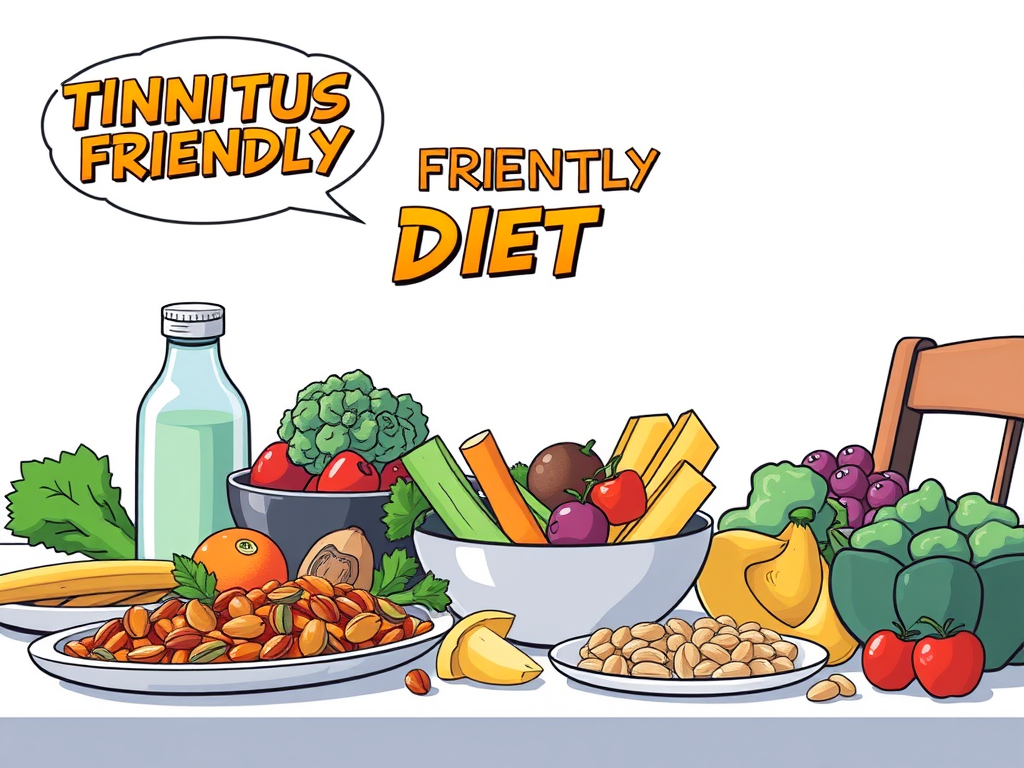
Key Nutrients and Foods to Include in a Tinnitus Friendly Diet
Certain nutrients work by supporting the tiny nerves and blood vessels that sit close to your ears, helping them stay healthy and less prone to damage. When these nutrients are part of your daily meals, they can reduce tension around your auditory system. This may lead to quieter or less frequent episodes of tinnitus, giving your ears a break from constant strain. Regularly eating foods rich in these protective elements can help maintain better circulation and nerve function, which are both important in managing how you experience those persistent sounds.
Magnesium-Rich Foods
Magnesium is like a gentle guard for your nerves. It helps relax blood vessels and supports nerve function, which can ease tinnitus symptoms for some people.
Foods to add to your plate:
- Spinach and other leafy greens
- Almonds and cashews
- Black beans
- Avocados
- Bananas
Adding just a handful of almonds or a banana each day felt like an easy way to bring a little calm to my routine. It’s a simple step that doesn’t take much effort but seemed to help settle my mind and ease some tension. Sometimes small shifts like this can quietly add up, supporting your well-being without feeling like a big change. It’s not a fix-all, but for me, it made the noise feel a bit less overwhelming on tough days.
Vitamin B12 and Its Role
Vitamin B12 keeps your nerves healthy, especially the ones involved in hearing. A deficiency in B12 can worsen tinnitus or even cause it in some cases.
Look for:
- Lean meats like chicken and turkey
- Fish such as salmon and trout
- Eggs
- Fortified cereals
- Dairy products
If you’re vegetarian or vegan, consider fortified plant milks or cereals to get enough B12. These can help keep nerve signals clear and steady.
Antioxidants and Their Benefits
Antioxidants fight damage to cells, including those tiny ones in your ears. They can help reduce inflammation and protect ear tissue from harm.
Load up on:
- Blueberries and strawberries
- Dark chocolate (in moderation)
- Nuts and seeds
- Kale and broccoli
- Green tea
I always add berries and a cup of green tea to my routine. The antioxidants in these foods help protect my cells from damage and reduce inflammation, which can make a difference when dealing with tinnitus. It feels like a natural way to support my body, calming the stress that often makes the ringing worse. Over time, these small habits help create a sense of balance and give my ears a little extra defense against irritation.
Omega-3 Fatty Acids
Omega-3s calm inflammation and improve blood flow, both crucial when your ears feel overwhelmed.
Good sources:
- Fatty fish like salmon, mackerel, and sardines
- Flaxseeds and chia seeds
- Walnuts
Eating fish twice a week quickly became part of my routine, not just for the taste but because I could feel the difference it made. The omega-3s seemed to calm the buzzing and give my ears a break. Adding walnuts to my snacks is another simple step I take daily. It feels like a small gift to my hearing, a way to support my ears quietly without much effort. These little habits, repeated often, have helped me feel more in control and less worn out by the constant noise.
Foods and Substances to Avoid on a Tinnitus Friendly Diet
Certain foods and drinks can make tinnitus louder or more noticeable by irritating nerves or changing blood flow near the ears. Items high in caffeine, salt, sugar, and alcohol often increase the ringing or buzzing. Cutting back on these can help reduce the noise, giving your ears more relief. Following a Tinnitus Friendly Diet lets you control some of the triggers that add to the symptoms. This way, you can find more moments of calm amid the constant background sounds.

Caffeine and Its Effects on Tinnitus
Caffeine affects everyone differently, especially when it comes to tinnitus. For many people, drinking too much coffee or energy drinks can make their tinnitus louder or more intense.
I found that cutting my coffee intake from three cups a day to just one helped lower the ringing in my ears. Following a Tinnitus Friendly Diet by reducing caffeine or switching to herbal teas might help you feel better too.
Salt and Sodium Intake
Salt causes your body to hold onto extra water, which increases the volume of blood circulating through your vessels. This added pressure puts strain on the delicate blood vessels near your ears, making them work harder and sometimes swell. When these vessels are under stress, it can worsen tinnitus by amplifying the nerve signals that cause the ringing or buzzing. Reducing salt intake helps ease that pressure, giving those tiny vessels a chance to relax and reducing the intensity of tinnitus symptoms.
Keep an eye on:
- Processed foods
- Packaged snacks
- Ready-made meals
Cooking fresh at home and seasoning with herbs instead of salt kept my blood pressure and tinnitus more manageable.
Sugary and Processed Foods
High sugar intake can increase inflammation and may make tinnitus symptoms worse. Many processed foods are packed with sugar, artificial flavors, and preservatives that don’t help the condition.
Switching from sugary snacks to fresh fruit or nuts made a noticeable difference in both my energy levels and my tinnitus. Following a Tinnitus Friendly Diet can really support better ear health and overall well-being.
Alcohol Consumption
Alcohol can widen blood vessels and disrupt the way nerves send signals. This may cause the ringing or buzzing in your ears to become clearer or more intense. Cutting back or drinking less often can ease these effects. I’ve found that when I keep alcohol to occasional treats instead of daily habits, my ears feel less sensitive and the tinnitus tones soften on days without drinking. This simple change helps create more peaceful moments throughout the week.
Practical Tips for Implementing a Tinnitus Friendly Diet
Changing your diet can feel like a big challenge at first, especially with so much information out there. But I found that starting with just one or two small changes each week made it easier to stick with. For example, swapping out a snack for some nuts or adding an extra serving of leafy greens to a meal didn’t take much effort but added up over time. It became part of my routine, and before I knew it, those small steps built into a steady habit. Taking it day by day helped me avoid feeling overwhelmed and gave me a sense of control over my health. Little shifts like these made a real difference in how I felt, both physically and mentally.
Meal Planning and Preparation Strategies
- Make a weekly grocery list focused on fresh, whole foods.
- Prepare simple meals like grilled fish with steamed veggies or salads with nuts and seeds.
- Cook extra portions and save leftovers for busy days.
This way, I could plan my meals and snacks ahead, which kept me from grabbing something quick and unhealthy when hunger hit. Having healthy options ready made it easier to say no to salty chips or processed treats, keeping my diet on track and my tinnitus calmer.
Hydration and Its Importance
Staying hydrated helps your body and your ears to function better. When you’re dehydrated, tinnitus can feel louder and more uncomfortable.
I keep a water bottle close and try to drink at least eight glasses of water each day. When I stick to this part of my Tinnitus Friendly Diet, the ringing tends to soften and bother me less.
Reading Labels and Making Smart Food Choices
Processed foods hide a lot of salt and sugar behind different names. Checking labels is key.
Look out for:
- Sodium as salt, sodium benzoate, monosodium glutamate (MSG)
- Sugars like maltose, sucrose, corn syrup
- Additives and artificial flavors
Choosing simple, natural foods makes me feel more in control of what I’m putting into my body.
Consulting Healthcare Professionals
It’s easy to feel overwhelmed by all the diet advice out there and want to try everything at once. But taking the time to talk with a dietitian or your doctor helps you figure out what’s most important for your specific situation. They can guide you toward changes that match your health needs, daily routine, and preferences, making it easier to stick with new habits over time.
Your healthcare team can run tests to spot any nutrient gaps you might have, which often go unnoticed but can affect your tinnitus. They can also recommend supplements that are safe and effective, instead of guessing or trying random products. Plus, they tailor their advice to fit how you live—whether you’re busy, follow a special diet, or have other health issues. This personal approach saves you time and helps you make steady progress without extra stress.
Conclusion
Adjusting your diet to support your ears isn’t about being perfect—it’s about giving yourself helpful tools to ease tinnitus. Adding magnesium-rich greens, foods high in B12, antioxidants, and omega-3s to your meals can help protect your hearing and reduce nerve irritation. Cutting back on caffeine, salt, sugar, and alcohol can also lead to calmer, more comfortable days.
Building a tinnitus friendly diet happens step by step, blending hopeful changes with practical choices you can keep up. Your ears and your whole body will feel the benefits as you make these simple shifts. Take each change slowly and pay close attention to how your body responds. Progress takes time, so celebrate every small gain. Every positive change, no matter how small, adds up to greater ease and control. Stay patient and keep moving forward—you’re creating habits that support long-term well-being. “Quietum Plus: Small change, big difference.”


Leave a comment