


Stress and anxiety don’t just make tinnitus seem louder; they also make it harder to stay calm and focused during the day. When you’re tense, the ringing noise often takes over your thoughts, making it feel even louder in your mind. That’s where breathing exercises for tinnitus can help. Concentrating on slow, steady breaths sends a message to your body to relax. This can lower your heart rate, reduce muscle tightness, and clear your head. With regular practice, these exercises can give you a better sense of control over your symptoms, making the noise feel less overwhelming. It’s a simple, natural way to support both your mental and physical health while easing the pressure tinnitus puts on you.
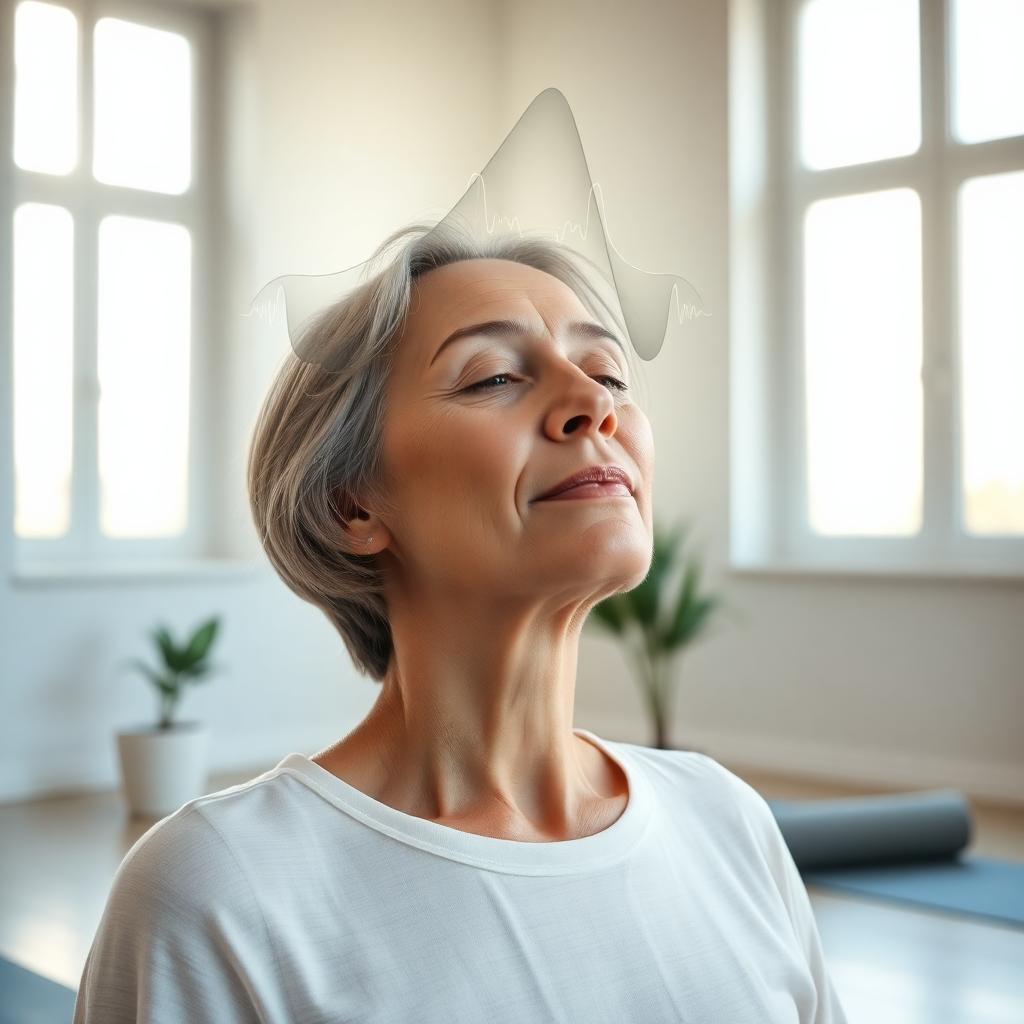
Effective Breathing Exercises for Tinnitus Relief
Breathing exercises for tinnitus help you take control by slowing your breath and easing the nervous system. When you do this, your body shifts away from stress and tension, which often makes the ringing less sharp.These exercises don’t need any special equipment or prior experience anyone can try them and feel the calming effects right away. The goal is to bring your focus back to your breath, quieting the noise both inside your head and around you. Below, you’ll find easy-to-follow methods designed to help you relax and reduce the impact of tinnitus throughout your day.
Diaphragmatic Breathing (Belly Breathing)
Diaphragmatic breathing targets the diaphragm muscle deep in your abdomen, encouraging full oxygen exchange and calming your nervous system.
How to do it:
- Sit or lie down comfortably.
- Place one hand on your chest and the other on your belly.
- Breathe in slowly through your nose, letting your belly rise as you fill your lungs (your chest should stay mostly still).
- Exhale slowly through puckered lips while feeling your belly fall.
- Repeat for 5 to 10 minutes.
This type of breathing triggers the body’s relaxation response, lowering stress hormones that may ramp up tinnitus symptoms.
4-7-8 Breathing Technique
The 4-7-8 method is simple, focused breathing that helps ease anxiety and promotes calmness.
Steps:
- Exhale completely through your mouth.
- Close your mouth and inhale quietly through your nose for a count of 4.
- Hold your breath for a count of 7.
- Exhale slowly through your mouth for a count of 8.
- Repeat the cycle 4 times.
Focusing on breath control helps disconnect from the noise of tinnitus and reduce the anxiety that often intensifies it.
Box Breathing (Square Breathing)
Box breathing organizes breath into equal lengths, grounding your focus and soothing the mind.
How to practice:
- Inhale through your nose for 4 seconds.
- Hold your breath for 4 seconds.
- Exhale through your mouth for 4 seconds.
- Hold your breath again for 4 seconds.
- Repeat several times.
This steady rhythm calms brain activity, making the ringing feel less intrusive.
Progressive Muscle Relaxation with Breathing
Combining breath control with muscle relaxation tackles tension in both your mind and body.
To try it:
- Inhale deeply and tense a muscle group (like your shoulders) for 5 seconds.
- Exhale and release the tension slowly.
- Move to the next muscle group (arms, legs, neck).
- Continue throughout your body.
This method releases physical tightness often tied to stress, helping reduce the overall discomfort linked with tinnitus.
What Causes the Ringing in Tinnitus
Tinnitus comes from changes in how the brain and ear handle sound. It’s not an outside noise but something you sense inside your head. When tiny hair cells in the inner ear get damaged or when there’s a glitch in the auditory pathways, false signals reach the brain. The brain hears these signals as buzzing, ringing, or hissing. Common causes include loud noise exposure, ear infections, and hearing loss.
Understanding Tinnitus and Its Triggers
Tinnitus often appears as ringing, clicking, or hissing sounds with no clear source. It affects millions of people and can disrupt sleep, focus, and overall mental well-being. The intensity of these sounds varies from person to person.
Stress, anxiety, and poor sleep tend to make tinnitus feel louder or more distracting. When you’re tense, your brain can turn up the internal noise. Using breathing exercises for tinnitus can help calm your mind and reduce these symptoms. Managing stress plays a big role in making tinnitus easier to handle..
Setting a Consistent Practice Schedule
Try to set aside 5 to 10 minutes twice a day for your breathing exercises. Doing this regularly helps your nervous system learn to relax more naturally over time. Set reminders or alarms on your phone to make it easier to stick with the habit, especially when life gets busy. Consistent practice shapes your body’s response to stress, making it easier to calm down whenever you need it. Even short sessions add up, so try to treat these moments as a priority, not just something extra in your day.
Creating a Relaxing Space for Practice
Choose a place where you won’t be interrupted for a few minutes. Soft lighting helps ease your mind, so consider dimming the lights or using a low-wattage lamp. Make sure you’re sitting in a position that feels natural and relaxed whether that’s on a chair with your feet flat on the floor or on a cushion on the ground. Adding gentle background sounds like soft music or recordings of rain, ocean waves, or birdsong can help mask distractions and create a peaceful setting for your breathing practice. Adjust the volume so it’s just enough to soothe without pulling your attention away from your breath.
Combining Breathing Exercises with Mindfulness and Sound Therapy
Combine breathing exercises for tinnitus with mindfulness meditation by paying close attention to each breath in and out. Adding sound therapy, such as soft white noise or calming nature sounds, can help cover up the ringing and make your breathing practice feel more relaxing. Using both methods together boosts the overall calming effect.

Conclusion
Breathing exercises for tinnitus provide a natural, drug-free method to ease the ringing in your ears. These techniques slow your breathing and help calm your nervous system, which lowers stress and quiets your thoughts. Practicing them regularly can break the cycle where anxiety makes tinnitus worse, leading to a better quality of life. You can try diaphragmatic breathing, 4-7-8 breathing, box breathing, or progressive muscle relaxation as part of your daily routine. Simple steps like these can bring significant relief and help you regain control over tinnitus.
Key Takeaways
- Breathing exercises can help reduce tinnitus symptoms by calming the nervous system.
- Slow, deep breaths lower stress and make ringing less noticeable.
- Regular practice improves focus and relaxation.
- Simple techniques like belly breathing are easy to learn and do anywhere.
- Combining breathing with mindfulness enhances its calming effect.
- Consistency matters; a few minutes daily can bring relief over time.
- Breathing exercises are a safe, drug-free way to manage tinnitus discomfort.
Breathing Exercises for Tinnitus: FAQ’s
Frequently Asked Questions
What role do breathing exercises play in managing tinnitus?
Breathing exercises help reduce stress and promote relaxation. Since stress often worsens tinnitus, calming the nervous system can lower the intensity of the ringing or buzzing you hear.
Which breathing technique is most effective for tinnitus relief?
The 4-7-8 breathing method is popular: inhale for 4 seconds, hold for 7 seconds, and exhale for 8 seconds. It helps slow your heartbeat and eases tension, which may reduce tinnitus symptoms.
How often should I do breathing exercises for tinnitus?
Consistency matters. Aim for daily sessions lasting 5 to 15 minutes. You can start with shorter periods and increase as you feel comfortable.
Can breathing exercises alone cure tinnitus?
No, they don’t cure tinnitus. But they can ease symptoms by lowering stress and helping you relax. Use breathing along with other treatments for the best results.
Are there any risks or side effects with breathing exercises?
Most people find them safe, but some might feel lightheaded, especially if they hyperventilate. Stop if you feel dizzy and try gentler exercises or consult a doctor.
How quickly can I expect results from breathing exercises?
Results vary. Some notice calming effects immediately, while tinnitus relief can take several weeks of regular practice.
Can breathing exercises improve the blood flow related to tinnitus?
Yes, slow, deep breathing can improve circulation and reduce muscle tension, which might ease tinnitus that’s linked to jaw, neck, or head muscle tightness.
Do breathing exercises affect the brain activity related to tinnitus?
They can. Breathing exercises help activate the parasympathetic nervous system, which calms neural hyperactivity that might contribute to tinnitus.
Should I combine breathing exercises with other techniques?
Yes. Combining breathing with sound therapy, relaxation, and posture exercises offers better symptom relief than breathing alone.
Can anyone do breathing exercises for tinnitus?
Most people can, but if you have heart or lung conditions, or if you’re pregnant, check with a healthcare provider before starting.
Where can I find guided breathing exercises for tinnitus?
Many free apps and websites offer guided sessions specifically for tinnitus and stress relief. Look for options with clear instructions and a calm pace.
Is professional guidance necessary for breathing exercises?
Not always, but if your tinnitus is severe or linked to other health issues, working with a therapist or audiologist can tailor exercises to your needs.
Final Thoughts
Breathing exercises for tinnitus can help reduce the stress that often makes the ringing louder. They relax both your body and mind, giving you an easy way to ease the noise. The most important part is to practice regularly and discover which techniques work best for you. Combining breathing with quiet time and focused attention can improve how you feel. Over time, these simple habits can help you manage tinnitus better and reduce distractions. Keep your approach simple, be patient, and allow yourself time to unwind—your ears and mind will benefit from it. “Say ‘yes’ to clarity, ‘no’ to the noise.”


Leave a comment