


The symptoms of tinnitus in ear can be confusing, especially when the sounds seem to appear without warning. For many, it’s described as a ringing, buzzing, or humming sensation that doesn’t have an external source. These noises might be subtle or disruptive, but they’re more common than you might expect. Identifying these symptoms early can provide better insight into potential underlying issues and when to seek medical guidance.
Primary Symptoms
The hallmark symptom of tinnitus is hearing a noise that others cannot hear. This noise can take many forms, including ringing, buzzing, hissing, whistling, or clicking. The perceived sound can be intermittent or constant and may vary in volume. For some individuals, tinnitus is a minor nuisance, while for others, it can be profoundly disruptive.
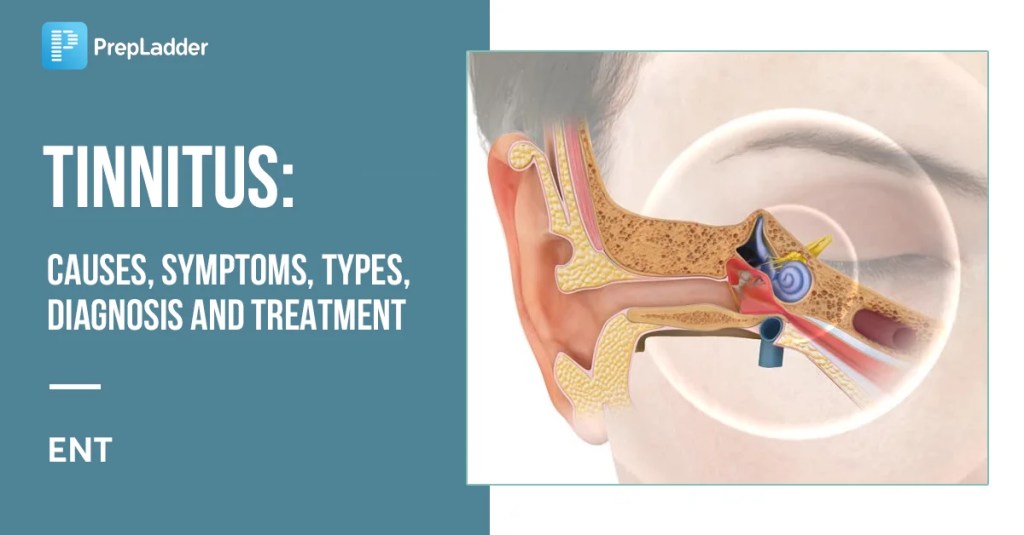
Variations in Perception
Tinnitus can affect one or both ears. Some people experience it centrally, as if the sound is coming from inside their head. The perception of tinnitus can also change based on various factors. Stress, caffeine, alcohol, and exposure to loud sounds can exacerbate the symptoms, making the noise seem more pronounced.
Associated Symptoms
While the primary symptom of tinnitus is auditory, it can be accompanied by other symptoms. Many individuals with tinnitus report difficulties with concentration and sleep, as the persistent noise can be distracting and intrusive. Emotional symptoms, such as anxiety and depression, are also common, as the condition can impact overall well-being and quality of life.
Potential Causes and Risk Factors
Understanding the underlying causes of tinnitus can shed light on the symptoms experienced. Tinnitus is often linked to hearing loss, especially age-related hearing loss and noise-induced hearing loss. Other potential causes include ear infections, earwax buildup, and certain medications. Conditions such as Meniere’s disease, acoustic neuroma, and temporomandibular joint (TMJ) disorders can also contribute to tinnitus symptoms.
Diagnosis and Management
If you experience symptoms of tinnitus, it is essential to consult a healthcare professional for a proper diagnosis. An audiologist or an ENT specialist can conduct tests to determine the underlying cause and severity of the condition. While there is no cure for tinnitus, various management strategies can help mitigate its impact. These may include sound therapy, hearing aids, cognitive-behavioral therapy, and lifestyle modifications.
Conclusion
Tinnitus is a complex condition with a range of symptoms that can affect individuals differently. Recognizing the symptoms and seeking professional advice are crucial steps in managing the condition effectively. With appropriate interventions, individuals with tinnitus can find relief and improve their overall quality of life.



Leave a comment