


Tinnitus symptoms can range from mildly distracting to severely debilitating, affecting millions worldwide. Despite a variety of treatment options, many sufferers continue to struggle with the relentless noise. Stem cell therapy for tinnitus has recently gained attention as a cutting-edge procedure that may pave the way for more effective solutions. Could this scientific breakthrough offer a new path to silence?
Understanding Tinnitus
Tinnitus is often a symptom of an underlying condition, such as age-related hearing loss, ear injury, or circulatory system disorders. The phantom sounds associated with tinnitus can vary in pitch and intensity, and while some people experience intermittent episodes, others live with constant noise.
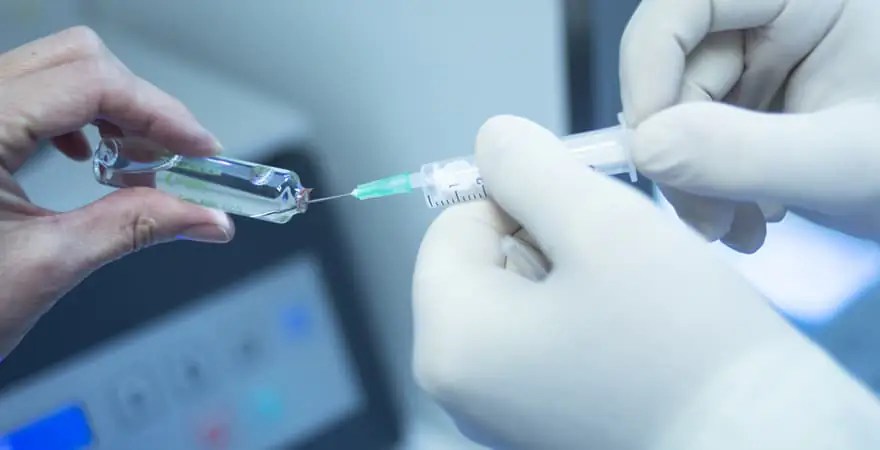
Current treatments primarily focus on managing symptoms rather than addressing the root cause. These include sound therapy, cognitive-behavioral therapy, and medications to alleviate discomfort. However, these approaches do not work for everyone, highlighting the need for more effective solutions.
Stem Cell Therapy: A New Frontier
Stem cell therapy is garnering attention for its potential to regenerate damaged tissues and restore normal function. Stem cells, unique for their ability to differentiate into various cell types, offer a promising avenue for treating conditions that were previously considered irreversible.
In the context of tinnitus, researchers are exploring how stem cells might repair or replace damaged cells in the auditory system. The inner ear, particularly the cochlea, contains hair cells that are crucial for hearing. Damage to these cells is a common cause of tinnitus. Stem cell therapy aims to regenerate these cells, potentially restoring normal auditory function and alleviating tinnitus symptoms.
Research and Developments
Recent studies have shown encouraging results in animal models, where stem cell transplantation has led to the regeneration of hair cells in the cochlea and improvements in hearing abilities. These findings spark hope for similar outcomes in human subjects. However, translating these results from the laboratory to clinical settings presents challenges.
One of the main hurdles is ensuring the safe and effective delivery of stem cells to the targeted areas without adverse effects. Additionally, researchers must determine the most suitable type of stem cells for treating tinnitus, whether embryonic, adult, or induced pluripotent stem cells.
Challenges and Considerations
While the potential of stem cell therapy is exciting, it is crucial to approach this emerging field with caution. Several factors need careful consideration, including ethical concerns, regulatory approvals, and the long-term effects of such treatments. Rigorous clinical trials are necessary to establish the safety and efficacy of stem cell therapy for tinnitus.
Moreover, the cost of stem cell treatments can be prohibitive, potentially limiting access for many patients. As research progresses, it will be essential to address these challenges to ensure that stem cell therapy can become a viable option for those affected by tinnitus.
Conclusion
Stem cell therapy represents a promising frontier in the quest to find a cure for tinnitus. While still in its early stages, ongoing research and advancements in this field offer hope for millions of individuals suffering from this debilitating condition. As science continues to unravel the complexities of stem cells and their potential, the future may hold a transformative solution for tinnitus, providing relief to those who desperately need it. Until then, continued research, collaboration, and innovation remain essential in the journey toward effective treatments.


Leave a comment