


If you’ve ever dealt with tinnitus, you already know how disruptive it can be. But did you know it’s also closely tied to depression? The constant noise can wear down even the strongest coping mechanisms, leading to feelings of helplessness and stress. In this post, we’ll unpack the relationship between tinnitus and depression, while offering approachable solutions for managing both.
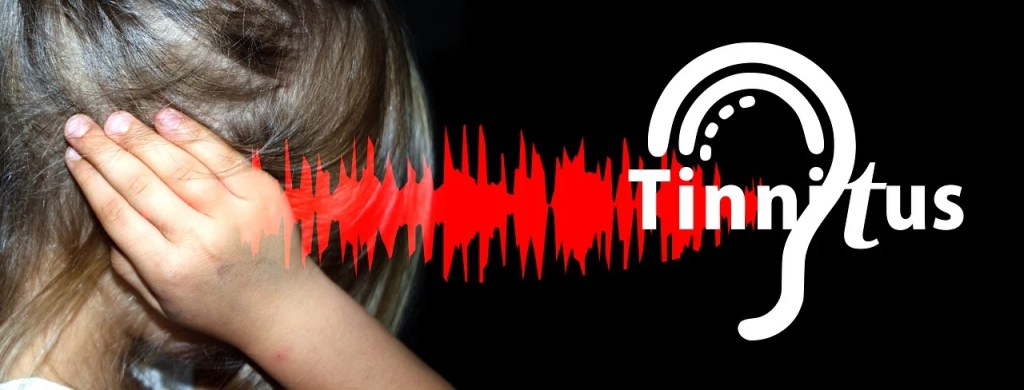
What is Tinnitus?
Tinnitus is not a disease but a symptom of an underlying condition, which can include hearing loss, ear injury, or circulatory system disorders. It can be temporary or chronic and may vary in intensity. Although commonly associated with age-related hearing loss, tinnitus can affect individuals of all ages. The persistent noise individuals experience can lead to significant psychological distress, contributing to the development of depressive symptoms.
The Psychological Impact of Tinnitus
For many, tinnitus is more than just an auditory issue; it becomes a psychological burden. The constant noise can interfere with concentration, sleep, and daily activities, leading to tinnitus stress and anxiety. Over time, the relentless presence of tinnitus can result in mood disturbances, including depression. The inability to escape or control the noise can lead to feelings of helplessness and hopelessness, which are core components of depression.
Exploring the Connection with Depression
Several studies suggest a strong correlation between tinnitus and depression. The distress caused by tinnitus can lead to emotional exhaustion, further exacerbating depressive symptoms. Moreover, individuals who perceive their tinnitus as severe or debilitating are more likely to experience depression. The social isolation resulting from tinnitus-related communication difficulties also plays a role in worsening depressive symptoms.
Interestingly, the perception of tinnitus severity can amplify feelings of depression. Individuals with similar tinnitus conditions may experience differing levels of emotional distress based on their psychological resilience and coping mechanisms. This subjective experience underscores the importance of personalized approaches to managing tinnitus and associated depression.
Management Strategies
Addressing tinnitus and its psychological impacts requires a multifaceted approach:
1. Therapeutic Interventions: Cognitive Behavioral Therapy (CBT) has proven effective in helping individuals cope with both tinnitus and depression. CBT focuses on altering negative thought patterns and developing coping skills, thus reducing the emotional burden of tinnitus.
2. Sound Therapy: This method uses external sounds to mask the tinnitus noise, providing relief to sufferers and improving concentration and sleep quality.
3. Medications: While not a cure for tinnitus, certain medications can alleviate symptoms of depression, thereby improving the overall psychological well-being of individuals.
4. Lifestyle Adjustments: Regular exercise, balanced nutrition, and mindfulness practices can enhance mood stability and resilience against stress.
5. Support Groups: Engaging with others experiencing similar challenges can offer emotional support and practical coping strategies, reducing feelings of isolation.
Conclusion
While tinnitus can profoundly impact an individual’s quality of life, understanding its potential to cause or worsen depression is essential in providing comprehensive care. Through a combination of therapeutic interventions, lifestyle changes, and support networks, individuals can achieve a significant improvement in their mental health, despite the challenges posed by tinnitus. The integration of psychological and medical approaches holds promise for those struggling with both tinnitus and depression, fostering hope and resilience in the face of adversity.



Leave a comment