


Tinnitus can deeply impact mental and emotional well-being. For those living with tinnitus, the psychological toll may feel overwhelming, yet it remains an aspect of the condition that isn’t always widely addressed. Let’s explore how tinnitus can influence mental health and, importantly, actionable steps to manage its effects.
The Connection Between Tinnitus and Mental Well-Being
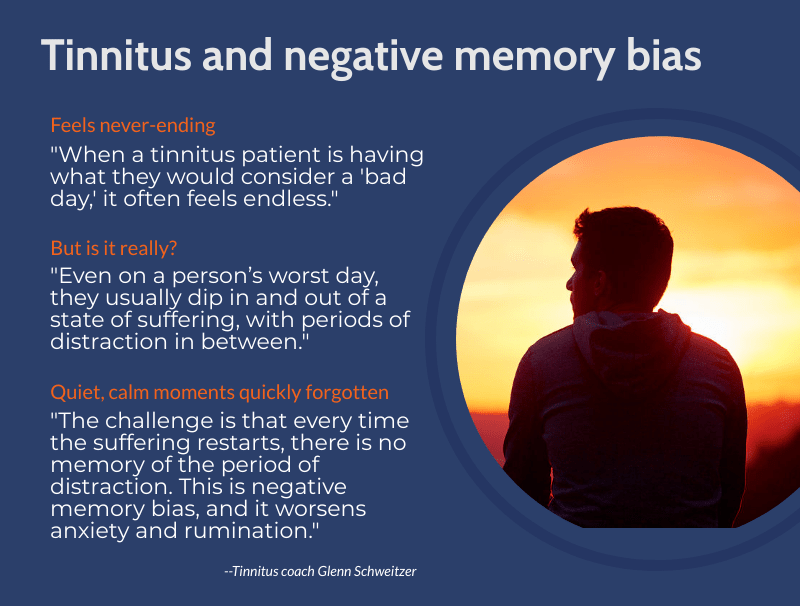
Living with tinnitus is more than dealing with a constant noise. The condition often disrupts multiple areas of life, leading to significant stress on mental health. Many of us struggle with the emotional weight that comes from an unrelenting sound—an experience that frequently triggers anxiety, depression, and feelings of frustration.
The impact of tinnitus on mental well-being often stems from its unpredictable and uncontrollable nature. When we lose the silence we once relied on, it’s easy to feel as though we’ve lost a sense of control over our environment and emotions. This loss can have cascading effects on thoughts, feelings, and daily interactions.
Impact on Concentration and Sleep
Tinnitus can make focusing on tasks feel like an uphill battle. Imagine trying to work, read, or even have a conversation while a persistent sound competes for your attention. This effect can lead to decreased productivity and increased irritability, contributing to a sense of helplessness.
Sleep, on the other hand, is even more commonly disrupted. Many of us find the ringing louder at night when everything else is quiet. Poor sleep can snowball into other issues, such as exhaustion, mood swings, and a decreased ability to cope. Without quality rest, the emotional strain of tinnitus only grows stronger.
Link to Anxiety and Depression
It’s not uncommon for people with tinnitus to experience heightened levels of anxiety. The constant noise can cause hyperawareness, as we’re often unable to relax or tune out the sound entirely. Over time, this heightened state may lead to panic attacks or a gnawing sense of dread.
Depression is another challenge, particularly if the tinnitus interferes with daily life or feels inescapable. When we couple the frustration of the condition with a lack of relief, the feelings of doom can deepen. Many individuals also report a sense of isolation, believing that others can’t fully understand what they’re experiencing.
Effect on Social Life and Relationships
Tinnitus doesn’t just affect us internally; it can also strain relationships. Social gatherings, phone calls, or even quiet moments with loved ones can become difficult. When we’re unable to concentrate or engage fully in conversations, misunderstandings or frustrations may develop.
This creates a cycle where we might withdraw from social situations, further increasing isolation. Over time, the inability to communicate clearly can damage personal and professional relationships. The emotional burden of explaining the condition repeatedly only adds to the strain.
Coping Mechanisms for Managing Psychological Effects of Tinnitus
While tinnitus can feel relentless, there are steps we can take to protect our mental and emotional health. Understanding how to manage both the noise and the associated stress is key to reclaiming a sense of control over our lives.

Sound Therapy and Relaxation Techniques
One way to counter the disruptive effects of tinnitus is through sound therapy. White noise machines, nature sounds, or soft background music can help mask the ringing, making it less noticeable. Even a simple fan or app can create a calming environment and reduce stress.
Relaxation techniques, like mindfulness or meditation, teach us how to manage our response to the condition. Practices that focus on controlled breathing or progressive muscle relaxation can ease tension and shift our attention away from the tinnitus. These techniques may not eliminate the ringing, but they help reduce its emotional impact.
Cognitive Behavioral Therapy (CBT) for Tinnitus Management
Cognitive Behavioral Therapy has emerged as an effective method for managing tinnitus-related stress. With the help of a trained professional, we can identify and address negative thought patterns tied to our condition. For example, if we’re convinced that the ringing will ruin our quality of life, CBT can teach us to reframe that thought into something more manageable.
CBT focuses on building resilience by altering how we perceive tinnitus. Through structured sessions, we can develop coping techniques that reduce the frustration and anxiety associated with the condition.
Building a Support System
Living with tinnitus can feel isolating, but we don’t have to face it alone. Joining support groups online or in person opens up opportunities to connect with others who understand what we’re going through. Sharing strategies, frustrations, and successes can provide a sense of community and relief.
Counseling, whether individual or group based, can also make a difference. Having a professional or trusted confidant to discuss the challenges of tinnitus helps to lighten the emotional load. Support systems remind us that we’re not alone.
Long-Term Perspective and Lifestyle Adjustments
Managing tinnitus isn’t a one time fix it requires ongoing effort and long-term thinking. As we find ways to adapt, the condition becomes more manageable, and the associated psychological stress diminishes.
Incorporating Healthy Habits for Overall Well-Being
Lifestyle changes can have a significant impact on how we cope with tinnitus. Regular exercise improves circulation and releases endorphins, which can enhance our mood and resilience. Pairing physical activity with a balanced diet ensures that our body and mind have the nourishment they need to handle stress.
Stress management is equally important. Activities like yoga, journaling, or even spending time outdoors can help us maintain a sense of calm. By taking care of our overall health, we’re better equipped to manage the challenges tinnitus brings.
When to Seek Professional Help
There’s no shame in needing extra support. If the psychological effects of tinnitus—such as anxiety or depression become too much to handle alone, seeking help is essential. Therapy, counseling, or even medical treatments can make a substantial difference.
Signs that it might be time to consult a professional include difficulty sleeping for extended periods, withdrawing from social activities, or feeling hopeless. These are not problems we have to face alone resources and treatments are available.
Conclusion
The psychological effects of tinnitus are profound, affecting how we think, feel, and interact with the world. However, as challenging as it may seem, we do have ways to cope and regain a sense of normalcy. By addressing the mental and emotional impact head on through sound therapy, CBT, lifestyle adjustments, and support systems we can reduce the strain tinnitus places on our lives.
Taking proactive steps toward managing tinnitus isn’t just about the noise itself; it’s about protecting our emotional resilience and mental well-being. For those of us living with this condition, finding solutions that work for our unique needs can make all the difference. Remember, we’re not alone, and with the right tools, we can learn to live well despite tinnitus.



Leave a comment