


If you’ve just recovered from a cold and now hear a persistent ringing in your ears, you’re not alone. Many people notice tinnitus starting shortly after an illness, especially a cold. The congestion and inflammation caused by a cold can disrupt the delicate balance in your ears, leading to this frustrating symptom. In this post, we’ll explore why this happens and what steps you can take to find relief.
Understanding Tinnitus
Tinnitus is not a condition itself but a symptom of various underlying issues. It typically shows up as a ringing, buzzing, or hissing sound in the ears, though what I experience might differ from your reality.
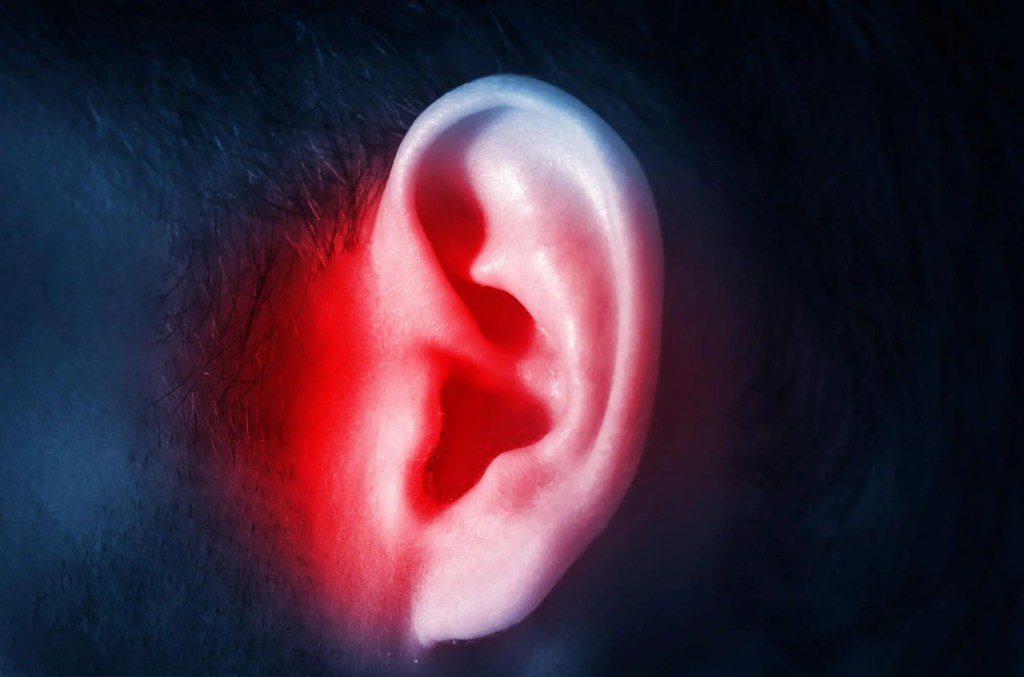
Types of Tinnitus
Tinnitus can generally be classified into two types: subjective and objective.
- Subjective Tinnitus: This is the most common form, where only the person experiencing it can hear the sounds. It’s caused by conditions like hearing loss or exposure to loud noises.
- Objective Tinnitus: This rarer form can be detected by a doctor during an examination. It often stems from issues such as blood vessel problems or muscle contractions near the ear.
Prevalence of Tinnitus
Statistics show that tinnitus affects a significant number of people. Approximately 15% to 20% of adults experience it at some point in their lives. It’s more common in older adults, but it can happen to anyone. My own experiences with colds make me wonder how many others are facing this same issue as they recover from illness.
How a Cold Can Trigger Tinnitus
Colds come with a host of symptoms, and during this time, various physiological changes in our body can impact our ears. As I learned, certain factors during a cold can lead to the unsettling noise of tinnitus.
Eustachian Tube Dysfunction
During a cold, the Eustachian tube the passage connecting the middle ear to the back of your throat can become inflamed. This inflammation leads to pressure imbalances in the ear, contributing to those annoying sounds I now associate with colds. When the tube isn’t functioning well, it can create feelings of fullness and discomfort in the ears.
Middle Ear Infections
Colds can also lead to middle ear infections, known as otitis media. When the infection sets in, fluid builds up behind the eardrum, creating a breeding ground for sound disturbances. I noticed that during a recent cold, when I developed an earache, my tinnitus flared up, making me realize the link between the two.
Nasal Congestion and Its Effects
As my nose stuffed up during a cold, I couldn’t help but notice the pressure changes in my ears—a common scenario. Nasal congestion impacts the way sound travels in the ear canal, affecting perception. This pressure can intensify existing tinnitus symptoms, making it vital to treat congestion effectively.
Common Triggers of Tinnitus Following a Cold
Understanding why tinnitus becomes louder after a cold often leads back to specific triggers. Here are a few that I’ve found that can exacerbate symptoms.

Stress and Anxiety
Stress levels can significantly affect how I perceive tinnitus. After a cold, I might worry about lingering symptoms, which creates a negative feedback loop—higher anxiety often means I hear the ringing more prominently. Managing stress through mindfulness and relaxation techniques can be a powerful way to mitigate these feelings.
Fatigue and Sleep Deprivation
Colds sap my energy levels, and fatigue can worsen tinnitus. A lack of restful sleep makes my body more sensitive to sound, intensifying the sensation of ringing or buzzing. Prioritizing rest and recovery is essential when I find myself grappling with both a cold and tinnitus.
Exposure to Loud Noises
After being ill, I find that my ears may be more sensitive. Returning to loud environments can amplify tinnitus symptoms. Being cautious about sound exposure and allowing my ears some quiet time can significantly make a difference.
Management and Treatment Options
While living with tinnitus after a cold can be challenging, several strategies can help manage its impact.
Lifestyle Modifications
Simplicity often reigns supreme in managing tinnitus. I’ve learned that certain lifestyle changes can create a more soothing environment for my ears:
- Stay Hydrated: Drinking plenty of fluids helps maintain ear health.
- Limit Caffeine and Alcohol: Both can worsen tinnitus symptoms for some people, so cutting back made sense after my colds.
- Practice Relaxation Techniques: Yoga or meditation can significantly reduce stress levels and help manage tinnitus.
Medical Treatments
In some cases, medical intervention may be necessary. Doctors can prescribe medications to address underlying causes or recommend therapy specifically designed for tinnitus. Sound therapy, where soothing sounds mask the tinnitus, is one option many find beneficial.
When to See a Doctor
I always recommend not hesitating to seek professional help if tinnitus persists after recovering from a cold. It’s essential to get a thorough examination to rule out any serious conditions that might be causing or exacerbating the symptom. If you notice prolonged ringing or changes in hearing, it’s time to consult a healthcare provider.
Conclusion
Experiencing tinnitus after a cold can be confusing and distressing. By recognizing its common triggers and understanding the physiological changes that occur during illness, we can manage our symptoms more effectively. Through a combination of lifestyle changes, medical support, and stress management techniques, awareness is key to dealing with this unsettling aftereffect of colds. If nothing else, I’ve learned that being informed and proactive is crucial to navigating the noise of tinnitus.


Leave a comment