


Many people may not realize that their chronic neck or jaw pain could be related to their tinnitus symptoms. Understanding this connection can be crucial for those seeking relief. My goal is to bring clarity to this topic, explaining how neck or jaw pain can amplify tinnitus and offering strategies for relief.
Understanding Tinnitus
Tinnitus refers to the perception of sound without an external source. It varies from person to person and can manifest in various ways, such as ringing, hissing, or whooshing sounds. Many individuals experience tinnitus intermittently, while others may have a constant presence of sound that significantly interferes with their daily life.
The causes of tinnitus are multifaceted, with some individuals experiencing mild symptoms that come and go, while others face severe, unrelenting noise. This variability can directly impact a person’s quality of life. Simple tasks such as concentrating at work or enjoying a conversation may become frustrating challenges.
Common Causes of Tinnitus
Several factors can contribute to tinnitus, including:
- Exposure to Loud Noises: Prolonged exposure to loud music or machinery can damage the hair cells in the inner ear, leading to tinnitus.
- Ear Infections: Infections can affect hearing and may lead to temporary or chronic tinnitus.
- Underlying Health Conditions: Issues like high blood pressure or diabetes can also contribute to the onset of tinnitus.
Recognizing these causes helps in understanding one’s own tinnitus symptoms and addressing potential triggers.
The Role of Neck and Jaw Pain in Tinnitus
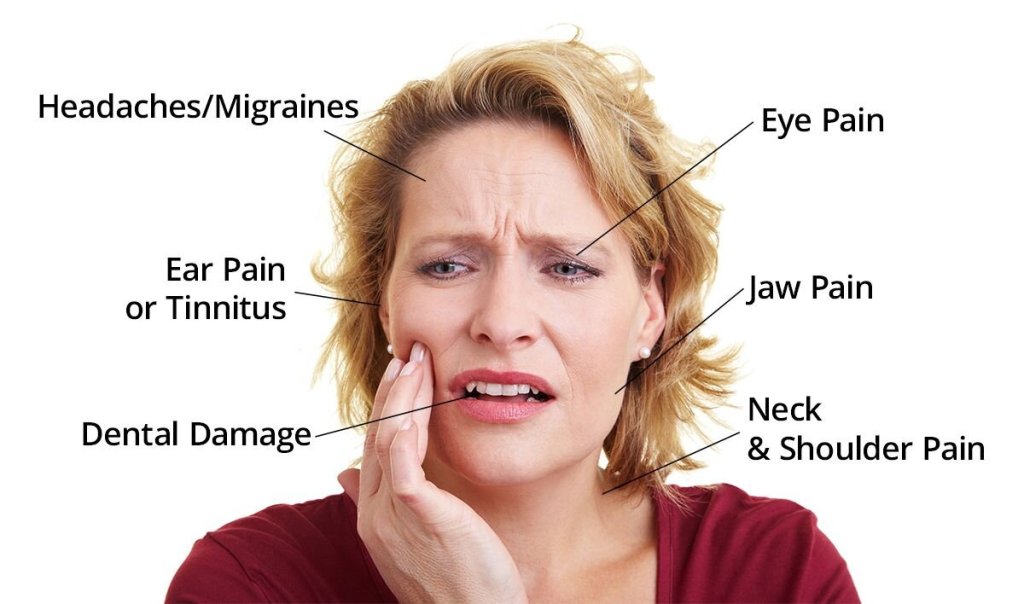
Chronic neck or jaw pain can have a significant impact on tinnitus symptoms. Our bodies are intricately connected, and discomfort in one area can ripple through to affect others. The relationship between the neck, jaw, and auditory system can be significant.
When any part of this system is under stress from pain or tension, it can exacerbate tinnitus.
Muscle Tension and Tinnitus
The muscles in our neck and jaw can become tense due to stress or posture issues. This tension can affect how we perceive sounds. When muscles become tight, they may lead to increased sensitivity in the auditory pathways, making the ringing sound of tinnitus more noticeable.
Tension in the neck can cause the head to feel heavier, altering how we hear sounds. Have you ever felt a headache settle in after a long day? That discomfort can influence not just your concentration but also how you experience tinnitus.

The Impact of TMJ Disorders
Temporomandibular Joint (TMJ) disorders often lead to jaw pain and can relate closely to tinnitus. The TMJ connects the jaw to the skull, and issues here can cause pain that radiates to the head and neck. Symptoms of TMJ disorders may include:
- Jaw tenderness
- Clicking or popping sounds when moving the jaw
- Tinnitus
Managing TMJ disorders often requires a comprehensive approach, addressing both pain relief and potential tinnitus symptoms.
Managing Chronic Neck or Jaw Pain to Alleviate Tinnitus Symptoms
If you’re dealing with chronic neck or jaw pain, addressing these issues might help lessen tinnitus. Here are some effective strategies:
Physical Therapy Techniques
Working with a physical therapist can be beneficial. They can suggest specific exercises designed to alleviate tension in the neck and jaw. Some common exercises include:
- Gentle Neck Stretches: These can help relieve tightness in the neck muscles that might be contributing to your symptoms.
- Jaw Exercises: Simple movements to gently open and close the jaw can reduce tension in the TMJ.
Implementing these exercises regularly can lead to noticeable improvements in both neck pain and tinnitus.
Stress Management and Relaxation Techniques
Stress plays a critical role in both neck pain and tinnitus. Incorporating stress-reducing practices may be extremely helpful. Consider exploring:
- Mindfulness Meditation: This can help center your thoughts and reduce overall stress.
- Deep Breathing Exercises: Focusing on your breath can calm your nervous system and potentially ease tension.
Finding relaxation techniques that resonate with you can ultimately provide a sense of control over your symptoms.
When to Seek Professional Help
It’s essential to consult healthcare professionals if you’re experiencing chronic neck or jaw pain alongside tinnitus. Identifying these symptoms early can lead to better outcomes.
Types of Healthcare Providers
Several practitioners can offer assistance, including:
- ENT Specialists: They focus on ear, nose, and throat health, including tinnitus evaluation.
- Chiropractors: They can address musculoskeletal issues that may be contributing to neck pain and tinnitus.
- Physiotherapists: They specialize in movement and muscle function, making them key players in treating neck and jaw pain.
Signs That Indicate a Need for Medical Attention
Be on the lookout for specific symptoms. If your tinnitus is accompanied by:
- Sudden changes in hearing
- Extreme pain in the jaw or neck
- Dizziness or balance issues
These could be signs that require immediate medical attention. Don’t hesitate to reach out to your healthcare provider to discuss these concerns.
Conclusion
Understanding the impact of chronic neck or jaw pain on tinnitus symptoms can open pathways for treatment and relief. Addressing both pain and tinnitus simultaneously might offer improved quality of life. Through a combination of physical therapy, stress management, and the support of healthcare professionals, there’s hope for reducing the impact of tinnitus. Taking the first step toward relief starts with recognizing the interconnectedness of your symptoms and seeking effective management strategies.


Leave a comment