


For anyone dealing with tinnitus, finding ways to relax can seem like an uphill battle. The unending sounds may compete with your ability to unwind or rest. But there is hope. In this post, we’ll explore effective relaxation techniques that can help you cope with tinnitus and improve your quality of life.
Understanding Tinnitus
Before diving into relaxation techniques, it’s essential to understand tinnitus itself. Tinnitus is not a disease but rather a symptom of an underlying condition, such as hearing loss, ear injury, or a circulatory system disorder. While it can be frustrating, understanding that tinnitus is quite common and often manageable can provide some comfort.
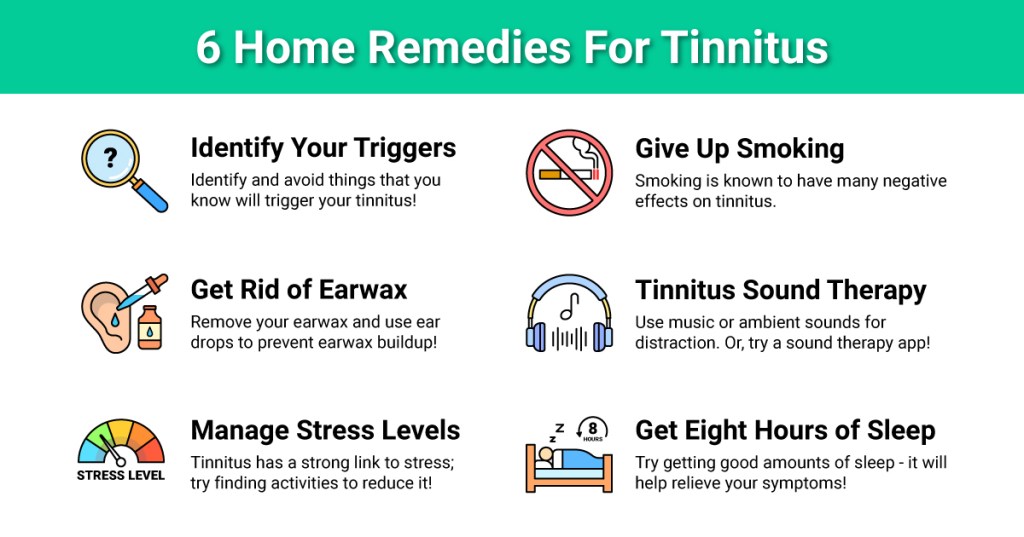
Techniques to Relax with Tinnitus
1. Sound Therapy
One of the most effective ways to cope with tinnitus is through sound therapy. This involves using external noises to mask or distract from the internal ringing. White noise machines, nature sounds, or gentle music can provide a soothing backdrop that helps diminish the prominence of tinnitus. Experimenting with different sounds can help you discover what works best for you.
2. Mindfulness and Meditation
Practicing mindfulness and meditation can significantly reduce the stress and anxiety often associated with tinnitus. By focusing on the present moment and accepting the tinnitus without judgment, you can cultivate a sense of peace and detachment from the noise. Guided meditations, which are widely available online, can offer structured support in developing a regular practice.
3. Breathing Exercises
Deep breathing exercises can help calm the nervous system and reduce stress levels. By focusing on your breath, you can divert attention away from the tinnitus and promote relaxation. Techniques such as diaphragmatic breathing or the 4-7-8 method can be particularly effective.
4. Physical Activity
Engaging in regular physical activity can be a powerful way to manage tinnitus. Exercise releases endorphins, the body’s natural stress relievers, which can help improve mood and reduce the perception of tinnitus. Activities like walking, yoga, or tai chi can provide both physical and mental benefits.
5. Creating a Relaxing Environment
Your environment can significantly impact your ability to relax. Creating a calming space with dim lighting, comfortable seating, and soothing scents can help you unwind. Incorporating elements like plants or artwork that bring you joy can also contribute to a more peaceful atmosphere.
6. Professional Support
Sometimes, professional intervention may be necessary. Cognitive-behavioral therapy (CBT) has been shown to be effective for many tinnitus sufferers. It helps change the negative thought patterns and behaviors associated with tinnitus, reducing its impact on your life. Audiologists or tinnitus specialists can also provide personalized advice and treatment options.
Conclusion
Living with tinnitus can be challenging, but it doesn’t have to dictate your quality of life. By exploring a combination of sound therapy, mindfulness, physical activity, and professional support, you can find effective ways to manage the condition and achieve relaxation. Remember, everyone’s experience with tinnitus is unique, so it may take time and experimentation to discover what techniques work best for you. With patience and persistence, it is possible to reclaim a sense of peace and well-being.

Relaxing with Tinnitus: Frequently Asked Questions
What is tinnitus, and why does it make relaxing difficult?
Tinnitus is often described as a ringing, buzzing, or hissing sound in the ears without an external source. It can make relaxing hard because the noise competes with quiet environments, drawing attention and interrupting the brain’s ability to unwind.
Can masking techniques help with relaxation?
Yes, sound masking can help. Playing white noise, nature sounds, or soft music can drown out the tinnitus, making it less noticeable and easier to relax. Many people use white noise machines, apps, or even a fan to create a calming background sound.
How can mindfulness or meditation aid in relaxation?
Mindfulness and meditation can reduce stress and change how you react to tinnitus. By focusing on breathing or an external point of attention, you can train your mind to acknowledge tinnitus without fixating on it. This practice makes it easier to relax and lowers the emotional burden of the condition.
Does stress make tinnitus worse?
Stress can heighten your perception of tinnitus and increase its intensity. Reducing stress through techniques like deep breathing, physical activity, or mindfulness can lessen the severity and make relaxing easier.
What kind of physical exercises can improve relaxation for tinnitus sufferers?
Gentle exercises like yoga, tai chi, or walking can promote relaxation and reduce stress levels. These activities also improve circulation, which some people find helpful in managing tinnitus.
Are relaxation apps or guided sessions useful for tinnitus?
Yes, relaxation apps designed for breathing exercises, guided meditation, or sound therapy can be highly effective. Look for ones that include tones or frequencies tailored for tinnitus masking.
How does avoiding silence help with relaxation?
Quiet environments can make tinnitus more noticeable. Adding soft background sounds, like a fan, calming music, or nature recordings, can reduce the prominence of the ringing and create a more soothing atmosphere.
Can lifestyle changes improve my ability to relax with tinnitus?
Absolutely. Eating a balanced diet, staying hydrated, avoiding excessive caffeine or alcohol, and maintaining a regular sleep schedule can all improve how the body handles stress and tinnitus-related discomfort.
Should I avoid complete silence when trying to sleep?
Yes, complete silence can amplify tinnitus. Use a white noise machine, gentle music, or a fan to create soft, consistent background noise. These tools can help you relax and fall asleep more easily.
What role does professional therapy play in relaxation?
Therapies like cognitive behavioral therapy (CBT) or tinnitus retraining therapy (TRT) can teach you how to manage your emotional response to tinnitus. These methods often include relaxation strategies to help you cope better.
Can certain foods or habits worsen tinnitus and disrupt relaxation?
Some people find that high-sodium foods, caffeine, or alcohol increase tinnitus. Avoiding these triggers can reduce the intensity of the sound and make it simpler to relax.
Is there an ideal environment for relaxation with tinnitus?
Yes, it helps to create a calm space with soft lighting, comfortable seating, and low, consistent background noise. Avoid overly noisy locations or complete silence, as both can make tinnitus more intrusive.
Can tinnitus go away on its own, making relaxation easier over time?
Tinnitus might fade or become less noticeable, especially if it’s related to temporary factors like stress or an ear infection. In chronic cases, learning relaxation techniques and managing stress often makes it easier to live with. Always consult a medical professional for guidance.
What should I do if tinnitus keeps me from relaxing despite trying these tips?
If tinnitus continues to affect your ability to rest, consult an audiologist or ENT specialist. They can evaluate your condition, rule out underlying causes, and suggest tailored treatments or therapies to improve your quality of life.



Leave a comment