


Tinnitus can be frustrating and exhausting, especially when the cause isn’t clear. Surprisingly, vitamin B12 deficiency is often overlooked as a potential link. If you’re hearing that constant ringing or buzzing, your body might be signaling a deeper issue. In this post, I’ll walk you through how low B12 could contribute to tinnitus and the key signs to watch for. Understanding these connections can help you take steps toward relief.
What is Tinnitus?
Tinnitus is not a disease itself, but a symptom of an underlying condition, often related to the auditory system or neurological disorders. It can be perceived as ringing, whistling, hissing, or buzzing sounds in one or both ears, and its intensity can vary from mild to debilitating. Common causes include age-related hearing loss, exposure to loud noise, earwax blockage, and ototoxic medications, among others. However, nutritional deficiencies, particularly in essential vitamins, have also been observed in some tinnitus sufferers.
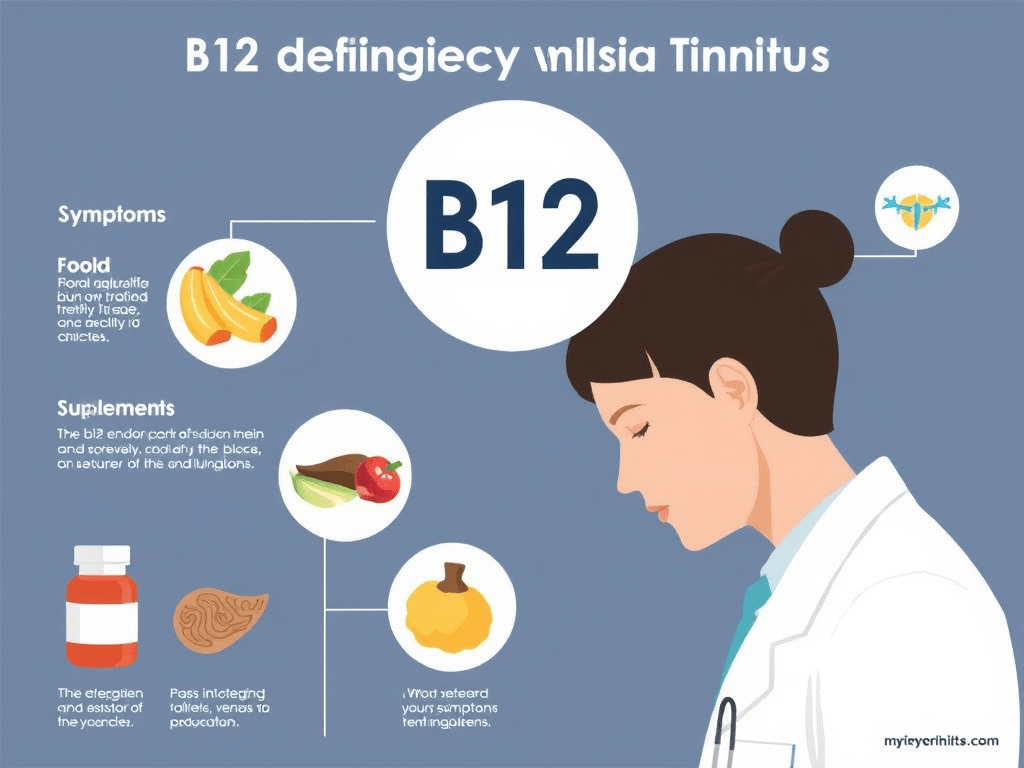
The Role of Vitamin B12 in the Body
Vitamin B12, also known as cobalamin, is a water-soluble vitamin crucial for various bodily functions. It plays a key role in DNA synthesis, red blood cell formation, and neurological function. Vitamin B12 deficiency can lead to a range of health issues including anemia, fatigue, neurological changes, and cognitive disturbances. Given its significance in maintaining nerve health, researchers have explored its potential link to tinnitus.
Vitamin B12 Deficiency and Tinnitus
A deficiency in Vitamin B12 can affect the auditory pathway and the functioning of the nerves that play a role in hearing. Some studies suggest that individuals with tinnitus may have lower levels of Vitamin B12, implicating the vitamin’s role in maintaining healthy nerve function. However, the evidence is not conclusive, and more research is needed to establish a direct causal connection.
Potential Benefits of Vitamin B12 Supplementation
For individuals with a confirmed Vitamin B12 deficiency, supplementation may offer relief from tinnitus symptoms. By potentially improving nerve function and reducing nerve degeneration, Vitamin B12 could play a therapeutic role in managing tinnitus. It is important, however, for individuals to consult healthcare professionals to determine whether they have a deficiency and to avoid self-prescribing supplements, as inappropriate use can lead to adverse effects.
Dietary Sources of Vitamin B12
For those looking to maintain adequate Vitamin B12 levels through diet, it is naturally found in animal products such as meat, fish, poultry, eggs, and dairy. Fortified foods, like some cereals and plant-based milk alternatives, also provide a valuable source for vegetarians and vegans. Ensuring a balanced diet rich in Vitamin B12 is crucial for overall health and potentially in managing tinnitus symptoms related to deficiency.
Conclusion
While the exact relationship between Vitamin B12 and tinnitus remains an area of ongoing research, ensuring adequate intake of this essential vitamin is undeniably beneficial for nerve health and overall well-being. For those experiencing tinnitus, especially alongside symptoms of deficiency, seeking medical advice is crucial. Health professionals can offer diagnostic testing and tailored advice on supplementation or dietary adjustments, paving the way for effective management of this distressing condition.
Key Takeaway
Vitamin B12 deficiency has been linked to tinnitus, a condition causing ringing or buzzing in the ears. Low B12 levels may impair nerve function and affect inner ear health. Addressing the deficiency through diet or supplements could help reduce symptoms. Consult a healthcare provider for diagnosis and personalized treatment options.


Leave a comment