


Do you notice your tinnitus worsening when your jaw feels tense or tight? This isn’t just a coincidence. Jaw clenching can play a role in triggering or intensifying tinnitus symptoms, making it important to understand the connection. This post will walk you through why this happens and share steps you can take to ease both issues effectively.
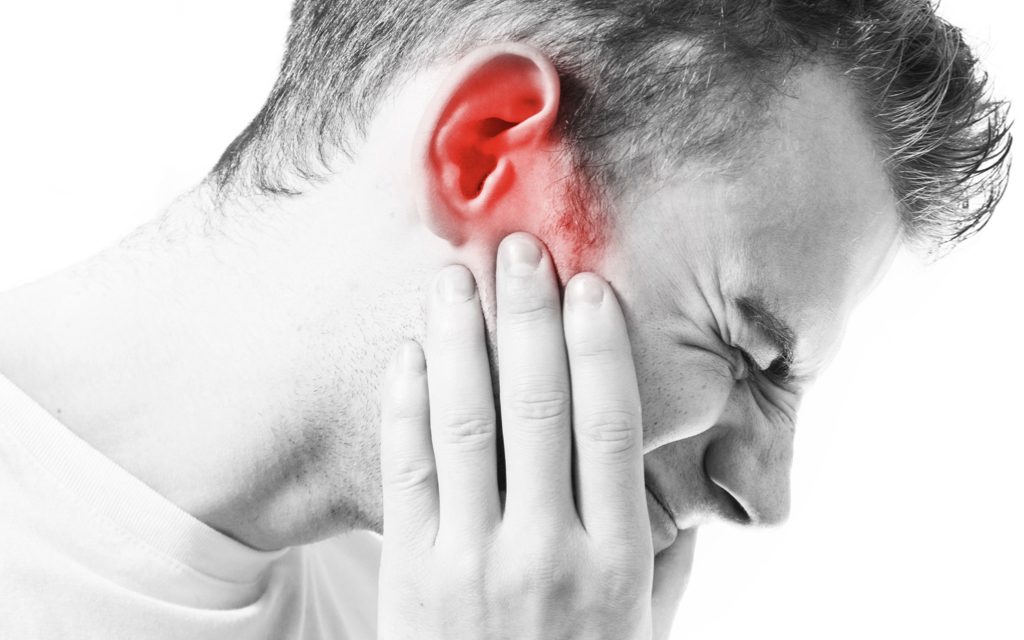
The Phenomenon of Tinnitus
Tinnitus is not a condition itself but rather a symptom of various underlying issues. It can stem from exposure to loud noises, ear infections, age related hearing loss, or neurological disorders. For some, tinnitus is a temporary inconvenience, while for others, it becomes a chronic challenge that affects their quality of life. Understanding the root cause of tinnitus is crucial for effective management and treatment.
Jaw Clenching: A Potential Contributor
Jaw clenching, also known as bruxism, is a condition characterized by tightly clenching or grinding the teeth. It often occurs unconsciously, especially during sleep, and can lead to various oral and muscular issues. Recent studies have suggested a link between jaw clenching and tinnitus, offering new insights into potential treatment avenues.
The temporomandibular joint (TMJ), which connects the jawbone to the skull, plays a central role in this connection. When individuals clench their jaw, it can lead to tension and inflammation in the TMJ. This tension may affect the auditory pathways and contribute to the perception of tinnitus.
Exploring the Connection
Understanding the relationship between jaw clenching and tinnitus requires a multidisciplinary approach. Researchers are examining how the muscular and neural pathways related to the jaw interact with auditory functions. The proximity of the TMJ to the ear structures suggests a plausible mechanism by which jaw clenching could influence auditory perception.
Moreover, stress is a common factor that exacerbates both jaw clenching and tinnitus. Individuals experiencing high levels of stress may find themselves clenching their jaws more frequently, which could, in turn, intensify tinnitus symptoms.
Managing Tinnitus Linked to Jaw Clenching
For individuals whose tinnitus might be linked to jaw clenching, several management strategies can be considered:
1. Dental Interventions: Dentists can provide mouthguards or splints to prevent teeth grinding during sleep, thereby reducing jaw tension.
2. Physical Therapy: Exercises and massages targeting the jaw muscles can help alleviate tension and improve TMJ function.
3. Stress Management: Techniques such as mindfulness, meditation, and cognitive behavioral therapy can reduce stress levels, potentially decreasing the frequency and intensity of jaw clenching.
4. Medical Consultation: Consulting with audiologists and otolaryngologists can help tailor treatments that address both tinnitus and potential jaw-related causes.
Conclusion
The connection between tinnitus and jaw clenching opens new doors for understanding and managing this often perplexing symptom. While further research is needed to fully elucidate the mechanisms at play, recognizing jaw clenching as a potential factor provides hope for those seeking relief from tinnitus. By adopting a comprehensive approach that includes dental care, physical therapy, and stress management, individuals can work towards a better quality of life free from the constant intrusion of tinnitus sounds.



Leave a comment