


Have you ever left a noisy event feeling like your ears were ringing? That frustrating buzz, known as tinnitus, can stick around longer than you’d think and it doesn’t go away. The good news protecting your ears can make a big difference. In this post, we’ll look at how ear protection can help prevent tinnitus and why taking simple steps now could save you a lot of trouble later.
Understanding Tinnitus and Its Causes
Tinnitus doesn’t just appear out of nowhere. Most of the time, it’s the result of something usually noise exposure. But before we get into that, let’s start with the basics.
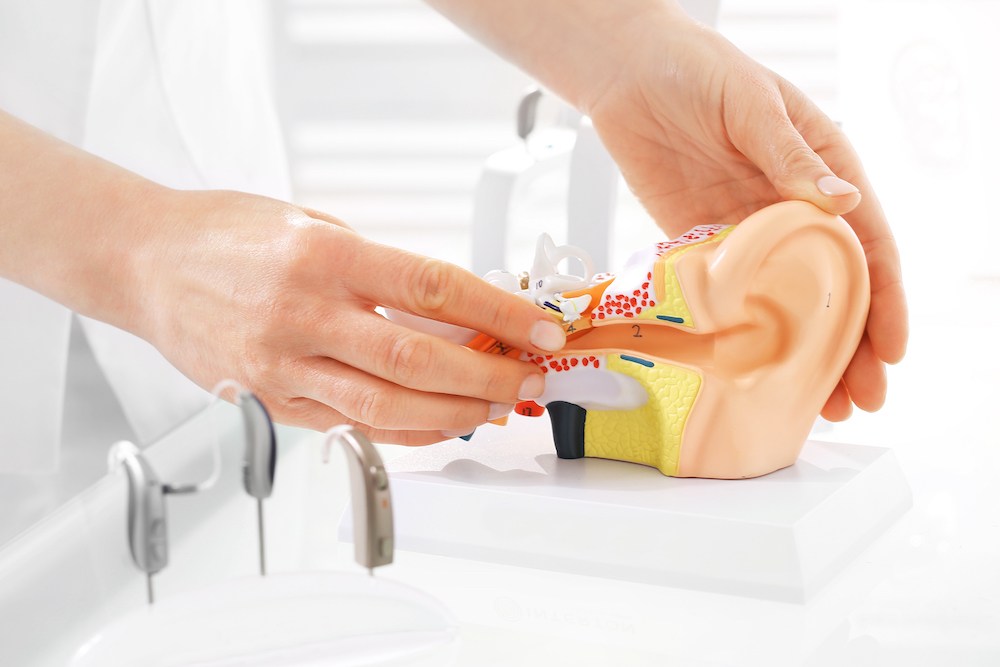
What Is Tinnitus?
Tinnitus isn’t a condition by itself. Think of it like a symptom. It’s the perception of sound when there’s no external noise present. That “sound” often takes the form of ringing, buzzing, clicking, or even whooshing. For some people, it’s a faint background noise. For others, it’s loud enough to interfere with daily life.
This happens because the auditory system your ears and brain gets disrupted. It sends signals to the brain as if there’s noise when there really isn’t.
Common Causes of Tinnitus Due to Noise Exposure
One of the leading causes of tinnitus is exposure to loud sound over time. This might be from your job, your hobbies, or even that rock concert you couldn’t resist. Jobs in construction, manufacturing, and even music often involve prolonged noise exposure.
Short-term exposure to an extremely loud sound, like a firework explosion or a gunshot, can also trigger tinnitus. This is called acoustic trauma, and the effects can be immediate.
Unfortunately, once the damage is done, it can’t be reversed. That’s why prevention is so important especially when it comes to protecting your ears in noisy environments.
How Ear Protection Helps Prevent Tinnitus
If noise is the problem, then controlling how much sound reaches your ears is the solution. Ear protection acts like a shield, reducing damaging sound levels before they ever reach your inner ear.
Types of Ear Protection Devices
Not all ear protection is the same. Depending on your situation, you might consider different options:
- Earplugs: These are small, inexpensive, and fit directly into your ear canal. Foam options are great for single use, while custom-molded plugs can be reused many times.
- Earmuffs: These cover your entire ear and fit over your head with a band. They’re ideal for environments with constant loud noise, like construction sites or factories.
- Noise-canceling headphones: Unlike other options, these actively filter out background noise. They’re perfect for reducing lower levels of sound, like airplane engines or office noise, but don’t replace industrial-grade ear protection for extreme environments.
When and Where to Use Ear Protection
Ear protection isn’t just for the workplace. Think about all the times you’re exposed to high noise levels:
- At a concert or music festival
- While mowing the lawn or using power tools
- When watching fireworks
- At a shooting range
Even if it doesn’t seem that loud, constant exposure adds up over time. That’s why I always keep earplugs handy they’re small enough to toss in a pocket or bag, and you never know when you’ll need them.

The Science Behind Ear Protection and Noise Reduction
Here’s the simple version: loud sounds damage tiny hair cells in your inner ear. These cells are responsible for translating sound waves into signals your brain can understand. Once they’re damaged, they don’t grow back. Ear protection lowers the intensity of sound before it reaches those hair cells, reducing the risk of permanent damage.
Practical Tips for Protecting Your Hearing and Preventing Tinnitus
Taking care of your hearing isn’t complicated, but it does require some attention to your daily habits. Small changes can make a big difference over time.
Limit Exposure to Loud Noises
Sometimes, the best way to protect your ears is to avoid loud environments altogether. Sure, that’s not always realistic, but here’s what you can do:
- Keep the volume low on headphones or earbuds. Follow the “60/60 rule”: listen at no more than 60% volume for no longer than 60 minutes at a time.
- Use sound level apps to monitor noise levels in real-time. If it’s over 85 decibels (about the noise level of heavy traffic), it’s time to think about ear protection.
- Choose quieter alternatives when possible. For example, electric power tools tend to be quieter than gas-powered ones.
Using Proper Ear Protection Consistently
This one’s critical. Wearing ear protection once or twice isn’t enough if you’re regularly exposed to loud noise. The key is consistency. And it’s not just about wearing it—it’s about wearing it correctly.
For instance, foam earplugs need to be properly rolled and inserted into the ear canal to block sound effectively. If they’re not seated properly, they won’t work.
Regular Hearing Checkups
Sometimes, damage can happen gradually without you even noticing. That’s why regular hearing tests are important especially if you work in noisy environments. A professional can spot early signs of hearing loss or tinnitus and guide you toward better protective measures.
Debunking Myths About Ear Protection and Tinnitus Prevention
It’s amazing how much misinformation exists around hearing protection. Let’s clear up a few things I hear all the time.
Myth: Ear Protection Is Uncomfortable or Ineffective
I get it foam earplugs used to feel awkward to me, too. But the truth is, designs have come a long way. Modern ear protection is lightweight, comfortable, and highly effective when used properly. If something doesn’t fit right, there’s likely a better option for you.
Myth: Tinnitus Is Inevitable With Aging
Sure, aging brings its challenges, but tinnitus doesn’t have to be part of the process. Much of it stems from accumulated noise damage over time. Protecting your ears now regardless of your age can slow or even prevent hearing-related issues down the line.
Conclusion
Tinnitus isn’t something to take lightly. It’s a condition that impacts millions of people sometimes permanently but it’s also something we can prevent in many cases. Ear protection, whether it’s something as simple as a pair of foam plugs or over-ear earmuffs, can make all the difference.
Your hearing is a precious gift. Once it’s gone, it’s gone. So, carry earplugs, turn the volume down, and take those hearing tests seriously. Trust me your future self will thank you.


Leave a comment