


Home

  • Tinnitus, a condition characterized by the perception of noise or ringing in the ears, can be a challenging problem to live with. Tinnitus can feel like your own endless soundtrack, disrupting sleep, concentration, and peace. But there’s hope. Using sounds for tinnitus relief, like white noise or soothing nature tones, has been a go-to method for managing it. We’ll walk you through how these sounds can provide comfort and what options might work best for you. Here we explore ten soothing sounds for tinnitus relief that you can try today.
    1. White Noise: White noise is a consistent sound that comes out evenly across all hearable frequencies. It is a popular choice for masking the sounds of tinnitus because it provides a steady auditory backdrop that drowns out disruptive noises. Examples of white noise include the sound of a fan, air conditioner, or a dedicated white noise machine.
    2. Pink Noise: Similar to white noise, pink noise is a type of sound used in sound masking. It has a lower frequency, creating a deeper sound that many people find more relaxing than white noise. Sounds like a steady rain or the wind blowing through trees are examples of pink noise.
    3. Nature Sounds: The calming sounds of nature, such as birds chirping, waves crashing, or a babbling brook, can provide a soothing distraction from tinnitus. Apps and sound machines offer a wide variety of nature sounds, allowing you to find the one that best soothes your tinnitus symptoms.
    4. Classical Music: The harmonious and rhythmic nature of classical music can help mask the symptoms of tinnitus. It’s best to choose pieces that lack sudden crescendos or abrupt changes in tempo, as these could potentially exacerbate your tinnitus.
    5. Brown Noise: This noise, also known as red noise, has even lower frequencies than pink noise. The sound of a waterfall or heavy rain is most similar to brown noise. It can be especially helpful in masking lower-frequency tinnitus sounds.
    6. Ambient Sounds: These include sounds such as a bustling café, a busy cityscape, or quiet office chatter. These sounds are not only good for masking tinnitus but can also boost productivity and focus.
    7. Binaural Beats: This is a form of sound wave therapy in which the right and left ears listen to two slightly different frequency tones yet perceive the tone as one. Research suggests this can help decrease tinnitus symptoms and promote relaxation.
    8. Notched Music: Notched music therapy involves taking music and removing the frequency band that matches your tinnitus frequency. This can help to “train” the brain to ignore the tinnitus sound over time.
    9. Masking Devices: These are small, hearing aid-like devices that emit a soft sound to mask the tinnitus. Some devices use pre-set sounds while others can be personalized to your preferences.
    10. Customized Sound Therapy: Audiologists and hearing specialists often provide customized sound therapy. This therapy is tailored to match the pitch and volume of an individual’s tinnitus, making it a highly effective option.

    In conclusion, while living with tinnitus can be challenging, there are numerous soothing sounds available that can help manage its symptoms. It’s important to remember that what works for one person may not work for another, and it may take some experimentation to find what works best for you. Always consult a healthcare professional or audiologist for personalized advice. With the right approach and management strategies, tinnitus can become less of a disruption and more of a manageable aspect of daily life.

    Key Takeaways

    • Listening to soothing sounds can help ease tinnitus symptoms.
    • White noise machines, nature sounds, or gentle music are calming for many people.
    • Apps and online tools offer tailored sound therapy options.
    • Experiment to find what works best for your tinnitus relief.
    • Background sounds can mask the ringing, helping you focus or sleep better.
    • Consistent use of sound therapy may provide long-term benefits.

    Frequently Asked Questions: Soothing Sounds for Tinnitus Relief

    What is tinnitus, and why do soothing sounds help?

    Tinnitus is the perception of ringing, buzzing, or other noises in your ears that don’t come from an external source. It’s often caused by exposure to loud sounds, hearing loss, or other ear-related issues. Soothing sounds help by masking the internal noise, making it less noticeable. They can also reduce stress, which often makes tinnitus worse.

    What types of soothing sounds are most effective for tinnitus relief?

    It depends on what works best for you. Common options include white noise, nature sounds (like rain, ocean waves, or birdsong), or gentle music. Some people find that specifically designed tinnitus sound therapy programs are more effective because they’re tailored to cover the frequencies of their tinnitus.

    Can I use a white noise machine for tinnitus relief?

    Yes, white noise machines are a popular tool for managing tinnitus. They produce consistent, calming background noise that can mask the ringing or buzzing sound in your ears. Many models offer additional options like pink noise, brown noise, or nature sounds, so you can experiment with what feels most soothing.

    Are mobile apps for tinnitus relief worth trying?

    Many tinnitus relief apps offer customizable sound options, including white noise, nature sounds, and even guided meditations. They’re convenient and portable, letting you use them wherever you are. Some apps are free, while others require a subscription, but they can be a good way to test different sounds without investing in a machine.

    How long should I listen to soothing sounds for them to be effective?

    There’s no strict time limit. Some people find relief within minutes, while others use them for longer periods, especially when trying to sleep or work. Try using them as long as it feels helpful. If it’s for sleep, it’s okay to leave them playing all night as long as the volume is low and comfortable.

    Is it okay to fall asleep while listening to soothing sounds?

    Yes, it’s perfectly fine. Many people with tinnitus use soothing sounds specifically to help them fall asleep. Just make sure the volume is low enough that it doesn’t disrupt your hearing or sleep patterns. If you’re using headphones, opt for ones designed for comfort during sleep.

    Can soothing sounds cure tinnitus?

    No, soothing sounds won’t cure tinnitus, but they can help manage it by reducing how much you notice or focus on the noise. They’re a way to take control of your symptoms, even if the underlying cause of your tinnitus remains.

    Are there risks to using soothing sounds for tinnitus relief?

    In general, no. However, it’s important to keep the volume at a safe level to avoid further damage to your hearing. If you’re using headphones or earbuds, take breaks to avoid ear fatigue. If you feel discomfort or the sounds seem to make your tinnitus worse, stop and consult with a doctor or audiologist.

    Do I need professional help to find the right sound therapy?

    Not necessarily, but if your tinnitus is severe or persistent, working with an audiologist may help you find a more targeted solution. They can recommend specific sound therapies or devices, like hearing aids with built-in masking features, that work alongside soothing sounds.

    Can sound therapy help everyone with tinnitus?

    Results vary from person to person. While many people find relief using soothing sounds, others might require additional treatments, like counseling (CBT) or medical interventions, depending on their tinnitus’s cause. Be patient and try different approaches until you find what works for you. It’s always okay to ask for expert help if you’re unsure.

    Where can I find high-quality sounds for tinnitus relief?

    You can find free options on YouTube, Spotify, and other streaming platforms that offer white noise, nature playlists, and relaxation music. There are also apps and websites specifically designed for tinnitus support, such as Sound Oasis or Relax Melodies, that provide curated soundscapes. Many white noise machines also come with built-in options. Experiment until you find one that feels good for you.


  • Mindfulness is a form of meditation that helps in staying present and focused while acknowledging and accepting one’s feelings, thoughts, and bodily sensations. In recent years, there’s been a growing interest in the potential benefits of mindfulness for a range of health conditions, including tinnitus.

    Mindfulness techniques have been shown to help ease tinnitus symptoms by calming both the mind and body. Whether the sounds seem mild or all-consuming, these methods can help regain a sense of control and peace. Let’s look at how these practices can work for you.

    In this article, we will explore some mindfulness techniques that can help ease the symptoms of tinnitus and improve quality of life.

    1. Mindful Breathing:

    Mindful breathing is a fundamental mindfulness technique. It involves focusing one’s attention on the process of inhaling and exhaling. This technique can help divert attention away from the sound of tinnitus, thereby reducing its impact. It also promotes relaxation and stress reduction, which are beneficial as stress can exacerbate tinnitus symptoms.

    To practice mindful breathing, find a quiet and comfortable place to sit. Close your eyes and take slow, deep breaths. Concentrate on the sensation of the breath entering and leaving your body. If your mind starts to wander, gently bring your focus back to your breath.

    1. Body Scan:

    The body scan is another mindfulness technique that involves paying attention to different parts of the body, from the top of the head to the tips of the toes. This method helps to increase awareness of physical sensations and can aid in the identification and release of tension.

    Start by lying on your back in a comfortable position. Close your eyes and take a few moments to focus on your breath. Then, gradually shift your attention to different parts of your body, noticing any sensations, tension, or discomfort. Take note of these sensations without judgment and let them go.

    1. Mindful Listening:

    Mindful listening can be particularly effective for individuals with tinnitus. This practice encourages the individual to pay attention to the sounds in their environment rather than focusing solely on the sound of tinnitus.

    To practice mindful listening, sit comfortably and close your eyes. Try to identify the sounds around you, such as the ticking of a clock, the hum of an air conditioner, or the chirping of birds outside your window. By focusing on these ambient sounds, you may find that the tinnitus noise becomes less intrusive.

    1. Mindfulness-Based Stress Reduction (MBSR):

    MBSR is a structured eight-week program that combines mindfulness techniques such as meditation, body scans, and yoga. Research has shown that MBSR can be effective in reducing the distress associated with tinnitus and improving quality of life.

    1. Mindful Yoga:

    Yoga, when practiced mindfully, can be a beneficial tool for managing tinnitus. Yoga combines physical postures, breathing exercises, and meditation, promoting physical and emotional wellness. The gentle movements can also help to release tension in the body, which can exacerbate tinnitus symptoms.

    While these mindfulness techniques can provide relief, it’s essential to remember that the effectiveness can vary from person to person. Practice patience and consistency, and consult with a healthcare professional or a mindfulness coach to find the techniques that work best for you.

    In conclusion, while tinnitus can be a challenging condition to live with, incorporating mindfulness techniques into your daily routine can help manage and ease symptoms. By fostering a sense of acceptance and focus on the present moment, mindfulness can provide a valuable tool for individuals living with tinnitus.

    Key Takeaways

    • Take deep breaths to calm your body and reduce stress.
    • Focus on the present moment to shift attention away from the ringing.
    • Use body scans to relax muscles and ground yourself.
    • Practice gratitude to create positive distractions.
    • Try guided meditations to build mindfulness over time.
    • Stay consistent; small steps can lead to big changes.

    How Mindfulness Can Help Ease Tinnitus: Frequently Asked Questions

    What is tinnitus, and how does mindfulness help with it?

    Tinnitus is the perception of ringing, buzzing, or other noises in your ears that aren’t caused by external sounds. Mindfulness helps by teaching you to focus on the present moment without judgment. This reduces the negative emotional reactions—like anxiety and frustration that often make tinnitus feel worse.

    Can mindfulness reduce the volume of tinnitus?

    Mindfulness doesn’t directly lower the actual sound of tinnitus, but it changes how your brain processes it. By reducing stress and improving emotional reaction, you may notice the ringing feels less intrusive or bothersome.

    What mindfulness techniques are most effective for tinnitus?

    Techniques like mindfulness meditation, deep breathing, and progressive relaxation have been shown to help. Programs such as Mindfulness-Based Tinnitus Stress Reduction (MBTSR) combine meditation, gentle yoga, education, and relaxation to retrain your brain’s response to tinnitus.

    How do I practice mindfulness meditation for tinnitus relief?

    Start by sitting in a quiet space. Focus on your breath or an external anchor, like soft background noise. When you notice the tinnitus, simply observe it without judgment and shift your attention back to your anchor. Regular practice makes it easier to let go of frustration toward the sound.

    Do I need to completely quiet my mind during mindfulness practice?

    No, and that’s a common misconception. The goal isn’t to stop your thoughts or ignore the ringing. Instead, mindfulness trains you to notice your thoughts and sensations, including the tinnitus, without reacting emotionally to them.

    How long does it take to see improvements with mindfulness?

    Many people notice a difference within a few weeks, especially if they practice consistently. Mindfulness-Based Tinnitus Stress Reduction programs typically last eight weeks and report significant improvements by the end.

    Is mindfulness better than traditional tinnitus treatments?

    Mindfulness isn’t necessarily better but can complement other treatments like sound therapy or cognitive behavioral therapy (CBT). It addresses the stress and emotional impact of tinnitus, which traditional treatments may overlook.
    Can mindfulness improve sleep in people with tinnitus?

    Yes, mindfulness can help with sleep issues caused by tinnitus. It calms the mind and reduces anxiety, making it easier to fall and stay asleep, even when the ringing feels persistent.

    Are there any risks to practicing mindfulness for tinnitus

    Mindfulness is safe for most people. Some initially find that focusing internally makes them more aware of the tinnitus, but with consistent practice, this usually improves as your emotional reaction decreases.

    Should I stop mindfulness if it makes my tinnitus feel worse?

    If you feel overwhelmed, try adjusting your approach. Start with shorter sessions or practice with a guided meditation that includes background sounds. You don’t need to force it take it at your own pace.

    Do mindfulness apps or programs work for tinnitus?

    Yes! Many apps and online programs offer guided meditations specific to tinnitus relief. They can be a great, low-cost resource for beginners or those unable to attend in-person classes.

    What’s the science behind mindfulness and tinnitus relief?

    Research shows mindfulness can change how the brain responds to tinnitus. It reduces activity in areas linked to fear and anxiety while strengthening regions that help with focus and emotional regulation. This rewiring helps you feel more in control and less distressed.

    Can mindfulness cure tinnitus?

    Unfortunately, there’s no cure for tinnitus. However, mindfulness helps you manage it by decreasing its emotional impact and making the noise feel less disruptive in your daily life.

    How do I stay consistent with mindfulness practice?

    Set aside a specific time each day for your practice, even if it’s only five minutes. Use reminders, mindfulness apps, or join a program for support. Consistency is key—small steps lead to long-term benefits.

    What if I’ve tried mindfulness and it didn’t help?

    If mindfulness didn’t seem effective, consider working with a professional who specializes in tinnitus, like an audiologist or therapist trained in MBTSR. You might also experiment with different mindfulness methods to find one that works better for you.

    You don’t have to let tinnitus define your life. Mindfulness offers a way to reclaim the moments that matter most to you. Explore these techniques at your own pace and celebrate even the smallest wins. What’s one mindfulness practice you can commit to trying this week? You’ve got this.

  • Dealing with tinnitus can be tough and it’s nonstop, it’s distracting, and it’s draining. But have you heard about using olive oil as a potential remedy? While it’s far from a cure-all, some believe this common cooking oil might offer some relief. Could there really be something to this idea? Let’s dig into the details to find out.

    Understanding Tinnitus

    Before we delve deeper into the role of olive oil in tinnitus treatment, it’s crucial to understand the condition. Tinnitus is not a disease in itself, but rather a symptom of underlying conditions, such as age-related hearing loss, ear injury, or a circulatory system disorder. It often manifests as ‘phantom’ sounds when no external noise is present. The sounds might include buzzing, ringing, hissing, or clicking.

    While there is no cure for tinnitus, there are several treatments and coping strategies that can help manage the symptoms. These include medications, cognitive behavioral therapy, sound therapy, and lifestyle changes. Recently, the use of natural remedies like olive oil has gained popularity.

    The Role of Olive Oil

    Olive oil is a fundamental component of the Mediterranean diet, lauded globally for its heart-healthy benefits. It contains high levels of antioxidants, monounsaturated fats, and bioactive compounds, which are believed to confer a variety of health benefits. But can it help to alleviate tinnitus?

    The Science Behind the Claims

    There is no direct scientific evidence that links olive oil to tinnitus reduction. However, olive oil has properties that can potentially affect factors known to contribute to tinnitus.

    Firstly, olive oil is rich in antioxidants, specifically polyphenols, which can counteract oxidative stress. Oxidative stress is believed to play a role in various health conditions, including tinnitus. By reducing oxidative stress, olive oil might indirectly help to alleviate tinnitus symptoms.

    Secondly, olive oil may contribute to improved cardiovascular health. Its consumption is linked to reduced risk of heart disease, hypertension, and high cholesterol levels. Given that circulatory system disorders can cause tinnitus, maintaining a healthy cardiovascular system with the help of olive oil might reduce the likelihood or severity of tinnitus.

    Lastly, olive oil has anti-inflammatory properties. Chronic inflammation can lead to various health problems, including hearing loss, which can trigger tinnitus. Therefore, by reducing inflammation, olive oil might help to prevent or mitigate tinnitus.

    While olive oil’s potential role in tinnitus treatment is theoretically plausible, it’s important to note that these interactions are indirect and not yet scientifically proven. More research is needed to fully understand the potential benefits of olive oil in managing tinnitus.

    Conclusion

    In summary, while olive oil may have several health benefits that could indirectly impact factors related to tinnitus, there is currently no substantial scientific evidence to confirm its effectiveness as a treatment for tinnitus. However, considering its various other health benefits, incorporating olive oil into your diet could be beneficial for overall well-being. If you’re experiencing tinnitus symptoms, it’s crucial to consult with a healthcare professional for accurate diagnosis and treatment options. Natural remedies like olive oil can complement traditional treatments but should not replace professional medical advice and treatment.

    Key Takeaways

    • Olive oil might help with tinnitus, though the evidence is limited and mostly anecdotal.
    • Some believe its anti-inflammatory properties could play a role in reducing symptoms.
    • Regular consumption, especially of extra virgin olive oil, may support overall ear and nerve health.
    • A simple at-home remedy involves warming olive oil and using it as ear drops to soften earwax, which could help if wax buildup is contributing to tinnitus.
    • Always consult with a doctor before trying olive oil for tinnitus, as the cause of symptoms can vary.
    • While olive oil isn’t a guaranteed fix, adopting a healthy diet that includes it can benefit your well-being overall.
  • Living with tinnitus can be exhausting, especially when the sounds won’t seem to stop. But did you know there are different types of tinnitus that people experience? Identifying the type could make a world of difference in managing your symptoms. Stick with me, this post is all about explaining the key differences in a way that’s simple and straightforward.

    Types of Tinnitus

    Tinnitus can be categorized into different types, each with its unique features. Let’s break them down.

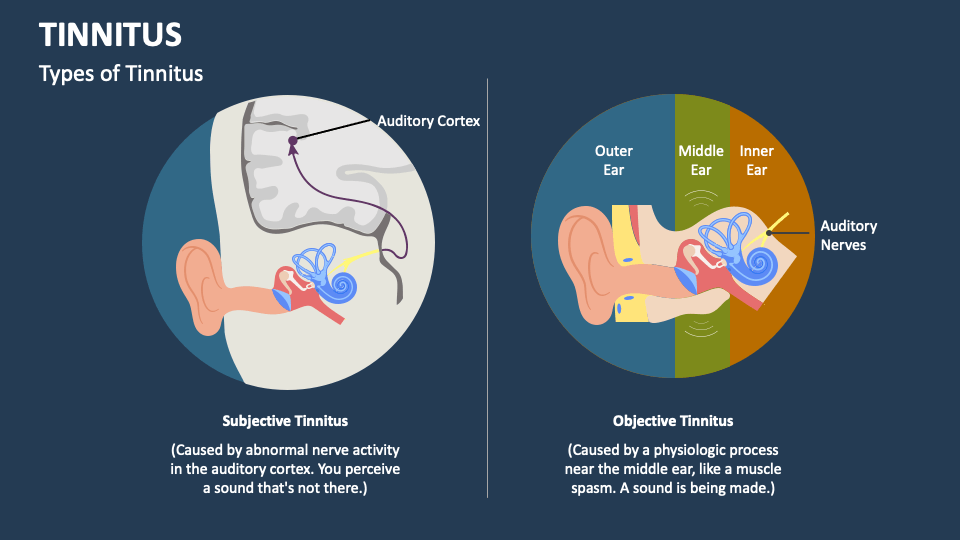
    Subjective Tinnitus

    Subjective tinnitus is the type most people experience. It’s characterized by sounds that only you can hear. No one else in the room can detect it, as it’s purely a perception. This form can be influenced by many factors, including stress, fatigue, and exposure to loud noises. If you ever find yourself saying, “I hear a sound, but no one else does,” then you may be dealing with subjective tinnitus.

    Objective Tinnitus

    Objective tinnitus, while less common, is distinct. This type can be heard by a healthcare professional during an exam, typically through specialized equipment. Objective tinnitus can arise from physical issues, such as blood vessel disorders or muscle contractions affecting the ear. If doctors can hear what you’re hearing, it might lead to more straightforward solutions.

    Common Sounds Associated with Tinnitus

    What are the sounds that accompany tinnitus? Each one can signal different experiences or underlying conditions. Let’s look at some common types.

    Ringing Tinnitus

    The most familiar sound is the ringing. It can be high-pitched or low, persistent or intermittent. Ringing tinnitus is often associated with noise-induced hearing loss or age-related hearing decline. If you’ve ever walked out of a loud concert and heard ringing for hours, you might have experienced this kind of tinnitus.

    Buzzing and Hissing Tinnitus

    Then there are times when tinnitus sounds more like buzzing or hissing. Some people describe this as a persistent static noise. These sounds might result from earwax buildup, ear infections, or even certain medications. Picture sitting in a quiet room, and suddenly hearing a low buzzing—it can be unsettling and distracting.

    Clicking Tinnitus

    Clicking sounds are another type. Unlike the continuous sound you might hear from buzzing or ringing, clicking tinnitus is intermittent. These sounds can come from changes in the muscles around the ear or issues in the jaw, such as temporomandibular joint (TMJ) disorders. If you’ve ever felt a click in your jaw or your ears, you might recognize this type.

    Identifying the Type of Tinnitus

    Recognizing your specific type of tinnitus can lead to more effective management strategies. Here’s how you can start identifying it.

    Keeping a Tinnitus Journal

    I recommend keeping a tinnitus journal to track your experiences. Write down when the sounds occur, their characteristics, and any factors that seem to trigger them. This might include stress, certain environments, or your diet. Noting patterns can help you and your healthcare provider understand your symptoms better and guide treatment options.

    Consulting a Healthcare Professional

    It’s essential not to navigate this alone. Consulting a healthcare professional is crucial for an accurate diagnosis. They can evaluate your tinnitus through comprehensive tests and provide insights tailored to your situation. Whether it’s audiologists or ENT specialists, these experts can help identify the cause of your tinnitus and suggest appropriate actions you can take.

    Conclusion

    Tinnitus varies widely from one person to another, with distinct sounds and types that can signal different root causes. Understanding whether your experience is subjective or objective, and identifying if it’s ringing, buzzing, or clicking sound, is a pivotal step toward managing it. If you’re feeling overwhelmed, remember, you don’t have to face this alone. Journaling your experiences and seeking help from qualified professionals can significantly enhance your quality of life. You’re not just managing a sound; you’re taking steps towards reclaiming your peace and well-being.

    Key Takeaways

    • Tinnitus varies by type, with each category linked to different causes and symptoms.
    • Subjective tinnitus is the most common; only the individual can hear it. It’s typically caused by hearing loss, noise exposure, or ear damage.
    • Objective tinnitus is rare and involves actual physical sounds generated by the body, like blood flow or muscle contractions, that others might detect.
    • Pulsatile tinnitus is rhythmic and matches the heartbeat, often linked to blood vessel issues.
    • Neurological tinnitus often accompanies disorders like Meniere’s disease, linked to inner ear problems.
    • Somatic tinnitus is affected by physical movements, such as neck tension or jaw clenching.
    • Musical tinnitus, also called musical ear syndrome, involves hearing tunes or melodies and is less common.
    • Tinnitus may be temporary or chronic, depending on the underlying cause.
    • Consult a healthcare provider to identify causes and explore treatment options for relief.
  • Tinnitus can feel relentless, especially at night when the background noise disappears, leaving the ringing front and center. Struggling to relax as the day winds down is frustrating, but you’re not alone in this. There are simple yet effective relaxation techniques to ease tinnitus before bed, making sleep more manageable. By trying the right methods, you can calm your mind and give your body the rest it needs.

    Understanding the Link Between Relaxation and Tinnitus Relief

    If you’ve ever noticed your tinnitus gets worse when you’re stressed or anxious, that’s no coincidence. Stress and tension can amplify your perception of tinnitus, making it feel sharper and louder. Relaxing your mind and body before bed can help reduce this reactive loop and create a calm space for rest.

    How Stress Affects Tinnitus

    Stress is like fuel for tinnitus. When you’re stressed, your body produces more cortisol, a hormone that puts your brain and nervous system on high alert. This heightened state can increase your sensitivity to sounds (including the phantom noises of tinnitus) and disrupt the way your brain processes auditory signals.

    Put simply, stress makes your brain hyper-aware, leaving you stuck in a cycle where tinnitus feels impossible to ignore. Calming yourself down before bed can help break that cycle.

    The Role of a Restful Mind in Alleviating Tinnitus Symptoms

    When your mind is racing with anxious thoughts, or you’re focused on the ringing in your ears, it’s almost impossible to relax. But a calm mind is your best ally. Shifting your attention away from tinnitus and lowering your emotional response to it can bring relief. Relaxation techniques—I’ll share ten of my favorites—are perfect for helping you make this shift and set the stage for restful sleep.

    10 Simple Relaxation Techniques to Ease Tinnitus Before Bed

    These techniques aren’t complicated, and most don’t take much time. Add one or two to your nighttime routine and see what works well for you.

    1. Deep Breathing Exercises

    Deep breathing might sound basic, but it’s incredibly effective. Try this:

    1. Sit or lie down comfortably.
    2. Inhale deeply through your nose for four seconds.
    3. Hold your breath for four seconds.
    4. Exhale slowly through your mouth for six seconds.

    Repeat this pattern for several minutes. Deep breathing calms your nervous system, reduces stress, and makes the noise of tinnitus feel less overwhelming.

    2. Progressive Muscle Relaxation

    Tension hides in your body—often without you realizing it. Progressive muscle relaxation helps you release both physical and mental stress. Here’s how:

    1. Start at your feet. Tighten the muscles in your toes for five seconds, then release.
    2. Move to your legs. Tighten, hold, and release.
    3. Work your way up through each muscle group (stomach, arms, shoulders, neck).

    By the end, your whole body feels lighter, and your mind tends to follow.

    3. Mindful Meditation

    Meditation isn’t about stopping tinnitus; it’s about focusing your attention in a way that makes it less intrusive.

    Try this: Sit quietly and focus on your breathing. When your mind wanders to the ringing in your ears, gently bring your focus back to your breath. Over time, you’ll learn to shift your attention more easily and feel less controlled by tinnitus.

    4. Sound Therapy with White Noise or Soft Music

    Complete silence can make tinnitus feel louder, so sound therapy can be a game-changer. Play soft white noise, calming nature sounds, or instrumental music in the background as you’re settling in for the night. These sounds can help mask the ringing and keep your brain focused on something soothing instead.

    5. Journaling and Thought Release

    Sometimes, tinnitus feels louder because your mind is cluttered with worries or unfinished thoughts. Journaling is like a reset button for your brain. Spend 5-10 minutes writing down anything that’s on your mind before bed. Let it all out—no rules, no judgment.

    This simple practice can reduce nighttime anxiety and create some mental “space” to relax.

    Creating an Optimal Sleep Environment for Tinnitus Relief

    Relaxation techniques are powerful, but your sleep environment also plays a huge role in managing tinnitus at night. A calm, comfortable bedroom can make all the difference.

    6. Using Noise-Masking Devices

    If your tinnitus makes silence unbearable, try noise-masking devices. White noise machines, fans, or apps designed for tinnitus relief can create background sounds that drown out the ringing. Some even come with specialized tinnitus-masking settings tailored to your needs.

    7. Maintaining a Quiet, Dark, and Relaxing Space

    Take a look around your bedroom—does it feel peaceful? Make small changes to eliminate distractions:

    • Use blackout curtains to block out light.
    • Remove screens or technology that could interrupt your sleep.
    • Keep your space clutter-free and inviting.

    A calm environment naturally supports relaxation and reduces the “fight or flight” responses that can worsen tinnitus.

    Conclusion

    Coping with tinnitus before bed isn’t easy, but it’s manageable with the right approach. By understanding the role of stress and adopting a few simple relaxation techniques, you can create a nightly routine that helps you calm down and reclaim your sleep.

    Deep breathing, progressive muscle relaxation, sound therapy—all of these small habits can make a big impact over time. Combine them with a peaceful sleep environment, and you’ll likely notice a difference in how your body and mind respond to tinnitus at night.

    Make sleep a priority and give yourself grace while you experiment with what works best for you. Tinnitus may not disappear, but you have real tools to take back control and start sleeping better tonight.

  • Tinnitus is challenging, but there are ways to potentially reduce its impact on your daily life. Adopting consistent daily habits for tinnitus management, such as improving sleep quality or staying hydrated, might help. This article explores simple daily habits that might help alleviate the discomfort associated with tinnitus.

    1. Healthy Diet:

    A healthy diet can play a significant role in managing tinnitus symptoms. Certain foods and drinks, such as caffeine, alcohol, and salty foods, may exacerbate tinnitus symptoms. On the contrary, a diet rich in fruits, vegetables, lean proteins, and whole grains can help improve overall health and potentially ease the symptoms.

    2. Regular Exercise:

    Physical activity can help reduce tinnitus symptoms by improving blood circulation, particularly in the ears. Regular exercise, such as walking, cycling, or swimming, may help reduce the perception of tinnitus by diverting your attention away from the noise and promoting feelings of wellbeing. However, it’s important not to overdo exercise, as excessive physical strain might worsen the symptoms.

    3. Stress Management:

    High-stress levels can trigger or exacerbate tinnitus symptoms. Integrating stress management techniques into your daily routine can be beneficial. This might include activities like yoga, meditation, deep-breathing exercises, or any other relaxation techniques that help reduce stress.

    4. Adequate Sleep:

    Poor sleep or insomnia can worsen tinnitus symptoms. Establish a regular sleep schedule and create a comfortable, quiet sleeping environment to promote better sleep. Using a white noise machine or fan can help mask the tinnitus noise and promote restful sleep.

    5. Limit Exposure to Loud Noises:

    Prolonged exposure to loud noises can trigger tinnitus symptoms or make them worse. If you can’t avoid loud environments, consider wearing ear protection. Moreover, try to limit the volume when using headphones or earbuds.

    6. Stay Hydrated:

    Dehydration can exacerbate the symptoms of tinnitus. Ensure to drink an adequate amount of water daily and avoid diuretic beverages like coffee and alcohol that can lead to dehydration.

    7. Quit Smoking:

    Nicotine in cigarettes can constrict the blood vessels, affecting the blood supply to the ears, which can worsen tinnitus symptoms. Quitting smoking might help reduce the severity of tinnitus.

    8. Regular Check-ups:

    Regular hearing checks can help detect any changes in your hearing ability that might be associated with tinnitus. Regular check-ups also allow your healthcare provider to monitor your symptoms and adjust your treatment plan accordingly.

    9. Mindful Listening:

    Using sound therapy or mindful listening techniques can help manage tinnitus symptoms. This might involve listening to calming sounds or low-level background noise to help distract from the tinnitus.

    10. Professional Help:

    If your tinnitus symptoms become overwhelming, seek professional help. A hearing professional can provide you with specific strategies and treatments to manage your tinnitus.

    In conclusion, while there’s currently no cure for tinnitus, adopting these simple daily habits can help manage and potentially reduce its symptoms. It’s essential to remember that what works for one person might not work for another. Therefore, it’s crucial to work closely with your healthcare provider to find the strategies that best suit your needs.

    Key Takeaways

    • Stick to a consistent sleep schedule to support your body’s natural rhythms.
    • Keep your stress in check with relaxing activities like yoga, meditation, or mindful breathing.
    • Avoid loud noises or use ear protection when exposed to them.
    • Limit caffeine and alcohol as they might worsen symptoms for some people.
    • Try a balanced diet filled with whole foods and stay hydrated throughout the day.
    • Regular exercise like walking or swimming can help improve overall wellness.
    • Use gentle background noise, like white noise machines, to reduce tinnitus awareness.
    • Track your triggers to find patterns and identify what to avoid.
    • Focus on positive habits to manage symptoms over time.
  • For those living with both tinnitus and silent migraines, the day-to-day experience can be a challenging one. Tinnitus, characterized by a constant ringing or buzzing noise in the ears, and silent migraines, a type of migraine that causes visual disturbances and other neurological symptoms without an accompanying headache, can significantly impact one’s quality of life. However, there are strategies and tips to maintain a balanced and comfortable daily life with these conditions.

    Understanding Tinnitus and Silent Migraines

    Tinnitus is a non-auditory, internal sound that can be intermittent or continuous, varying in volume and pitch. It’s often described as ringing, buzzing, hissing, humming, or even clicking. It’s not a disease but a symptom of an underlying condition such as age-related hearing loss, ear injury, or a circulatory system disorder.

    On the other hand, silent migraines, also known as acephalgic or typical aura without headache, involve many symptoms of classic migraines but without the headache phase. Symptoms can include visual disturbances (seeing zigzag patterns, flashing lights), difficulty speaking, tingling sensations, and more. Silent migraines can be disconcerting, given their neurological presentation, but they are generally harmless and short-lived.

    Managing Tinnitus

    One of the primary strategies to manage tinnitus is sound therapy. By introducing external noise, it can help mask the internal sound of tinnitus. This could be through a white noise machine, a fan, or low volume music. Hearing aids can also be beneficial for those with hearing loss in addition to tinnitus.

    Cognitive-behavioral therapy is another option to help change the way you think about and react to tinnitus. It can help reduce anxiety and improve your quality of life. Stress management techniques, such as deep breathing, yoga, and massage, can also help reduce the intensity of tinnitus.

    Living with Silent Migraines

    Managing silent migraines involves identifying and avoiding triggers. Common triggers include foods, such as chocolate, cheese, and caffeine, changes in sleep patterns, stress, and certain sensory stimuli like bright lights, loud noises, or strong smells.

    Maintaining a regular sleep schedule, eating a balanced diet, regular physical activity, and keeping stress levels to a minimum can help reduce the frequency and intensity of silent migraines. It may also be beneficial to keep a migraine diary to track potential triggers.

    Medications can also be used for both prevention and treatment of silent migraines. Over-the-counter pain relievers, triptans, and anti-nausea drugs are often used to manage symptoms, while cardiovascular drugs, antidepressants, and anti-seizure drugs can help prevent future episodes.

    Balancing Life with Tinnitus and Silent Migraines

    Living with both tinnitus and silent migraines can feel overwhelming at times, but there are actions you can take to regain control and balance. Implementing wellness practices like regular exercise, mindfulness meditation, and sufficient sleep can help manage both conditions.

    Another effective strategy is to seek support. This could be in the form of a professional therapist or counselor, a support group, or simply talking to family and friends about your experiences. Remember that it’s okay to seek help and that you’re not alone in this journey.

    Lastly, regular check-ups with your healthcare provider are crucial. They can track your condition, adjust treatments as necessary, and provide guidance based on the latest research.

    Living with tinnitus and silent migraines can indeed be challenging, but with careful management, a supportive network, and a proactive approach to health, it is entirely possible to maintain a balanced and fulfilling life. Remember, each person’s experience with these conditions is unique, and what works for one person may not work for another. It’s essential to keep open communication with your healthcare provider to find the best approach for you.

    Key Takeaways

    • Tinnitus and silent migraines can be connected. Silent migraines often occur without the typical headache but can cause symptoms like ringing in the ears (tinnitus).
    • Triggers matter. Stress, poor sleep, and certain foods or environmental factors can set off both tinnitus and migraines. Being mindful of what affects you can help reduce episodes.
    • Symptoms can overlap. Light sensitivity, dizziness, and hearing changes can show up in both conditions, making them confusing to deal with.
    • Managing stress is key. Relaxation techniques, therapy, or mindfulness practices can make a big difference. Chronic stress often worsens these issues.
    • Lifestyle changes can help. A consistent sleep schedule, balanced diet, hydration, and regular exercise are often recommended by healthcare professionals for both conditions.
    • Don’t ignore it. If these symptoms are taking over your life, talk to a doctor. They might recommend tests, medications, or other treatments that could bring relief.
    • Stay patient. Managing these conditions is a journey, but small daily changes can lead to big progress over time.
  • Have you ever wondered if high blood pressure could be your tinnitus? It’s a question many people don’t think to ask, but the connection is very real. High blood pressure can cause tinnitus or make it worse, leaving you feeling frustrated and unsure where to turn. The good news? Understanding this link is the first step toward finding relief and taking control of your health.

    Understanding Tinnitus and Blood Pressure

    Before diving into the symptoms, it is crucial to understand the relationship between tinnitus and blood pressure. Tinnitus is not a disease in itself, but rather a symptom of underlying health conditions. One such condition can be fluctuations in blood pressure, also known as hypertension or hypotension.

    Blood pressure is the force exerted by the blood against the walls of the arteries as it flows through them. When this pressure increases (hypertension) or decreases (hypotension) significantly, it can lead to various health complications, including tinnitus. Changes in blood pressure can affect the blood flow to the ears, leading to the unsettling sounds of tinnitus.

    Signs Your Tinnitus is Related to Blood Pressure Fluctuations

    1. Consistent High Blood Pressure: If you have a history of consistent high blood pressure and have recently developed tinnitus, there could be a connection. Hypertension can lead to hardening of the arteries (atherosclerosis), affecting blood flow and potentially causing tinnitus.
    2. Pulsatile Tinnitus: This is a type of tinnitus where you hear a rhythmic pulsing sound, often in time with your heartbeat. This can be a sign that your tinnitus is connected to changes in the blood flow in your body, possibly due to hypertension.
    3. Changes in Tinnitus with Body Position: If you notice that the intensity or frequency of your tinnitus changes with body movements or positions, this could be a sign that it is related to blood pressure. For instance, you may notice an intensified ringing when you stand up quickly or bend over.
    4. Tinnitus Accompanied by Dizziness or Lightheadedness: Both of these symptoms are commonly associated with changes in blood pressure. If your tinnitus is accompanied by frequent dizziness or lightheadedness, it could be a sign that it is related to your blood pressure.
    5. Response to Blood Pressure Medication: If your tinnitus symptoms improve with the use of blood pressure medication, this is a clear indication of a connection between the two. Likewise, if you notice an onset or worsening of tinnitus after starting a new blood pressure medication, you should inform your healthcare provider.
    6. Co-occurrence with Other Symptoms of Hypertension: If your tinnitus occurs alongside other symptoms of hypertension, such as headaches, fatigue, irregular heartbeat, and vision problems, there is a high likelihood that it is blood pressure-related.

    Managing Tinnitus Related to Blood Pressure

    If you suspect your tinnitus is related to blood pressure fluctuations, it is important to seek medical advice. A healthcare professional can conduct the necessary tests to reach a diagnosis. If a connection is established, your doctor may recommend lifestyle modifications, medication, or other therapies to manage both conditions better.

    Lifestyle modifications could include adopting a balanced diet, regular physical activity, limited alcohol consumption, and quitting smoking – all of which can help regulate blood pressure. Moreover, stress management techniques like meditation, deep breathing, and yoga can also be beneficial, as stress can exacerbate both tinnitus and hypertension.

    In conclusion, while tinnitus can originate from various sources, it is crucial not to overlook the possible connection with blood pressure fluctuations. By recognizing the signs and symptoms, you can take appropriate steps to manage your condition and improve your quality of life. Remember, it’s always best to consult a healthcare professional if you suspect your tinnitus is related to your blood pressure.

    Key Takeaways

    • High blood pressure can sometimes cause or worsen tinnitus, which is a sensation of ringing, buzzing, or hissing in the ears.
    • The increased pressure in blood vessels may affect blood flow near the ear, leading to these symptoms.
    • Tinnitus linked to high blood pressure may feel louder during times of stress or when blood pressure spikes.
    • Conditions like arteriosclerosis (narrowed blood vessels) and circulation issues can worsen both high blood pressure and tinnitus.
    • Lowering blood pressure through lifestyle changes, medication, and stress management may help reduce tinnitus symptoms.
    • Consult a doctor to address underlying issues, as treating high blood pressure can improve overall health and ear-related symptoms.
  • Introduction

    Menopause is known for throwing some curve-balls, and tinnitus might be one you didn’t see coming. That constant ringing or buzzing in your ears can feel overwhelming, especially when it seems to show up out of nowhere. The truth is, hormonal shifts during menopause are often the culprit. But here’s the good news. There are ways to address it. Stick around to learn why this happens and how you can take back some control.

    Understanding Tinnitus

    Tinnitus is not a disease but rather a symptom of an underlying condition. It can be a temporary occurrence or a chronic issue, and it is often associated with a variety of conditions, including age-related hearing loss, circulatory system disorders, or ear injuries. Tinnitus is subjective, implying that it is only audible to the person experiencing it. The sound may be constant or intermittent, and it can vary in volume.

    Menopause and Hormonal Changes

    Menopause is a natural biological process that marks the end of a woman’s menstrual cycles, usually occurring in their 40s or 50s. The hallmark of menopause is a significant decrease in the production of hormones, particularly estrogen and progesterone, causing various physiological changes. These hormonal changes can lead to a wide range of symptoms, including hot flashes, night sweats, mood changes, and sleep disturbances. But how exactly does this relate to tinnitus?

    The Estrogen-Tinnitus Connection

    Estrogen plays a crucial role in several bodily functions, including the regulation of sensory processing and the inflammatory response. The hormone is also known to influence auditory processing. When estrogen levels drop during menopause, it can disrupt the normal functioning of the auditory system, leading to symptoms like tinnitus.

    Moreover, estrogen has vasodilatory properties, which mean it helps to widen blood vessels, improving blood flow. A decrease in estrogen could potentially lead to reduced blood flow in the inner ear, contributing to tinnitus.

    The Role of Progesterone

    Progesterone, another hormone that declines during menopause, also plays a role in the onset of tinnitus. Progesterone has a neuroprotective effect on the hearing system. It aids in the repair of the myelin sheath, the protective covering of nerve fibers in the brain that facilitates the transmission of electrical impulses. A decrease in progesterone during menopause can disrupt these processes, potentially leading to tinnitus.

    Stress and Tinnitus

    Menopause can be a stressful time for many women due to the rapid hormonal changes and accompanying symptoms. Chronic stress is known to exacerbate tinnitus, creating a vicious cycle. The body’s response to stress – the release of adrenaline – can cause vasoconstriction, reducing blood flow in the inner ear and potentially leading to or worsening tinnitus.

    Conclusion

    While the exact link between menopause and tinnitus is not entirely clear, it is evident that hormonal changes during menopause can influence the onset or exacerbation of tinnitus. Understanding this connection can help healthcare providers better address the multidimensional health concerns of women in their menopausal stage. Women experiencing tinnitus during menopause should consult their healthcare provider to discuss potential treatments, which can range from hormone replacement therapy to stress management techniques.

    It is crucial to remember that while menopause can be a contributing factor, tinnitus can also be a symptom of other health conditions. Therefore, thorough medical evaluation is necessary to rule out any underlying issues.

    Key Takeaways

    • Hormonal shifts during menopause may be linked to tinnitus, a ringing or buzzing in the ears.
    • Estrogen levels dropping could affect blood flow and ear function, possibly worsening symptoms.
    • Stress and sleep issues, common in menopause, can make tinnitus feel more overwhelming.
    • It’s not all bad news: lifestyle changes can help. Eating well, staying active, and managing stress are important steps.
    • Some women find relief with mindfulness, yoga, or guided breathing exercises.
    • If tinnitus is interfering with your daily life, consider reaching out to a healthcare professional. There are treatments available.
    • Remember, you’re not alone in this. Many women experience the same challenges, and with some attention, this can get better.
  • Have you ever noticed that when your posture is off, your body feels it in more ways than one? Bad posture and tinnitus may seem unrelated at first, but they could be more connected than you think. If you’ve been wondering why your ears won’t stop ringing or if your slouched stance could play a role, you’re not alone. We’ll explore how posture affects your body and what it means for those persistent sounds in your ears.

    The Science Behind Tinnitus and Posture

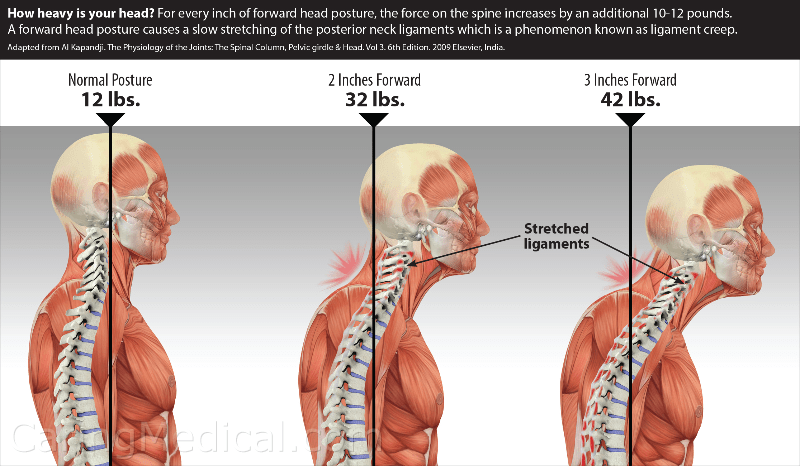
    Understanding the relationship between muscle tension, circulation, and tinnitus is crucial. When we maintain poor posture, particularly slouching, it can lead to muscle tightness in the neck and jaw. This tension can restrict blood flow and impact nerve function in the head and neck area, ultimately contributing to tinnitus symptoms.

    What is Tinnitus?

    Tinnitus is essentially the perception of sound in the absence of external noise. It manifests in various ways, including ringing, buzzing, or whooshing sounds. There are different types of tinnitus, but in the context of posture, somatic and cervical tinnitus are particularly relevant. Somatic tinnitus refers to cases where body movement or tension directly influences the intensity of the sounds a person hears. Cervical tinnitus is often connected to issues in the neck that may result from bad posture.

    How Poor Posture Contributes to Tinnitus

    Bad posture doesn’t just affect how we stand or sit; it can significantly impact our overall physical health. When I slouch or keep my head tilted forward for prolonged periods, the muscles in my neck and jaw can become tense. This tension can lead to headaches and jaw discomfort, which are often linked to tinnitus. In essence, the constant strain on these muscles can aggravate the symptoms of tinnitus for many individuals.

    Symptoms of Tinnitus Related to Posture

    Recognizing how tinnitus symptoms correlate with posture can be enlightening. Many people experiencing tinnitus may also complain of neck pain, jaw discomfort, or frequent headaches. These are not mere coincidences.

    Recognizing Cervical and Mandibular Tinnitus

    Cervical tinnitus usually arises from issues in the neck region, such as muscle tension or nerve compression. On the other hand, mandibular tinnitus is connected to jaw-related problems, including temporomandibular joint (TMJ) dysfunction. Poor posture can exacerbate both conditions, leading to a more pronounced experience of tinnitus.

    Muscle Tension and Its Effects

    As muscle tension builds up, it can further irritate the auditory system, resulting in intensified tinnitus symptoms. When I notice my neck feels stiff or my jaw tightens, I often experience a noticeable uptick in my tinnitus. It’s a reminder of just how interconnected our body systems are.

    Exercises to Improve Posture and Alleviate Tinnitus

    Fortunately, there are several effective exercises designed to improve posture and potentially alleviate tinnitus symptoms. Incorporating these into my daily routine has become invaluable.

    Neck and Shoulder Stretches

    Regularly performing neck and shoulder stretches can help relieve tightness. Some effective movements include:

    • Neck tilts: Gently tilt your head to one side, holding for 15 seconds, then switch sides.
    • Shoulder rolls: Roll your shoulders back and down in a circular motion to loosen tightness.

    Jaw Exercises for Tinnitus Relief

    Jaw exercises can alleviate TMJ-related tinnitus. Try these simple routines:

    • Open and close your mouth: Slowly open your mouth as wide as comfortable, then close it. Repeat this several times.
    • Jaw massage: Use your fingers to massage the jaw muscles gently, focusing on areas that feel tight.

    Mindfulness and Relaxation Techniques

    Relaxation techniques such as mindfulness meditation can significantly reduce tension. Techniques like deep breathing and progressive muscle relaxation can create a calming effect, alleviating both muscle tension and the symptoms of tinnitus.

    Prevention and Long-term Management Strategies

    Prevention is key. Making conscious lifestyle adjustments can dramatically affect posture and, in turn, help mitigate the risk of developing tinnitus.

    Ergonomic Adjustments in Daily Life

    Setting up an ergonomic workspace is an essential step. Adjust your chair and desk height to ensure you maintain a neutral posture while working. Keeping your monitor at eye level helps reduce strain on the neck.

    Regular Physical Activity

    Staying active is crucial for both posture and ear health. Engaging in activities like walking, yoga, or swimming can strengthen the muscles supporting your spine and neck, reducing the risk of tension-related tinnitus.

    Conclusion

    The connection between bad posture and tinnitus is more than just coincidence. By understanding how posture influences muscle tension and circulation, I’m more mindful of my body alignment throughout the day. Integrating simple exercises and making ergonomic adjustments can provide real relief from tinnitus symptoms. It’s essential to take posture seriously, as the condition of our bodies can directly influence the health of our ears. Let’s prioritize good posture for better overall well-being and ear health.

    Key Takeaways

    • Poor posture can contribute to tinnitus (ringing in the ears).
    • Tension in the neck, shoulders, or jaw may increase tinnitus symptoms.
    • Slouching can strain muscles, restrict blood flow, and affect nerves, leading to ear issues.
    • Sitting up straight and using ergonomic furniture can help reduce discomfort.
    • Stretching, physical therapy, and posture exercises may ease symptoms over time.
    • If tinnitus persists, consult a doctor to rule out other causes.