


Home

  • Introduction

    Tinnitus, a common condition characterized by persistent ringing, buzzing, or whistling in the ears, affects millions of people worldwide. The severity of this condition varies from person to person, and while some individuals may consider it a mild annoyance, others may find their quality of life significantly compromised. Various treatments have been proposed over the years, but one that’s been gaining attention in recent times is biofeedback therapy. This article aims to shed light on how biofeedback therapy works and its potential as a treatment option for tinnitus sufferers.

    What is Biofeedback Therapy?

    Biofeedback therapy is a technique that trains individuals to control certain bodily functions that are typically automatic, such as heart rate, blood pressure, muscle tension, and skin temperature. This is achieved by using electronic or electromechanical equipment to monitor and feed back information about these physiological functions.

    During a biofeedback session, sensors attached to the skin send signals to a monitor, which displays a sound, light, or image that represents the bodily function being tracked. By observing this monitor, individuals can gain knowledge about their body’s internal processes and eventually learn to control them.

    Biofeedback Therapy for Tinnitus

    Biofeedback therapy has been explored as an intervention for various health conditions, including chronic pain, hypertension, anxiety, and more recently, tinnitus. The therapy’s fundamental premise is that by controlling bodily functions, individuals could potentially manage their perception of tinnitus, reducing its impact on their lives.

    In the context of tinnitus, biofeedback therapy primarily focuses on reducing stress and muscle tension. It is well-documented that stress can exacerbate tinnitus symptoms, and muscle tension, particularly in the neck and jaw, has been linked to tinnitus as well. Therefore, the main goal is to teach individuals how to lower stress levels and relax specific muscle groups.

    How Effective is Biofeedback Therapy for Tinnitus?

    Research into the effectiveness of biofeedback therapy for tinnitus is still in its early stages. However, some studies have shown promising results. A review published in the American Journal of Audiology found that biofeedback therapy could provide a significant reduction in tinnitus distress. Participants in the study reported less annoyance and improved concentration after undergoing biofeedback therapy.

    Another study published in the Journal of Psychosomatic Research found that biofeedback therapy could be as effective as cognitive-behavioral therapy (CBT), a widely accepted treatment for tinnitus. The participants who underwent biofeedback therapy reported a significant reduction in tinnitus severity and improved quality of life.

    However, it’s important to note that biofeedback therapy might not work for everyone. The effectiveness of the treatment can vary based on several factors, including the individual’s overall health, the severity of their tinnitus, their motivation, and their ability to practice the techniques consistently.

    Conclusion

    Biofeedback therapy provides a promising, non-invasive approach to managing tinnitus. By enabling individuals to control certain physiological processes, it can help reduce stress and muscle tension, which are often linked to tinnitus. While more research is needed to fully understand its potential, preliminary studies hint at its efficacy. As always, individuals suffering from tinnitus should consult with a healthcare provider before starting any new treatment regimen.

    Key Takeaways

    • Biofeedback therapy can help reduce tinnitus symptoms by teaching you how to control your body’s stress responses.
    • It focuses on calming the nervous system, which can play a big role in how you experience tinnitus.
    • Sessions often use guided techniques to monitor and adjust things like heart rate, breathing, or muscle tension.
    • You’ll learn how to manage your physical reactions, which can make tinnitus feel less overwhelming.
    • This approach is non-invasive and focuses on building skills over time, putting you in control.
    • Many people find it helps with both the sound and the emotional toll that tinnitus can take.
    • It’s not a cure, but it can be part of a larger plan to feel better and manage symptoms.
    • Working with a trained therapist is key to getting the most out of biofeedback.
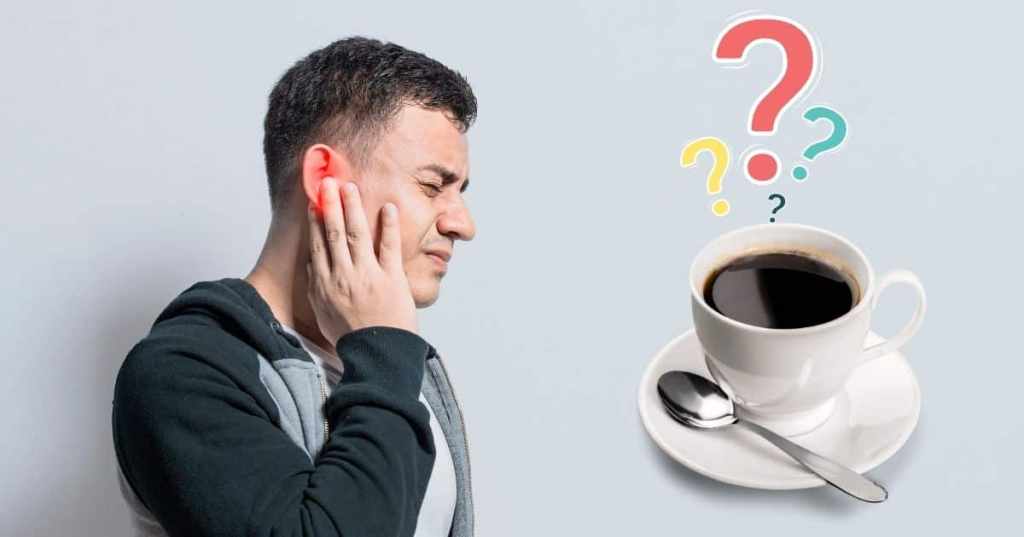
  • Does that cup of coffee make your tinnitus worse or is it all in your head? For anyone dealing with the constant buzz of tinnitus, it’s a frustrating question. You’ve probably heard mixed advice, leaving you unsure of what to believe. Here, we’ll cut through the noise and explore how caffeine affects tinnitus, helping you make informed choices about your daily habits.

    What is Tinnitus?

    Tinnitus isn’t a disease and it’s a symptom. It’s the perception of sound in the absence of any external noise. For some, it’s a soft hum; for others, it’s a relentless high-pitched screech. What causes it? The list is long. It might start because of prolonged exposure to loud noises, age-related hearing loss, or an ear injury. Sometimes, it’s linked to health conditions like high blood pressure or stress.

    There are two primary types of tinnitus:

    • Subjective tinnitus, the most common type, occurs when only you hear the noise.
    • Objective tinnitus is rare and is actually audible to others, usually caused by physical body noises like blood flow.

    If you’ve dealt with tinnitus, you already know how life-altering it can be. That’s why digging into triggers, like caffeine, is so important because any chance to reduce its impact is worth exploring.

    Caffeine and Tinnitus: What the Research Says

    Let’s cut to the chase: research on caffeine’s effect on tinnitus is mixed. Some findings suggest caffeine might make tinnitus worse, while others see potential for caffeine to be protective. If this sounds confusing, that’s because it is. Scientists are still working to untangle how caffeine interacts with the auditory system.

    Here’s a quick summary of what studies say:

    • Caffeine as a possible trigger. Some research links caffeine to increased nerve activity and heightened blood pressure, both of which could theoretically make tinnitus worse.
    • Caffeine’s protective side. On the flip side, studies have shown that higher caffeine intake in individuals without tinnitus can actually lower the risk of developing the condition. For example, a study found that women with higher caffeine consumption had a reduced risk of experiencing tinnitus.

    Still, these varying outcomes depend heavily on individual factors like your caffeine tolerance, overall health, and whether you already have tinnitus.

    Caffeine as a Tinnitus Trigger

    Why does caffeine sometimes get blamed? For starters, caffeine is a stimulant. It amps up your nervous system by blocking adenosine, a chemical that promotes relaxation. This can lead to increased heart rate and blood pressure—which, for some people, can exacerbate tinnitus symptoms.

    Ever felt jittery after too many cups of coffee? Imagine adding persistent ringing into the mix. Some people find their tinnitus symptoms spike after consuming energy drinks, coffee, or even caffeinated tea. This might be because caffeine increases excitatory neurotransmitters like glutamate, potentially ramping up nerve activity in the auditory pathways.

    But here’s the thing: not everyone reacts the same way. What worsens tinnitus for one person may have zero effect on another.

    Protective Effects of Caffeine

    Now here’s the curveball. Studies have shown that, for some individuals, caffeine might actually protect against tinnitus. In one large study of women, higher caffeine consumption was linked to a lower risk of developing tinnitus. How does that work? One theory is that caffeine’s stimulating effects could improve blood flow and cognitive alertness, which might help prevent tinnitus symptoms from developing in the first place.

    However, this potential benefit seems most pronounced in individuals without pre-existing tinnitus. For those already dealing with ringing in their ears, caffeine reduction has sometimes shown positive results but it’s not universal.

    The Role of Glutamate and Adenosine

    Caffeine’s effect on tinnitus might boil down to brain chemistry. Specifically, how it interacts with two neurotransmitters: glutamate and adenosine.

    • Glutamate: This excitatory neurotransmitter plays a role in transmitting sensory signals, including sound. Excessive glutamate activity might worsen tinnitus, and caffeine’s stimulation of glutamate release could be part of the issue for some.
    • Adenosine: Normally, adenosine has a calming effect on the nervous system. Caffeine blocks it, which could lead to increased brain and nerve activity. For people with tinnitus, this might mean heightened awareness of those phantom sounds.

    The bottom line? Caffeine’s impact seems to depend on how sensitive your auditory system is to these changes.

    Should You Avoid Caffeine If You Have Tinnitus?

    If you’re wondering whether caffeine is the culprit behind your tinnitus symptoms, here’s the short answer: it depends. The relationship between caffeine and tinnitus isn’t black and white. For some, cutting back or cutting it out altogether leads to noticeable improvement. For others, it doesn’t seem to matter.

    Moderation: A Balanced Approach

    Moderation is often a good starting point. Instead of quitting caffeine cold turkey (which could lead to withdrawal headaches and irritability), try reducing your intake slowly. For example:

    • Swap one caffeinated beverage per day for a decaf alternative.
    • Drink smaller servings of coffee or tea.
    • Skip the late-afternoon pick-me-up to avoid caffeine interfering with your sleep, which can also worsen tinnitus.

    By testing small changes, you’ll get a clearer sense of how your body reacts without overwhelming yourself.

    When Caffeine Reduction Helps

    Some individuals report significant relief from tinnitus symptoms after cutting back on caffeine. This might be especially true for those drinking very high amounts (think several energy drinks or cups of coffee per day). If your tinnitus flares shortly after consuming caffeine, this is a strong signal to experiment with reducing your intake.

    Managing Tinnitus Beyond Caffeine

    While caffeine is worth evaluating, it’s seldom the whole picture. Other lifestyle adjustments can help manage tinnitus symptoms:

    • Stress management: Chronic stress often worsens tinnitus. Practices like mindfulness, yoga, or therapy can help you cope.
    • Sleep hygiene: Poor sleep can amplify tinnitus. Aim for steady sleep patterns and avoid screen time before bed.
    • Dietary triggers: Beyond caffeine, some people find high-sodium foods or alcohol exacerbate their symptoms.
    • Hearing protection: If loud environments trigger your tinnitus, invest in quality earplugs.

    The goal is to find a combination of strategies that improves your quality of life, not just focusing on a single factor.

    Conclusion

    Caffeine and tinnitus don’t have a one-size-fits-all relationship. For some, caffeine can make symptoms worse for others, it might be completely neutral or even beneficial. The key is to listen to your body and experiment. Maybe try cutting back for a couple of weeks. Does it make a difference? Fantastic. If not, you’ve ruled out one potential trigger and can focus your energy elsewhere.

    Living with tinnitus isn’t easy. But small, intentional changes—whether it’s sipping on less coffee or exploring stress reduction techniques can help you reclaim control. As always, consult with a healthcare provider before making big changes, and remember: you’re not alone in this journey.

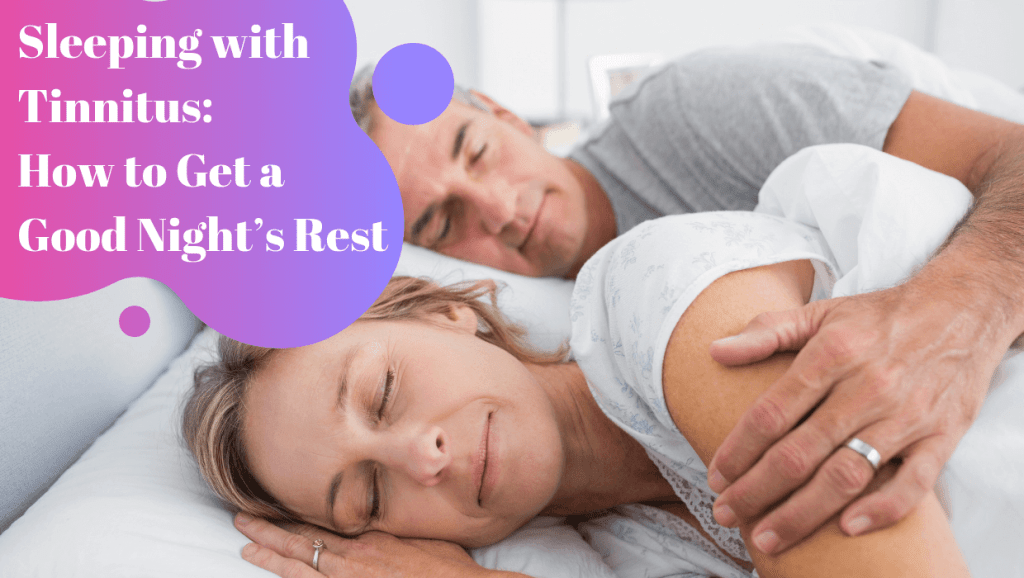
  • Tinnitus is exhausting enough on its own, but what if your sleep position is making it worse? For many people, the way they sleep could be adding unnecessary strain on sensitive areas like the neck and jaw. The good news small changes might ease that buzzing or ringing in your ears. Stick around as we dive into the connection between sleep posture and tinnitus, and find out how you can start sleeping and maybe hearing better.

    Understanding Tinnitus

    What is Tinnitus?

    Tinnitus is often described as a ringing, buzzing, or hissing sound in the ears when no external sound is present. Surprisingly, it affects about 15% to 20% of the population, cutting across ages and demographics. While it can be temporary, for some, it’s a chronic condition that can lead to frustration and anxiety, especially at night when distractions are minimal.

    Common Causes of Tinnitus

    Many factors can cause tinnitus:

    • Hearing Loss: Age-related hearing loss is one of the most common causes.
    • Ear Injuries: Exposure to loud sounds or physical trauma to the ear can trigger tinnitus.
    • Medical Conditions: Issues such as ear infections, sinus infections, or even jaw joint disorders can lead to the onset of tinnitus.
    • Medications: Certain medications, particularly some antibiotics and chemotherapy drugs, list tinnitus as a possible side effect.

    These causes can create a cycle where tinnitus itself can lead to more issues, one of which is disrupted sleep.

    Effects of Tinnitus on Sleep Quality

    For many, tinnitus tends to worsen at night, making sleep seem elusive. The quietness of nighttime magnifies those sounds, and anxiety over the noise can lead to insomnia. A lack of quality sleep not only affects your mood but can also result in cognitive issues and increased fatigue during the day. It’s a challenging cycle that can leave you feeling drained and overwhelmed.

    Sleep Positions that May Exacerbate Tinnitus

    Sleep positions can play a significant role in how your body copes with tinnitus. Let’s take a closer look at how different sleeping arrangements might impact your symptoms.

    Sleeping on Your Back

    When you sleep on your back, you might place additional strain on your cervical spine and potentially disrupt blood flow to your head and neck. This positioning can lead to increased pressure in the ears, exacerbating tinnitus symptoms. If you notice your symptoms intensifying, consider switching it up.

    Side Sleep Positions

    Sleeping on your side can have both benefits and drawbacks:

    • Left Side: Some people find that sleeping on their left side helps reduce the perception of tinnitus. This position can promote better circulation and spinal alignment.
    • Right Side: For others, the right side can be less favorable as it might compress certain arteries, impacting blood flow.

    Striking a balance based on your comfort and the way your body feels is essential. Everyone reacts differently, so experiment to see what feels right.

    The Risks of Sleeping on Your Stomach

    Sleeping on your stomach may seem comfortable to some, but it poses risks for those with tinnitus. This position can cause strain on your neck and spine, potentially inhibiting blood flow and amplifying that bothersome ringing in your ears. If you wake up feeling more tense or your tinnitus has worsened, it might be time to reassess this choice.

    Strategies for Mitigating Tinnitus While Sleeping

    While adjusting your sleep position can help, there are other strategies to improve sleep quality when living with tinnitus.

    Creating a Sleep-Friendly Environment

    Your surroundings play a significant role in your ability to rest. Consider the following tips:

    • Invest in a Good Mattress: Ensure your bed supports your sleep style.
    • Control Room Temperature: A cooler room is typically better for sleep.
    • Limit Light Exposure: Use blackout curtains to create a dark sleeping space.

    These adjustments can help minimize distractions and promote a restful atmosphere.

    Utilizing Sound Therapy

    One of the most effective ways to mask tinnitus sounds is through sound therapy. Using white noise machines, soft music, or nature sounds can help cover the perceived noise of tinnitus. This approach can provide a calming backdrop that makes it easier to drift off to sleep.

    Relaxation Techniques Before Bed

    Incorporating specific relaxation techniques before sleeping can ease anxiety and promote a sense of calm. Consider the following:

    • Deep Breathing: Focus on taking slow, steady breaths to calm your mind and body.
    • Meditation: This practice helps to center your thoughts and reduce stress.
    • Gentle Yoga: A few simple stretches can release tension buildup.

    Taking time before bed to wind down can be as vital as your sleep position.

    Conclusion

    Discovering the right sleep position can be a game-changer in managing tinnitus. Whether it’s learning that sleeping on your side provides relief or understanding how to create a calming sleep environment, each choice you make matters. By implementing thoughtful strategies to manage your symptoms and adjusting your sleep routine, you can reclaim restful nights and improve your overall quality of life. Remember, you’re not alone on this journey, and with the right tools and understanding, it’s possible to ease the burden of tinnitus.

  • If you’ve been searching for ways to manage tinnitus, you’ve likely come across a range of treatments, some more effective than others. One promising option gaining attention is Tinnitus Notch Therapy.

    This innovative approach offers hope for those struggling with tinnitus. By tapping into the brain’s ability to adapt and rewire itself, it aims to reduce the nagging symptoms that so often interfere with daily life. Let’s take a closer look at what makes this therapy stand out and how it may help you or someone you know.

    Understanding Tinnitus and Its Impact

    It’s hard to fully appreciate how life altering tinnitus can be unless you’ve experienced it yourself. For those who hear these phantom sounds, daily tasks that require focus or quiet can feel nearly impossible.

    What is Tinnitus?

    Tinnitus isn’t a condition itself but a symptom of underlying issues. Often described as a ringing in the ears, it can actually take many forms buzzing, hissing, roaring, clicking, or even a high-pitched tone. Some people hear these noises constantly, while for others, they come and go.

    Causes of tinnitus vary widely. Exposure to loud noise, ear infections, hearing loss, and even certain medications can trigger it. For some, it might be the result of damage to the cochlea or inner ear. Others may experience it as part of broader health conditions, such as high blood pressure or jaw disorders like TMJ.

    The Psychological and Physical Impact of Tinnitus

    Living with tinnitus can take a toll far beyond the physical nuisance of the sound itself. The constant noise often triggers stress and anxiety, leaving sufferers feeling like they have no escape. Over time, this can lead to more serious consequences, including difficulty sleeping, chronic fatigue, and depression.

    On the physical side, tinnitus can interfere with balance and hearing clarity, making tasks like following conversations or enjoying music frustrating. For some, the noise is so intrusive that working, socializing, or even relaxing becomes a battle of endurance.

    With these challenges in mind, finding effective relief for tinnitus is not just about solving a medical puzzle it’s about improving quality of life.

    The Science Behind Tinnitus Notch Therapy

    Tinnitus Notch Therapy is a relatively new approach that takes advantage of how the brain processes sound. It’s deeply rooted in the concept of neuroplasticity, or the brain’s ability to reorganize itself by forming new connections.

    How Does Tinnitus Notch Therapy Work?

    This therapy uses customized sound to “retrain” the brain and reduce the prominence of tinnitus. Specifically, it works by identifying the sound frequency of the tinnitus—the pitch of the ringing or buzzing you hear—and then creating a “notch” in sound therapy around that frequency.

    Here’s how it works: imagine your tinnitus as a bright spotlight in a dark room. Tinnitus Notch Therapy doesn’t turn the spotlight off entirely; instead, it dims it by helping your brain ignore it. By exposing the brain to everything but the tinnitus frequency, it encourages your auditory system to focus on other frequencies, reducing the sensation of the noise over time.

    Scientific Research Supporting Tinnitus Notch Therapy

    Studies have shown promising results for Tinnitus Notch Therapy in reducing the perceived volume of tinnitus. Researchers believe that by targeting the brain’s auditory system directly, it’s possible to reverse some of the hyperactivity that amplifies tinnitus.

    In one study published in a respected journal on hearing research, patients reported significant improvements in their tinnitus symptoms after undergoing sound therapy with a personalized “notch.” While results vary from person to person, the evidence suggests this method offers real relief for many.

    What Makes Tinnitus Notch Therapy Unique?

    Unlike other treatments, Tinnitus Notch Therapy is non-invasive and doesn’t rely on medication or surgical procedures. It’s also highly personalized, tailoring the therapy to each individual’s specific tinnitus frequency. This targeted approach sets it apart and avoids the “one-size-fits-all” limitations of some other options.

    Benefits and Considerations of Tinnitus Notch Therapy

    If you’re considering Tinnitus Notch Therapy, it’s important to weigh both the potential benefits and any factors that could influence whether it’s the right solution for you.

    Key Benefits of the Therapy

    1. Reduction in Symptoms: Many people notice a quieting of the tinnitus noise over time, making it easier to focus and relax.
    2. Customized Treatment: Therapy is tailored to your specific tinnitus frequency, offering a more personalized experience.
    3. Improved Well-Being: As the noise fades into the background, many report improvements in mood, sleep, and overall quality of life.
    4. Non-Invasive: Tinnitus Notch Therapy doesn’t involve surgery or medications, making it a low-risk option.

    Potential Limitations and Considerations

    While promising, there are a few things to keep in mind before starting Tinnitus Notch Therapy:

    • Availability: Access to qualified providers or tools might be limited depending on where you live.
    • Cost: Some sound therapy devices or apps can be expensive, and not all insurance plans cover the treatment.
    • Varied Effectiveness: Like many therapies, results can vary. Some people notice improvement quickly, while others may need more time or find it less effective.

    How to Start Tinnitus Notch Therapy

    Getting started with Tinnitus Notch Therapy doesn’t have to be complicated. The key is to take the right steps and work with professionals who understand the condition.

    Consulting a Specialist

    The first step is to talk to an audiologist or hearing specialist. They can assess your tinnitus frequency and overall hearing health, ensuring you’re a good candidate for this therapy.

    During your consultation, be prepared to describe your symptoms in detail. What does your tinnitus sound like? When is it most noticeable? Having these answers will help your specialist fine-tune a plan that works for you.

    Accessing the Therapy

    Once you’re ready to begin, you’ll need access to the proper tools. Today, there are many options, including hearing aids equipped with tinnitus therapy programs, dedicated sound therapy devices, and even smartphone apps designed to provide Tinnitus Notch Therapy.

    Apps, in particular, have made this treatment more accessible. They allow you to create personalized soundscapes and adjust settings as needed, all from the comfort of home. However, for more severe cases, working with a clinic or professional provider may be the better choice.

    Conclusion

    Tinnitus Notch Therapy offers a promising option for managing the intrusive symptoms of tinnitus. By using personalized sound therapy to help the brain adjust and reduce the prominence of tinnitus noise, it brings hope to many who otherwise feel stuck.

    While no single treatment works for everyone, this therapy’s non-invasive and targeted approach makes it an exciting step forward. If tinnitus has taken a toll on your life, consider reaching out to a healthcare professional to explore whether Tinnitus Notch Therapy might be right for you. Relief may be closer than you think.

  • Have you ever wondered if there’s a link between tinnitus and dementia? If you or someone you know is living with either, this question probably feels urgent. Both conditions can affect day-to-day life in ways that are difficult to explain to others, and the possibility of a connection might feel overwhelming. Don’t worry you’re not alone in trying to make sense of it. In this post, we’ll talk about what researchers know so far and what steps you can take to stay informed and proactive about your health.

    How Tinnitus and Dementia Are Connected

    Could the phantom sounds in your ears lead to memory problems? It might seem like a stretch, but science says otherwise. Tinnitus affects millions of people, often alongside hearing loss. Emerging studies suggest these issues don’t just impact your ears—they could influence your brain.

    In fact, a 2021 study revealed that individuals with pre-existing tinnitus were 68% more likely to develop early-onset dementia (diagnosed before age 65). And it doesn’t stop there. Adults over 60 with tinnitus also face heightened risks of cognitive decline, including memory lapses and difficulty focusing. The relationship is complex, but it comes down to how tinnitus interacts with your brain’s resources over time.

    Tinnitus adds stress to the brain, requiring constant attention to filter out the phantom noise. This “mental bandwidth” issue can drain your cognitive reserves, making it harder to handle other tasks. Compounding this, people with tinnitus often experience sleep problems and mental health challenges like depression, which are also known contributors to dementia risk.

    Hearing Loss as a Mediator

    It’s impossible to talk about tinnitus and dementia without mentioning hearing loss. They often go hand-in-hand, forming a tricky problem. Here’s why this matters. Untreated hearing loss can increase the risk of dementia by up to 500%, according to researchers at Johns Hopkins Medical Center. That’s not a small number.

    When you lose your hearing, your brain works overtime to compensate. This extra effort creates what scientists call “cognitive load” a fancy term for taxing your mental energy. Over time, this strain can lead to neural wear and tear, making dementia more likely. Add tinnitus into the mix, and you’ve got a cycle where hearing damage amplifies cognitive stress, and stress worsens tinnitus.

    Tinnitus and Early-Onset Dementia

    Think dementia only occurs later in life? Think again. While most cases are tied to aging, early-onset dementia (before age 65) is a growing concern. Worryingly, studies have found that tinnitus may play a bigger role in these younger populations.

    One particular study noted that young adults and middle-aged individuals with tinnitus face significantly higher risks of early-onset dementia. Why? It’s likely tied to accelerated brain aging caused by constant auditory strain. Over time, this depletes the brain’s ability to repair itself, leaving it more vulnerable to decline.

    The Role of Cognitive Load and Brain Atrophy

    Every sound or silence requires mental energy to process. That’s normal. But with tinnitus, there’s never real silence. Your brain gets trapped in a loop, trying to handle phantom sounds that don’t actually exist. Over time, this constant noise can exhaust cognitive resources. Think of it like a computer running too many apps at once it overheats and slows down.

    But it gets more serious. Brain scans show that tinnitus may contribute to brain atrophy, especially in regions responsible for memory and problem-solving. Like muscles that weaken without use, parts of the brain can shrink when strained or under-stimulated. Left unaddressed, this can pave the way for cognitive decline, memory loss, and eventually dementia.

    Preventive Measures and Management

    Here’s the good news: tinnitus doesn’t mean you’re destined for dementia. You can protect your brain by taking specific actions. Focus on strategies that tackle tinnitus head-on while also supporting your overall cognitive health.

    Addressing Hearing Loss

    First things first: if you have hearing loss, don’t ignore it. Hearing aids can make a big difference not just for your ears, but your brain as well. They reduce the strain of trying to “fill in the blanks,” helping free up cognitive resources.

    Similarly, sound therapy can help retrain your brain to downplay tinnitus. These tools distract your brain from the phantom sounds, lessening their impact on your mental energy over time. It’s simple but effective way to give your brain some much needed relief.

    Cognitive-Behavioral Interventions

    Tinnitus isn’t just about your ears: it’s about how your mind interprets those phantom sounds. That’s where cognitive-behavioral therapy (CBT) comes in. Therapists trained in tinnitus management can teach you techniques that reframe how you react to the noise.

    This approach helps lower the emotional distress often tied to tinnitus. Over time, many people find that the sounds fade into the background, becoming less intrusive. Bonus? Lower emotional stress equals better cognitive health, reducing associated dementia risks.

    Lifestyle Adjustments

    Let’s not forget the basics. Keeping your brain healthy starts with your daily habits. Things like regular exercise, balanced nutrition, and quality sleep play a huge role in protecting cognitive function. For instance:

    • Exercise: Even 30 minutes of walking boosts blood flow to the brain, promoting neuroplasticity (your brain’s ability to adapt and reorganize).
    • Healthy diet: Focus on whole foods rich in antioxidants, like leafy greens, nuts, and berries. They combat free radicals, which can damage brain cells over time.
    • Sleep: Aim for 7-9 hours nightly. Poor sleep worsens both tinnitus and dementia risks, so prioritize rest.

    De-stressing is another game-changer. Meditation, yoga, or even deep-breathing exercises can lower overall stress levels, improving how your mind copes with tinnitus. Combine this with the other strategies above for a holistic approach.

    Conclusion

    Tinnitus and dementia share a complicated and concerning. But it’s not all bad news. Understanding the connection means you’re one step closer to preventing problems before they start. By addressing hearing loss, managing emotional stress, and making healthier lifestyle choices, you can protect your brain and live a fuller, more focused life.

    Remember this: early intervention matters. If you’ve noticed persistent tinnitus or struggling with memory lapses, reach out to a healthcare provider. With the right tools and support, you can take control. You’re not powerless, and it’s never too early or too late to prioritize your cognitive health.

  • Living with tinnitus can be frustrating and exhausting. That endless ringing in your ears doesn’t just disrupt your hearing it can also mess with your focus, sleep, and mood. I know how draining it can be, but don’t lose hope. There are home remedies that can make a real difference. Whether it’s relaxation techniques, dietary adjustments, or other steps you can take at home, you may be closer to relief than you think.

    Understanding Tinnitus

    Tinnitus is more than just a nuisance it’s a condition that affects many people globally. It manifests as a sound that isn’t present externally, usually referred to as “ringing in the ears.” Understanding the different aspects of tinnitus is key to finding relief.

    Symptoms of Tinnitus

    You may notice various sounds associated with tinnitus. These can include:

    • Ringing
    • Hissing
    • Buzzing
    • Roaring
    • Clicking

    These sounds can be constant or intermittent, and their severity may vary. Sometimes they are simply a minor irritation, while at other times they can be quite disruptive.

    Common Causes of Tinnitus

    Multiple factors can lead to tinnitus, including:

    • Exposure to loud noises: Prolonged exposure to loud environments can damage the inner ear.
    • Earwax buildup: Excessive wax can trap sounds and affect hearing.
    • Health conditions: Issues like high blood pressure, ear infections, or even certain medications can contribute to the problem.

    By identifying these potential causes, you can take steps to reduce their impact.

    Lifestyle Changes to Manage Tinnitus

    Making some adjustments in your daily life can significantly help in managing tinnitus symptoms.

    Dietary Adjustments

    Your diet plays a crucial role in how you feel. Here are some recommendations:

    • Anti-inflammatory foods: Incorporate leafy greens, nuts, and fatty fish which can help with overall health.
    • Hydration: Staying well-hydrated is important. Dehydration may exacerbate tinnitus symptoms.

    Listening to your body and adjusting your meals might lead to improvements.

    Regular Exercise and Sleep Hygiene

    Physical activity is not just good for the body; it can also positively impact tinnitus:

    • Exercise: Aim for at least 30 minutes of moderate exercise most days of the week. It can boost your mood and lower stress, which might help alleviate your tinnitus.
    • Sleep hygiene: Establish a regular sleep routine. Quality sleep is essential for reducing stress levels.

    By focusing on your overall health, you may find your tinnitus becomes more manageable.

    Natural Remedies for Tinnitus Relief

    Now, let’s dive into some natural remedies that might provide the relief you’re seeking.

    Herbal Remedies

    Several herbs have shown promise in helping with tinnitus, such as:

    • Ginkgo Biloba: Some people find it beneficial for improving blood circulation in the ear.
    • Ginger: Known for its anti-inflammatory properties, it’s worth a try.
    • Apple Cider Vinegar: Mixed with water, it may help some individuals.

    Always consult with a healthcare provider before trying new supplements.

    Sound Therapy Techniques

    Sometimes, the best way to cope with that ringing is by masking it. Here are a couple of effective methods:

    • White noise machines: Devices that create sounds like ocean waves or rain can help mute the perception of tinnitus.
    • Sound masking: Simply playing soft music or ambient sounds can also work wonders.

    Experimenting with different sounds can help you find what works best for you.

    Stress Management Techniques

    Stress can aggravate tinnitus, so managing it effectively is essential.

    Mindfulness and Relaxation Practices

    Engaging in relaxation techniques can make a significant difference:

    • Yoga: Combining movement and breathing, it’s excellent for reducing stress.
    • Meditation: Even a few minutes a day can bring clarity and calm.
    • Deep breathing exercises: Focus on long, slow breaths to help lower anxiety.

    Finding a practice that resonates with you can build resilience against tinnitus.

    Avoiding Triggers

    Identifying and avoiding common triggers can be key. Some culprits include:

    • Caffeine: Some find it exacerbates their symptoms.
    • Alcohol: This can intensify ringing sensations.
    • High-stress environments: Reducing stressful stimuli may lead to less aggravation of symptoms.

    Keeping a journal of your day-to-day experiences may help pinpoint what tends to worsen your tinnitus.

    Conclusion

    Tinnitus might be a challenging condition, but connecting home remedies with professional advice can pave the way toward relief. Each person’s experience is unique, which is why tailored strategies are essential. Whether it’s through dietary changes, natural remedies, or lifestyle adjustments, it’s entirely possible to find ways to share your space with less noise. By taking proactive steps, you can build a more peaceful relationship with your ears and that’s a sound worth pursuing.

    Key Takeaways

    • Tinnitus can feel isolating, but there are steps you can take to ease it.
    • Simple home remedies like white noise machines or fans can help block out the ringing.
    • Relaxation techniques, such as deep breathing or yoga, may reduce stress, which often makes tinnitus worse.
    • Limit caffeine and alcohol, as they can sometimes trigger or worsen symptoms.
    • Stay hydrated—dehydration might make the ringing more noticeable.
    • Consider using ear protection in loud environments to prevent further damage to your hearing.
    • If none of these work, reaching out to a doctor or an audiologist is a great next step. You’re not alone in this help is available.
  • You’re not imagining it that persistent noise in your ears is real, and it gets in the way of your life. Tinnitus can make even the quietest moments feel loud and overwhelming. But here’s the good news: sound therapy for tinnitus might help. By retraining the brain and soothing your auditory system, it works to ease the constant buzzing. Let’s explore how this method offers more peace and less stress.

    The Science Behind Sound Therapy

    At its core, sound therapy uses specific vibrations and frequencies to influence your mind and body. It’s rooted in the idea that sound interacts with us on both a physical and emotional level. Whether it’s the hum of a tuning fork or the resonance of a singing bowl, sound carries unique energy that can impact our state of being.

    How Sound Frequencies Impact Brain Waves

    You’ve heard about alpha waves or maybe even beta and theta waves. These are different brainwave states that your mind naturally shifts between throughout the day. Sound therapy uses specific frequencies to encourage your brain to enter a desired state.

    For example, slow, rhythmic sounds can guide your brain into a relaxed alpha or meditative theta state. Binaural beats, for instance, work by delivering slightly different frequencies to each ear, which your brain processes to create a calming effect. Think of it as tuning your brain like a musical instrument, creating harmony out of chaos.

    The Role of Vibrations in Healing

    Ever felt goosebumps from a powerful song? That’s your body responding to vibrations. Sound therapy takes this idea a step further by using vibrations to stimulate cells and organs. Studies suggest these vibrations can promote emotional balance and even support physical healing by improving circulation and reducing inflammation.

    Tools like crystal singing bowls or tuning forks produce vibrations that resonate with the body’s natural energy centers, often referred to as chakras. By “tuning” these areas, practitioners aim to restore balance and remove blockages.

    The Neurological Effects of Sound

    Sound doesn’t just affect your ears; it rewires your brain. Research shows that certain sounds can influence neurological pathways, reducing stress hormones like cortisol. Listening to calming tones triggers the release of serotonin, the “feel-good” neurotransmitter, helping you feel more grounded and at peace. Essentially, your brain treats sound as a cue to relax, restoring a sense of well-being.

    Benefits of Sound Therapy

    The impact of sound therapy is more than just theoretical—it’s deeply practical. Whether you’re struggling with insomnia or just looking to unwind, sound therapy offers a range of benefits.

    Stress Reduction and Relaxation

    Modern life is full of stress, and sound therapy offers an antidote. Studies reveal that listening to calming sounds, like Tibetan singing bowls or nature soundscapes, can lower cortisol levels. Many people describe feeling an almost immediate sense of calm, similar to the relief you might feel during a deep, restorative breath.

    Improved Sleep Quality

    If you’re tossing and turning at night, sound therapy might hold the key to better sleep. Binaural beats set to delta frequencies, which are linked to deep sleep, can help quiet a racing mind and ease you into slumber. It’s like having a lullaby specifically tuned to your brain’s needs.

    Enhanced Focus and Mental Clarity

    Have you ever tried working in complete silence, only to feel distracted by your own thoughts? Sound therapy can help here too. Listening to sounds designed to boost beta brainwaves may improve concentration and clear mental fog. It’s an easy way to get “in the zone” without relying on caffeine or sugary snacks.

    Tips for Using Sound Therapy at Home

    The good news? You don’t need to visit a specialist to enjoy the benefits of sound therapy. With a few simple tools and techniques, you can create your own wellness rituals.

    Choosing the Right Tools and Instruments

    Start by selecting tools that resonate with you (pun intended). Singing bowls are popular for their soothing tones, while tuning forks are great for targeting specific areas of tension. If you’re trying to keep it simple, plenty of mobile apps offer soundscapes and binaural beats customized to your mood or goals.

    Prefer something more hands-on? A small drum or even a set of chimes can evoke a powerful sense of calm when played intentionally. The best “instrument” is whatever feels right for you.

    Creating a Sound Therapy Space

    Your environment matters when it comes to sound therapy. Find a quiet corner of your home where you feel at ease. Dim the lights, light a candle, or diffuse essential oils like lavender to help set the mood. If possible, eliminate distractions like buzzing appliances or outside noise to fully immerse yourself in the experience.

    Consider using headphones if outside noise is unavoidable. Good-quality ones can help you tune out the world and focus entirely on the sounds that surround you.

    Simple DIY Sound Therapy Techniques

    You don’t need fancy tools to get started. Try humming a favorite tune or chanting “Om” during meditation. These simple practices create vibrations within your body that promote relaxation. Another option is to play calming music, like ocean waves or rainforest sounds, while lying down with your eyes closed. Experiment with what feels good, and don’t overthink it.

    When to Seek Professional Sound Therapy

    While at-home sound therapy is a fantastic start, there are times when a professional can help you achieve deeper results.

    Assessing Your Needs

    If you’re dealing with chronic physical pain, severe anxiety, or emotional trauma, a trained sound therapist might be better equipped to guide you. They can tailor sessions to address specific issues, using more advanced techniques and tools than what’s typically available for home use.

    What to Expect in a Sound Therapy Session

    Professional sessions often feature immersive experiences like sound baths, where you’re surrounded by resonating instruments such as gongs or crystal bowls. These aren’t just random sounds—they’re carefully chosen to align with the body’s natural rhythms. Sessions may also include guided meditation or musical therapy, depending on your needs.

    Conclusion

    Sound therapy bridges the gap between science and self-care, offering a gentle yet effective way to heal and recharge. By understanding how sound therapy works, you can make informed choices to use it in your daily life. From calming your mind to improving sleep, the benefits are tangible and accessible. Why not give it a try? Whether you pick up a singing bowl or simply hum your favorite tune, you’re just a few vibrations away from a more peaceful you.

  • Have you ever left a noisy event feeling like your ears were ringing? That frustrating buzz, known as tinnitus, can stick around longer than you’d think and it doesn’t go away. The good news protecting your ears can make a big difference. In this post, we’ll look at how ear protection can help prevent tinnitus and why taking simple steps now could save you a lot of trouble later.

    Understanding Tinnitus and Its Causes

    Tinnitus doesn’t just appear out of nowhere. Most of the time, it’s the result of something usually noise exposure. But before we get into that, let’s start with the basics.

    What Is Tinnitus?

    Tinnitus isn’t a condition by itself. Think of it like a symptom. It’s the perception of sound when there’s no external noise present. That “sound” often takes the form of ringing, buzzing, clicking, or even whooshing. For some people, it’s a faint background noise. For others, it’s loud enough to interfere with daily life.

    This happens because the auditory system your ears and brain gets disrupted. It sends signals to the brain as if there’s noise when there really isn’t.

    Common Causes of Tinnitus Due to Noise Exposure

    One of the leading causes of tinnitus is exposure to loud sound over time. This might be from your job, your hobbies, or even that rock concert you couldn’t resist. Jobs in construction, manufacturing, and even music often involve prolonged noise exposure.

    Short-term exposure to an extremely loud sound, like a firework explosion or a gunshot, can also trigger tinnitus. This is called acoustic trauma, and the effects can be immediate.

    Unfortunately, once the damage is done, it can’t be reversed. That’s why prevention is so important especially when it comes to protecting your ears in noisy environments.

    How Ear Protection Helps Prevent Tinnitus

    If noise is the problem, then controlling how much sound reaches your ears is the solution. Ear protection acts like a shield, reducing damaging sound levels before they ever reach your inner ear.

    Types of Ear Protection Devices

    Not all ear protection is the same. Depending on your situation, you might consider different options:

    • Earplugs: These are small, inexpensive, and fit directly into your ear canal. Foam options are great for single use, while custom-molded plugs can be reused many times.
    • Earmuffs: These cover your entire ear and fit over your head with a band. They’re ideal for environments with constant loud noise, like construction sites or factories.
    • Noise-canceling headphones: Unlike other options, these actively filter out background noise. They’re perfect for reducing lower levels of sound, like airplane engines or office noise, but don’t replace industrial-grade ear protection for extreme environments.

    When and Where to Use Ear Protection

    Ear protection isn’t just for the workplace. Think about all the times you’re exposed to high noise levels:

    • At a concert or music festival
    • While mowing the lawn or using power tools
    • When watching fireworks
    • At a shooting range

    Even if it doesn’t seem that loud, constant exposure adds up over time. That’s why I always keep earplugs handy they’re small enough to toss in a pocket or bag, and you never know when you’ll need them.

    The Science Behind Ear Protection and Noise Reduction

    Here’s the simple version: loud sounds damage tiny hair cells in your inner ear. These cells are responsible for translating sound waves into signals your brain can understand. Once they’re damaged, they don’t grow back. Ear protection lowers the intensity of sound before it reaches those hair cells, reducing the risk of permanent damage.

    Practical Tips for Protecting Your Hearing and Preventing Tinnitus

    Taking care of your hearing isn’t complicated, but it does require some attention to your daily habits. Small changes can make a big difference over time.

    Limit Exposure to Loud Noises

    Sometimes, the best way to protect your ears is to avoid loud environments altogether. Sure, that’s not always realistic, but here’s what you can do:

    • Keep the volume low on headphones or earbuds. Follow the “60/60 rule”: listen at no more than 60% volume for no longer than 60 minutes at a time.
    • Use sound level apps to monitor noise levels in real-time. If it’s over 85 decibels (about the noise level of heavy traffic), it’s time to think about ear protection.
    • Choose quieter alternatives when possible. For example, electric power tools tend to be quieter than gas-powered ones.

    Using Proper Ear Protection Consistently

    This one’s critical. Wearing ear protection once or twice isn’t enough if you’re regularly exposed to loud noise. The key is consistency. And it’s not just about wearing it—it’s about wearing it correctly.

    For instance, foam earplugs need to be properly rolled and inserted into the ear canal to block sound effectively. If they’re not seated properly, they won’t work.

    Regular Hearing Checkups

    Sometimes, damage can happen gradually without you even noticing. That’s why regular hearing tests are important especially if you work in noisy environments. A professional can spot early signs of hearing loss or tinnitus and guide you toward better protective measures.

    Debunking Myths About Ear Protection and Tinnitus Prevention

    It’s amazing how much misinformation exists around hearing protection. Let’s clear up a few things I hear all the time.

    Myth: Ear Protection Is Uncomfortable or Ineffective

    I get it foam earplugs used to feel awkward to me, too. But the truth is, designs have come a long way. Modern ear protection is lightweight, comfortable, and highly effective when used properly. If something doesn’t fit right, there’s likely a better option for you.

    Myth: Tinnitus Is Inevitable With Aging

    Sure, aging brings its challenges, but tinnitus doesn’t have to be part of the process. Much of it stems from accumulated noise damage over time. Protecting your ears now regardless of your age can slow or even prevent hearing-related issues down the line.

    Conclusion

    Tinnitus isn’t something to take lightly. It’s a condition that impacts millions of people sometimes permanently but it’s also something we can prevent in many cases. Ear protection, whether it’s something as simple as a pair of foam plugs or over-ear earmuffs, can make all the difference.

    Your hearing is a precious gift. Once it’s gone, it’s gone. So, carry earplugs, turn the volume down, and take those hearing tests seriously. Trust me your future self will thank you.

  • Research suggests that diet plays a role in managing tinnitus symptoms, and for many, adopting new habits can make a real difference. Let’s explore how some targeted dietary changes could work for you.

    Understanding Tinnitus and Its Dietary Influences

    Tinnitus is more than just an annoying noise; it’s a condition that may stem from a variety of underlying issues. While we often think of its causes as purely physical, there’s growing evidence that what we eat could either worsen or improve its symptoms. Making mindful food choices might just be one piece of the puzzle.

    What Causes Tinnitus?

    Tinnitus doesn’t have one single cause. For some, it’s the result of prolonged exposure to loud noise, such as working in a factory or attending many concerts without ear protection. In other cases, it’s connected to hearing loss, ear infections, or even certain medications. Another often-overlooked factor is inflammation your body’s immune response—which can play a role, too. Because inflammation is closely tied to what we eat, this is where dietary changes can come in.

    Role of Diet in Managing Tinnitus

    It might sound surprising, but the foods you put on your plate could either help calm or aggravate tinnitus. Certain foods are known to spur inflammation or disrupt blood flow, which may trigger or amplify those ringing sounds. On the flip side, specific nutrients, like antioxidants and healthy fats, can reduce inflammation and promote better blood circulation, potentially easing symptoms.

    7 Diet Changes to Help Ease Tinnitus Symptoms

    If you’re ready to change the way you eat, here are seven practical adjustments to consider. These recommendations focus on promoting ear health, reducing inflammation, and addressing possible triggers.

    1. Increase Omega-3 Fatty Acids

    Omega-3 fatty acids are often labeled as heart-healthy fats, but did you know they can also improve circulation and reduce inflammation? Tinnitus can sometimes be tied to restricted blood flow, and omega-3s might help with that. You’ll find these healthy fats in fish like salmon, mackerel, and sardines. Vegetarian sources include flaxseeds, chia seeds, and walnuts. Adding them to your diet a couple of times a week could promote better ear health overall.

    2. Reduce Salt Intake

    Too much salt isn’t just a problem for your blood pressure it can also worsen tinnitus. Sodium causes your body to retain fluids, which might affect pressure in your inner ear and the flow of blood to this delicate area. Try cutting back on processed foods, canned soups, and salty snacks. It’s a simple change that could make a difference in how your ears feel.

    3. Incorporate Magnesium-Rich Foods

    Magnesium might not get much attention, but it’s essential for calming the nervous system and supporting proper hearing function. Low levels of magnesium have been linked to increased tinnitus symptoms. You can find it in foods like spinach, almonds, avocados, and black beans. Snacking on a handful of nuts or adding leafy greens to your meals is an easy way to boost your intake.

    4. Limit Caffeine and Alcohol

    If you start your day with coffee and wind down with a glass of wine, it may be time to reevaluate. High-caffeine drinks like coffee or cola can act as stimulants, potentially increasing blood pressure or making tinnitus more noticeable. Alcohol, on the other hand, can constrict blood vessels or amplify that ringing sound when consumed in excess. Cutting back or even switching to decaf and alcohol-free options might help you find some relief.

    5. Add Antioxidant-Rich Foods

    Remember when your parents told you to eat your vegetables? They were onto something. Foods packed with antioxidants, like blueberries, spinach, kale, and even dark chocolate, aren’t just good for general health. These nutrients reduce oxidative stress in the body damage caused by free radicals that might also affect your ears. Incorporating these foods into your diet can help protect your cells and potentially ease tinnitus symptoms.

    6. Avoid Processed Sugars

    Consuming large amounts of sugary foods and drinks can cause spikes and crashes in your blood sugar levels. This doesn’t just mess with your energy it might also exacerbate tinnitus. Excess sugar can trigger inflammation and contribute to insulin resistance, which may worsen symptoms over time. Opt for natural sweeteners like honey or fruit when you’re craving something sweet, and cut back on sodas, candy, and baked goods.

    7. Stay Hydrated with Water-Rich Foods

    Hydration plays a key role in keeping your body functioning properly, including your inner ears. Dehydration can increase tinnitus symptoms for some people, so make sure you’re drinking plenty of water throughout the day. Adding hydrating foods like cucumbers, watermelon, and oranges to your diet can also keep your water levels up while providing extra vitamins and minerals.

    Additional Tips to Enhance Results of Diet Changes

    While these dietary adjustments can help, making them work for you requires consistency and the right mindset. A few extra strategies can go a long way in ensuring you see results.

    Keep a Food Journal

    Not sure which foods might be triggering your symptoms? Start a food journal. Write down what you’re eating and track how your tinnitus feels afterward. Over time, patterns might emerge, helping you identify and cut out specific triggers.

    Practice Moderation and Gradual Changes

    Dietary changes can feel overwhelming if you try to do it all at once. Instead, focus on small, manageable steps. Reduce salt one week, swap sugary snacks for fruit the next, and so on. By gradually creating new habits, you’ll make the adjustments sustainable and easier to maintain long-term.

    Conclusion

    When it comes to tinnitus, there’s no one-size-fits-all solution. However, making thoughtful diet changes can be a powerful way to manage your symptoms. From increasing omega-3s to cutting down on salt and sugar, small adjustments might provide the relief you’ve been hoping for. Of course, it’s always a good idea to consult with a healthcare provider or nutritionist before making major changes to your diet. These steps aren’t just about silencing that ringing in your ears—they’re about taking control of your health and feeling better from the inside out.

  • Do essential oils help tinnitus? It’s a fair question, and while they aren’t a guaranteed solution, this natural approach has brought comfort to many dealing with the constant ringing. With their calming effects and potential to reduce stress often a trigger for tinnitus essential oils could be worth a try. This guide will walk you through what you need to know so you can decide if they’re right for you.

    Understanding Tinnitus and Its Causes

    Tinnitus is more than just an annoying sound in the ear; it can affect your daily life in unexpected ways. The first step in finding relief is understanding what causes it and how it impacts you.

    What is Tinnitus?

    Tinnitus is often described as the perception of sound when no external noise is present. These phantom sounds vary from person to person. For some, it’s a mild ringing sound; for others, it’s a persistent hum or even a hissing noise. It might come and go, or it could stick around 24/7.

    There are two main types of tinnitus: subjective and objective. Subjective tinnitus, which is by far the most common, can only be heard by the person experiencing it. Objective tinnitus, on the other hand, is rare and can sometimes be heard by a doctor during an exam.

    Common Causes of Tinnitus

    Tinnitus can stem from many different factors, which is why it can be so tricky to treat. Some of the most common causes include:

    • Hearing loss: Age-related hearing loss or damage to the inner ear from loud noises can trigger tinnitus.
    • Exposure to loud sounds: Concerts, machinery, or even headphones at a high volume can harm the delicate hair cells in your inner ear.
    • Stress and anxiety: Emotional strain can sometimes make tinnitus worse or even bring it on.
    • Physical issues: Ear infections, buildup of earwax, or other health conditions like high blood pressure may lead to tinnitus. No matter the cause, chronic tinnitus can have a major impact on your quality of life. The constant noise can increase stress, disrupt sleep, and make daily tasks more challenging.

    The Role of Essential Oils in Managing Tinnitus

    If you’ve ever used essential oils, you know their scents have the power to calm your mind or energize your spirit. But could these oils also help with tinnitus?

    Understanding Essential Oils and Aromatherapy

    Essential oils are concentrated extracts from plants, typically derived from leaves, flowers, or roots. Not only do they carry the distinct aroma of the plant, but they also contain compounds believed to have therapeutic properties. For centuries, people have used them in everything from relaxation rituals to holistic wellness practices.

    Aromatherapy, the practice of using essential oils to promote health, has gained popularity as a complementary approach to managing stress, pain, and sleep issues. Since stress and anxiety are strongly tied to tinnitus, it’s no wonder that aromatherapy might also offer some potential benefits.

    How Essential Oils May Support Tinnitus Relief

    When it comes to tinnitus, essential oils may offer relief in a few key ways:

    1. Relaxation: Oils like lavender can help you unwind, making it easier to cope with the stress and anxiety that often accompany tinnitus.
    2. Improved circulation: Some oils, such as helichrysum, are said to boost blood flow, which may help with certain physical causes of tinnitus.
    3. Reduced inflammation: Tinnitus caused by infection or inflammation could benefit from oils with detoxifying or anti-inflammatory properties.
    4. Better sleep: Difficulty sleeping is a common complaint for those with tinnitus. Soothing oils might help your body and mind settle down at night.

    While essential oils aren’t a cure, they could be a useful tool as part of a broader treatment strategy.

    Best Essential Oils for Tinnitus Relief

    Not all essential oils are created equal when it comes to tinnitus support. Here are some you might find particularly helpful.

    Lavender Essential Oil

    Lavender oil is famous for its calming and soothing properties. If tinnitus makes you anxious or disrupts your sleep, lavender might be your go-to. A few drops in a diffuser or added to a warm bath can create a sense of peace. For many, reducing stress this way also reduces the severity of tinnitus symptoms.

    Helichrysum Essential Oil

    Helichrysum is less well-known but highly regarded in holistic circles. Its potential to enhance blood flow and support cell repair could make it a valuable ally for managing tinnitus. Some users say it helps when applied (diluted) near the ears, as long as it doesn’t go inside the ear canal.

    Juniper Berry Essential Oil

    Juniper berry oil is known for its detoxifying properties, which might help reduce inflammation or toxins linked to tinnitus. Its fresh, woody scent can also promote a sense of calm, which is helpful for dealing with the mental strain tinnitus can cause.

    Basil Essential Oil

    Basil essential oil has a reputation for soothing nerve-related issues, which makes it a potential choice for tinnitus tied to nerve dysfunction. Its warm, herbal scent might also help with relaxation, especially when used in a massage oil or diffuser.

    How to Safely Use Essential Oils for Tinnitus

    Before jumping into aromatherapy, it’s important to know how to use essential oils safely. Misuse could lead to skin irritation or other unpleasant side effects.

    Application Methods and Techniques

    Here are a few safe ways to incorporate essential oils into your routine:

    • Diffusing: Using a diffuser allows you to enjoy the benefits of oils through inhalation. It’s simple and safe, especially for beginners.
    • Topical application: Diluting essential oils with a carrier oil (like coconut or almond oil) makes them safe for use on the skin. Apply to pressure points or gently massage around, but never inside, the ears.
    • Aromatherapy baths: Add a few drops to your bathwater for a relaxing soak that can calm your body and mind.

    Precautions and Possible Side Effects

    As with any remedy, safety comes first. Here are a few important things to keep in mind:

    • Always dilute essential oils with a carrier oil to prevent skin irritation.
    • Never put essential oils directly into your ear canal. This can cause serious damage.
    • Test any oil on a small area of skin before use to check for allergies.

    Consulting with Healthcare Professionals

    If you’re considering essential oils as part of your tinnitus management plan, talk to your doctor or a certified aromatherapist first. This is especially important if you have underlying health conditions or are using other treatments. A healthcare professional can help you tailor a plan that’s safe and effective.

    Conclusion

    Tinnitus can feel overwhelming, but you don’t have to face it alone. Essential oils offer a natural, supportive way to manage the stress, anxiety, and discomfort that often come with this condition. While they’re not a magic fix, oils like lavender, helichrysum, and basil may help you find some much-needed relief.

    The key is to use them safely and in combination with other strategies. Consult with an expert, take the time to find what works best for you, and remember that small steps toward relief can add up. Tinnitus doesn’t have to control your life, and with the right tools, you can take back some of that control.