


Home

  • Living with tinnitus often feels like being trapped in a constant state of discomfort, where silence is no longer silent. For some, it’s a soft background hum; for others, it’s an intrusive, high-pitched ringing that refuses to fade. What makes this condition even more puzzling is how deeply it ties into the brain and stress. To truly understand tinnitus, we need to explore how the brain processes it and its connection to the fight-or-flight response. By doing so, we can get closer to breaking the cycle and finding relief.
    What Is Tinnitus and How Is It Experienced?

    Tinnitus, simply put, is the perception of sound without an external source. It’s not a disease but a symptom that can stem from a variety of causes. Millions of people experience it, and while it’s more common as we age, tinnitus can affect anyone—young or old, healthy or otherwise.

    Tinnitus: More Than Just a Ringing Sound

    Tinnitus isn’t just that stereotypical “ringing in the ears” you’ve likely heard about. It can manifest in many different ways. Some people describe it as a buzzing, clicking, or even a roaring sound. Others report intermittent tones or noises that fluctuate in volume or intensity.

    What makes tinnitus especially frustrating is its persistence. The sounds seem to come from nowhere and yet feel impossible to ignore. Over time, this unrelenting presence can affect your ability to concentrate, relax, or just enjoy life’s quieter moments.

    Emotional and Psychological Effects of Tinnitus

    The sounds themselves are only part of the struggle. The mental load of tinnitus can take a significant toll, particularly when it feels unavoidable. Many people with tinnitus report higher levels of stress, anxiety, and even depression. It’s not hard to see why—never-ending noise can push your patience and emotional resilience to the limit.

    Tinnitus often triggers feelings of helplessness. You might find yourself avoiding quiet environments because that’s when the sounds become most noticeable. The emotional weight of it all can make everyday life feel overwhelming, creating a vicious, exhausting cycle of stress and irritation.

    How the Brain Processes Tinnitus

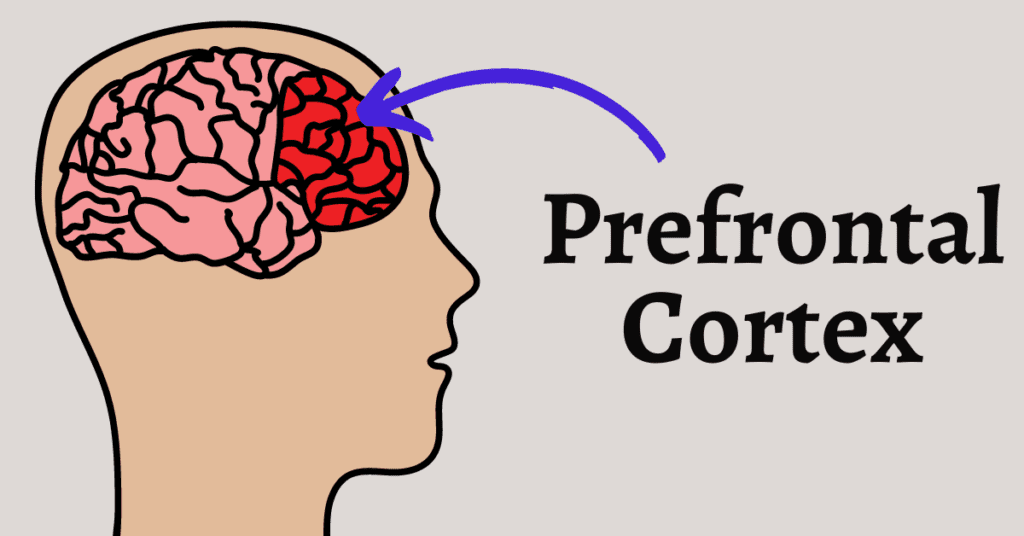
    So, where does the brain fit into all of this? Interestingly, tinnitus isn’t just about the ears. While it may start with damage or irritation to the auditory system, it’s the brain that essentially “constructs” the sound. This happens through complex neurological pathways that turn harmless signals into something the brain mistakenly interprets as noise.

    The Role of the Auditory Cortex

    The auditory cortex is like your brain’s sound hub. It processes signals sent from your ears and interprets them as meaningful sounds. For those with tinnitus, something goes awry in this process. When parts of the auditory system become damaged—often due to exposure to loud noises, age, or even certain medications—the brain compensates by filling in the gaps. Think of it like static on a radio when the signal isn’t clear. This “filling in” creates the phantom sounds we know as tinnitus.

    Hyperactivity in Brain Regions

    The problem doesn’t stop at the auditory cortex. Studies have shown that other areas of the brain notably the limbic system, which handles emotions become overactive in people with tinnitus. This hyperactivity can amplify the perception of tinnitus, turning a simple sound into something emotionally charged and harder to ignore.

    The Fight-or-Flight Connection to Tinnitus

    If you’ve ever been startled by a loud noise, you know how quickly your body reacts. Your heart races, your breathing quickens, and your brain kicks into overdrive. This is your fight-or-flight response, a survival mechanism designed to protect you from danger. But with tinnitus, this response can go haywire.

    Understanding the Fight-or-Flight Response

    The fight-or-flight response is an automatic reaction triggered by stress or perceived threats. When activated, your brain releases stress hormones like adrenaline, prepping your body for action. In the case of tinnitus, the constant noise can fool your brain into thinking there’s a persistent threat. Over time, this creates a state of chronic stress.

    The Vicious Cycle Between Stress and Tinnitus

    Here’s where it gets tricky: stress makes tinnitus worse, and tinnitus creates more stress. That annoying sound can heighten anxiety, which then ramps up your body’s stress response. This heightened stress, in turn, increases your awareness of the tinnitus, making it feel louder or more intrusive. It’s a cruel loop that can feel impossible to escape.

    Neural Feedback Loops and Perceived Danger

    The brain’s tendency to lock onto perceived threats only adds to the problem. When your brain labels tinnitus as something “dangerous,” it prioritizes that sound, amplifying it further. Essentially, the brain’s wiring works against you, reinforcing the connection between tinnitus and stress. This feedback loop makes tinnitus not only a physical issue but a deeply psychological one.

    Managing Tinnitus by Addressing the Brain’s Role

    The good news? This brain-driven cycle isn’t unbreakable. By targeting how your brain processes tinnitus and reacts to stress, it is possible to reduce its hold over your life. Let’s talk solutions.

    Behavioral Therapies and Mindfulness

    Cognitive behavioral therapy (CBT) is a powerful tool for managing tinnitus. It helps reframe the way you think about the sound, reducing its emotional impact. Mindfulness and meditation can also play a big role. These practices teach you to focus on the present moment and let go of anxiety tied to the noise. Over time, these strategies can help quiet your mind, even if the tinnitus itself doesn’t completely disappear.

    Sound Therapy and Neural Reconditioning

    Sound therapy works by introducing external noise to “mask” tinnitus or retrain your brain to treat it as less significant. This can involve white noise machines, nature sounds, or even specially designed tinnitus apps. By shifting the brain’s focus away from the tinnitus, sound therapy can help you feel more at ease.

    Lifestyle Changes for Stress Reduction

    Small lifestyle changes can make a big difference, especially when it comes to stress. Regular exercise reduces cortisol a stress hormone and releases endorphins that improve mood. Healthy sleep habits also play a critical role, as fatigue can worsen tinnitus symptoms. Finally, relaxation techniques like deep breathing, yoga, or spending time in nature can help lower overall stress levels and reduce the fight-or-flight response.

    Conclusion

    Tinnitus is complicated. It’s not just a problem with your ears it’s a complex interplay between your auditory system, your brain, and your stress levels. But understanding how the brain processes tinnitus and ties it to the fight-or-flight response can be a game changer.

    The cycle of stress and tinnitus is tough, but it’s not something you have to live with forever. By focusing on strategies that calm the mind and retrain the brain, relief is possible. Whether it’s through therapy, sound treatments, or small daily adjustments, you can take steps to regain control. Remember, tinnitus doesn’t define you. The more you understand it, the more power you have to find peace amidst the noise.


  • Falling asleep with tinnitus can feel like an uphill battle. When the world quiets down, the constant ringing, buzzing, or hissing takes center stage, refusing to be ignored. It’s frustrating, exhausting, and can leave you dreading bedtime. But here’s the good news: with a consistent and intentional nighttime routine, you can reclaim your sleep. It takes time, patience, and a little experimentation, but there is hope. Quality sleep can improve not just your physical health but also how you manage the emotional toll of tinnitus.

    Let’s break it down step by step so you can start sleeping easier and feeling more like yourself again.

    Understanding Tinnitus and Its Impact on Sleep

    Tinnitus doesn’t just disrupt your ears it has a profound effect on your mind and body, especially when it comes to sleep. To manage it, it helps to understand what’s going on.

    What Is Tinnitus?

    Tinnitus is a sensory condition where you hear sounds that aren’t coming from an external source. These phantom sounds can range from high-pitched ringing to buzzing, hissing, or even clicking. For some, it’s a mild annoyance. For others, it feels like a constant, inescapable noise that follows them everywhere.

    Tinnitus can be triggered by a variety of causes prolonged exposure to loud noise, ear injuries, hearing loss, or even stress. While it’s not dangerous on its own, its persistent nature can wear you down.

    Why Tinnitus Affects Sleep

    When you’re trying to relax at night, tinnitus seems louder because there’s less background noise to mask it. This heightened awareness can make you hyper-focused on the ringing, which in turn amps up stress levels. Add in the anxiety that comes from worrying about another sleepless night, and it becomes a vicious cycle.

    Physiologically, stress caused by tinnitus can raise your heart rate and cortisol levels, making it even harder to wind down. Mentally, the frustration and helplessness can weigh heavily. It’s a nasty combination but with the right strategies, you can break free from its grip.

    Creating a Tinnitus-Friendly Sleep Environment

    Your bedroom should be a sanctuary a place where you feel safe, calm, and ready to rest. Small changes can make a big difference when it comes to falling asleep despite tinnitus.

    Sound Masking Techniques

    Complete silence can make tinnitus unbearable, so introducing soothing background sounds is key. White noise machines are a great option, as they produce gentle sounds like rain, waves, or soft static that can blend with or drown out the tinnitus.

    If you don’t have a white noise machine, no problem. Download a sound-masking app or use a fan in your bedroom. You could also try soft, calming music or ASMR recordings if that feels more relaxing. Find what works best for you and let it create a comforting soundscape.

    Lighting and Bedroom Setup

    Light plays a significant role in sleep quality. For many, an overly bright room can make it harder to fall asleep. Use blackout curtains to block light and opt for dim, warm-toned bulbs instead of harsh white lights.

    Also, consider how clutter impacts your mood. A clean, organized bedroom fosters calmness, giving your brain one less thing to stress about. Take a few minutes each day to tidy up. It’s a small effort that pays off big.

    Temperature Regulation

    If you’ve ever tossed and turned because the room felt too warm, you’re not alone. Sleep experts often recommend keeping your bedroom between 60-67°F. A cool environment helps your body temperature drop, which it naturally does when preparing for sleep.

    Invest in breathable bedding or adjust the thermostat to find your sweet spot. Don’t forget to adjust your pajamas too soft, loose-fitting options are best.

    Step-by-Step Nighttime Routine for Tinnitus Relief

    Building a structured nighttime routine might sound tedious, but it’s all about setting yourself up for success. Here’s a step-by-step plan to help you relax and ease into sleep.

    Relaxation Techniques Before Bedtime

    Stress can make tinnitus feel ten times louder, so it’s crucial to find ways to calm your body and mind:

    • Breathing exercises: Try slow, deep breaths where you inhale for four counts, hold for four, and exhale for four. This simple technique slows your heart rate and focuses your thoughts away from tinnitus.
    • Progressive muscle relaxation: Starting at your feet, tense each muscle group for a few seconds, then release. Work your way up to your head. It’s surprisingly soothing.
    • Guided meditation: Apps like Calm or Headspace offer sleep meditations specifically designed to ease racing minds and reduce anxiety.

    Avoiding Common Sleep Disruptors

    Certain habits can quietly sabotage your sleep, especially if you’re dealing with tinnitus. Avoid:

    1. Caffeine and alcohol: Both can interfere with your body’s ability to fall into a deep, restorative sleep. Cut off caffeine by mid-afternoon and limit alcohol in the evening.
    2. Screen time: Scrolling through your phone or watching TV late at night exposes you to blue light, which tricks your brain into thinking it’s daytime. Instead, unplug an hour before bed and stick to calming activities.

    Establishing Consistent Sleep Patterns

    Our bodies thrive on routine. Going to bed and waking up at the same time every day (yes, even on weekends) trains your internal clock. Over time, your body will naturally start feeling sleepy when it’s time to wind down, making tinnitus less of a focus.

    Incorporating a Wind-Down Routine

    Think of winding down as telling your brain, “Hey, it’s time to switch gears.” Here are some calming activities to signal bedtime:

    • Take a warm bath: The drop in body temperature after a bath mimics the natural cooling process your body goes through before sleep.
    • Light reading: A good book nothing too suspenseful can help distract from tinnitus and relax your mind.
    • Listen to soothing music: Soft, instrumental tunes can fill the silence in a peaceful way.

    Stick to your routine consistently, and it’ll soon become second nature.

    Leveraging Professional Help and Tools

    Sometimes, no matter how hard you try, tinnitus and sleep problems persist. It’s okay to seek help it’s actually a sign of strength.

    When to Consult a Sleep Specialist

    If you’re waking up exhausted day after day despite following a routine, it might be time to see a sleep specialist. They can identify underlying issues, from sleep apnea to insomnia, and create a treatment plan tailored to your needs.

    Tinnitus Management Devices

    Tinnitus-focused tools can be a game-changer. Talk to an audiologist about devices like hearing aids equipped with masking features or sound therapy systems that create custom tones to reduce tinnitus perception. These tools can make a significant difference, especially at night.

    Conclusion

    Living with tinnitus isn’t easy, but it doesn’t have to steal your sleep. By creating a calming environment, following a structured nighttime routine, and getting the support you need, you can fall asleep faster and stay asleep longer.

    Consistency is the key stick with these changes, even if results aren’t immediate. Over time, you’ll notice a difference. Start small, and take it a day at a time. Your sleep—and your sanity are worth it.

    Take the first step tonight. Create a soothing bedtime routine, try one of the tips we covered, and remind yourself that progress is possible. Sweet dreams are within reach. You’ve got this.

  • Tinnitus and head pain often overlap, creating a cycle that can be frustrating and debilitating. Many people experience these issues together, yet few know how they influence each other. Understanding their relationship is important for finding effective relief.

    Understanding Tinnitus

    Tinnitus is often described as a ringing or buzzing in the ears when no external sound is present. It’s not a condition itself but a symptom of various underlying issues. This can include hearing loss, ear injuries, or age-related changes. For many, it’s more than just a nuisance; it can affect daily life and emotional well-being.

    Definition and Symptoms

    So, what exactly is tinnitus? Picture this: you’re in a quiet room, but your ears are filled with a persistent sound like ringing, hissing, or even a cicada’s buzz. These sounds can vary greatly in intensity and type. Some may hardly notice it, while others find it impossible to concentrate or sleep. It’s essential to recognize these sounds as symptoms of a deeper issue.

    Common Causes of Tinnitus

    Many factors can trigger tinnitus, including:

    • Exposure to loud noises: Being around loud machinery or concerts can cause ear damage.
    • Ear infections: These can disrupt normal ear function and lead to tinnitus.
    • Age-related hearing loss: As we age, our hearing can decline and may result in tinnitus.
    • Certain medications: Some drugs, especially high doses of aspirin or antibiotics, can trigger symptoms.

    Identifying these causes may help you address the problem more effectively.

    Types of Tinnitus

    Tinnitus can be classified into two main types: subjective and objective.

    • Subjective Tinnitus: This is the most common type. Only the person experiencing it can hear the sounds, and it’s often linked to hearing loss or blockages in the ear.
    • Objective Tinnitus: This form is rare and can be detected by a doctor using special instruments. It often indicates issues with blood flow or muscle contractions.

    Understanding these types is essential in targeting the right treatment.

    Understanding Head Pain

    Head pain is an umbrella term that covers various headache types, each with unique causes and symptom patterns. Tinnitus can, at times, serve as an accomplice to these headaches, making the situation even more complicated.

    Types of Headaches

    Different types of headaches can plague you, including:

    • Tension Headaches: Often linked to stress and muscle tension, these can lead to a dull, aching sensation.
    • Migraines: These can present with intense, throbbing pain, often accompanied by nausea and sensitivity to light or sound.
    • Cluster Headaches: A rare, severe headache that typically occurs in cycles, causing excruciating pain around one eye.

    Recognizing your headache type can help in determining its connection to tinnitus.

    Head Pain Triggers

    Head pain may be influenced by multiple triggers, such as:

    • Stress: Emotional turmoil can lead to tension headaches or migraines.
    • Dietary choices: Foods like aged cheese or caffeine may trigger migraines in some.
    • Sleep disturbances: Poor sleep can increase both headache frequency and the perception of tinnitus.

    Being aware of these triggers can arm you with strategies to mitigate their impact.

    Connection Between Tinnitus and Head Pain

    The link between tinnitus and head pain isn’t merely coincidental. Understanding how they may exacerbate one another can pave the way for better management of both issues.

    Causal Relationships

    How can head pain worsen tinnitus? When experiencing a headache, the heightened stress and discomfort can make the ringing in your ears seem louder. Conversely, the constant noise of tinnitus can lead to frustration, leading to tension headaches. It’s a cycle that can feel relentless.

    Psychological Impact

    Dealing with both tinnitus and head pain can weigh heavily on your mental health. Stress and anxiety often accompany these conditions, creating a challenging emotional landscape. You might feel isolated or overwhelmed, but recognizing these feelings is the first step toward finding support and relief.

    Management and Treatment Options

    Finding a path to manage both tinnitus and head pain can involve a combination of lifestyle changes and medical interventions. Here’s how to take charge of your situation.

    Lifestyle Changes and Home Remedies

    There are several practical adjustments you can make at home:

    • Stress management: Activities like yoga, meditation, or deep-breathing exercises can help reduce tension.
    • Healthy diet: A balanced diet rich in omega-3 fatty acids may support brain health.
    • Regular sleep schedule: Prioritizing good sleep hygiene can drastically improve both conditions.

    These simple changes can have a significant impact on your quality of life.

    Medical Treatments

    For more persistent symptoms, consulting a healthcare professional is important. Options may include:

    • Cognitive Behavioral Therapy (CBT): This can help change the negative thought patterns associated with tinnitus and headaches.
    • Medications: Over-the-counter pain relievers or prescription drugs may alleviate headache pain. Certain medications can also help manage tinnitus symptoms.
    • Hearing aids or sound therapy: These can provide external sounds that may mask the ringing in your ears, offering relief.

    Always consult your doctor before starting any new treatment or therapy.

    Conclusion

    The link between tinnitus and head pain can be complex yet is vital for finding relief. By understanding both conditions, identifying triggers, and implementing effective management strategies, you can improve your quality of life. Don’t hesitate to seek professional help if symptoms persist. You deserve to feel better, and taking that first step can open the door to a more peaceful, pain-free life. Remember, you’re not alone in this journey.

  • Many people know about TMJ (temporomandibular joint disorders) and tinnitus, but how often do we consider their connection? Surprisingly, these two conditions frequently go hand in hand, affecting millions. If you or someone you know grapples with jaw pain or ringing in the ears, you’re not alone. Let’s take a closer look at what TMJ and tinnitus are, how they intertwine, and what you can do about it.

    What is TMJ?

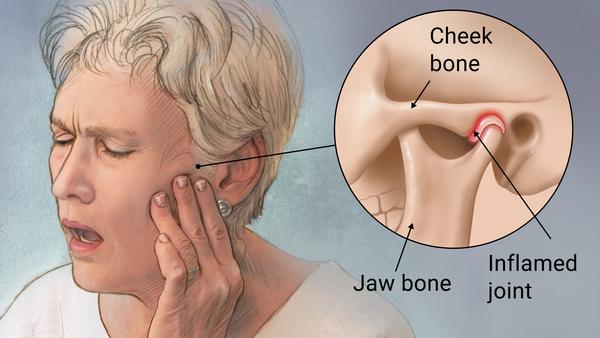
    TMJ disorders affect how your jaw functions and can manifest in various uncomfortable ways. This joint connects your jawbone to your skull, allowing you to eat, speak, and express yourself. When something goes wrong, it can lead to pain and dysfunction.

    Symptoms of TMJ Disorders

    It’s essential to recognize the signs of TMJ disorders. Common symptoms include:

    • Jaw pain: This can radiate to your face, neck, and even ears.
    • Headaches: Often mistaken for migraines, these can be frequent and debilitating.
    • Difficulty chewing: You may find it hard to open or close your mouth fully.
    • Clicking sounds: Many experience a popping or clicking noise when moving their jaw.
    • Ear discomfort: Some report a sensation of fullness or pain in their ears.

    Causes of TMJ Disorders

    What leads to these issues? Several factors can contribute to TMJ disorders:

    • Jaw injury: An accident or trauma can directly impact the jaw joint.
    • Teeth grinding (bruxism): Stress or misaligned teeth can lead to grinding, putting pressure on the joint.
    • Stress: Increased tension can cause clenching, exacerbating TMJ issues.
    • Arthritis: Conditions such as osteoarthritis or rheumatoid arthritis can affect the joint.

    Understanding these causes helps you realize that relief may be possible with the right approach.

    Understanding Tinnitus

    Tinnitus is another condition that affects many people, but often without clear answers. It’s characterized by hearing ringing, buzzing, or hissing sounds when there’s no external source.

    Common Causes of Tinnitus

    Many factors might lead to tinnitus, including:

    • Exposure to loud noise: Frequent loud sounds can damage the inner ear.
    • Ear infections: Infections can cause inflammation and fluid buildup, leading to symptoms.
    • Age-related hearing loss: As we age, the auditory system naturally deteriorates.
    • Earwax buildup: Excess wax can block sound, resulting in tinnitus symptoms.

    How Tinnitus is Diagnosed

    Diagnosing tinnitus often involves a detailed process:

    • Hearing evaluations: An audiologist may conduct tests to gauge your hearing ability.
    • Patient history: Your doctor will likely ask about your symptoms, medical history, and lifestyle.

    Gaining a clear diagnosis can empower you to pursue effective treatment options.

    The Link Between TMJ and Tinnitus

    Research is uncovering how TMJ disorders and tinnitus relate. Many patients report experiencing both issues, leading experts to explore their connection.

    Shared Symptoms and Overlapping Mechanisms

    Both TMJ and tinnitus share some symptoms, such as:

    • Ear pain: The discomfort from TMJ can feel like an ear issue.
    • Muscle involvement: Both conditions often engage similar muscle groups in the jaw and neck.

    Understanding this overlap may help healthcare providers pinpoint effective treatments for both issues.

    Clinical Evidence and Studies

    Some studies indicate that individuals with TMJ disorders are more prone to experience tinnitus. For instance, one research review found a significant correlation between these conditions. However, more exploration is needed to understand the direct relationship fully.

    Treatment Options for TMJ and Tinnitus

    Managing both TMJ and tinnitus often requires a multifaceted approach, focusing on symptom relief and addressing underlying causes.

    Physical Therapy and Jaw Exercises

    Physical therapy can play a crucial role in managing TMJ disorders and may help alleviate tinnitus symptoms as well. Techniques include:

    • Stretching exercises: Gentle stretches can improve jaw movement and reduce tightness.
    • Posture improvement: Good posture can alleviate strain on your jaw and neck muscles.
    • Massage: Targeted massage can release tension in the jaw area.

    These strategies may not only ease jaw discomfort but also reduce the perception of ringing in the ears.

    Medications and Other Interventions

    Various medications and alternative therapies can assist in managing symptoms:

    • Pain relievers: Over-the-counter options like ibuprofen or acetaminophen can help.
    • Muscle relaxants: These may be prescribed to relieve muscle tension linked to TMJ.
    • Cognitive behavioral therapy (CBT): This method can help manage the stress and anxiety often tied to these conditions.
    • Hearing aids: For those with tinnitus caused by hearing loss, hearing aids can assist in noise management.

    Consider discussing a comprehensive treatment plan with your healthcare provider.

    Conclusion

    Living with TMJ and tinnitus can be challenging, but it’s crucial to recognize that relief is attainable. By understanding these conditions and their connection, you empower yourself to seek appropriate care. If you’re dealing with jaw pain or persistent ringing in your ears, consulting a healthcare professional is essential. Remember, you don’t have to navigate this journey alone. Help is available, and taking the first step can lead to a brighter, more comfortable future.

  • Tinnitus can be a troubling sound, that constant ringing or buzzing in your ears. You’re not alone; it affects millions, impacting daily life, concentration, and even sleep. Understanding whether your tinnitus is temporary or permanent plays a crucial role in how you manage it. Let’s break this down together.

    Identifying the Characteristics of Tinnitus

    To determine if your tinnitus might be temporary or a more lasting issue, it’s important to pay attention to its characteristics. Some signs could provide clues about its nature.

    Duration of Symptoms

    How long have you been experiencing your tinnitus? This question isn’t just for reflection; the duration can offer valuable insight. If you’ve had the sound for only a few days or weeks, it might be temporary. On the other hand, tinnitus that lingers for months or years often signals a more permanent condition.

    So, what constitutes temporary vs. permanent? Generally, temporary tinnitus lasts less than six months, while permanent tinnitus sticks around and often indicates an underlying issue that needs to be addressed.

    Sound Characteristics

    Not all tinnitus sounds are created equal. Some people hear a soft buzz, while others experience a high-pitched ring. Understanding the sound quality can help indicate the problem. For instance, a sudden onset of loud, distressing noise might relate to a temporary factor, like exposure to loud music or an ear infection. If the sound is consistent and unchanging for a long time, it could be a sign of something more persistent.

    Associated Symptoms

    Are you experiencing other symptoms alongside your tinnitus? This is another important factor. If you have ear pain, dizziness, or hearing loss, it may suggest a more serious condition prompting permanent tinnitus. Temporary tinnitus, often associated with acute events, may not come with these additional symptoms. Consider keeping a journal to track these changes; it can provide helpful context when discussing your situation with a doctor.

    Potential Causes of Tinnitus

    Understanding what caused your tinnitus can be key in determining its longevity. Some triggers are often transient, while others might indicate chronic issues.

    Acute Exposures and Temporary Tinnitus

    Situations like being at a loud concert or dealing with a sudden ear infection can lead to temporary tinnitus. These exposures usually resolve themselves after the triggering event passes. If you notice your tinnitus seems to flare up during or right after such events and then fades away, that’s a good sign it’s likely temporary.

    Chronic Conditions and Permanent Tinnitus

    Conversely, conditions that affect your ear health or hearing are often tied to permanent tinnitus. Age-related hearing loss, significant ear damage, or disorders like Meniere’s disease can all lead to lasting tinnitus. If your tinnitus is associated with these types of conditions, it’s wise to consider it might not go away.

    Testing and Diagnosis

    If you’re wondering, “is tinnitus permanent?” seeking a medical evaluation is critical. A healthcare professional can help shine a light on the issue.

    Consulting with Healthcare Professionals

    When it comes to tinnitus, audiologists and ear, nose, and throat (ENT) specialists are your best friends. They can offer tailored advice, identify possible causes, and suggest treatment options. Even if your tinnitus seems manageable, an expert evaluation can rule out any underlying conditions that might need addressing.

    Tests Used to Evaluate Tinnitus

    Your doctor may recommend a series of tests to diagnose tinnitus accurately. Common assessments include hearing tests to determine if there’s associated hearing loss. Imaging tests like MRIs or CT scans can identify structural issues. These evaluations are indispensable for understanding if your tinnitus is likely to pass or stick around.

    Managing Tinnitus Symptoms

    Regardless of whether your tinnitus is temporary or permanent, there are ways to manage the symptoms. Finding the right approach can help you regain control over your life.

    Temporary Relief Strategies

    If your tinnitus is temporary, there are several strategies you can use for relief. Sound therapy, which involves playing background noise or music, can mask the ringing and make it less noticeable. Relaxation techniques like deep breathing and yoga may also help alleviate stress and reduce the perceived intensity of the sound.

    Long-Term Management Approaches

    For those with permanent tinnitus, long-term management is crucial. Hearing aids can amplify external sounds, helping to mask the internal noise. Cognitive Behavioral Therapy (CBT) can be beneficial too; it helps you change how you react to the sound, reducing distress. Lifestyle changes like avoiding caffeine and loud environments—can also make a difference over time.

    Conclusion

    In summary, recognizing the characteristics of your tinnitus its duration, sound quality, and associated symptoms can help you identify if it’s temporary or permanent. Understanding potential causes, seeking medical evaluation, and exploring management options can equip you with the tools to tackle this challenge. Don’t hesitate to reach out for professional advice; you deserve clarity and relief in your journey with tinnitus.

  • Traveling can be one of life’s great joys, but for those of us with tinnitus, it can come with its own set of challenges. The constant ringing or buzzing in the ears can become more noticeable in unfamiliar environments, making it crucial to prepare effectively. I want to share some helpful tips and essential items that can make your journey smoother.

    Understanding Tinnitus and Its Impact on Travel

    What is Tinnitus?

    Tinnitus is often described as the perception of noise when there isn’t any external sound like a ringing, buzzing, or hissing. It varies widely from person to person. Some might hear a soft hum, while others may experience a loud whoosh. It can fluctuate in intensity, and factors like stress or exposure to loud environments can aggravate it. Knowing this, it’s clear that understanding our tinnitus is the first step toward managing its impact while traveling.

    Challenges of Traveling with Tinnitus

    Traveling presents unique hurdles for those of us with tinnitus. Different environments can expose us to heightened noise levels, from busy airports to bustling cities. Stress is another culprit; planning and packing can become overwhelming. When I take these factors into account, I realize that being proactive about my travel needs can help ease the burden and allow me to enjoy my adventures.

    Essential Packing List for Tinnitus Management

    Packing strategically can greatly enhance your travel experience. Here’s a comprehensive list of essentials that I always consider when traveling with tinnitus.

    Noise-Canceling Headphones

    One of my favorite travel companions is a good pair of noise-canceling headphones. This smart investment can significantly diminish background noise, helping me focus or relax. Whether I’m on a plane or in a crowded cafe, they let me create a peaceful space, making the experience much more enjoyable.

    Sound Machines and Apps

    Bringing along a portable sound machine or downloading apps on my phone has been a game-changer. These tools can mask tinnitus sounds with white noise or nature sounds. I like to have them handy for hotel stays or long waits during travel. It’s comforting to fall asleep with soothing sounds that drown out the ringing.

    Medication and Supplements

    Having my necessary medications or supplements is a must. Whether it’s prescription drugs or natural remedies like ginkgo biloba, I make sure I have these on hand. Always packs extra doses, just in case plans change. It’s also wise to keep them in their original packaging, especially when traveling internationally.

    Preparing for Different Travel Scenarios

    Different travel scenarios demand different strategies. Here’s how I prepare for various situations to keep my tinnitus under control.

    Air Travel Considerations

    Flying can be tricky for those of us with tinnitus, mainly due to cabin pressure changes. I’ve learned to chew gum or use special earplugs during takeoff and landing to help manage this discomfort. Staying hydrated is also key; dehydration can exacerbate tinnitus, so I make sure to drink plenty of water.

    Road Trip Strategies

    On road trips, I focus on managing the noise levels in the car. I prefer to keep the music at a comfortable volume and take regular breaks to step outside. Fresh air can do wonders for my well-being, and short walks help reset my mind.

    International Travel Tips

    When traveling internationally, I pay close attention to time zone changes. Jet lag can aggravate tinnitus symptoms, so I prefer to adjust my sleep schedule a few days in advance. Language barriers can be a challenge too. Having key phrases or a translation app handy makes it easier to communicate, reducing stress along the way.

    Lifestyle Tips for Tinnitus Management on the Go

    Incorporating some lifestyle habits can help manage tinnitus while traveling. Here are a few that I find beneficial.

    Maintaining a Routine

    While I understand travel often disrupts routines, I try to stick with a schedule when possible. Whether it’s maintaining my eating habits or sticking with regular sleep patterns, consistency offers comfort. Even if I can’t do everything perfectly, just aiming for some structure helps keep anxiety in check.

    Relaxation Techniques

    Travel can be stressful, so I prioritize relaxation techniques. Mindfulness and deep breathing exercises are my go-to methods. Taking just a few minutes to breathe deeply and focus on my surroundings can be incredibly grounding. I also use simple apps for guided meditation when I need a bit of extra help.

    Conclusion

    Traveling with tinnitus doesn’t have to be a daunting experience. By planning ahead, packing the right essentials, and adopting helpful lifestyle habits, I can make my travels much more enjoyable. Every journey is an opportunity, and with thoughtful preparation, I can focus more on the adventure and less on the challenges. So, the next time you plan a trip, remember to take your tinnitus into consideration your future self will thank you!

  • That endless ringing doesn’t have to control your life. If you’re wondering what helps quiet tinnitus, you’ve already taken the first step—looking for answers. The truth is, while there’s no one-size-fits-all cure, there are approaches that can help. This post will guide you through techniques and tips that could make a real difference, with encouragement for every step of the way.

    Identifying Treatment Options for Tinnitus

    When it comes to treating tinnitus, there’s no one-size-fits-all solution. The journey often involves exploring various options—both traditional and alternative. Some methods focus on managing the sound itself, while others target the psychological aspect of coping with this condition.

    Hearing Aids and Sound Maskers

    For many, hearing aids can significantly help with tinnitus. By amplifying external sounds, these devices may help distract your brain from the persistent noise inside your ears. Similarly, sound maskers—such as white noise machines—play soothing sounds that can cover up the unwanted ringing. Imagine trying to concentrate on a lecture while road construction is happening outside. By using sound maskers, you create a layer of soothing noise that can minimize the impact of your tinnitus.

    Cognitive Behavioral Therapy (CBT)

    CBT is another powerful tool in managing tinnitus. This therapy focuses on changing negative thought patterns and behaviors associated with tinnitus. For instance, if the sound drives you to anxiety, CBT helps reframe your mindset, guiding you to respond more calmly. Think of it as shifting from a stormy sea to a calm lake—suddenly, the noise isn’t as frightening, and you can learn to coexist with it more peacefully.

    Tinnitus Retraining Therapy (TRT)

    TRT is a more specialized approach that combines sound therapy with counseling. Over time, the goal is to retrain your brain to ignore the tinnitus. This can be especially effective since our brains are incredibly adaptable. Connecting the sound with relaxation rather than distress allows you to move forward with a more peaceful mindset. It’s like turning down the volume on a blaring radio; you can still hear it, but it doesn’t overwhelm you.

    Lifestyle Changes to Manage Tinnitus

    Beyond treatment options, lifestyle adjustments can play a significant role in managing tinnitus symptoms. These changes are often simple yet impactful.

    Stress Management Techniques

    Stress can act as a fuel for tinnitus flare-ups, making it essential to learn how to relax. Techniques such as yoga, mindfulness meditation, and deep breathing exercises can help soothe both your mind and your body. Imagine standing on the shore, watching the waves slowly wash away your worries. Regularly practicing these techniques can help you find your inner peace amidst the noise.

    Dietary Adjustments

    Believe it or not, what you eat can influence tinnitus. For many, reducing caffeine and salt intake can help. Caffeine can stimulate the nervous system, while high salt levels can affect your blood pressure. Think of your diet as a garden; what you nourish it with can dictate how well it grows. Keeping your garden balanced and healthy can lead to more vibrant, less troubling sound experiences.

    Sleep Hygiene Practices

    Getting quality sleep is crucial for managing tinnitus symptoms. A lack of sleep can heighten your perception of tinnitus, creating a vicious cycle. To improve your sleep hygiene, consider establishing a regular sleeping schedule, creating a calming bedtime routine, and minimizing screen time before bed. It’s like tuning an instrument; when it’s well-tuned and well-cared for, it plays more harmoniously.

    Emerging Trends in Tinnitus Management

    As our understanding of tinnitus expands, so does the development of new strategies and treatments.

    Mindfulness-Based Tinnitus Stress Reduction (MBTSR)

    This emerging approach combines mindfulness practices with specific techniques aimed at helping individuals cope with tinnitus. By focusing on the present moment without judgment, you train your mind to become less reactive to the ringing. Picture standing still while chaos swirls around you; it becomes easier to observe rather than react.

    Social Support and Group Therapy

    There’s immense strength in community. Sharing experiences with others who understand what you’re going through can provide comfort and practical advice. Support groups can make the journey feel less isolating, helping to normalize your struggles and share strategies that have worked for others.

    Conclusion and Support Resources

    Finding what helps quiet tinnitus can be a journey, one that involves exploring various treatments and lifestyle changes. The combination of therapies, from sound maskers and CBT to lifestyle adjustments, plays a critical role in managing symptoms. Don’t hesitate to seek out resources and support, whether through your healthcare provider, local support groups, or online communities.

    Remember, you’re not alone in this. It’s all about keeping hope alive and staying proactive. Each small step you take can lead to finding your own sense of calm amidst the noise. For further support, consider checking out resources like the American Tinnitus Association or local healthcare professionals specializing in audiology and tinnitus management. With the right combination of tools, relief is possible.

  • That high-pitched ringing in your ears isn’t just annoying—it can leave you feeling frustrated and overwhelmed. If you’ve ever asked yourself, “What causes tinnitus ringing in the ears?”, you’re not alone. Tinnitus affects millions of people, but understanding what triggers it can help you take control. Whether it’s loud noises, stress, or even certain health conditions, this guide will help you sort through the confusion and find clarity. You’re not powerless, and there are steps you can take.

    Common Causes of Tinnitus

    Several everyday factors contribute to tinnitus. If you’re hearing odd sounds that aren’t there, it could be due to one of these common triggers.

    Exposure to Loud Noises

    Have you ever left a concert or a loud event and noticed a ringing in your ears? This temporary effect can lead to something more permanent if you’re frequently exposed to loud sounds. Prolonged exposure to high decibel levels can damage the delicate hair cells in the cochlea of your inner ear. Once these cells are injured, they might send distorted signals to the brain, resulting in that annoying buzzing or ringing sensation.

    Hearing Loss

    As we age, our bodies change—and so does our hearing. Age-related hearing loss is common and can be one of the underlying causes of tinnitus. As your hearing ability declines, your brain may become more sensitive to certain sounds, leading to the perception of ringing or other noises. It’s as if your auditory system is making up for lost sound by creating its own.

    Ear Infections and Blockages

    Have you ever had an ear infection? These can bring about a host of uncomfortable symptoms, including tinnitus. Fluid buildup, inflammation, and pressure changes can all affect your ears, leading to that persistent ringing sound. Even earwax buildup can contribute to the problem by blocking sound waves and causing an imbalance in your ear’s normal functioning.

    Medications and Ototoxic Drugs

    Some medications can have unexpected side effects, one of which is tinnitus. Certain antibiotics, cancer treatments, and anti-inflammatory drugs fall into the category of ototoxic medications, which means they can harm the inner ear. If you find that your tinnitus started after starting a new medication, it’s essential to discuss this with your doctor.

    Stress and Anxiety

    Feeling stressed? You’re not alone. Stress and anxiety can exacerbate tinnitus symptoms, creating a vicious cycle. When you’re anxious, your body’s response can heighten perceptions of sound in your ears. Learning to manage stress through techniques such as mindfulness, breathing exercises, or even gentle yoga can lead to improvements in your symptoms.

    Less Common Causes of Tinnitus

    While the previous section covers some common causes, there are also less typical origins of tinnitus that are worth exploring.

    Meniere’s Disease

    This inner ear disorder can lead to severe episodes of dizziness, ear fullness, and pairs of hearing loss. Meniere’s disease is often accompanied by tinnitus, making it even more frustrating for those affected. The exact cause isn’t fully understood, but it’s believed to be related to an imbalance of fluids in the inner ear.

    Head and Neck Injuries

    Have you ever had a concussion or neck injury? Injuries to the head or neck can impact the auditory nerves or the structures of the ear. This trauma can lead to a variety of symptoms, including tinnitus. Recovery may vary, and sometimes the ringing doesn’t fade after the injury heals.

    Jaw Disorders (TMJ)

    The temporomandibular joint (TMJ) connects your jaw to your skull. Issues with this joint can lead to jaw pain and, surprisingly, tinnitus. If you grind your teeth or have a jaw alignment issue, it might reflect in your ears. A trip to the dentist for evaluation can help address both jaw and ear symptoms.

    Vestibular Schwannoma (Acoustic Neuroma)

    This benign tumor grows on the vestibular nerve, which can affect balance and hearing. While rare, vestibular schwannomas can lead to tinnitus. If you experience sudden changes in hearing or balance, seek medical advice for proper assessment.

    Preventing Tinnitus

    Prevention is better than cure! Knowing how to protect your ears can go a long way in avoiding tinnitus.

    Protecting Your Ears from Loud Noises

    If you work in a loud environment or enjoy concerts, consider using earplugs. These simple devices can reduce noise exposure significantly and help safeguard your hearing. Sometimes, just taking a break from the noise can provide the relief you need.

    Regular Hearing Check-ups

    Don’t wait for a problem to arise before seeing a professional. Regular hearing check-ups can help detect early signs of hearing loss or other issues. If you catch emerging problems early, you may prevent or lessen tinnitus symptoms.

    Managing Stress and Anxiety

    Finding ways to reduce stress can make a noticeable difference in your experience with tinnitus. Techniques like meditation, regular exercise, and talking to someone about your feelings can help lower your anxiety levels. When you feel calmer, the intensity of tinnitus can often subside.

    Conclusion

    Understanding what causes tinnitus ringing in the ears is crucial for managing this challenging condition. By recognizing common triggers and being proactive about prevention, you can work toward reducing the impact of tinnitus on your life. If you’re noticing changes in your hearing or experiencing persistent symptoms, consulting a healthcare professional is a pivotal step in finding the support you need. Remember, you’re not alone in this journey, and there are paths to relief.

  • Living with tinnitus means dealing with sounds no one else can hear, and that can feel isolating. But relief doesn’t always require medications or invasive methods. Natural remedies for ear tinnitus, such as lifestyle adjustments and complementary therapies, can have a meaningful impact. In this article, I’ll share realistic steps you can take to make everyday life a little quieter.

    Natural Remedies for Ear Tinnitus

    Exploring natural methods to manage ear tinnitus can be an effective way to alleviate symptoms. Here are a few remedies that some individuals find helpful.

    Ginkgo Biloba

    Ginkgo Biloba is a popular herbal remedy known for its potential benefits in enhancing blood circulation. Some studies suggest that it may reduce tinnitus symptoms for certain people. By improving blood flow to the ears, Ginkgo Biloba might help in managing the perception of noise. However, it’s important to consult with a healthcare provider before starting any supplements, especially if you are taking other medications.

    Zinc Supplements

    Zinc plays a role in immune function and cell repair. Some research indicates that zinc supplements may help reduce tinnitus symptoms in individuals who are deficient in this mineral. Foods rich in zinc include nuts, seeds, and whole grains. For those considering zinc supplements, it’s best to discuss this with a healthcare professional to determine the right dosage.

    Essential Oils

    Certain essential oils, particularly lavender and peppermint, may provide relief from tinnitus symptoms. Lavender is often used for relaxation and stress relief, which can indirectly help reduce the perception of tinnitus. Peppermint oil may even offer a cooling effect that some find soothing. When using essential oils, ensure to dilute them properly and consider consulting a specialist for the best application methods.

    Sound Therapy and Tinnitus Masking

    Sound therapy is another approach that can help manage tinnitus. The primary idea is to introduce external sounds to mask the internal noise perceived by those with tinnitus.

    White Noise Machines

    White noise machines generate a consistent sound that can help mask the ringing or buzzing associated with tinnitus. By playing soothing background noise, such as static or rain sounds, individuals can reduce the impact of tinnitus. Many people find it easier to concentrate or sleep with these calming sounds nearby.

    Nature Sounds and Music Therapy

    Nature sounds like ocean waves or birds chirping can provide a harmonious backdrop that distracts from tinnitus. Music therapy can also be beneficial, especially when tailored to the individual’s preferences. Using calming music can create a peaceful environment, allowing for a temporary escape from tinnitus-related stress.

    Lifestyle Changes to Manage Tinnitus

    Making certain lifestyle adjustments can significantly contribute to tinnitus management. Here are key changes to consider:

    Dietary Adjustments

    What you eat can affect tinnitus levels. Some foods and beverages, such as caffeine, alcohol, and high-sodium foods, may worsen symptoms. On the other hand, a balanced diet rich in fruits, vegetables, and whole grains can support overall health. Incorporating foods like leafy greens and fish, which are high in omega-3 fatty acids, may also help.

    Stress Management Techniques

    Stress can intensify tinnitus, making it essential to find effective management techniques. Practices like meditation, yoga, and deep-breathing exercises can promote relaxation and reduce stress levels. Regular physical activity is also beneficial for both mental and physical well-being, providing an additional layer of support for those experiencing tinnitus.

    Medical Treatments for Severe Cases

    For individuals with severe tinnitus that does not respond to natural remedies, medical options may be necessary. Consulting a healthcare professional can help determine the best path forward.

    Cognitive Behavioral Therapy (CBT)

    Cognitive Behavioral Therapy is a psychological approach that has shown effectiveness in managing tinnitus-related stress and anxiety. CBT focuses on changing negative thought patterns and developing coping strategies. This approach can help individuals better manage their response to the sounds they perceive.

    Prescription Medications

    In some cases, doctors may prescribe certain medications to help manage severe tinnitus symptoms. These could include antidepressants or anti-anxiety drugs that target the emotional aspects of living with tinnitus. It is vital to have an open conversation with a healthcare provider about the potential benefits and side effects of any prescribed treatment.

    Conclusion

    Finding effective ear tinnitus remedies involves exploring natural options, lifestyle changes, and medical treatments. While some individuals may benefit from supplements, sound therapy, or dietary adjustments, others may require more intensive approaches like therapy or medication. Consulting with a healthcare professional is crucial to determine the most suitable plan for managing tinnitus. Remember, personalized treatment options and a supportive approach can lead to better outcomes and improved quality of life for those dealing with this challenging condition.

    Key Takeaways

    • Tinnitus, a persistent ringing or buzzing in the ears, can sometimes be eased with natural remedies.
    • Herbal treatments, like ginkgo biloba, may improve blood flow to the inner ear, potentially reducing symptoms.
    • Managing stress is essential; techniques like yoga, meditation, or deep breathing exercises can help.
    • Reducing caffeine and alcohol intake is often recommended, as these substances may worsen tinnitus in some individuals.
    • Maintaining ear health is important—avoid excessive noise exposure and clean ears gently to prevent irritation or damage.
    • Supplements such as zinc or magnesium might support improved ear functioning, though results can vary.
    • Limiting salt consumption could help reduce ear pressure linked to tinnitus in some cases.
    • Listening to white noise or calming sounds may mask bothersome ear noises, promoting relaxation and better sleep.
    • Always consult a healthcare provider before starting any remedy, especially if symptoms persist or affect your quality of life.
  • Yoga promotes relaxation, enhances mindfulness, and reduces stress factors that can significantly influence tinnitus symptoms. As I explored this connection, I found that combining specific yoga poses with breathing techniques can make a real difference. Let’s dive deeper into how yoga can support those of us dealing with tinnitus.

    The Connection Between Yoga and Tinnitus Relief

    Yoga offers more than just physical benefits; it can create a mental sanctuary for those affected by tinnitus. Adopting a regular practice can help alleviate some of the mental strain associated with the condition through relaxation and mindfulness.

    How Yoga Reduces Stress

    Stress can be a significant contributor to tinnitus exacerbation. When I practice yoga, I notice a profound reduction in my stress levels. Certain poses and breathing techniques encourage the body’s relaxation response, which helps quiet the nervous system and, in turn, may lessen the perception of tinnitus.

    Mindfulness and Awareness in Yoga

    Mindfulness is at the core of yoga practice. Focusing on the breath and being attuned to my body allows me to better manage any discomfort or distraction. This heightened awareness can shift my focus away from the sound of tinnitus and redirect my energy toward a more peaceful state of mind.

    Five Effective Yoga Poses for Tinnitus Relief

    Here are five specific yoga poses that I find particularly helpful for managing tinnitus symptoms. Each pose offers unique benefits that can contribute to overall relaxation and well-being.

    Viparita Karani (Legs-Up-The-Wall Pose)

    This pose promotes relaxation and helps to reduce tension. By lying on my back and raising my legs against a wall, I can let gravity do the work, encouraging blood flow to my upper body. This gentle inversion can help calm my mind and alleviate some of the stress that often amplifies tinnitus.

    Savasana (Corpse Pose)

    Savasana is key in any yoga practice for its ability to facilitate deep relaxation. Lying flat on my back, I focus on my breath and let go of any physical tension. This pose can be a form of meditation, calming the nervous system and allowing me to disconnect from the persistent sounds of tinnitus.

    Balasana (Child’s Pose)

    Getting into Child’s Pose feels grounding. Kneeling with my forehead resting on the mat, I can let go of my thoughts and immerse myself in a state of tranquility. This closed posture helps to reduce stress, making it easier to cope with the ringing in my ears.

    Adho Mukha Svanasana (Downward-Facing Dog)

    Downward-Facing Dog opens the shoulders and stretches the spine. As I press my hands into the mat and pedal my feet, I feel the blood flow increase, which can help alleviate physical tension. The inversion also promotes a sense of calm, assisting in quieting the mind.

    Bhujangasana (Cobra Pose)

    Cobra Pose is great for stretching the spine and opening my chest. When I practice this pose, I focus on taking deep breaths, which can be incredibly soothing. This deep breathing helps reduce anxiety and may lessen my awareness of tinnitus symptoms.

    Additional Tips for Practicing Yoga with Tinnitus

    Beyond poses, there are practical aspects to consider when practicing yoga as a tinnitus sufferer. Here are some suggestions that have helped me along the way:

    Listening to Your Body

    It’s essential to be in tune with my body and adjust poses as needed. If something feels uncomfortable or exacerbates my tinnitus, I modify the pose or switch to a gentler practice. Yoga is about self-care, and everyone’s experience is different.

    Incorporating Breathing Techniques

    Focusing on breath can significantly enhance the benefits of yoga. Techniques like diaphragmatic breathing or box breathing can calm the nervous system. Taking slow, deliberate breaths during poses can help deepen relaxation and provide clarity amidst the noise.

    Choosing the Right Environment

    Creating a peaceful setting for yoga practice is vital. I find that practicing in a calm, quiet space, free from distractions, enhances my overall experience. Soft lighting, comfortable mats, and soothing music or silence can all contribute to a serene atmosphere.

    Conclusion

    Practicing yoga offers a unique opportunity for individuals dealing with tinnitus to find relief and restoration. By integrating specific poses and mindfulness techniques into my routine, I’ve discovered a valuable tool for managing symptoms. Regular practice has the potential to not only soothe the mind but also foster a sense of calm around the persistent sounds of tinnitus.

    I encourage anyone experiencing tinnitus to explore these yoga poses and consider how they might help. With patience and persistence, yoga could become an essential part of your journey towards relief.