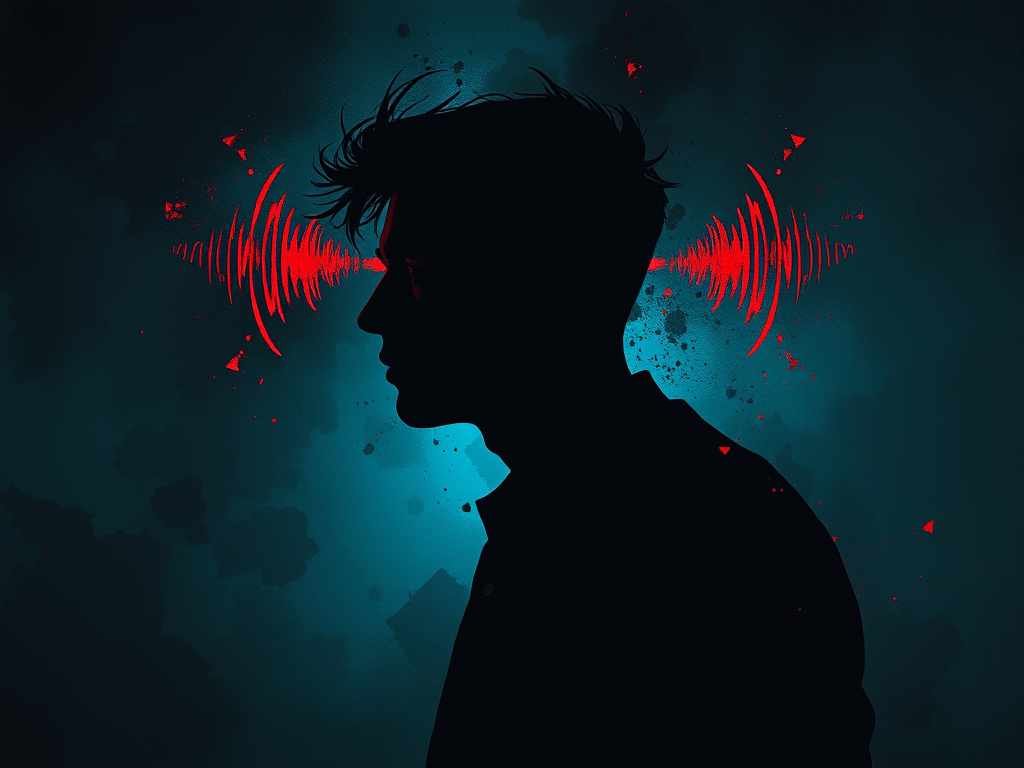
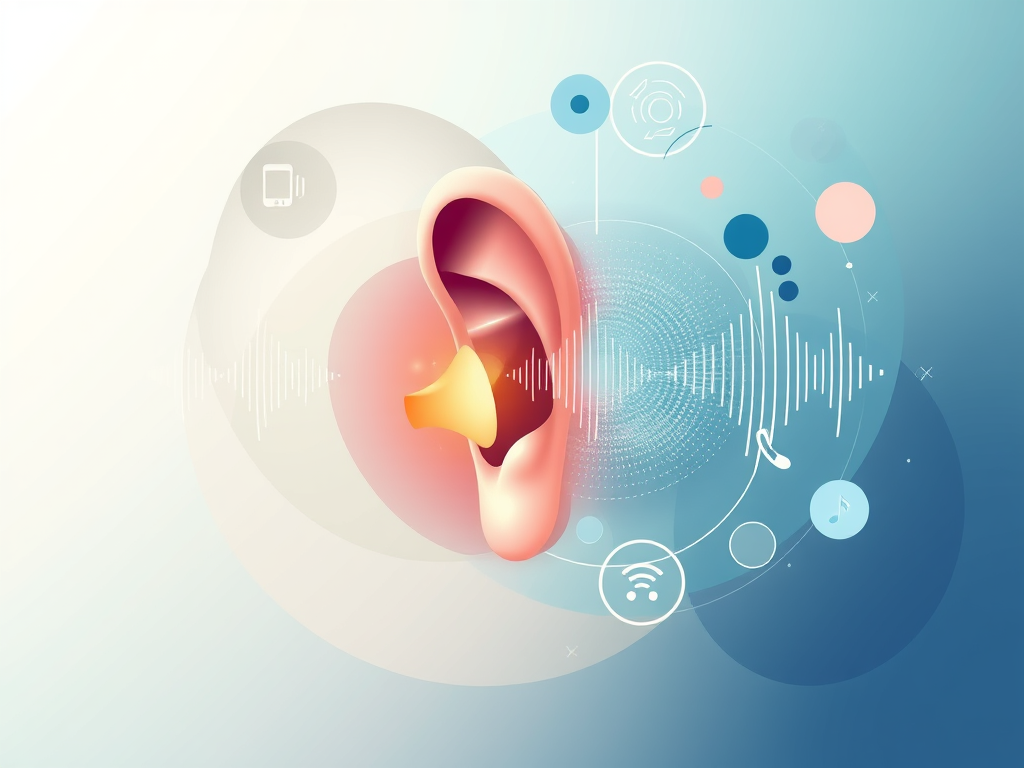
Acute tinnitus can feel overwhelming when it strikes. Most cases have identifiable triggers, and many are temporary or manageable with the right approach. Understanding the basics of this condition is the first step to easing your worry. This post will guide you through the causes and potential solutions.
What Causes Acute Tinnitus?
Acute tinnitus is often precipitated by an identifiable event or condition. Common triggers include exposure to loud noises, such as attending a concert or fireworks display, which can cause temporary hearing damage. Additionally, ear infections, excess earwax, and sudden changes in atmospheric pressure are other contributing factors. Stress and anxiety have also been linked to episodes of acute tinnitus, as the body’s heightened state can affect auditory processing.
Diagnosing Acute Tinnitus
Diagnosing tinnitus primarily involves a detailed assessment by a healthcare professional. Audiologists or ENT specialists typically conduct hearing tests to evaluate auditory function and determine the possible underlying causes. An accurate diagnosis is crucial, as it guides the subsequent treatment plan.
Treatment Options
1. Sound Therapy: One of the most effective management strategies for acute tinnitus is sound therapy. This involves using external noise to mask the internal sounds perceived by patients. Background music, white noise machines, or nature sounds can help, offering relief from the constant ringing or buzzing.
2. Hearing Aids: In cases where tinnitus is accompanied by hearing loss, hearing aids may be beneficial. By amplifying external sounds, these devices can reduce the prominence of tinnitus symptoms, making them more manageable.
3. Cognitive Behavioral Therapy (CBT): While primarily a psychological intervention, CBT can be effective in treating tinnitus, especially when stress or anxiety exacerbates the condition. CBT helps patients change their perception of tinnitus and develop coping strategies, thus reducing its impact on daily activities.
4. Medication: Although no specific drug can cure tinnitus, certain medications may help alleviate the symptoms or address underlying conditions such as ear infections. Anti-anxiety drugs or antidepressants might be suggested to manage stress-related tinnitus.
5. Lifestyle Modifications: Simple lifestyle changes can also aid in managing acute tinnitus. Reducing caffeine and alcohol intake, practicing relaxation techniques, and ensuring adequate hydration are beneficial. Protecting the ears from loud noises by using earplugs or noise-canceling headphones is also recommended.
Preventive Measures
Preventing acute tinnitus primarily involves minimizing exposure to loud noises. Wearing ear protection in noisy environments and being mindful of volume levels while using headphones can reduce the risk of tinnitus. Regular hearing check-ups, especially for individuals frequently exposed to high sound levels, are also advisable.
Conclusion
Acute tinnitus, though often temporary, can be distressing and disruptive. Understanding its causes and exploring a range of treatment options is vital for effective management. With the right approach, individuals can lessen the symptoms and regain control over their auditory health, enhancing their overall well-being. As research continues, it is hoped that more targeted treatments will emerge, offering greater relief for those affected by this condition.
Key Takeaways
Acute tinnitus is a sudden ringing, buzzing, or hissing sound in the ears.
It usually lasts a short time, from hours to weeks.
Common causes include exposure to loud noise, ear infections, or stress.
It can also result from earwax buildup or head injuries.
Most cases improve on their own, but persistent symptoms may need medical care.
Reducing stress and avoiding loud noise can help prevent it.
See a doctor if it’s severe, gets worse, or lasts more than a few weeks.
If you’ve ever experienced that persistent ringing or buzzing in your ears, you know how disruptive tinnitus can be. The big question is whether tinnitus goes away by itself. The answer depends on the cause. Temporary tinnitus, often tied to short-term triggers like loud environments, can resolve on its own. But when it’s linked to chronic conditions, a different approach may be needed. Let’s dive into what you should know and what actions might help.
What Is Tinnitus and Why Does It Happen?
Tinnitus isn’t a disease. It’s a symptom of something else, and it’s more common than most people realize. It’s the perception of sounds in your ear or head that aren’t caused by any external source. The sound can vary from a faint, high-pitched ringing to a deep roar or even a rhythmic pulsing.
There are two primary types of tinnitus. Subjective tinnitus is the most common, where only you can hear the sound. Objective tinnitus, on the other hand, is rare and may be audible to a doctor during an exam.
So why does it happen? It can result from several factors: exposure to loud noises, age-related hearing loss, ear infections, or even something as simple as earwax buildup. Other medical conditions like high blood pressure, head injuries, or temporomandibular joint (TMJ) disorders can also play a role. The cause can vary widely, which is why understanding what might be behind your tinnitus is an essential first step.
Understanding the Symptoms of Tinnitus
When people describe tinnitus, they often mention a variety of sounds. While ringing is the most common, others hear buzzing, humming, clicking, or whooshing. For some, the noise is steady, while for others it comes and goes.
The intensity and frequency of these sounds can differ from person to person. In mild cases, tinnitus may only be noticeable in a quiet room or right before bed. In more severe cases, the sound can be loud enough to interfere with daily activities and concentration, leading to frustration or even stress.
Common Causes and Risk Factors
Tinnitus isn’t a one-size-fits-all condition. It has many potential causes. Prolonged exposure to loud noise—like attending concerts or working with machinery can often trigger it. This kind of damage to your hearing is usually permanent.
Another risk factor is aging. As we grow older, natural wear and tear on the ear can lead to hearing changes that may include tinnitus. Ototoxic medications, like certain antibiotics or aspirin in high doses, are another potential cause. Even everyday stress can exacerbate tinnitus. For some, it’s a combination of these factors.
Underlying medical conditions shouldn’t be ignored, either. Conditions like high blood pressure, cardiovascular disease, or even an issue with your neck or jaw can contribute to tinnitus as well.
Does Tinnitus Ever Resolve on Its Own?
The big question for many is whether they’re stuck with tinnitus forever. The answer often depends on the cause. In some cases, tinnitus is temporary and improves without any treatment. For others, it can persist and become a chronic issue.
Temporary vs. Chronic Tinnitus
If your tinnitus started after a specific event, like attending a loud concert, it may be temporary. Noise induced tinnitus often fades within a few hours to days after the exposure stops. Similarly, if your tinnitus is linked to something like earwax or congestion from a cold, resolving the underlying issue can make the noise disappear.
However, chronic tinnitus is a different story. This longer-lasting form of tinnitus is often linked to permanent damage to the auditory system or underlying health conditions. While it doesn’t always go away on its own, there are ways to manage it effectively.
Factors That Influence Recovery
Whether tinnitus resolves on its own can depend on several elements. Your age, overall health, and the specific cause of the tinnitus play significant roles. Younger individuals with temporary triggers like a one-time loud noise exposure may find their symptoms vanish quickly. On the other hand, older adults or those with hearing loss may have a tougher time reversing their tinnitus naturally.
When to Seek Medical Attention
Not every case of tinnitus requires a trip to the doctor, but there are times when it’s essential to get a professional evaluation. Persistent or worsening tinnitus shouldn’t be ignored, especially if it’s interfering with your daily life. A healthcare provider can help identify if an underlying issue needs attention.
Signs That Require Immediate Care
While tinnitus alone isn’t typically a medical emergency, there are scenarios where you’ll want to seek immediate help. If you experience sudden hearing loss, dizziness, or intense discomfort along with your tinnitus, it could point to a more serious issue. Pulsing or rhythmic tinnitus might also indicate a blood flow problem, which warrants prompt evaluation.
Treatment Options and Management Techniques
If the tinnitus doesn’t resolve on its own, don’t lose hope. There are many options to help reduce its impact. Sound therapy, such as using white noise machines or hearing aids, can mask the tinnitus, making it less noticeable. Cognitive behavioral therapy (CBT) can also help by addressing the emotional responses linked to chronic tinnitus. Lifestyle changes, like stress management and limiting caffeine or alcohol, can make a difference too. In some cases, medication may also be prescribed.
Practical Tips to Cope With Tinnitus
Living with tinnitus might feel overwhelming at first, but small changes can make things more manageable. Instead of focusing on the sound, focus on creating a more comfortable environment for yourself.
Creating a Tinnitus-Friendly Environment
Background noise is your friend when dealing with tinnitus. A white noise machine, fan, or even calming music can help mask the sounds you hear. Using ear protection when you’re exposed to loud environments, like concerts or noisy workplaces, is also crucial. Additionally, minimizing time in overly quiet spaces can make the tinnitus less noticeable.
Lifestyle Changes for Better Symptom Management
Stress can amplify tinnitus, so take steps to manage it. Relaxation techniques such as yoga, meditation, or deep breathing exercises can help calm your mind. Staying physically active and eating well can also provide benefits. Foods that promote good circulation and overall health—like leafy greens, fruits, and lean proteins—might help lessen the severity of tinnitus symptoms over time.
Conclusion
Tinnitus can be a frustrating, even distressing experience. For some, it’s a fleeting annoyance that resolves on its own. For others, it’s a longer-term challenge that requires targeted management and, in some cases, medical attention. The key is to understand what’s happening and take proactive steps to address it.
If your tinnitus continues or worsens, don’t hesitate to seek help. There are practical ways to manage the condition and improve your quality of life. You’re not alone in this, and support is always available to help you find relief.
Sleep is something we often take for granted until it’s disrupted. Sleep deprivation seems to worsen tinnitus, while tinnitus itself makes falling and staying asleep a challenge. It’s a frustrating duo that leaves many searching for answers.
Let’s break it down. I’ll explain what tinnitus is, why sleep is so essential for health, how the two are connected, and most importantly, what steps you can take to find relief.
What Is Tinnitus and Why Sleep Matters
Tinnitus isn’t a condition on its own but a symptom of something else, such as hearing loss, stress, or even an injury. It’s estimated that millions of people experience some form of tinnitus, ranging from mild irritation to severe interference with daily life. While it’s not life-threatening, it can be life-altering.
Sleep, on the other hand, is a cornerstone of health. It’s not just about rest—it’s about repair, balance, and recovery. From your immune system to your mental clarity, good sleep supports nearly every function in your body. For those with tinnitus, quality sleep can mean the difference between manageable symptoms and constant frustration.
Understanding Tinnitus Symptoms and Causes
Tinnitus shows up differently for everyone. Some hear a high-pitched ringing, while others notice a low hum, buzzing, or even whooshing sounds. The intensity can vary hour by hour or be constant. For some, it’s a minor nuisance, but for others, it can make focusing, relaxing, or even sleeping nearly impossible.
What leads to tinnitus? There’s no one-size-fits-all answer. Common causes include:
Hearing loss: Age-related or noise-induced damage to the inner ear is a key factor.
Injury: Trauma to the ear or head can trigger tinnitus.
Stress or anxiety: High stress levels can make you more aware of the sounds in your ears.
Health conditions: Issues like high blood pressure, ear infections, or even certain medications can play a role.
Role of Sleep in Physical and Mental Health
It’s no secret that lack of sleep affects how we feel. When you’re sleep-deprived, you’re not just tired you’re less patient, more irritable, and less able to handle stress. Sleep is what lets your brain and body reset. Without it, even minor irritations like that ringing in your ears can feel overwhelming.
Mental clarity: Sleep helps your brain process information and regulate emotions.
Stress reduction: Sleep lowers cortisol, your body’s stress hormone.
Immune function: Your body repairs itself during the deep stages of sleep, fighting off illness and inflammation.
For someone with tinnitus, disrupted sleep can make an already stressful situation worse.
How Sleep Deprivation Exacerbates Tinnitus
When tinnitus sufferers don’t sleep well, it’s not just about being tired. The lack of rest amplifies the brain’s sensitivity to noise and makes the constant sounds of tinnitus feel even louder. It’s a negative feedback loop that’s hard to break.
Neurological Effects of Sleep Deprivation
Sleep deprivation impacts the way your brain processes sound. Under normal conditions, your brain tunes out background noise, focusing on what’s important. But when you’re running on little sleep, your brain’s ability to filter signals is compromised. This heightened sensitivity makes tinnitus more noticeable. Essentially, your brain can’t ignore or “turn down” the ringing like it might when you’re well-rested.
Disrupted auditory processing is only one piece of the puzzle, though. Lack of sleep also affects your emotions. A tired mind is more likely to fixate on the distressing aspects of tinnitus, creating a mental spiral that’s tough to escape.
The Stress-Tinnitus-Sleep Cycle
Let me explain how this vicious cycle works: Lack of sleep leads to higher stress levels. Elevated stress, in turn, thrives on cortisol, which can worsen tinnitus. And then, when tinnitus feels worse, sleep becomes harder to achieve. Around and around it goes. It’s not just frustrating also very exhausting.
This cycle doesn’t just affect your ears. It impacts your mood, focus, and ability to tackle everyday tasks. Breaking out of this loop isn’t easy, but it’s important for your overall well-being.
Managing Sleep Deprivation to Ease Tinnitus Symptoms
The good news? There are steps you can take to improve sleep and make tinnitus more manageable. You’re not powerless here. Small changes can go a long way in breaking the cycle.
Developing a Healthy Sleep Routine
Creating the right environment and habits for quality sleep can make a noticeable difference. Here are a few tips to get started:
Stick to a schedule: Go to bed and wake up at the same time every day, even on weekends. A consistent rhythm helps regulate your body’s internal clock.
Create a calming atmosphere: Dim lighting, a comfortable mattress, and reduced noise can help. Consider using a white noise machine to mask tinnitus sounds.
Avoid screens before bed: The blue light from phones, tablets, and TVs disrupts melatonin production, making it harder to fall asleep.
Limit stimulants: Cut back on caffeine and alcohol in the evening. Both can interfere with your ability to reach deep, restorative sleep.
Therapeutic Approaches to Break the Cycle
Beyond lifestyle changes, there are therapies designed to help people manage both tinnitus and insomnia. Some proven options include:
Cognitive-behavioral therapy for insomnia (CBT-I): This structured approach focuses on identifying and changing thoughts or behaviors that interfere with sleep.
Tinnitus retraining therapy (TRT): By combining sound therapy with counseling, TRT aims to reduce your awareness of tinnitus over time.
Mindfulness and meditation: Practices like deep breathing or guided meditation can reduce stress, making it easier to relax and fall asleep.
Professional guidance can also be invaluable. Don’t hesitate to consult a primary care doctor, audiologist, or sleep specialist if you’re struggling.
Conclusion
The connection between sleep deprivation and tinnitus is undeniable, but it’s not unbeatable. By understanding how the two are linked, you can start taking steps to reclaim control over your sleep and, in turn, your quality of life. Whether it’s through simple changes to your nightly routine or more structured therapies, there are ways to find relief.
Remember, you’re not alone in this. Seeking support isn’t a sign of weakness it’s a step toward prioritizing your health and well-being. Don’t let exhaustion and frustration win. With patience and persistence, you can regain the rest your body and mind truly deserve.
Tinnitus and panic attacks often go hand in hand, leaving many feeling helpless and confused. Why does ringing in the ears sometimes escalate into intense fear or anxiety? Understanding this connection is the first step toward finding relief. This article breaks it down clearly and offers simple steps you can take to regain control.
What is Tinnitus?
Tinnitus is not a condition itself but a symptom of an underlying issue. It can arise from various sources, including ear infections, exposure to loud noises, earwax buildup, or age-related hearing loss. The sounds associated with tinnitus are subjective, meaning only the affected person can hear them. These sounds can vary in pitch and may be constant or intermittent, significantly affecting the individual’s quality of life.
Understanding Panic Attacks
Panic attacks are intense episodes of fear or anxiety that occur suddenly and can be overwhelming. They often manifest with physical symptoms such as a racing heart, shortness of breath, dizziness, or a sense of impending doom. While these attacks can occur without a clear trigger, they are sometimes linked to specific situations or stressors.
The Connection Between Tinnitus and Panic Attacks
The relationship between tinnitus and panic attacks is complex. For some individuals, the persistent noise of tinnitus can lead to heightened stress and anxiety, which may trigger panic attacks. The constant presence of tinnitus can create a sense of helplessness or loss of control, amplifying feelings of anxiety.
Conversely, individuals prone to panic attacks may experience increased sensitivity to bodily sensations, including tinnitus. The heightened awareness and distress associated with panic attacks can make the perception of tinnitus more pronounced, creating a vicious cycle of anxiety and auditory disturbance.
– Persistent ringing, buzzing, or hissing sounds in the ears – Difficulty concentrating or sleeping – Increased sensitivity to external noises
Symptoms of panic attacks include:
– Rapid heartbeat – Sweating or chills – Trembling or shaking – Shortness of breath – Feelings of unreality or detachment
Coping Strategies
Managing the interplay between tinnitus and panic attacks requires a multifaceted approach:
1. Stress Management: Techniques such as mindfulness, meditation, and deep-breathing exercises can help mitigate stress and anxiety, reducing the likelihood of panic attacks.
2. Sound Therapy: Masking the ringing or buzzing sounds of tinnitus with white noise or soothing music can provide relief and improve concentration and sleep.
3. Cognitive Behavioral Therapy (CBT): CBT can help individuals reframe negative thoughts and develop coping strategies for both tinnitus and anxiety.
4. Medical Consultation: Consulting with healthcare professionals, including audiologists and mental health experts, can provide tailored treatment plans and support.
5. Lifestyle Modifications: Maintaining a healthy lifestyle, including regular exercise, a balanced diet, and adequate sleep, can improve overall well-being and resilience against stress.
Conclusion
The connection between tinnitus and panic attacks illustrates the intricate relationship between physical and mental health. Understanding this link is essential for effective management and improving the quality of life for those affected. By employing a combination of medical intervention, therapeutic techniques, and lifestyle changes, individuals can navigate the challenges posed by tinnitus and panic attacks more effectively.
Key Takeaways
Tinnitus and panic attacks may be connected through heightened stress and anxiety levels, which can worsen symptoms of both conditions.
Tinnitus is the perception of ringing, buzzing, or other sounds in the ears without an external source.
Panic attacks involve sudden, intense bouts of fear or discomfort, often accompanied by physical symptoms like rapid heart rate, sweating, or difficulty breathing.
Stress and anxiety can increase the brain’s focus on tinnitus, making the ringing or buzzing more noticeable and bothersome.
Experiencing tinnitus may trigger feelings of helplessness or panic, creating a cycle of worsening stress and amplified symptoms.
Coping strategies such as deep breathing, mindfulness, and relaxation exercises can help manage both tinnitus and panic attack symptoms.
Brain fog, tinnitus, and fatigue are three symptoms that can wreak havoc on your daily life. They often show up together, leaving you feeling mentally drained, physically exhausted, and constantly distracted by that persistent ringing or buzzing in your ears. While each symptom is unpleasant on its own, their combination can be overwhelming, significantly impacting productivity, mood, and overall well-being. Let’s explore what causes these symptoms, how they’re connected, and what you can do to manage them.
What Is Brain Fog?
Have you ever felt like your mind is in a haze, making it tough to focus or think clearly? That’s brain fog. It’s not a medical diagnosis but a term people use to describe mental confusion or a lack of clarity. Think of it as the mental equivalent of trying to see through a foggy windshield everything feels like an effort.
Common Symptoms of Brain Fog
Brain fog can show up in a variety of ways. Some of the most common symptoms include:
Difficulty concentrating or staying focused
Forgetfulness or memory problems
Slow thinking or inability to process information quickly
Mental fatigue, even after minimal effort
These symptoms can interrupt everyday life in frustrating ways. Forgetting appointments, zoning out during conversations, or struggling to make simple decisions can quickly lower your confidence and productivity.
Underlying Causes of Brain Fog
What causes brain fog? It often stems from a mix of physical and psychological factors. Stress is one of the primary culprits, overloading your brain and leaving it unable to function at full capacity. Poor sleep quality can also slow down cognitive functions, making even basic tasks a challenge. Hormonal imbalances, like those caused by thyroid disorders or menopause, are another common trigger.
In some cases, brain fog may be linked to deeper health issues like autoimmune conditions, long COVID, or vitamin deficiencies especially low levels of B12, iron, or vitamin D.
Understanding Tinnitus and Its Connection to Fatigue
Tinnitus is that constant ringing, buzzing, or hissing sound in your ears that no one else can hear. For some, it’s faint and manageable. For others, it’s loud and disruptive. While it’s often just an annoyance, chronic tinnitus can lead to mental exhaustion and even worsen brain fog.
Tinnitus: Causes and Triggers
Several factors can cause or trigger tinnitus, including:
Exposure to loud noises (think concerts or machinery)
Age-related hearing loss
Ear infections or blockages
Certain medications, like aspirin or antibiotics
Stress and anxiety don’t directly cause tinnitus, but they can intensify the perception of it. The more stressed you are, the louder the ringing might seem, creating a vicious cycle that’s hard to break.
The Impact of Fatigue on Tinnitus
Fatigue makes tinnitus harder to cope with. When you’re physically and mentally exhausted, the brain tends to amplify sensory input, making the noise in your ears seem even louder. It’s like your brain is on overdrive, struggling to process the simplest tasks. On top of that, constant fatigue chips away at your resilience, making it harder to manage stress or focus, which only deepens the cycle of brain fog, tinnitus, and fatigue.
The Link Between Brain Fog, Tinnitus, and Fatigue
These symptoms brain fog, tinnitus, and fatigue often don’t happen in isolation. They’re deeply interconnected, often stemming from similar causes and fueling each other in a frustrating loop.
Shared Health Conditions
Certain health conditions commonly bring all three symptoms together. Fibromyalgia, for example, often comes with fatigue, mental fog, and heightened tinnitus sensitivity. Chronic fatigue syndrome is another example, where individuals experience overwhelming tiredness accompanied by cognitive problems and sometimes tinnitus. Anxiety and depression can also tie these symptoms together, as prolonged stress affects both mental clarity and physical energy levels.
The Role of Stress and Poor Sleep
Chronic stress is a major player in this trio of symptoms. When your body stays in a state of stress for too long, it floods your system with cortisol, which can interfere with your memory, concentration, and even sleep. Poor sleep only adds fuel to the fire. Without proper rest, your brain struggles to repair itself or filter out unnecessary sensory information, like the constant buzzing of tinnitus.
Practical Strategies for Relief
The good news is that you can take steps to manage these symptoms and improve your quality of life. While some solutions require medical guidance, many lifestyle changes can make a big difference.
Improving Sleep Quality
Getting quality sleep is one of the most effective ways to combat brain fog, tinnitus, and fatigue. Here’s how you can build better sleep habits:
Stick to a consistent sleep schedule, even on weekends.
Create a bedtime routine that calms your mind try reading, meditating, or listening to soothing sounds.
Avoid screens at least an hour before bed, as blue light disrupts your natural sleep cycle.
Make your bedroom as dark and quiet as possible to promote deep, restful sleep.
Stress Reduction Techniques
Reducing stress is key to breaking the cycle of these symptoms. Simple daily practices like yoga, mindfulness, and breathing exercises can help calm your nervous system. Even a few minutes of deep breathing can lower your heart rate and reduce feelings of overwhelm.
Additionally, physical activities like walking, swimming, or stretching release endorphins, your body’s natural stress relievers. The key is to find something you enjoy so it becomes part of your routine.
Dietary and Supplementary Support
Your diet plays a significant role in managing brain fog, tinnitus, and fatigue. Focus on nutrient-rich foods that support brain health, such as leafy greens, nuts, seeds, and fatty fish. Staying hydrated is equally important since dehydration can worsen all three symptoms.
Some supplements may also offer relief. Magnesium is known to help with stress and muscle relaxation, while B vitamins are essential for energy production and cognitive function. However, always consult a healthcare provider before adding new supplements to your routine.
Conclusion
Living with brain fog, tinnitus, and fatigue can feel like a losing battle some days, but there’s hope. By addressing the root causes like poor sleep, chronic stress, or nutrient deficiencies and incorporating simple lifestyle adjustments, you can regain control of your mental clarity and energy. These changes take time, so be patient with yourself and seek medical advice if symptoms persist or worsen. With consistent effort, it’s possible to ease the burden of these interconnected symptoms and improve your overall quality of life.
Vitamin C, a powerful antioxidant, has sparked curiosity for its potential to support ear health. But what does the science say about vitamin C and tinnitus? Let’s explore this connection and what it means for those seeking relief.
Understanding Tinnitus
Tinnitus can present as ringing, buzzing, hissing, or clicking sounds and is not a disease itself but a symptom of an underlying condition. Causes of tinnitus may include exposure to loud noises, ear infections, wax buildup, certain medications, age-related hearing loss, or even stress and anxiety. The elusive nature of its root cause makes it challenging to diagnose and treat effectively.
The Role of Vitamin C
Vitamin C, or ascorbic acid, is a powerful antioxidant known for its critical role in collagen synthesis, wound healing, and the maintenance of cartilage, bones, and teeth. It also plays a vital function in strengthening the immune system. Found abundantly in citrus fruits, berries, and green leafy vegetables, vitamin C is an essential nutrient that must be consumed regularly through diet.
Potential Impact on Tinnitus
The connection between vitamin C and tinnitus lies primarily in the vitamin’s antioxidant properties. Oxidative stress has been associated with various health issues, including tinnitus. The inner ear, essential for hearing, can be susceptible to oxidative damage, potentially leading to tinnitus symptoms. By neutralizing free radicals, vitamin C may help in protecting the ear’s delicate structures from oxidative stress.
Further, vitamin C may aid in improving overall vascular health. Some cases of tinnitus are linked to poor blood flow, and by potentially enhancing circulatory health, vitamin C might indirectly contribute to tinnitus management. However, the direct impact of vitamin C specifically on tinnitus treatment remains an area ripe for more focused research.
Current Research and Considerations
While vitamin C’s theoretical benefits are promising, empirical evidence specifically connecting vitamin C supplementation to tinnitus relief is limited. Existing studies often emphasize the general health benefits of antioxidants but do not conclusively establish a direct preventive or curative role for vitamin C in tinnitus.
Given this, individuals experiencing tinnitus should consult healthcare professionals to explore all possible causes and to develop a comprehensive treatment plan. Dietary supplementation, including vitamin C, should be seen as a supportive measure rather than a standalone solution.
Conclusion
Tinnitus remains a complex condition with multifaceted causes and varied treatments. While vitamin C’s antioxidant properties present a potential benefit in protecting ear health and mitigating some underlying factors contributing to tinnitus, more targeted research is required to confirm any direct effects. Maintaining a well-balanced diet rich in essential nutrients, including vitamin C, is generally beneficial for overall health and may support other treatment modalities in managing tinnitus symptoms. As always, consulting with healthcare professionals can ensure the most personalized and effective management approach.
Key Takeaways
Vitamin C is a powerful antioxidant that helps protect cells from damage caused by free radicals.
Its role in immune health is well-known, but it may also support overall ear health.
Some believe Vitamin C could help reduce oxidative stress, which might play a part in tinnitus.
While Vitamin C is essential for health, there’s no concrete evidence it directly treats or prevents tinnitus.
A balanced diet rich in Vitamin C can support general well-being and potentially benefit auditory health.
Consult a healthcare professional before using supplements for tinnitus or any other health condition.
Menopause marks a significant transition in a woman’s life, characterized by the end of menstrual cycles and a variety of physiological changes due to hormonal shifts. Among the less commonly discussed symptoms that some women experience during menopause is tinnitus, a condition defined by the perception of noise or ringing in the ears.
Understanding Tinnitus
Tinnitus is a common phenomenon that affects nearly 15-20% of the general population. It is often described as a ringing, buzzing, hissing, or humming sound that can vary in pitch and intensity. While it can be a benign condition for some, others may find it significantly disrupts their quality of life, leading to difficulty concentrating, sleeping, and communicating.
The Menopausal Connection
The hormonal changes during menopause, particularly the reduction in estrogen levels, can influence various bodily systems, including the auditory system. Estrogen plays a vital role in maintaining many bodily functions, including blood flow regulation, which is essential for ear health. Reduced estrogen levels may lead to decreased blood flow to the inner ear, potentially exacerbating or triggering tinnitus symptoms.
Potential Contributing Factors
While hormonal changes during menopause can contribute to tinnitus, other factors may also play a role. Stress, anxiety, and depression are common during menopause due to the significant life changes and physical symptoms women experience. These psychological factors can heighten the perception of tinnitus. Additionally, age-related hearing loss, which often coincides with menopause, can also contribute to the development or worsening of tinnitus.
Managing Tinnitus During Menopause
Addressing tinnitus during menopause involves a comprehensive approach that can include lifestyle modifications, medical interventions, and supportive therapies:
1. Medical Consultation: It’s essential for women experiencing tinnitus during menopause to consult a healthcare professional to rule out any underlying conditions. Hearing tests and audiological evaluations can help identify potential causes and inform treatment strategies.
2. Lifestyle Modifications: Implementing stress-reduction techniques, such as mindfulness, yoga, or meditation, can help manage tinnitus symptoms. Regular exercise and a healthy diet may also improve overall well-being and potentially mitigate tinnitus severity.
3. Sound Therapy: This involves using external noise, such as white noise machines or sound-masking devices, to reduce the perception of tinnitus. Sound therapy can promote habituation, making the tinnitus less noticeable over time.
4. Cognitive Behavioral Therapy (CBT): CBT has proven effective in managing the psychological impact of tinnitus by changing the negative thought patterns associated with the condition. It can improve coping mechanisms and reduce the distress caused by tinnitus.
5. Hearing Aids: For those with hearing loss, hearing aids not only improve hearing but can also mask the sounds of tinnitus, offering relief for many individuals.
Conclusion
While tinnitus is a complex condition with various contributing factors, understanding its potential link to menopause can help women manage their symptoms more effectively. By taking a proactive approach and seeking appropriate medical advice, women can navigate this challenging period with resilience, ensuring that tinnitus doesn’t overshadow the broader journey of menopause.
Tinnitus and Menopause: Frequently Asked Questions
What is tinnitus, and why might it occur during menopause?
Tinnitus is the perception of a ringing, buzzing, or hissing sound in the ears that isn’t caused by an external source. During menopause, hormonal changes—specifically fluctuations in estrogen can affect blood flow, auditory nerves, and the inner ear, potentially triggering or worsening tinnitus symptoms. Can menopause make existing tinnitus worse?
Yes, it’s possible. Hormonal shifts during menopause can heighten sensitivity to sound or exacerbate preexisting tinnitus. Stress, sleep disturbances, and changes in circulation, all common in menopause, may also make symptoms more noticeable. Is tinnitus a common symptom of menopause?
While tinnitus isn’t one of the most widely recognized menopausal symptoms, many women report experiencing it during this time. Its connection to menopause is believed to stem from hormonal changes, although it’s not as common as hot flashes or mood swings.
How are estrogen levels linked to tinnitus?
Estrogen influences blood vessel function and nerve health, both of which play crucial roles in hearing. When estrogen levels decline during menopause, it can disrupt how the auditory system functions, potentially leading to tinnitus or other hearing changes. Can stress during menopause make tinnitus worse?
Yes, stress is a known aggravator of tinnitus. Many women experience heightened stress or anxiety during menopause due to hormonal changes, sleep problems, or other symptoms, which can intensify tinnitus or make it feel more persistent. Are there treatments for menopause-related tinnitus?
There’s no universal cure, but treatments can help manage symptoms. Hormone replacement therapy (HRT) may ease tinnitus for some women by addressing hormone imbalances. Other options include sound therapy, counseling, stress management techniques, and medications to manage underlying conditions like anxiety or sleep disorders.
Should I see a doctor for tinnitus during menopause?
Yes, consulting a healthcare provider is a good idea. They can help determine whether tinnitus is related to menopause or another underlying health issue, such as hearing loss or high blood pressure. An audiologist or ENT specialist may also be helpful. Can tinnitus caused by menopause go away on its own?
It’s possible for tinnitus to improve or fade as your body adjusts to postmenopausal hormone levels. However, if it persists or worsens, it’s important to seek medical advice to address the symptoms and rule out other causes.
Are hearing loss and tinnitus linked during menopause?
Menopausal hormone changes can contribute to both tinnitus and age-related hearing loss. While they don’t always occur together, they may arise from the same underlying causes, such as reduced blood flow or nerve function in the auditory system. How can lifestyle changes help manage tinnitus during menopause?
Certain habits may help lessen tinnitus symptoms or prevent them from worsening. Try reducing caffeine and alcohol intake, managing stress through mindfulness or relaxation techniques, and following a healthy diet to support circulation and hormone balance.
Does diet affect tinnitus during menopause?
A diet rich in nutrients like magnesium, potassium, and antioxidants may support inner ear health and reduce tinnitus severity. Limiting salt, caffeine, and sugar can also help regulate blood flow to the ears and reduce symptom triggers. Can over-the-counter supplements help with tinnitus?
Supplements like magnesium, zinc, or ginkgo biloba are sometimes promoted for tinnitus relief, but evidence for their effectiveness is limited. Speak with a healthcare provider before trying any supplements to ensure they’re safe for your specific needs. Can poor sleep during menopause worsen tinnitus?
Yes, poor sleep can amplify tinnitus. Insomnia or disrupted sleep related to menopause often makes tinnitus feel louder or harder to ignore. Improving sleep hygiene and addressing hormonal sleep disturbances may help reduce the impact of tinnitus. What’s the role of anxiety and depression in tinnitus during menopause?
Tinnitus can be both a cause and effect of anxiety or depression, which are heightened during menopause for some women. Treating mental health challenges and finding ways to reduce stress can play an important role in managing tinnitus symptoms. Is tinnitus during menopause permanent?
For some women, tinnitus may resolve as hormone levels stabilize after menopause. For others, it can persist. Early intervention and symptom management strategies can improve quality of life regardless of how long it lasts.
Are there medical tests to diagnose menopause-related tinnitus?
While there’s no specific test for diagnosing tinnitus caused by menopause, a doctor may evaluate your medical history, hormone levels, and ear health to identify potential triggers. Audiometry tests and bloodwork are also commonly used to rule out other causes.
Can HRT help with tinnitus?
Hormone replacement therapy (HRT) may help some women by stabilizing hormone levels, which could reduce or eliminate tinnitus symptoms tied to menopause. However, HRT isn’t suitable for everyone and carries risks, so it’s important to discuss this option with a doctor.
What role does ear health play in managing tinnitus?
Contact a healthcare provider if tinnitus becomes severe, disrupts daily life, or is accompanied by symptoms like dizziness, ear pain, or hearing loss. Persistent tinnitus should always be evaluated to rule out underlying health conditions.
Tinnitus is a condition that millions of people deal with every day, often without understanding its full impact. If you’ve ever experienced a persistent ringing, buzzing, or humming in your ears with no apparent source, you’ve likely encountered tinnitus. While it can seem like a minor annoyance to some, for others, it influences not just their peace of mind but their overall ability to hear clearly. Understanding how tinnitus affects hearing is an essential step for anyone seeking relief or hoping to manage the condition effectively.
What is Tinnitus and How Does It Develop?
Tinnitus isn’t a disease in itself. Instead, it’s often a symptom of an underlying issue, such as hearing loss or ear damage. Essentially, it’s the perception of sound when no external sound is present, and it can show up as ringing, hissing, clicking, or even high-pitched squealing.
Defining Tinnitus: A Persistent Ringing in the Ears
Picture this: You’re in a quiet room, but there’s an unrelenting sound in your ears that no one else can hear. That’s tinnitus. These phantom noises arise because of disruptions in the way your auditory system processes sound. It’s as if your brain tries to interpret misfiring signals from damaged auditory pathways and mistakes them for actual sound. This can make life frustrating, as the phantom sounds often seem intrusive and hard to escape.
Common Causes and Risk Factors
Why do some people get tinnitus and others don’t? In many cases, it’s linked to damage caused by prolonged exposure to loud noise, like that from concerts or machinery. Age-related hearing loss also plays a significant role as changes in the ear and brain make it harder to process sound. Other potential triggers include ear infections, trauma to the head or neck, excessive earwax, and even stress. Lifestyle factors like smoking or excessive caffeine intake may also make tinnitus worse, as they impact blood flow to the inner ear.
The Impact of Tinnitus on Hearing
Tinnitus doesn’t just create phantom sounds it also challenges the way you process real ones. For some people, it can feel like trying to tune into a conversation while static crackles in the background. The interference comes from both the physical and neurological effects of tinnitus.
How Tinnitus Alters Sound Perception
When tinnitus is constant, it competes with external sounds for your attention. This can make distinguishing voices or pinpointing subtle noises incredibly difficult, especially in noisy environments like crowded restaurants or busy offices. It’s almost like your brain’s sound-processing filters become overloaded, unable to separate the phantom noise from what’s real.
The Role of the Brain in Tinnitus and Hearing
Tinnitus isn’t just an ear issue—it’s also a brain issue. The auditory cortex, the part of the brain responsible for processing sound, plays a key role in the experience of tinnitus. When hearing loss occurs, the brain often “fills in the gaps” by creating phantom sounds to compensate for the missing auditory input. This rewiring can amplify tinnitus and make it harder to focus on genuine auditory signals, leading to further challenges with hearing.
Link Between Tinnitus and Hearing Loss
Tinnitus and hearing loss often go hand in hand. While not everyone with hearing loss will develop tinnitus, the two conditions share many causes and mechanisms. Understanding these connections can help explain why they’re frequently linked.
Shared Causes of Tinnitus and Hearing Loss
One of the biggest shared causes is noise exposure. Think of concerts, power tools, or prolonged headphone use at high volumes. Over time, loud sounds can damage the tiny hair cells in your inner ear that send sound signals to the brain. Other culprits include age-related degeneration, ear diseases, or side effects of medications like certain antibiotics. These overlapping causes mean people with hearing loss are at a higher risk of developing tinnitus and vice versa.
Why Hearing Loss Aggravates Tinnitus
Hearing loss often worsens tinnitus because it reduces the amount of sound the ears send to the brain. With less outside noise to process, the brain may focus more on the phantom sounds of tinnitus, effectively turning up their “volume.” This feedback loop can make both conditions more noticeable and frustrating over time.
Ways to Manage Tinnitus and Improve Hearing
While tinnitus may not have a cure, there are numerous ways to manage its impact and even improve your overall hearing. The right combination of therapies, devices, and lifestyle adjustments can help reduce the severity of tinnitus and bring some relief.
Therapies and Sound Treatments
Sound therapy is one of the most effective tools for managing tinnitus. By introducing external sounds like white noise, nature sounds, or specialized tones, these therapies help mask tinnitus and train the brain to focus on real sounds instead. Cognitive Behavioral Therapy (CBT) is another proven method, addressing the emotional response to tinnitus and teaching people strategies to cope with its presence.
Hearing Aids and Assistive Devices
For those with both tinnitus and hearing loss, hearing aids can be a game-changer. Not only do they amplify external sounds, making communication easier, but many modern hearing aids also come equipped with tinnitus-masking features. These technologies introduce soothing background noises that can lessen the perception of tinnitus. Assistive devices such as sound therapy machines and tinnitus apps can also provide targeted relief.
Lifestyle Changes to Lessen Tinnitus
You’d be surprised how much small adjustments in your daily routine can help manage tinnitus. Reducing stress is crucial since anxiety often makes tinnitus more noticeable. Relaxation techniques like yoga, meditation, and deep breathing can make a big difference. Eating a healthy, balanced diet and staying hydrated also contribute to better overall ear health. Additionally, avoid potential triggers such as alcohol, caffeine, and nicotine, as these can worsen symptoms for some individuals.
Conclusion
Tinnitus isn’t just background noise it’s a condition that can significantly affect hearing and quality of life. By understanding how tinnitus affects hearing, you can take steps to reduce its impact. Whether it’s through therapies, hearing aids, or lifestyle changes, there are tools available to help manage this condition effectively. While living with tinnitus can be challenging, it’s important to remember that relief and improved hearing are possible with the right strategies. Don’t hesitate to seek help and explore treatment options it’s the first step toward a quieter, more manageable experience.
Tinnitus can be an incredibly frustrating condition. When traditional treatments fall short or aren’t feasible, the appeal of over-the-counter (OTC) remedies becomes obvious. But do these products really work? Let’s take an honest look at their effectiveness.
Understanding Tinnitus and Its Challenges
Tinnitus isn’t just “all in your head.” It’s a complex condition that’s deeply personal to each sufferer. To understand why OTC remedies might or might not help, it’s important to grasp what causes tinnitus and why treating it is so complicated.
What Is Tinnitus?
Tinnitus is often described as the perception of sound that doesn’t come from any external source. This could be a ringing, buzzing, humming, or even a whooshing sound. For some, it’s barely noticeable. For others, it’s constant and overwhelming.
Though it might feel like it’s coming from your ears, tinnitus is actually linked to the way your brain processes sound. It’s often considered a symptom rather than a standalone condition, which makes understanding it even trickier.
Common Causes and Triggers
Tinnitus can have a variety of causes, and pinpointing the root in each case isn’t always straightforward. However, some common culprits include:
Hearing Loss: Age-related hearing loss is a frequent trigger.
Exposure to Loud Noises: Concerts, headphones at high volumes, and loud workplaces can damage hearing.
Earwax Buildup: Sometimes, excessive earwax can block the ear canal and lead to tinnitus-like symptoms.
Stress and Anxiety: Emotional strain often exacerbates the perception of tinnitus.
Ear Infections or Blockages: These can interfere with normal sound processing.
Certain Medications: Drugs like aspirin or antibiotics can, in rare cases, trigger tinnitus.
Why Tinnitus Is Difficult to Treat
One of the biggest challenges with tinnitus is its subjective nature. There’s no single diagnostic test to “measure” it, and it manifests differently for everyone. While hearing aids and therapies may help some sufferers, there’s no universal cure. This uncertainty often leaves people searching for over-the-counter solutions in hopes of finding quick relief.
Overview of Popular Over-the-Counter Remedies for Tinnitus
The OTC market for tinnitus is vast, offering everything from dietary supplements to sound-based devices. These products capitalize on the universal hope that relief is just a purchase away. Here’s a closer look at what’s available.
Supplements and Vitamins
You’ve probably come across supplements claiming to “manage” or “reduce” tinnitus. They often include ingredients like:
Ginkgo Biloba: Believed to improve blood flow to the brain and ears.
Zinc: Linked to inner ear health, though scientific backing is limited.
Magnesium: Sometimes recommended based on its role in nerve and muscle function.
B Vitamins: Marketed for their potential to support nerve health.
These products are appealing because they seem harmless and are easy to add to your routine. While many claim to “support hearing health,” the scientific evidence behind such claims is inconsistent at best.
Ear Drops and Topical Remedies
Some ear drops promise relief, particularly for tinnitus caused by earwax buildup or irritation. These products might include gentle oils or saline-based solutions to soften wax. While ear drops can help if wax is the problem, they’re unlikely to address tinnitus caused by other factors.
Sound Therapy Devices and Apps
In recent years, sound therapy has gained traction as a non-invasive way to manage tinnitus. Devices and smartphone apps generate white noise, nature sounds, or tones designed to mask the ringing in your ears. While they don’t stop tinnitus, many find that these tools provide temporary relief by distracting the brain.
Evaluating the Effectiveness of Over-the-Counter Tinnitus Remedies
It’s natural to wonder whether these products actually live up to their promises. Let’s explore what research, user feedback, and the placebo effect reveal about their effectiveness.
What Does the Science Say?
The scientific backing for most over-the-counter tinnitus remedies is mixed or, in some cases, nonexistent. For instance:
Supplements: Studies on ginkgo biloba, zinc, and magnesium often show inconclusive or inconsistent results. While these supplements might improve overall health, they’re not proven cures for tinnitus.
Ear Drops: While earwax removal can improve hearing and reduce certain symptoms, ear drops won’t address tinnitus caused by nerve damage or stress.
Sound Therapy: Research supports using sound as a way to “mask” tinnitus. However, it’s more of a coping tool than a cure.
Real-World Feedback From Users
Tinnitus sufferers often turn to online reviews and forums when searching for solutions. While some users report minor improvements with supplements or sound therapy, many express disappointment at the lack of noticeable results. This reflects the reality: what works for one person may do little for another due to the highly individualized nature of tinnitus.
The Role of the Placebo Effect
Here’s an interesting twist sometimes, believing in a product is enough to notice improvements. The placebo effect is real and can play a role in how people perceive their symptoms. While this doesn’t mean the product “worked,” the perceived relief can still enhance quality of life.
Alternatives to Over-the-Counter Solutions
Rather than relying exclusively on OTC remedies, there are other approaches that might provide better results.
Professional Medical Treatments
If tinnitus significantly impacts your life, several medical treatments could help:
Cognitive Behavioral Therapy (CBT): Teaches coping mechanisms to minimize the distress caused by tinnitus.
Hearing Aids: For those with hearing loss, hearing aids can amplify external sounds and mask tinnitus.
Tinnitus Retraining Therapy (TRT): Combines sound therapy with counseling to help retrain how your brain reacts to tinnitus.
These options are often more effective than generalized OTC products.
Lifestyle Changes That Help
Managing tinnitus often requires a holistic approach. Simple lifestyle adjustments, such as these, can go a long way:
Reducing Stress: Stress heightens the perception of tinnitus, so practices like yoga or meditation can help.
Improving Diet: A balanced diet supports overall health and reduces inflammation, which may ease tinnitus for some.
Avoiding Loud Noises: Protect your ears from further damage by using earplugs in noisy environments.
When to Consult a Doctor
It’s important to know when tinnitus might signal something more serious. Seek medical advice if:
Tinnitus appears suddenly.
It’s accompanied by hearing loss, dizziness, or pain.
Symptoms worsen or don’t improve over time.
A professional evaluation can rule out underlying conditions like auditory nerve damage or circulatory issues.
Conclusion
Over-the-counter remedies for tinnitus are tempting, but their effectiveness can be hit-or-miss. Supplements, ear drops, and sound therapy might offer partial relief for some, but they’re not foolproof solutions. Scientific evidence is often lacking, so it’s crucial to set realistic expectations when trying these products.
For persistent symptoms, exploring professional treatments or making lifestyle changes may yield better results. As with any health condition, consulting a doctor is always a wise step, especially if your tinnitus is severe or worsening over time. While finding relief may take patience, knowing your options puts you closer to managing this challenging condition.
Do you notice your tinnitus worsening when your jaw feels tense or tight? This isn’t just a coincidence. Jaw clenching can play a role in triggering or intensifying tinnitus symptoms, making it important to understand the connection. This post will walk you through why this happens and share steps you can take to ease both issues effectively.
The Phenomenon of Tinnitus
Tinnitus is not a condition itself but rather a symptom of various underlying issues. It can stem from exposure to loud noises, ear infections, age related hearing loss, or neurological disorders. For some, tinnitus is a temporary inconvenience, while for others, it becomes a chronic challenge that affects their quality of life. Understanding the root cause of tinnitus is crucial for effective management and treatment.
Jaw Clenching: A Potential Contributor
Jaw clenching, also known as bruxism, is a condition characterized by tightly clenching or grinding the teeth. It often occurs unconsciously, especially during sleep, and can lead to various oral and muscular issues. Recent studies have suggested a link between jaw clenching and tinnitus, offering new insights into potential treatment avenues.
The temporomandibular joint (TMJ), which connects the jawbone to the skull, plays a central role in this connection. When individuals clench their jaw, it can lead to tension and inflammation in the TMJ. This tension may affect the auditory pathways and contribute to the perception of tinnitus.
Exploring the Connection
Understanding the relationship between jaw clenching and tinnitus requires a multidisciplinary approach. Researchers are examining how the muscular and neural pathways related to the jaw interact with auditory functions. The proximity of the TMJ to the ear structures suggests a plausible mechanism by which jaw clenching could influence auditory perception.
Moreover, stress is a common factor that exacerbates both jaw clenching and tinnitus. Individuals experiencing high levels of stress may find themselves clenching their jaws more frequently, which could, in turn, intensify tinnitus symptoms.
Managing Tinnitus Linked to Jaw Clenching
For individuals whose tinnitus might be linked to jaw clenching, several management strategies can be considered:
1. Dental Interventions: Dentists can provide mouthguards or splints to prevent teeth grinding during sleep, thereby reducing jaw tension.
2. Physical Therapy: Exercises and massages targeting the jaw muscles can help alleviate tension and improve TMJ function.
3. Stress Management: Techniques such as mindfulness, meditation, and cognitive behavioral therapy can reduce stress levels, potentially decreasing the frequency and intensity of jaw clenching.
4. Medical Consultation: Consulting with audiologists and otolaryngologists can help tailor treatments that address both tinnitus and potential jaw-related causes.
Conclusion
The connection between tinnitus and jaw clenching opens new doors for understanding and managing this often perplexing symptom. While further research is needed to fully elucidate the mechanisms at play, recognizing jaw clenching as a potential factor provides hope for those seeking relief from tinnitus. By adopting a comprehensive approach that includes dental care, physical therapy, and stress management, individuals can work towards a better quality of life free from the constant intrusion of tinnitus sounds.