


Home

  • The unrelenting ringing in your ears can leave you feeling frustrated or even helpless. Tinnitus isn’t just a nuisance; it’s a condition that calls for attention and care. Thankfully, options exist to help reduce its impact. From lifestyle adjustments to proven treatment paths, learning how to stop tinnitus ringing in ears is achievable. Let’s focus on simple, effective solutions that can make a real difference.

    What Causes Tinnitus?

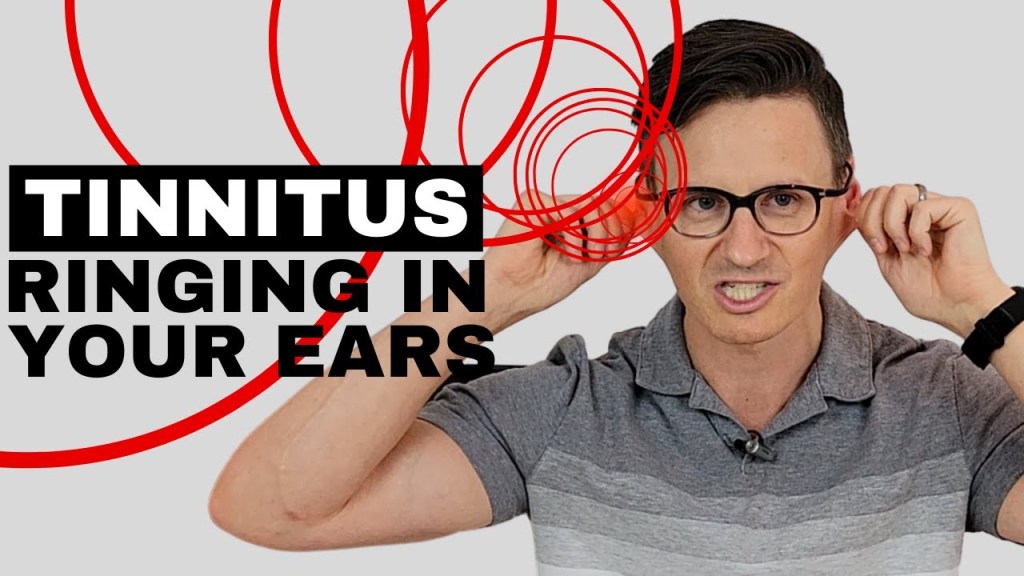
    Understanding what causes tinnitus is the first step toward addressing it effectively. There are several underlying reasons for this condition, and recognizing them can lead to better management strategies.
    Common Causes of Tinnitus

    One of the most common causes is hearing damage. Over time, exposure to loud sounds can damage the delicate hair cells in the inner ear. This often happens in musicians, factory workers, or anyone who spends time in noisy environments. Aging is another significant factor; age-related hearing loss can increase the likelihood of developing tinnitus.

    Other Contributing Factors

    Stress is another common trigger. High anxiety levels can amplify the perception of ringing in the ears. Some medications can also lead to tinnitus as a side effect. Even health issues, such as high blood pressure or ear infections, can contribute to the experience of tinnitus. Understanding these triggers can help in finding ways to lessen their impact.

    Proven Remedies to Alleviate Tinnitus

    If you’re wondering how to stop tinnitus ringing in your ears, there are several effective remedies to consider. Combining lifestyle adjustments with medical treatments can pave the way for relief.

    Sound Therapy and Masking Techniques

    Sound therapy is one such strategy. Using white noise machines or apps can help mask the ringing noise. For some, hearing aids are beneficial, especially if hearing loss accompanies tinnitus. These devices amplify external sounds, which can drown out the internal noise. Experimenting with sound can be a successful way to distract from the ringing.

    Stress Reduction and Relaxation Methods

    Reducing stress through relaxation techniques can also help. Methods like meditation, deep breathing, and yoga can lower anxiety levels. When stress decreases, many find that the ringing in their ears becomes less bothersome, creating a cycle of relief.

    Effective Medical Interventions

    For those seeking professional help, treatments like cognitive behavioral therapy (CBT) are effective. CBT focuses on changing the way one thinks about tinnitus, thus reducing its emotional impact. Medications may also be prescribed to manage symptoms, making them less intrusive. Consulting with an ENT specialist can provide additional insights tailored to individual cases.

    Lifestyle Changes to Manage Tinnitus

    Beyond immediate remedies, implementing long-term lifestyle changes can help in managing tinnitus effectively.

    Dietary Adjustments and Nutrition

    What we eat can influence our symptoms. Reducing caffeine, salt, and alcohol might lower the intensity of tinnitus for some. Incorporating nutrients like zinc and omega-3 fatty acids into the diet is vital for overall ear health. Focus on a balanced diet, rich in leafy greens, nuts, and fish to support your body and ears.

    Protecting Your Ears from Noise

    Protecting your ears from loud noises is crucial. Wear earplugs or noise-canceling headphones in loud environments. If you know you’re heading into a noisy situation, take steps to shield your ears. Awareness and precaution can make a significant difference in preventing further damage.

    The Role of Exercise and Overall Health

    Regular exercise can also play a role in alleviating symptoms. Physical activity promotes better blood circulation, which is essential for ear health. Maintaining overall good health through routine check-ups and a balanced lifestyle can lower the risk of developing or worsening tinnitus.

    Conclusion

    Dealing with tinnitus may feel overwhelming, but there are several actionable steps to help manage it. From understanding the causes and exploring effective treatments to making lifestyle adjustments, there’s hope for relief. As you navigate this journey, don’t hesitate to seek professional help. It’s crucial to find what works best for you to stop the ringing in your ears. You’re not alone in this experience, and with the right strategies, a quieter life can be within reach.

  • Tinnitus headphones offer a practical way to regain some peace by blending soothing sound therapy with advanced audio technology. In this post, I’ll guide you through how these specialized headphones work, who they’re for, and what to consider when choosing the right pair. Whether you’re new to tinnitus solutions or looking for an upgrade, this will help you make an informed decision.

    Understanding Tinnitus

    Before delving into the specifics of tinnitus headphones, it’s crucial to understand the condition itself. Tinnitus is not a disease but a symptom of an underlying issue, often related to hearing loss, ear injury, or circulatory system disorders. The phantom sounds vary in pitch and can be continuous or intermittent, impacting concentration and sleep.

    The Advent of Tinnitus Headphones

    Tinnitus headphones, a burgeoning innovation, are designed to alleviate the symptoms of tinnitus through sound therapy. These devices are engineered to produce specific sounds or music that mask the ringing or buzzing, providing the brain with alternative auditory input and reducing the perception of the tinnitus noise.

    How Tinnitus Headphones Work

    The core principle behind tinnitus headphones is sound therapy, which involves using external noise to alter the perception of tinnitus. This therapy can include white noise, nature sounds, or customized soundscapes tailored to the individual’s tinnitus frequency. By providing a comforting auditory environment, these headphones help distract the brain from the internal noise of tinnitus.

    Features and Benefits

    1. Customizable Soundscapes: Many tinnitus headphones offer customizable sound options, allowing users to select sounds that best mask their tinnitus. This personalization is critical as tinnitus varies greatly among individuals.

    2. Noise Cancellation: Advanced models incorporate active noise cancellation technology, which can help reduce external noise and enhance the effectiveness of sound therapy.

    3. Portability and Comfort: Designed for daily use, these headphones are typically lightweight and comfortable, making them suitable for extended wear throughout the day or night.

    4. Bluetooth Connectivity: Modern tinnitus headphones often feature Bluetooth connectivity, allowing users to stream music or therapeutic sounds directly from their devices.

    5. Improved Sleep and Focus: By reducing the intrusive nature of tinnitus sounds, these headphones can enhance sleep quality and improve focus, contributing to a better overall quality of life.

    Considerations and Limitations

    While tinnitus headphones offer significant relief for many users, they are not a one-size-fits-all solution. It’s essential to consult with a healthcare professional to determine the underlying cause of tinnitus and ensure that these devices are an appropriate part of the management plan. Additionally, results can vary, and it may take time to find the right combination of sounds that provide the most relief.

    Conclusion

    Tinnitus headphones represent a significant leap forward in managing the symptoms of tinnitus. By leveraging sound therapy, these devices provide a practical solution for those seeking relief from persistent ear ringing. As technology continues to evolve, the hope is that these innovations will offer even greater comfort and normalcy to those affected by this challenging condition.

    Key Takeaways

    Noise-canceling headphones can help manage tinnitus symptoms by reducing background noise, which may amplify perceived ringing or buzzing in the ears. They provide a quieter environment, allowing the brain to focus less on tinnitus sounds. While not a cure, these headphones can improve comfort and aid in relaxation for some individuals.

  • Managing tinnitus can be challenging, but modern technology is creating new ways to help. Tinnitus apps are designed to provide practical tools ranging from sound therapy to tracking symptoms to improve your daily life. Whether you’re new to these apps or exploring better options, understanding how they work could give you the relief you’re seeking. This post will break down everything you should know.

    Understanding Tinnitus and Its Challenges

    Tinnitus is more than just an occasional inconvenience. It’s a condition that can impact your mental and emotional well-being, making it crucial to understand what causes it and how it affects those who experience it.

    What is Tinnitus?

    Tinnitus, often described as a ringing in the ears, isn’t a disease but rather a symptom of an underlying issue. It’s surprisingly common, affecting around 15-20% of people worldwide. The sounds can vary. Some people hear a high-pitched whine, others report buzzing, hissing, or even clicking.

    For most, tinnitus is sporadic and fades away quickly. But for others, it becomes a constant background noise that interferes with daily life. While annoying, tinnitus itself isn’t typically harmful, though its impact can snowball into bigger mental and emotional health challenges if left un-managed.

    Causes and Triggers of Tinnitus

    Tinnitus can emerge from a variety of causes, many of which involve the ears and surrounding nerves. Some of the common culprits include:

    • Exposure to loud noise: Think concerts, construction noise, or even long-term headphone use at high volume.
    • Hearing loss: Age-related or noise-induced hearing loss often brings tinnitus as an unwanted side effect.
    • Ear infections or blockages: Fluid buildup, earwax, or a middle ear infection can trigger ringing.
    • Stress and anxiety: Emotional strain can amplify tinnitus or make you more aware of it.
    • Medications: Certain drugs, from aspirin to antibiotics, can have tinnitus as a side effect.

    Understanding your triggers is key. For some, avoiding loud environments or managing stress can help prevent tinnitus from worsening.

    Mental Health Implications

    It’s tough to ignore a sound that won’t go away, and over time, that can take a toll. Tinnitus can lead to:

    • Anxiety and stress: Constant buzzing doesn’t just disrupt quiet moments; it can leave you feeling on edge.
    • Sleep difficulties: It’s hard to relax when your ears won’t cooperate. Lack of sleep can make the ringing feel even more overwhelming.
    • Difficulty concentrating: The noise can compete for your attention, making it hard to focus on tasks.

    Unmanaged tinnitus can feel isolating, but tools like smartphone apps offer practical steps to help regain control, reduce anxiety, and improve overall well-being.

    How Smartphone Apps Assist in Tinnitus Management

    Apps designed for tinnitus are not just digital distractions. They use science-backed methods to provide relief right at your fingertips.

    The Science Behind Tinnitus Apps

    Most tinnitus apps rely on sound therapy, a well-established approach to managing symptoms. By introducing external sounds—like white noise, nature sounds, or even tailored frequency tones—these apps can help your brain tune out the irritating internal noises.

    Some apps also incorporate relaxation techniques, such as mindfulness exercises or breathing guides. These can reduce the stress and anxiety that often worsen tinnitus, giving you a double benefit.

    Key Features to Look for in a Tinnitus App

    Not all tinnitus apps are created equal. Here are a few features worth prioritizing when picking one:

    • Customizable sounds: This lets you tailor soundscapes to mask the specific frequency or tone of your tinnitus.
    • White noise and nature sounds: Many apps include ambient sounds to help you relax or fall asleep.
    • Progress tracking: Apps that help you monitor improvements over time can keep you motivated.
    • Mindfulness and meditation tools: Guided exercises can help you manage stress, which often worsens symptoms.

    By focusing on these features, you can pick an app to suit your needs while experimenting with what works best.

    Top Smartphone Apps Designed for Tinnitus Relief

    Ready to give tinnitus apps a try? Here are some of the most effective options available today, each offering unique tools to help you manage.

    Tinnitus Relief Hypnosis

    This app takes a unique approach by incorporating hypnotherapy techniques. Its guided sessions are designed to relax your mind and retrain your focus, making the ringing less noticeable. It’s particularly effective for people who struggle with tinnitus-related stress.

    Top Features:

    • Hypnotherapy sessions aimed at calming the mind.
    • Guided exercises to shift attention away from ringing sounds.
    • Customizable listening schedules based on your routine.

    ReSound Relief

    ReSound Relief is a sound therapy powerhouse. Its signature feature is the ability to design your own soundscapes, mixing various tones and ambient sounds to create the perfect mask for your tinnitus.

    Top Features:

    • Personalized soundscapes tailored to your tinnitus.
    • A large library of white noise, nature sounds, and ambient tones.
    • Tutorials and information to better understand tinnitus.

    Whist – Tinnitus Relief

    Whist stands out for its high level of customization. It takes personalization to the next level, allowing you to match the therapy tones to your specific tinnitus frequency. This targeted approach can make masking much more effective.

    Top Features:

    • Create sound therapy tuned to your tinnitus frequency.
    • Adjustable settings to fine-tune therapy sessions.
    • Intuitive interface that’s easy to navigate.

    Calm: Sleep & Meditation

    While not specifically a tinnitus app, Calm is an excellent option for managing stress and improving sleep quality—two key factors in tinnitus relief. Its guided meditations, sleep stories, and breathing exercises help you relax, which can make the ringing easier to cope with.

    Top Features:

    • Relaxing guided meditations for reducing stress.
    • Sleep stories and soundscapes to help you fall asleep.
    • Breathing exercises to bring back a sense of calm.

    Conclusion

    Tinnitus apps are changing the way people manage ringing in their ears. By offering tools like sound therapy, relaxation techniques, and progress tracking, these apps provide accessible relief for a frustrating condition. The key is experimentation: what works for one person may not work for another.

    If you’re struggling with tinnitus, don’t hesitate to explore these options. Whether it’s through hypnotherapy, personalized soundscapes, or mindfulness exercises, there’s a good chance one of these apps can help you find the relief you’re looking for.

  • Tinnitus can be frustrating and exhausting, especially when the cause isn’t clear. Surprisingly, vitamin B12 deficiency is often overlooked as a potential link. If you’re hearing that constant ringing or buzzing, your body might be signaling a deeper issue. In this post, I’ll walk you through how low B12 could contribute to tinnitus and the key signs to watch for. Understanding these connections can help you take steps toward relief.

    What is Tinnitus?

    Tinnitus is not a disease itself, but a symptom of an underlying condition, often related to the auditory system or neurological disorders. It can be perceived as ringing, whistling, hissing, or buzzing sounds in one or both ears, and its intensity can vary from mild to debilitating. Common causes include age-related hearing loss, exposure to loud noise, earwax blockage, and ototoxic medications, among others. However, nutritional deficiencies, particularly in essential vitamins, have also been observed in some tinnitus sufferers.

    The Role of Vitamin B12 in the Body

    Vitamin B12, also known as cobalamin, is a water-soluble vitamin crucial for various bodily functions. It plays a key role in DNA synthesis, red blood cell formation, and neurological function. Vitamin B12 deficiency can lead to a range of health issues including anemia, fatigue, neurological changes, and cognitive disturbances. Given its significance in maintaining nerve health, researchers have explored its potential link to tinnitus.

    Vitamin B12 Deficiency and Tinnitus

    A deficiency in Vitamin B12 can affect the auditory pathway and the functioning of the nerves that play a role in hearing. Some studies suggest that individuals with tinnitus may have lower levels of Vitamin B12, implicating the vitamin’s role in maintaining healthy nerve function. However, the evidence is not conclusive, and more research is needed to establish a direct causal connection.

    Potential Benefits of Vitamin B12 Supplementation

    For individuals with a confirmed Vitamin B12 deficiency, supplementation may offer relief from tinnitus symptoms. By potentially improving nerve function and reducing nerve degeneration, Vitamin B12 could play a therapeutic role in managing tinnitus. It is important, however, for individuals to consult healthcare professionals to determine whether they have a deficiency and to avoid self-prescribing supplements, as inappropriate use can lead to adverse effects.

    Dietary Sources of Vitamin B12

    For those looking to maintain adequate Vitamin B12 levels through diet, it is naturally found in animal products such as meat, fish, poultry, eggs, and dairy. Fortified foods, like some cereals and plant-based milk alternatives, also provide a valuable source for vegetarians and vegans. Ensuring a balanced diet rich in Vitamin B12 is crucial for overall health and potentially in managing tinnitus symptoms related to deficiency.

    Conclusion

    While the exact relationship between Vitamin B12 and tinnitus remains an area of ongoing research, ensuring adequate intake of this essential vitamin is undeniably beneficial for nerve health and overall well-being. For those experiencing tinnitus, especially alongside symptoms of deficiency, seeking medical advice is crucial. Health professionals can offer diagnostic testing and tailored advice on supplementation or dietary adjustments, paving the way for effective management of this distressing condition.

    Key Takeaway

    Vitamin B12 deficiency has been linked to tinnitus, a condition causing ringing or buzzing in the ears. Low B12 levels may impair nerve function and affect inner ear health. Addressing the deficiency through diet or supplements could help reduce symptoms. Consult a healthcare provider for diagnosis and personalized treatment options.

  • Anxiety and pulsatile tinnitus are two distinct conditions that, when occurring simultaneously, can significantly impact an individual’s quality of life. Understanding their relationship and management strategies can be essential for those affected.

    Anxiety: An Overview

    Anxiety is a natural response to stress, characterized by feelings of worry or fear that are strong enough to interfere with one’s daily activities. It is a common mental health issue, with millions of people experiencing it at some point in their lives. While occasional anxiety is a part of life, chronic anxiety can lead to various health problems, including cardiovascular issues and sleep disturbances.

    Symptoms of Anxiety

    Restlessness or feeling on edge , Increased heart rate , Rapid breathing or hyperventilation, Trouble concentrating and Difficulty falling or staying asleep

    Pulsatile Tinnitus: A Unique Form of Tinnitus

    Pulsatile tinnitus is a type of tinnitus where the individual hears a rhythmic sound that often aligns with their heartbeat. Unlike the more common form of tinnitus, which usually involves a constant ringing or buzzing in the ears, pulsatile tinnitus feels like a thumping sound that can be quite distracting and distressing.

    Causes of Pulsatile Tinnitus

    Pulsatile tinnitus is often a symptom of an underlying vascular condition. Some common causes include:

    High blood pressure – Blood vessel disorders or malformations – Anemia – Ear infections

    The Connection Between Anxiety and Pulsatile Tinnitus

    The relationship between anxiety and pulsatile tinnitus can be bidirectional. Anxiety can exacerbate the perception of tinnitus, making it more noticeable and bothersome. Conversely, the constant awareness of tinnitus can heighten anxiety levels, creating a vicious cycle where each condition amplifies the other.

    Coping Strategies

    Managing both anxiety and pulsatile tinnitus often requires a comprehensive approach, addressing both the physical and psychological aspects of these conditions.

    1. Medical Intervention: Consulting a healthcare provider is crucial. Treatment for the underlying causes of pulsatile tinnitus can alleviate symptoms. Additionally, therapy and medications can be beneficial for managing anxiety.

    2. Cognitive Behavioral Therapy (CBT): CBT can help individuals develop coping strategies, challenge negative thoughts, and reduce the overall emotional impact of tinnitus and anxiety.

    3. Mindfulness and Relaxation Techniques: Practices such as meditation, yoga, and deep breathing exercises can significantly reduce anxiety levels and improve mental well-being.

    4. Sound Therapy: Using background noise or white noise machines can help mask the sound of tinnitus, making it less perceptible and allowing individuals to focus on other activities.

    5. Lifestyle Changes: Regular exercise, a balanced diet, and adequate sleep support overall health and can reduce anxiety symptoms.

    6. Support Groups and Counseling: Connecting with others who have similar experiences can provide comfort and practical advice, as well as reduce feelings of isolation.

    Conclusion

    While anxiety and pulsatile tinnitus can profoundly affect an individual’s life, understanding their interaction and seeking appropriate treatment can lead to significant improvements. A holistic approach, focusing on both mental and physical health, is often the most effective way to manage these conditions. If you suspect you are experiencing either anxiety or pulsatile tinnitus, reaching out to a healthcare professional is an important step toward finding relief and improving your overall quality of life.

  • Tinnitus and vertigo are two conditions that can disrupt daily life in ways that people often don’t realize until they experience them. Tinnitus involves hearing sounds like ringing, buzzing, or hissing when no external sound is present. On the other hand, vertigo creates the sensation that you or your surroundings are spinning, even when you’re standing still. Although these conditions seem unrelated on the surface, they’re often closely linked, particularly through the inner ear. Knowing more about the connection between tinnitus and vertigo can help you take the right steps toward managing them effectively.

    What Are Tinnitus and Vertigo?

    To understand how these conditions interact, it helps to define each one.

    Tinnitus is a condition where a person perceives noises in one or both ears that don’t come from an external source. These noises can vary in pitch, ranging from low humming to high-pitched squeals. While tinnitus isn’t usually painful, the constant noise can be distracting, frustrating, and mentally exhausting, particularly if it interferes with sleep or focus.

    Vertigo, in contrast, is a form of dizziness that makes you feel like the world is spinning around you or that you’re spinning yourself. Unlike regular lightheadedness, vertigo can make even simple activities, such as walking or standing up, a challenge. It can lead to nausea, difficulty balancing, and in severe cases, falls or injuries.

    Both conditions on their own are disruptive, but when they occur together—which they often do it can amplify the challenge of handling daily tasks.

    Tinnitus: Causes and Symptoms

    Tinnitus can result from a variety of triggers. Some of the most common causes include:

    • Exposure to loud noise: Extended time in noisy environments, like concerts or industrial workplaces, can damage the inner ear.
    • Aging: The natural aging process can wear down parts of the ear, producing tinnitus.
    • Ear infections: Infections that create pressure or blockages in the ear may lead to temporary or chronic tinnitus.
    • Medications: Some drugs, including certain antibiotics or high doses of aspirin, have side effects that include tinnitus.

    People with tinnitus often describe hearing noises such as ringing, buzzing, roaring, or even clicking. These sounds can fluctuate in volume and may occur in one or both ears. In some cases, the noises are constant, while in others, they come and go for no apparent reason.

    Vertigo: Causes and Symptoms

    Vertigo is also linked to various medical issues, most of which affect the inner ear or brain. Common causes include:

    • Inner ear problems: Conditions like BPPV (benign paroxysmal positional vertigo) occur when loose crystals in the inner ear disrupt balance.
    • Head injuries: Trauma to the skull can impact the inner ear or brain, triggering vertigo.
    • Migraines: Vestibular migraines, specifically, can cause periods of vertigo as part of their symptoms.

    Symptoms of vertigo often include a spinning or tilting sensation, nausea, trouble with balance, and feelings of unsteadiness. For many, these symptoms can be triggered by sudden movements or changes in position.

    How Tinnitus and Vertigo Are Related

    The connection between tinnitus and vertigo lies within the inner ear. The inner ear plays a major role in both hearing and balance, so when something affects this area, symptoms of tinnitus and vertigo can often appear together. For example, Meniere’s disease a condition that disrupts fluid balance inside the inner ear is a leading cause of both conditions occurring simultaneously.

    The Role of the Inner Ear

    The inner ear isn’t just responsible for hearing; it also controls your sense of balance. Specifically, this balance system (known as the vestibular system) helps your brain understand your body’s position and movement. When this system is disrupted—by damage, inflammation, or abnormal fluid buildup it can send mixed signals to your brain that result in vertigo. At the same time, if the part of the ear responsible for detecting sound is affected, tinnitus can emerge.

    Meniere’s Disease and Other Overlapping Conditions

    Meniere’s disease is a clear example of how tinnitus and vertigo can overlap. This condition involves periods of intense vertigo, ringing in the ears, hearing loss, and a feeling of fullness in the ear. Other conditions, such as vestibular neuritis (inflammation of the inner ear’s vestibular nerve) or an acoustic neuroma (a benign tumor on the hearing and balance nerve), also illustrate the inner ear’s dual role in controlling both balance and hearing.

    Diagnosing and Managing Tinnitus and Vertigo

    Accurately identifying the underlying cause of tinnitus or vertigo is essential for effective treatment. This process often involves a combination of diagnostic tests, medical evaluations, and lifestyle adjustments.

    Medical Diagnosis Techniques

    Doctors often start with a detailed medical history and physical exam. For tinnitus, hearing tests can determine whether hearing loss is contributing to the symptoms. Imaging scans, like MRIs or CTs, may be ordered to look for structural issues in the inner ear or brain. For vertigo, balance tests or a Dix-Hallpike maneuver (a specific movement test) can help pinpoint whether the inner ear is the source of the problem.

    Treatment and Lifestyle Changes

    Treatment varies depending on the cause, but common strategies for tinnitus and vertigo include:

    • Medications: Drugs like antihistamines or anti-nausea medications can ease vertigo, while certain prescriptions may reduce tinnitus intensity.
    • Physical therapy: Vestibular rehabilitation therapy (VRT) can alleviate vertigo by retraining the brain’s balance system.
    • Dietary adjustments: Reducing salt, caffeine, or alcohol intake can help with conditions like Meniere’s disease.
    • Stress management: Stress is known to exacerbate tinnitus. Relaxation techniques or therapy can often improve symptoms.

    Living with Tinnitus and Vertigo

    While neither condition has a definitive cure, many people learn to manage the symptoms and maintain their quality of life.

    Coping Mechanisms and Daily Strategies

    Simple steps can make a difference. For tinnitus, white noise machines can minimize the impact of background ringing at night. Practicing mindfulness or meditation can reduce stress levels, indirectly lowering symptom severity. For vertigo, moving slowly, especially when changing positions, can help prevent dizziness. Support groups or therapy may also help you process the emotional toll these conditions can take.

    When to Seek Professional Help

    If your tinnitus becomes overwhelming or your vertigo leads to frequent falls or injuries, it’s time to consult a professional. Red flags include sudden hearing loss, severe spinning episodes, or symptoms that worsen instead of improve. The earlier you address these issues, the better your chances of finding effective relief.

    Conclusion

    Tinnitus and vertigo might seem like separate concerns, but their connection in the inner ear makes them more intertwined than most people realize. Whether caused by Meniere’s disease or another condition, these symptoms can take a serious toll on your well-being. However, with medical guidance, lifestyle changes, and coping techniques, it’s possible to manage both tinnitus and vertigo effectively. Take action, and don’t let these conditions define your everyday life. Solutions are within reach.

  • Chronic tinnitus can be a challenging condition to live with. It often manifests as a constant ringing, buzzing, or hissing in the ears. For many, this persistent noise isn’t just a nuisance; it affects daily life in profound ways, disrupting sleep, concentration, and overall well-being. Understanding effective treatment options is essential for managing the symptoms and improving quality of life.

    Understanding Chronic Tinnitus

    Chronic tinnitus refers to the ongoing experience of hearing sounds when no external source is present. Unlike temporary tinnitus, which may arise from short-term factors like exposure to loud music or ear infections, chronic tinnitus lasts much longer often for six months or more. Common symptoms include:

    • Ringing or buzzing sounds
    • Whooshing or hissing noises
    • A sensation of fullness in the ears

    These sounds can vary in pitch and volume, leading to significant discomfort for many sufferers.

    Causes of Chronic Tinnitus

    Numerous factors can contribute to chronic tinnitus. Some of the most common causes include:

    • Hearing loss: Age-related hearing loss is a significant factor. The auditory system’s deterioration can lead to the brain trying to compensate for the missing sounds.
    • Loud noise exposure: Repeated exposure to loud sounds, whether from music, machinery, or other sources, can damage the delicate hair cells in the inner ear.
    • Underlying health conditions: Conditions like ear infections, Meniere’s disease, or even high blood pressure can trigger or worsen tinnitus symptoms.

    Understanding these causes is crucial in seeking appropriate treatment.

    Physical and Emotional Impact

    Living with chronic tinnitus can take a toll on both physical health and emotional well-being. Sleep issues are common, as the incessant noise makes it difficult to fall and stay asleep. This lack of restful sleep can lead to fatigue and reduced concentration.

    Emotionally, the constant noise can trigger feelings of stress and anxiety. Many individuals may find themselves in a cycle of frustration, where worrying about the tinnitus exacerbates the symptoms. Recognizing the physical and emotional effects can help in seeking effective treatment options.

    Medical Treatment Options for Chronic Tinnitus

    When it comes to medical interventions for chronic tinnitus, several avenues can be explored. It’s important to consult with a healthcare professional to determine the best plan for your individual needs.

    Medications and Supplements

    Certain medications can be beneficial for managing chronic tinnitus symptoms. Antidepressants, for instance, may help reduce anxiety associated with tinnitus. Some individuals find relief through supplements, such as:

    • Zinc: Some studies suggest that zinc may help improve auditory function in those with tinnitus.
    • Ginkgo Biloba: This herbal supplement is believed to boost blood flow to the ears, potentially alleviating symptoms.

    Consulting a healthcare professional before starting any new medications or supplements is essential.

    Sound Therapy and Hearing Aids

    Sound therapy can provide relief by masking the sounds of tinnitus. This can be achieved through sound-masking devices or white noise machines that generate soothing sounds to distract from the tinnitus. For those with hearing loss, hearing aids can be effective. By amplifying external sounds, they may make tinnitus less noticeable.

    Lifestyle Changes and Home Remedies

    While medical treatments are important, lifestyle changes can also play a significant role in managing chronic tinnitus symptoms.

    Stress Management Techniques

    Incorporating stress management practices into daily life can have a positive impact. Techniques such as yoga, mindfulness, and meditation can help reduce stress levels, making tinnitus easier to manage. These practices encourage relaxation and can shift focus away from the persistent noise.

    Diet and Exercise

    Maintaining a healthy diet and staying active can contribute to overall wellness. Some individuals find that certain foods or beverages, such as caffeine, can worsen their symptoms. Monitoring diet closely may help identify specific triggers. Regular exercise not only promotes general health but can also enhance mood, aiding in stress reduction.

    Limiting Exposure to Triggers

    Being mindful of potential tinnitus triggers is key. Simple strategies include:

    • Avoiding loud environments and using ear protection when necessary.
    • Reducing caffeine and alcohol intake.
    • Quitting smoking, as it can constrict blood vessels and worsen symptoms.

    Making these adjustments can help decrease the severity of tinnitus symptoms.

    Professional Support and Coping Strategies

    Seeking support from healthcare professionals and other individuals dealing with tinnitus can make a significant difference. Developing coping strategies is essential for managing this challenging condition.

    Cognitive Behavioral Therapy (CBT) for Tinnitus

    Cognitive Behavioral Therapy (CBT) has been shown to be effective for those living with chronic tinnitus. This form of therapy helps individuals reframe their thoughts and feelings about tinnitus. By changing negative thought patterns, people can reduce stress and improve their quality of life.

    Joining Support Groups

    Connecting with others who experience similar challenges can provide emotional support and practical solutions. Support groups offer a safe space to share experiences and coping strategies. Hearing stories from others can be comforting, making the journey feel less isolating.

    Conclusion

    Chronic tinnitus is a complex condition that requires a multifaceted approach to treatment. From medical interventions like medications and sound therapy to lifestyle changes and professional support, various strategies can help manage symptoms. It’s crucial to consult with a healthcare professional for tailored advice that works for you. Remember, you are not alone in this journey, and effective treatment options are available to enhance your quality of life.

  • Many people may not realize that their chronic neck or jaw pain could be related to their tinnitus symptoms. Understanding this connection can be crucial for those seeking relief. My goal is to bring clarity to this topic, explaining how neck or jaw pain can amplify tinnitus and offering strategies for relief.

    Understanding Tinnitus

    Tinnitus refers to the perception of sound without an external source. It varies from person to person and can manifest in various ways, such as ringing, hissing, or whooshing sounds. Many individuals experience tinnitus intermittently, while others may have a constant presence of sound that significantly interferes with their daily life.

    The causes of tinnitus are multifaceted, with some individuals experiencing mild symptoms that come and go, while others face severe, unrelenting noise. This variability can directly impact a person’s quality of life. Simple tasks such as concentrating at work or enjoying a conversation may become frustrating challenges.

    Common Causes of Tinnitus

    Several factors can contribute to tinnitus, including:

    • Exposure to Loud Noises: Prolonged exposure to loud music or machinery can damage the hair cells in the inner ear, leading to tinnitus.
    • Ear Infections: Infections can affect hearing and may lead to temporary or chronic tinnitus.
    • Underlying Health Conditions: Issues like high blood pressure or diabetes can also contribute to the onset of tinnitus.

    Recognizing these causes helps in understanding one’s own tinnitus symptoms and addressing potential triggers.

    The Role of Neck and Jaw Pain in Tinnitus

    Chronic neck or jaw pain can have a significant impact on tinnitus symptoms. Our bodies are intricately connected, and discomfort in one area can ripple through to affect others. The relationship between the neck, jaw, and auditory system can be significant.

    When any part of this system is under stress from pain or tension, it can exacerbate tinnitus.

    Muscle Tension and Tinnitus

    The muscles in our neck and jaw can become tense due to stress or posture issues. This tension can affect how we perceive sounds. When muscles become tight, they may lead to increased sensitivity in the auditory pathways, making the ringing sound of tinnitus more noticeable.

    Tension in the neck can cause the head to feel heavier, altering how we hear sounds. Have you ever felt a headache settle in after a long day? That discomfort can influence not just your concentration but also how you experience tinnitus.

    The Impact of TMJ Disorders

    Temporomandibular Joint (TMJ) disorders often lead to jaw pain and can relate closely to tinnitus. The TMJ connects the jaw to the skull, and issues here can cause pain that radiates to the head and neck. Symptoms of TMJ disorders may include:

    • Jaw tenderness
    • Clicking or popping sounds when moving the jaw
    • Tinnitus

    Managing TMJ disorders often requires a comprehensive approach, addressing both pain relief and potential tinnitus symptoms.

    Managing Chronic Neck or Jaw Pain to Alleviate Tinnitus Symptoms

    If you’re dealing with chronic neck or jaw pain, addressing these issues might help lessen tinnitus. Here are some effective strategies:

    Physical Therapy Techniques

    Working with a physical therapist can be beneficial. They can suggest specific exercises designed to alleviate tension in the neck and jaw. Some common exercises include:

    • Gentle Neck Stretches: These can help relieve tightness in the neck muscles that might be contributing to your symptoms.
    • Jaw Exercises: Simple movements to gently open and close the jaw can reduce tension in the TMJ.

    Implementing these exercises regularly can lead to noticeable improvements in both neck pain and tinnitus.

    Stress Management and Relaxation Techniques

    Stress plays a critical role in both neck pain and tinnitus. Incorporating stress-reducing practices may be extremely helpful. Consider exploring:

    • Mindfulness Meditation: This can help center your thoughts and reduce overall stress.
    • Deep Breathing Exercises: Focusing on your breath can calm your nervous system and potentially ease tension.

    Finding relaxation techniques that resonate with you can ultimately provide a sense of control over your symptoms.

    When to Seek Professional Help

    It’s essential to consult healthcare professionals if you’re experiencing chronic neck or jaw pain alongside tinnitus. Identifying these symptoms early can lead to better outcomes.

    Types of Healthcare Providers

    Several practitioners can offer assistance, including:

    • ENT Specialists: They focus on ear, nose, and throat health, including tinnitus evaluation.
    • Chiropractors: They can address musculoskeletal issues that may be contributing to neck pain and tinnitus.
    • Physiotherapists: They specialize in movement and muscle function, making them key players in treating neck and jaw pain.

    Signs That Indicate a Need for Medical Attention

    Be on the lookout for specific symptoms. If your tinnitus is accompanied by:

    • Sudden changes in hearing
    • Extreme pain in the jaw or neck
    • Dizziness or balance issues

    These could be signs that require immediate medical attention. Don’t hesitate to reach out to your healthcare provider to discuss these concerns.

    Conclusion

    Understanding the impact of chronic neck or jaw pain on tinnitus symptoms can open pathways for treatment and relief. Addressing both pain and tinnitus simultaneously might offer improved quality of life. Through a combination of physical therapy, stress management, and the support of healthcare professionals, there’s hope for reducing the impact of tinnitus. Taking the first step toward relief starts with recognizing the interconnectedness of your symptoms and seeking effective management strategies.

  • Living with tinnitus can feel overwhelming, especially when it seems there’s no relief in sight. Many people turn to OTC tinnitus supplements, hoping for an effective solution to manage persistent ringing or buzzing in their ears. But do these products actually help? This post explores how these supplements work, what ingredients to look for, and what to consider before trying one.

    The Basics of Tinnitus

    Before delving into OTC supplements, it’s essential to understand what tinnitus is. Tinnitus is not a disease but a symptom of an underlying condition, such as age-related hearing loss, ear injury, or circulatory system disorders. It is crucial for individuals experiencing tinnitus to consult healthcare professionals to identify and address any underlying issues.

    Popular OTC Supplements for Tinnitus

    A growing market of OTC supplements promises relief for tinnitus sufferers. These products often contain a blend of vitamins, minerals, and herbal extracts. Here are some common ingredients found in these supplements:

    1. Ginkgo Biloba: This herbal extract is believed to improve blood circulation, which may help alleviate tinnitus symptoms. Some studies suggest potential benefits, but more research is needed to establish its effectiveness conclusively.

    2. Zinc: Zinc deficiency has been linked to tinnitus in some cases. Supplements containing zinc aim to address this potential deficiency, although results can vary from person to person.

    3. Magnesium: Magnesium is essential for nerve function and may play a role in protecting the ear from noise-related damage. Some studies indicate that magnesium supplementation might reduce the severity of tinnitus symptoms.

    4. Vitamin B12: There is evidence suggesting a link between vitamin B12 deficiency and tinnitus. Supplementing with vitamin B12 could be beneficial for those who are deficient.

    5. Melatonin: Known for its role in regulating sleep, melatonin may help improve sleep quality for tinnitus sufferers, indirectly alleviating the condition’s impact.

    6. Coenzyme Q10 (CoQ10): This antioxidant is thought to support overall cellular health, including that of the auditory system. Its efficacy in treating tinnitus is still under investigation.

    Evaluating the Effectiveness of Supplements

    While many tinnitus supplements are available, their effectiveness can vary widely. Some individuals may experience relief, while others see little to no change in their symptoms. The placebo effect can also play a role in perceived improvements. It’s essential for consumers to approach these supplements with realistic expectations.

    Consulting Healthcare Professionals

    Before starting any OTC supplement regimen, it is advisable to consult with a healthcare professional. They can help determine if a supplement is appropriate and safe, consider potential interactions with other medications, and address any underlying health issues contributing to tinnitus.

    Conclusion

    OTC tinnitus supplements may offer hope for some sufferers, but they are not a guaranteed solution. The complexity of tinnitus and its varied causes mean that what works for one person may not work for another. Continued research is necessary to better understand the condition and develop more effective treatments. In the meantime, individuals should seek professional guidance and consider lifestyle changes, such as stress management and sound therapy, as part of a comprehensive approach to managing tinnitus.

    Key Takeaways

    Over-the-counter (OTC) tinnitus supplements claim to reduce ringing or buzzing in the ears by addressing potential deficiencies or promoting ear health. These products often include ingredients like vitamins, minerals, antioxidants, or herbal extracts. While some individuals report relief, there is limited scientific evidence supporting their effectiveness. Always consult a healthcare provider before use.

  • Hearing loss and tinnitus often go hand in hand, leading to confusion and frustration for many people. The relationship between these two conditions is significant, affecting millions of individuals worldwide. Understanding how they connect can help in managing symptoms and improving overall quality of life.

    Understanding Hearing Loss

    Hearing loss is not merely a single condition; it’s an umbrella term that covers different types, each with unique characteristics and causes. The main types of hearing loss include sensorineural, conductive, and mixed hearing loss.

    Types of Hearing Loss

    1. Sensorineural Hearing Loss: This type stems from damage to the inner ear or the auditory nerve. It often occurs gradually with age or can result from prolonged exposure to loud noises. People with sensorineural hearing loss may have difficulty understanding speech, especially in noisy environments.
    2. Conductive Hearing Loss: This type occurs when sound waves cannot effectively travel through the outer ear canal to the eardrum or the bones of the middle ear. Causes can include ear infections, fluid in the middle ear, or earwax buildup. People may notice sounds are muffled or quiet.
    3. Mixed Hearing Loss: As the name suggests, mixed hearing loss includes elements of both sensorineural and conductive hearing loss. It can happen due to a combination of issues affecting the outer, middle, and inner ears.

    Common Causes of Hearing Loss

    Several factors contribute to hearing loss, including:

    • Lifestyle Choices: Long-term exposure to loud music or workplace noise can lead to permanent damage.
    • Genetic Factors: A family history of hearing issues can increase the likelihood of hearing loss.
    • Health Conditions: Conditions like diabetes, high blood pressure, and specific infections can impact hearing.

    What is Tinnitus?

    Tinnitus is often described as a ringing, buzzing, or hissing sound in the ears when no external sound is present. It’s important to note that tinnitus is a symptom rather than a standalone condition, and it can vary widely from person to person.

    Symptoms of Tinnitus

    Many people experience tinnitus differently. Some common symptoms include:

    • Sounds: Common sounds reported include ringing, buzzing, humming, whooshing, or clicking.
    • Intensity: The sound can be soft or loud and may come and go or persist continuously.
    • Emotional Response: Many individuals report feelings of frustration, anxiety, or difficulty concentrating due to the persistent sounds.

    Potential Triggers of Tinnitus

    Several factors might trigger or worsen tinnitus symptoms:

    • Noise Exposure: Sudden loud noises can ignite or exacerbate existing tinnitus.
    • Ear Infections: Infections can lead to changes in ear pressure and trigger symptoms.
    • Stress: High levels of stress and anxiety can intensify the perception of tinnitus.

    The Link Between Hearing Loss and Tinnitus

    Research has highlighted a strong connection between hearing loss and developing tinnitus. Understanding this link can aid in prevention and treatment strategies.

    How Hearing Loss Leads to Tinnitus

    When hearing loss occurs, the brain adapts to the reduced auditory input through a process known as neuroplasticity. This adjustment may result in the brain compensating for the lack of sound by creating its own sensory input. Some scientists believe this “phantom sound” sensation manifests as tinnitus.

    Statistics and Studies

    Research indicates that approximately 90% of people with tinnitus also have some degree of hearing loss. This statistic highlights the prevalence of tinnitus among individuals experiencing auditory issues. Studies further suggest that as hearing ability declines, the likelihood of experiencing tinnitus increases, illustrating the critical relationship between these two conditions.

    Managing Hearing Loss and Tinnitus

    Addressing both hearing loss and tinnitus requires a combination of medical and lifestyle strategies. There are several approaches that can help manage both conditions effectively.

    Treatment Options for Hearing Loss

    • Hearing Aids: These devices amplify sound and can improve communication. Many modern hearing aids come equipped with features that also help manage tinnitus.
    • Cochlear Implants: For those with severe hearing loss, cochlear implants can bypass damaged areas of the ear and stimulate the auditory nerve directly.
    • Assistive Listening Devices: Tools like TV amplifiers or phone systems can enhance sound in specific scenarios.

    Tinnitus Management Techniques

    A few methods can help ease tinnitus symptoms:

    • Sound Therapy: This approach uses background noise or specially designed sounds to mask tinnitus and help individuals focus on other sounds.
    • Cognitive Behavioral Therapy (CBT): CBT can assist in addressing the emotional response to tinnitus, helping lessen anxiety and improve overall well-being.
    • Mindfulness and Relaxation Techniques: Practices like mindfulness or yoga can reduce stress, which may help ease tinnitus symptoms.

    Conclusion

    The connection between hearing loss and tinnitus is complex and often intertwined. Awareness of this relationship is crucial for those affected by either condition. Seeking help from healthcare professionals can provide tailored strategies for managing symptoms and improving quality of life. Taking proactive steps can make a significant difference in navigating the challenges of hearing loss and tinnitus.