


Home

  • Have you ever noticed a slight ringing or buzzing in your ears and wondered if it could be related to dehydration? It turns out, your body’s fluid balance might play a bigger role in ear health than you’d think. Dehydration can affect blood flow and the delicate structures in the ear, potentially worsening tinnitus symptoms. In this post, I’ll break down how the two are connected and what you can do to protect your hearing.

    The Role of Hydration in Overall Health

    Hydration might seem simple, but it’s fundamental to our overall well-being. Water is essential for every cell in our bodies. It supports digestion, helps regulate body temperature, and facilitates nutrient transport. When I think about how much I rely on hydration, it becomes clear just how importance water is for maintaining optimal health.

    How Hydration Affects the Body

    Proper hydration impacts many bodily functions. Cells need water to function correctly. When I’m well-hydrated, my energy levels remain steady, my skin looks better, and my mind is sharper. Dehydration, on the other hand, can lead to issues like fatigue, headaches, and impaired cognitive function. Interestingly, dehydration can also cause muscle cramps—uncomfortable reminders of just how critical water intake is for my health.

    Signs of Dehydration

    Being aware of signs of dehydration can keep us ahead of potential issues. Here are some common symptoms to watch for:

    • Increased thirst
    • Dry mouth
    • Fatigue
    • Dizziness
    • Dark yellow urine
    • Headaches

    If you notice these signs, it may be time to drink more water. Listening to your body is one of the best wellness strategies.

    The Connection Between Dehydration and Tinnitus

    Researchers have begun to investigate whether dehydration can worsen tinnitus. Some findings suggest that lower hydration levels might exacerbate the condition. While more studies are needed, the link is worth discussing. It’s fascinating how something as simple as hydration can have such a profound impact.

    Research Findings on Dehydration and Tinnitus

    Several studies have pointed towards a connection between dehydration and increased severity of tinnitus. One key study indicated that individuals with tinnitus reported improvements in their symptoms when they maintained higher hydration levels. While further research is necessary to establish a definitive cause-and-effect relationship, these findings are compelling, suggesting that staying hydrated could play a critical role in managing tinnitus.

    Mechanisms of Impact

    Understanding the biological mechanisms through which dehydration might influence tinnitus is essential. Inner ear health relies on proper fluid balance. Dehydration can disrupt this balance, possibly leading to changes in fluid pressure and, in turn, affecting auditory function. Additionally, hydration levels can influence blood flow. When blood flow to the ear is optimal, it helps maintain healthy auditory nerves, which might alleviate tinnitus symptoms.

    Ways to Maintain Proper Hydration

    Keeping hydrated doesn’t have to be complicated. Here are some simple ways to ensure I’m drinking enough water throughout the day.

    Hydration Tips for Ear Health

    1. Set a daily water goal: Aim for at least eight 8-ounce glasses of water daily.
    2. Carry a reusable water bottle: Having water on hand encourages you to drink more.
    3. Drink before meals: Having a glass of water before meals can remind you to hydrate.
    4. Infuse your water: Adding fruits like lemon or cucumber can make drinking water more enjoyable.
    5. Listen to your body: Pay attention to thirst cues and drink when you’re thirsty.

    Foods That Promote Hydration

    In addition to drinking water, many foods have high water content and can help keep you hydrated. Some excellent options include:

    • Cucumbers
    • Watermelon
    • Strawberries
    • Celery
    • Oranges

    Incorporating these hydrating foods into my diet adds variety and helps bolster hydration levels.

    Conclusion

    Staying hydrated plays a significant role in maintaining overall health, and it may be especially important for managing tinnitus. By recognizing the signs of dehydration and implementing strategies to ensure proper hydration, you may find some relief from tinnitus symptoms. Monitoring hydration levels not only supports ear health but also contributes to overall bodily functions. Let’s prioritize hydration—our ears (and the rest of our bodies) will thank us!

  • Many people experience tinnitus at some point, whether due to stress, exposure to loud noise, or underlying health issues. When conventional treatments are not an option or don’t provide complete relief, people often look for home remedies. In this article, I’ll share ten effective home remedies that may help you manage your tinnitus symptoms.

    Lifestyle Adjustments for Tinnitus Relief

    Small changes in daily habits can create a notable difference in how tinnitus affects you. Here’s what to consider.

    Stress Management Techniques

    Stress often exacerbates tinnitus symptoms. Incorporating relaxation techniques can be beneficial. Here are some methods I find effective:

    • Meditation: Taking even a few minutes each day to meditate can help reduce the mental strain associated with tinnitus.
    • Yoga: This combines physical postures, breathing exercises, and meditation, making it an excellent option for calming the mind.
    • Progressive Muscle Relaxation: This technique involves tensing and then relaxing different muscle groups, which can significantly ease tension and the perception of ringing.

    The Role of Sleep Hygiene

    Quality sleep plays a critical role in managing tinnitus. Establishing a consistent sleep routine can greatly improve how you feel. Here are some tips:

    • Go to bed and wake up at the same time every day, even on weekends.
    • Create a restful environment by reducing noise and light; blackout curtains can be helpful.
    • Limit screen time before bed, and consider incorporating calming activities, like reading or light stretches.

    Avoiding Tinnitus Triggers

    Identifying and avoiding triggers is crucial. Some common triggers include:

    • Loud Noises: Protect your ears in noisy environments by wearing earplugs or finding quieter areas.
    • Caffeine and Nicotine: These substances can worsen symptoms for some individuals. Cutting back may provide relief.
    • Alcohol: While it may seem soothing at first, alcohol can increase blood flow to the ears and intensify tinnitus.

    Sound-Based Therapies You Can Try at Home

    Sound therapy can be an effective way to manage tinnitus symptoms, as it helps retrain the brain’s response to the ringing.

    White Noise Machines and Apps

    Using white noise machines can mask the sound of tinnitus and create a calming atmosphere. There are also numerous apps available that produce soothing sounds and can be customized based on preference. These options are often affordable and quite effective.

    Listening to Natural Sounds

    Natural sounds, such as the gentle rush of a waterfall or the rhythmic crashing of ocean waves, can be particularly soothing. You can easily find recordings online or through streaming services. Listening during meditation or while unwinding can help soothe the mind and reduce the awareness of tinnitus.

    DIY Masking Sounds

    You don’t need to invest in expensive equipment; everyday items can work wonders. A fan, air purifier, or even a quiet radio playing soft music can create soothing background noise to help distract from tinnitus.

    Natural Remedies for Symptom Management

    Sometimes a few dietary changes or supplements can support overall ear health.

    Herbal Supplements Worth Trying

    Some herbal remedies have been studied for their potential benefits in managing tinnitus:

    • Ginkgo Biloba: This is often touted for its ability to improve circulation, which may help some individuals. It’s recommended to consult with a healthcare provider before starting any new supplement.
    • Zinc: Some research has shown a connection between zinc deficiency and tinnitus. Supplementing with zinc might be beneficial for some.

    The Power of a Balanced Diet

    Eating a diet rich in specific nutrients can support auditory health. Focus on including:

    • Magnesium-Rich Foods: Spinach, nuts, and seeds are excellent choices.
    • Potassium-Rich Foods: Bananas, sweet potatoes, and avocados can support fluid balance in the inner ear.

    Hydration and Its Importance

    Staying hydrated is often overlooked but is vital for overall health, including ear function. Proper hydration supports blood flow, which is essential for the delicate structures in the ear. Aim for at least eight glasses of water a day, depending on your activity level and climate.

    Physical and Behavioral Techniques

    There are physical exercises and techniques that can help alleviate symptoms at home.

    Ear and Neck Exercises

    Tension in the jaw and neck can contribute to tinnitus. Simple exercises can provide relief:

    • Jaw Releases: Gently move your jaw as if yawning several times to relieve tension.
    • Neck Stretches: Tilting your neck side to side and holding each stretch for a few seconds can help ease tightness.

    Mindfulness Practices

    Mindfulness meditation is another powerful tool for managing tinnitus. It encourages focusing on the present moment rather than the ringing, which can reduce anxiety and frustration. Set aside a few minutes each day to practice mindfulness; even deep breathing can help center your thoughts.

    Conclusion

    Trying different tinnitus home remedies may help you find relief from those bothersome sounds. Remember, what works for one person might not work for another, so be patient in exploring these options. If symptoms persist or worsen, it’s wise to consult a healthcare professional to rule out any underlying conditions. Embrace an open mind, and give these remedies a fair chance; you deserve some peace and quiet in your life.

  • Tinnitus can deeply impact mental and emotional well-being. For those living with tinnitus, the psychological toll may feel overwhelming, yet it remains an aspect of the condition that isn’t always widely addressed. Let’s explore how tinnitus can influence mental health and, importantly, actionable steps to manage its effects.

    The Connection Between Tinnitus and Mental Well-Being

    Living with tinnitus is more than dealing with a constant noise. The condition often disrupts multiple areas of life, leading to significant stress on mental health. Many of us struggle with the emotional weight that comes from an unrelenting sound—an experience that frequently triggers anxiety, depression, and feelings of frustration.

    The impact of tinnitus on mental well-being often stems from its unpredictable and uncontrollable nature. When we lose the silence we once relied on, it’s easy to feel as though we’ve lost a sense of control over our environment and emotions. This loss can have cascading effects on thoughts, feelings, and daily interactions.

    Impact on Concentration and Sleep

    Tinnitus can make focusing on tasks feel like an uphill battle. Imagine trying to work, read, or even have a conversation while a persistent sound competes for your attention. This effect can lead to decreased productivity and increased irritability, contributing to a sense of helplessness.

    Sleep, on the other hand, is even more commonly disrupted. Many of us find the ringing louder at night when everything else is quiet. Poor sleep can snowball into other issues, such as exhaustion, mood swings, and a decreased ability to cope. Without quality rest, the emotional strain of tinnitus only grows stronger.

    Link to Anxiety and Depression

    It’s not uncommon for people with tinnitus to experience heightened levels of anxiety. The constant noise can cause hyperawareness, as we’re often unable to relax or tune out the sound entirely. Over time, this heightened state may lead to panic attacks or a gnawing sense of dread.

    Depression is another challenge, particularly if the tinnitus interferes with daily life or feels inescapable. When we couple the frustration of the condition with a lack of relief, the feelings of doom can deepen. Many individuals also report a sense of isolation, believing that others can’t fully understand what they’re experiencing.

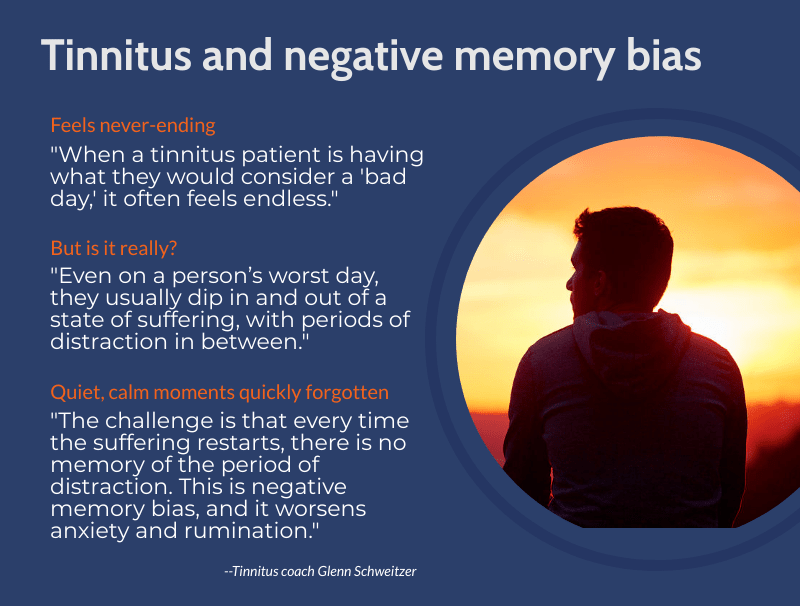
    Effect on Social Life and Relationships

    Tinnitus doesn’t just affect us internally; it can also strain relationships. Social gatherings, phone calls, or even quiet moments with loved ones can become difficult. When we’re unable to concentrate or engage fully in conversations, misunderstandings or frustrations may develop.

    This creates a cycle where we might withdraw from social situations, further increasing isolation. Over time, the inability to communicate clearly can damage personal and professional relationships. The emotional burden of explaining the condition repeatedly only adds to the strain.

    Coping Mechanisms for Managing Psychological Effects of Tinnitus

    While tinnitus can feel relentless, there are steps we can take to protect our mental and emotional health. Understanding how to manage both the noise and the associated stress is key to reclaiming a sense of control over our lives.

    Sound Therapy and Relaxation Techniques

    One way to counter the disruptive effects of tinnitus is through sound therapy. White noise machines, nature sounds, or soft background music can help mask the ringing, making it less noticeable. Even a simple fan or app can create a calming environment and reduce stress.

    Relaxation techniques, like mindfulness or meditation, teach us how to manage our response to the condition. Practices that focus on controlled breathing or progressive muscle relaxation can ease tension and shift our attention away from the tinnitus. These techniques may not eliminate the ringing, but they help reduce its emotional impact.

    Cognitive Behavioral Therapy (CBT) for Tinnitus Management

    Cognitive Behavioral Therapy has emerged as an effective method for managing tinnitus-related stress. With the help of a trained professional, we can identify and address negative thought patterns tied to our condition. For example, if we’re convinced that the ringing will ruin our quality of life, CBT can teach us to reframe that thought into something more manageable.

    CBT focuses on building resilience by altering how we perceive tinnitus. Through structured sessions, we can develop coping techniques that reduce the frustration and anxiety associated with the condition.

    Building a Support System

    Living with tinnitus can feel isolating, but we don’t have to face it alone. Joining support groups online or in person opens up opportunities to connect with others who understand what we’re going through. Sharing strategies, frustrations, and successes can provide a sense of community and relief.

    Counseling, whether individual or group based, can also make a difference. Having a professional or trusted confidant to discuss the challenges of tinnitus helps to lighten the emotional load. Support systems remind us that we’re not alone.

    Long-Term Perspective and Lifestyle Adjustments

    Managing tinnitus isn’t a one time fix it requires ongoing effort and long-term thinking. As we find ways to adapt, the condition becomes more manageable, and the associated psychological stress diminishes.

    Incorporating Healthy Habits for Overall Well-Being

    Lifestyle changes can have a significant impact on how we cope with tinnitus. Regular exercise improves circulation and releases endorphins, which can enhance our mood and resilience. Pairing physical activity with a balanced diet ensures that our body and mind have the nourishment they need to handle stress.

    Stress management is equally important. Activities like yoga, journaling, or even spending time outdoors can help us maintain a sense of calm. By taking care of our overall health, we’re better equipped to manage the challenges tinnitus brings.

    When to Seek Professional Help

    There’s no shame in needing extra support. If the psychological effects of tinnitus—such as anxiety or depression become too much to handle alone, seeking help is essential. Therapy, counseling, or even medical treatments can make a substantial difference.

    Signs that it might be time to consult a professional include difficulty sleeping for extended periods, withdrawing from social activities, or feeling hopeless. These are not problems we have to face alone resources and treatments are available.

    Conclusion

    The psychological effects of tinnitus are profound, affecting how we think, feel, and interact with the world. However, as challenging as it may seem, we do have ways to cope and regain a sense of normalcy. By addressing the mental and emotional impact head on through sound therapy, CBT, lifestyle adjustments, and support systems we can reduce the strain tinnitus places on our lives.

    Taking proactive steps toward managing tinnitus isn’t just about the noise itself; it’s about protecting our emotional resilience and mental well-being. For those of us living with this condition, finding solutions that work for our unique needs can make all the difference. Remember, we’re not alone, and with the right tools, we can learn to live well despite tinnitus.

  • Tinnitus can feel like an unsolvable mystery, but for some people, hidden vitamin deficiencies might be part of the equation. Your body depends on key nutrients to function properly, and when they’re lacking, it can impact ear health in ways you might not expect. Join me as I shed light on the connection between tinnitus and vitamin deficiencies and more importantly, what steps you might take to find relief.

    How Vitamin Deficiencies Impact Tinnitus

    There’s a clear biological link between vitamin deficiencies and tinnitus, primarily through the roles these nutrients play in maintaining our auditory and nervous systems. Vitamins are not just occasional guests in our diets; they perform vital functions that keep our body systems running smoothly. When we lack these essential vitamins, it can lead to nerve damage, reduced blood flow, and increased inflammation, all of which can worsen tinnitus symptoms.

    The Role of Vitamins in Nervous System Support

    Several essential vitamins contribute to a well-functioning nervous system, which is crucial for hearing. The B complex vitamins, for example, support nerve health and help in the production of neurotransmitters. These compounds play a significant role in sending signals between the ears and the brain. Vitamin D is another key player; it influences the regulation of calcium levels, which are essential for nerve conduction. Similarly, Vitamin E acts as an antioxidant, protecting nerve tissues from oxidative stress.

    Circulatory and Metabolic Influence on Tinnitus

    Our circulatory system feeds the auditory structures of the ears, and certain vitamins help regulate blood flow and metabolism. Vitamins such as C and B3 (niacin) help improve circulation, which is vital for ear health. When we experience reduced blood flow, it can directly affect the delicate tissues within the inner ear, potentially intensifying tinnitus symptoms.

    Key Vitamins Associated with Tinnitus Management

    Not all vitamins have the same influence on tinnitus, but some are particularly noteworthy. Understanding their roles can aid in managing tinnitus effectively.

    Vitamin B12’s Contribution to Healthy Auditory Function

    Vitamin B12 is often highlighted for its relevance to nerve health. It’s vital for forming myelin, a protective sheath that surrounds nerves, including those in the ears. When B12 levels drop, the integrity of this myelin diminishes, which can lead to communication breakdowns between the auditory system and the brain. Consequently, this disruption can exacerbate tinnitus symptoms.

    The Importance of Vitamin D for Inflammation Control

    Vitamin D is critical not just for bone health but also for controlling inflammation throughout the body. Chronic inflammation may play a role in the development of tinnitus. By ensuring adequate levels of Vitamin D, I can reduce inflammation in my body, potentially alleviating some of the discomfort associated with tinnitus.

    Antioxidant Benefits of Vitamin E

    Vitamin E is known for its antioxidant properties. It can help combat oxidative stress, which has been linked to various health issues, including tinnitus. By safeguarding nerve cells from damage, Vitamin E may help lessen the severity of tinnitus symptoms.

    Signs of Vitamin Deficiencies That Could Worsen Tinnitus

    Recognizing vitamin deficiencies is crucial, especially when it comes to managing tinnitus. Here are a few key symptoms that could indicate a deficiency.

    Early Indications of B12 Deficiency

    Fatigue is one of the most common symptoms I might overlook. Other signs include numbness or tingling sensations and memory issues. These symptoms can overlap with tinnitus, potentially muddying the waters of diagnosis and management.

    Detecting Vitamin D Insufficiency

    When it comes to Vitamin D, look out for joint pain, mood swings, and a weakened immune system. Each of these symptoms can have an impact on my overall well-being and could potentially aggravate tinnitus issues.

    Addressing Vitamin Deficiencies to Alleviate Tinnitus Symptoms

    Identifying and correcting vitamin deficiencies can be instrumental in managing tinnitus effectively. Here are some actionable insights to consider.

    Dietary Adjustments for Complete Nutrition

    Refilling my body’s vitamin stores through diet is a sensible approach. Foods rich in essential vitamins should be staples on my plate. For instance:

    • Fish: High in Omega-3 fatty acids and B12.
    • Eggs: A good source of B vitamins.
    • Leafy Greens: Packed with Vitamin C and E.
    • Fortified Foods: Can boost my Vitamin D intake.

    Supplements as a Supportive Option

    If dietary changes aren’t enough, high-quality supplements may be a solution. However, it’s vital to consult a healthcare provider before starting any new regimen. They can help identify specific deficiencies and recommend appropriate supplements tailored to my needs.

    Conclusion

    Understanding the role of vitamin deficiencies in worsening tinnitus symptoms can open new doors to relief. By recognizing the importance of vitamins in the auditory and nervous systems, I can take actionable steps toward alleviating my symptoms. However, it’s always wise to consult healthcare professionals for personalized advice that takes my unique health needs into account. Addressing these deficiencies could make a significant difference in managing tinnitus and restoring quality of life.

  • While tinnitus can be frustrating and difficult to manage, emerging evidence suggests something as simple as your diet may play a role in either worsening or alleviating its symptoms.

    You might not immediately connect what’s on your plate with the sounds in your ears, but the food you eat can influence systems in your body including blood flow, inflammation, and nerve health that directly affect your auditory system. Let’s explore how diet choices may influence tinnitus and what foods to consider in managing its symptoms.

    The Link Between Diet Choices and Tinnitus

    While diet may not cure tinnitus, it seems to have a meaningful impact on its severity and frequency. Researchers have suggested that specific foods could influence either the progression or management of tinnitus symptoms. For example, the way certain ingredients affect blood pressure or promote inflammation can trickle down to ear health. Circulation plays a key role in auditory function, so anything that impacts blood flow positively or negatively could influence tinnitus.

    Although concrete scientific answers are still evolving, many individuals report dietary changes making a difference. The correlation isn’t random; it ties back to how food impacts the body’s key processes like inflammation, nerve response, and vascular health.

    How Nutrition Impacts Ear Health

    Optimal ear function depends on proper nutrition to support the auditory system. Vitamins and minerals play an essential role in preserving nerve health, maintaining blood vessel flexibility, and preventing oxidative stress in inner ear cells. For example:

    • Vitamin A, C, and E: These antioxidants protect the delicate structures of the inner ear from damage caused by free radicals.
    • B Vitamins: Vital for nerve function, these nutrients may support the auditory nerves to ensure signals are properly transmitted from the ears to the brain.
    • Zinc and Magnesium: Both are involved in protecting against hearing-related issues and may help reduce the severity of tinnitus in some cases.

    Without balanced nutrition, your auditory system becomes more vulnerable to damage over time, potentially exacerbating tinnitus symptoms.

    The Role of Inflammation and Circulation

    Inflammation is like a fire in your body that refuses to die out, and it’s often linked to various chronic health issues, including tinnitus. Diets high in inflammatory foods, like processed carbohydrates or saturated fats, can worsen systemic inflammation, potentially increasing tinnitus. On the flip side, choosing anti-inflammatory foods—like those rich in omega-3 fatty acids may help ease symptoms.

    Circulation also matters. Poor blood flow can starve the inner ear of the oxygen and nutrients it needs, potentially triggering or worsening tinnitus. Foods that support heart health, such as leafy greens and nuts, can improve circulation, providing essential support for your auditory system.

    Foods That May Aggravate Tinnitus Symptoms

    What you eat doesn’t just impact your waistline. Certain foods and dietary habits appear to aggravate tinnitus by influencing factors like blood pressure, nerve health, and inflammation. Here are some that might contribute to louder or more persistent symptoms:

    Processed Foods and High Sodium Levels

    Too much salt can wreak havoc on your circulation and blood pressure—a known factor in many tinnitus cases. Processed foods are often loaded with sodium, which can lead to fluid retention, higher blood pressure, and difficulty regulating blood flow to the ears. Items to watch out for include:

    • Canned soups and broths
    • Prepackaged snacks like chips or crackers
    • Instant noodles and frozen meals

    Reducing your salt intake and opting for fresher, whole foods could help ease tinnitus related to fluid or circulation problems.

    Caffeine and Tinnitus: Myth or Reality?

    Caffeine’s connection to tinnitus is debated. While some people find caffeine worsens their symptoms by increasing blood pressure or nerve excitability, others notice no difference or even slight improvement—when consuming coffee. It’s likely an individual sensitivity. If caffeine seems to exacerbate your tinnitus, consider limiting coffee, tea, or soda to see if your symptoms improve.

    Alcohol, Sugar, and Tinnitus

    Alcohol and added sugars are another duo to watch. Alcohol dilates blood vessels, which may temporarily increase blood flow to the ear but then cause fluctuating circulation, potentially triggering tinnitus. Similarly, sugar spikes can wreak havoc on your body’s blood sugar balance, producing inflammation and unsettling overall nerve function. Reducing your intake of candy, pastries, and alcohol might significantly impact your symptom levels.

    Foods and Nutrients That May Improve Tinnitus

    Just as certain foods may aggravate tinnitus, others could provide relief by supporting ear health, reducing inflammation, and stabilizing blood flow. Some nutrients stand out for their potential benefits.

    Antioxidants and Tinnitus Relief

    Antioxidants combat oxidative stress, which may otherwise damage inner ear cells over time. Foods rich in antioxidants can support ear health and potentially reduce tinnitus severity, including:

    • Berries (strawberries, blueberries, raspberries)
    • Dark leafy greens like spinach and kale
    • Nuts and seeds

    Incorporating these items into your diet offers an easy way to help protect your auditory system.

    Omega-3 Fatty Acids and Ear Health

    Omega-3s are well-known for their anti-inflammatory properties. Found in fatty fish like salmon, mackerel, and sardines, omega-3 fatty acids also boost circulation, nurturing inner ear structures. Research suggests diets rich in omega-3s are associated with lower risks of hearing loss and might offer benefits for those experiencing tinnitus.

    Magnesium, Zinc, and Other Key Nutrients

    Magnesium helps regulate nerve function and blood flow, while zinc supports cell repair and immune health—both essential for ear wellness. Foods high in these nutrients include:

    • Magnesium: Dark chocolate, avocados, and almond butter
    • Zinc: Shellfish, pumpkin seeds, and legumes

    Adding these key nutrients to your meals might help stabilize inner ear function and reduce the intensity of symptoms.

    Building a Tinnitus-Friendly Diet

    Making intentional food choices can create a significant improvement over time. While there’s no silver bullet diet for tinnitus, certain patterns are beginning to emerge as helpful.

    Balanced Meal Planning to Support Ear Health

    A tinnitus-friendly diet focuses on whole, minimally processed foods. Build meals around:

    • Lean proteins like chicken, fish, or plant-based alternatives
    • Whole grains such as quinoa, farro, and brown rice
    • Vegetables that are high in vitamins and minerals, especially leafy greens
    • Healthy fats like those from nuts, seeds, and olive oil

    By avoiding trigger foods while incorporating these staples, you’re not just protecting your ears—you’re benefiting your overall health as well.

    Hydration and Its Role in Tinnitus Management

    Dehydration can worsen tinnitus symptoms, especially if it affects circulation or electrolyte balance. Make sure you’re drinking enough water throughout the day, aiming for at least 8 cups daily or more if you’re active. Avoid relying on sugary beverages, which can add unnecessary calories and trigger inflammation.

    Conclusion

    Diet choices and tinnitus are more closely connected than you might think. The foods you eat can either aggravate symptoms by promoting inflammation and poor circulation, or they can help ease them by supporting ear health and reducing stress on your auditory system. By minimizing processed foods, caffeine, and sugar while nourishing your body with antioxidants, omega-3s, and hydration, you can create conditions that promote relief.

    If you’re struggling with tinnitus, consider keeping a food journal to identify triggers and patterns. Small, consistent changes to your diet could have a lasting impact on your symptoms. While diet alone may not eliminate tinnitus entirely, it’s one step toward regaining control and improving your quality of life.

  • Tinnitus can be unpredictable. Some people notice it constantly, while for others, it comes and goes. Understanding the frequency of tinnitus symptoms is key to managing this condition. From brief episodes to persistent noise, we’ll explore what impacts the timing and patterns of this often frustrating auditory experience.

    Understanding Tinnitus

    Tinnitus is not a disease but a symptom of an underlying condition, which can be associated with hearing loss, ear injury, or circulatory system disorders. The perception of sound in the absence of an external source is what characterizes tinnitus. It can manifest in one or both ears and vary significantly in pitch and intensity.

    Symptoms and Their Frequency

    The frequency of tinnitus symptoms can differ greatly among individuals. Some people may experience tinnitus intermittently, while others endure a constant presence of sounds. The variability in symptoms can be influenced by several factors, including:

    1. Exposure to Loud Noises: Individuals frequently exposed to loud environments, such as concerts or construction sites, may notice a temporary increase in tinnitus symptoms. Prolonged exposure can lead to more persistent symptoms.

    2. Age-related Hearing Loss: As people age, the prevalence of tinnitus tends to increase, often correlating with hearing loss. The natural degeneration of auditory cells can lead to more frequent tinnitus episodes.

    3. Stress and Anxiety: High stress levels can exacerbate tinnitus symptoms, making them more frequent and noticeable. Stress management techniques may help reduce the intensity and frequency of the symptoms.

    4. Ear Infections and Blockages: Conditions like ear infections or a buildup of earwax can temporarily heighten tinnitus. Once the underlying issue is resolved, symptoms typically decrease in frequency.

    5. Medical Conditions: Certain medical conditions, such as Meniere’s disease or hypertension, are linked with more persistent and frequent tinnitus symptoms. Managing these conditions can sometimes alleviate tinnitus.

    Impact on Quality of Life

    The frequency of tinnitus symptoms can have a significant impact on an individual’s quality of life. Persistent tinnitus can lead to difficulties in concentration, sleep disturbances, and even emotional distress. For some, it can affect professional and social interactions, leading to a sense of isolation or frustration.

    Managing Tinnitus

    While there is no cure for tinnitus, various strategies can help manage symptoms and reduce their frequency:

    Sound Therapy: Using background noise, such as white noise machines or specialized ear devices, can mask the tinnitus sounds and provide relief.

    Hearing Aids: For those with concurrent hearing loss, hearing aids can amplify external sounds, making tinnitus less noticeable.

    Cognitive Behavioral Therapy (CBT): CBT can help change the emotional response to tinnitus, reducing the stress and anxiety associated with the condition.

    Lifestyle Changes: Reducing caffeine and alcohol intake, practicing relaxation techniques, and maintaining a healthy diet can contribute to better management of tinnitus symptoms.

    Conclusion

    Tinnitus is a complex condition with symptoms that vary greatly in frequency and intensity from one person to another. Understanding the factors that influence these symptoms can aid in developing effective management strategies. While tinnitus can be challenging, with the right approach, individuals can lead fulfilling lives despite the condition. For those affected, consulting with healthcare professionals can provide guidance tailored to their specific needs.

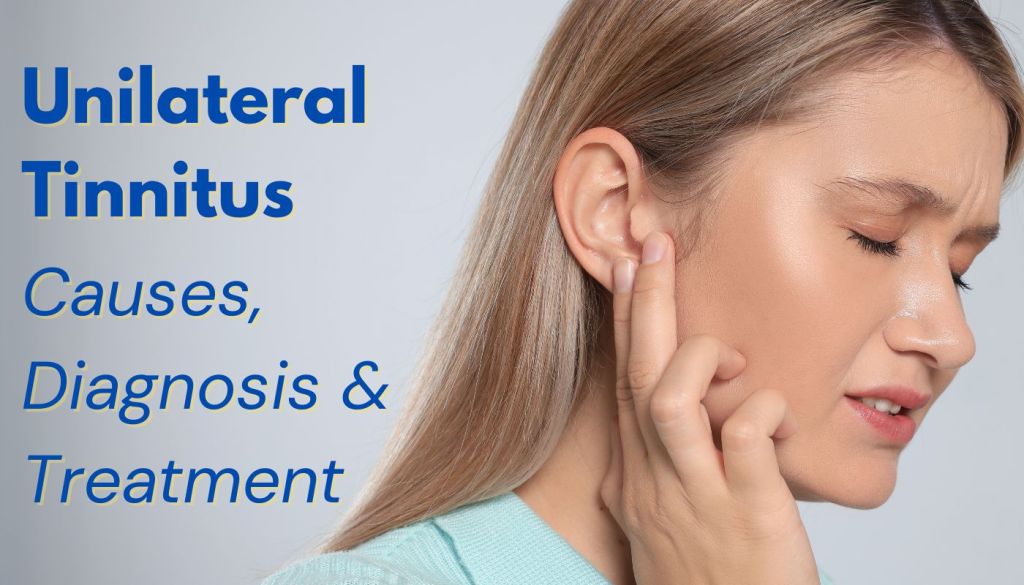
  • Unilateral tinnitus is a condition that many people have heard of but few truly understand. If you’ve ever experienced a ringing, buzzing, or hissing sound in one ear with no external source, you might already know how unsettling it can be. Unlike bilateral tinnitus, which affects both ears, unilateral tinnitus occurs in only one. While it’s not uncommon, its causes can vary widely, and understanding them can make all the difference when it comes to finding relief.

    What Is Unilateral Tinnitus?

    Unilateral tinnitus refers to the perception of sound in one ear without any external noise. It’s important to differentiate this condition from bilateral tinnitus, which involves both ears. The sounds heard can differ among individuals and may range from faint ringing to more persistent hissing or buzzing. For some, it’s temporary, but for others, it becomes chronic, significantly impacting their quality of life.

    Common symptoms include the perception of noise that only the individual hears. This may be paired with ear discomfort, hearing loss, or even dizziness in some cases. In many situations, unilateral tinnitus is a sign of an underlying issue, making it important to identify the root cause.

    Potential Causes of Unilateral Tinnitus

    The causes of unilateral tinnitus can range from minor and easily treatable to more complex or rare conditions. Breaking these down into categories can help clarify what might be at play.

    Ear-Related Causes

    Sometimes, the problem starts within the ear itself. Several common issues can contribute to unilateral tinnitus:

    • Earwax buildup: Excessive wax can block the ear canal and press against the eardrum, leading to ringing or buzzing.
    • Ear infections: An infection can cause inflammation in the middle or inner ear, resulting in temporary tinnitus.
    • Eustachian tube dysfunction: When this tube connecting the middle ear to the back of the throat doesn’t function properly, it can lead to pressure changes and tinnitus.
    • Otitis media: Chronic middle ear infections or fluid buildup can trigger tinnitus in one ear.

    Neurological and Vascular Conditions

    Other times, the source of the problem goes beyond the ear and involves neurological or vascular systems.

    • Acoustic neuroma: This is a benign tumor on the auditory nerve that can cause unilateral tinnitus, along with hearing loss and balance issues.
    • Meniere’s disease: This inner ear disorder leads to episodes of tinnitus, vertigo, and hearing loss, often affecting only one ear.
    • Vascular abnormalities: Sometimes, changes in blood flow, such as those caused by high blood pressure or certain blood vessel disorders, can create pulsating sounds within one ear.

    Injury or Trauma

    External factors are another potential cause and shouldn’t be overlooked.

    • Head or neck injuries: Damage from a fall, impact, or whiplash can affect auditory nerves or blood flow, resulting in tinnitus in one ear.
    • Exposure to loud noise: A sudden or sustained exposure to loud sound, such as at a concert or during work, can damage inner ear structures, leading to permanent tinnitus.

    Diagnosis and When to Seek Medical Attention

    If you’re dealing with unilateral tinnitus, figuring out what’s causing it is the first step toward treatment. Ignoring it can lead to unnecessary suffering or allow a serious condition to develop unnoticed.

    Diagnostic Procedures and Tests

    Doctors often rely on a combination of medical history and tests to diagnose unilateral tinnitus.

    • Hearing tests: Audiometry measures your ability to hear different frequencies and may reveal hearing loss.
    • Imaging techniques: An MRI or CT scan might be ordered to look for structural issues, such as tumors or blood vessel abnormalities.
    • Physical exams: A careful examination of your ears, head, and neck can help spot potential causes like earwax or injury.

    When It Becomes a Medical Emergency

    Unilateral tinnitus isn’t always an emergency, but there are red flags to watch for. Seek immediate medical attention if you experience:

    • Sudden hearing loss in the affected ear.
    • Severe dizziness or vertigo accompanying the tinnitus.
    • Intense headaches or facial numbness, which could indicate a neurological problem.

    Prompt action can be critical, as some of these symptoms might point to serious conditions.

    Treatment Options for Unilateral Tinnitus

    Treating unilateral tinnitus involves not only managing symptoms but also addressing the underlying cause. The range of available options means there’s often hope for improvement—sometimes even complete resolution.

    Medical Treatments and Interventions

    When tinnitus stems from an identifiable medical issue, targeted treatments can be highly effective.

    • Medications: Antibiotics for infections or steroid treatments for inflammation might resolve the issue.
    • Surgery: In cases like acoustic neuroma or severe Meniere’s disease, surgical intervention might be recommended.
    • Sound therapy: Devices that generate white noise or specific tones can help mask the tinnitus and make it less noticeable.

    Lifestyle Changes and Home Remedies

    For milder cases or as part of an overall treatment strategy, lifestyle changes can often bring relief.

    • Stress management: Stress can worsen tinnitus, so practices such as yoga, meditation, or deep breathing exercises can help.
    • Avoiding triggers: Reducing exposure to loud noises, caffeine, or alcohol might lessen symptoms.
    • Sound enrichment: Playing calming background sounds, such as a fan or white noise, can help distract your brain from the ringing.

    Coping Mechanisms and Support

    Living with tinnitus can take an emotional toll, so finding the right support is essential.

    • Counseling or therapy: Cognitive-behavioral therapy (CBT) can teach coping skills and help reduce the emotional impact of tinnitus.
    • Support groups: Connecting with others who have tinnitus can provide reassurance and share helpful tips for managing the condition.
    • Mindfulness techniques: Learning to focus your attention away from the tinnitus can make it easier to move on with your life.

    Conclusion

    Unilateral tinnitus may not always be a stand alone problem it’s often a symptom of something more. Whether it’s caused by earwax buildup, a nerve issue, or even vascular changes, understanding the root cause can pave the way for effective treatment. If you’re dealing with persistent or worsening tinnitus, don’t wait to consult a healthcare provider. Prompt intervention can make a big difference, both in uncovering any underlying condition and improving your quality of life.

    Though there isn’t always a quick fix, there’s reason to be optimistic. With a combination of medical care, lifestyle adjustments, and coping strategies, you can regain control and minimize the impact of tinnitus on your day-to-day activities.

  • Experiencing sudden hearing loss or the intrusive ringing of tinnitus can feel overwhelming and confusing. These conditions often leave people searching for answers, wondering what’s happening and why. This post explains the potential causes of sudden hearing loss and tinnitus, the connection between them, and why seeking medical attention quickly is so important. By understanding these conditions, you’ll be better prepared to take the right steps toward managing or improving your hearing health.

    Sudden Hearing Loss

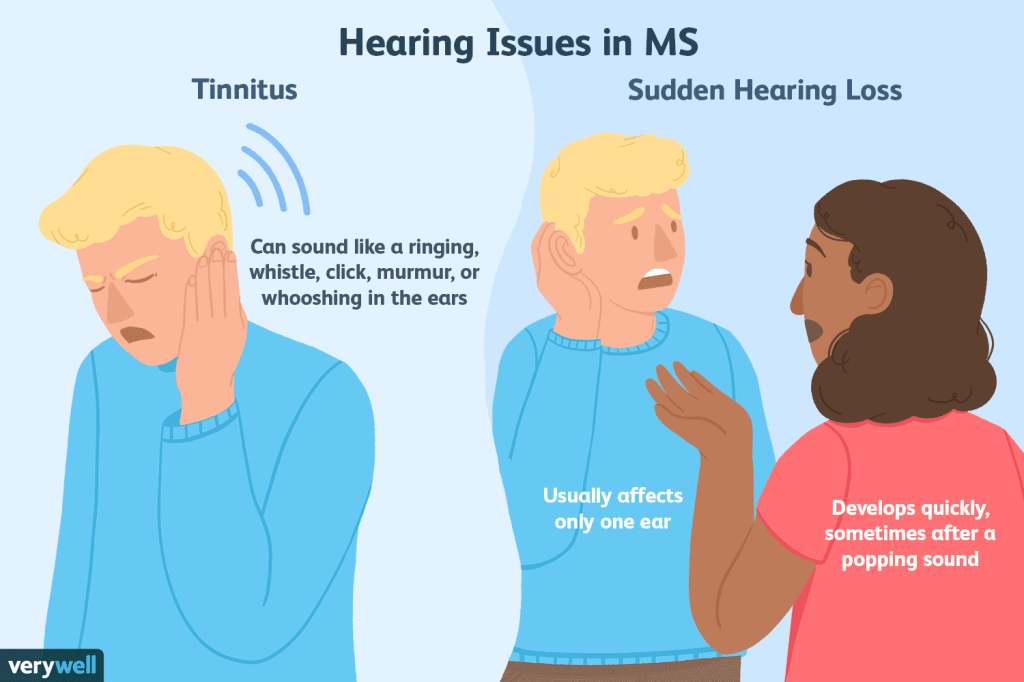
    Sudden hearing loss, often referred to as sudden sensorineural hearing loss (SSHL), is a rapid loss of hearing, typically occurring in one ear. It can happen over a span of a few hours or days, and in some cases, it might be accompanied by a feeling of fullness in the affected ear. The underlying cause of SSHL is not always identifiable, but it is believed to be connected to viral infections, autoimmune diseases, or circulatory problems that affect the inner ear.

    The symptoms of SSHL can be distressing, as they often include a sudden inability to hear clearly or a complete loss of hearing in one ear. Some individuals may also experience dizziness or vertigo. Due to its sudden onset, SSHL is considered a medical emergency, and it is crucial to seek immediate attention from a healthcare professional. Early diagnosis and treatment can significantly improve the chances of recovery.

    Treatment for SSHL typically involves corticosteroids, which help reduce inflammation and swelling in the cochlea. In some cases, antiviral medications or therapies aimed at improving blood flow to the inner ear may be considered. Prompt intervention is key, as the effectiveness of treatment often diminishes if delayed beyond a critical period following the onset of symptoms.

    Tinnitus

    Tinnitus is characterized by the perception of sound in the absence of an external source. It is often described as ringing, buzzing, hissing, or humming in the ears. Tinnitus can vary in intensity and may be constant or intermittent. Unlike sudden hearing loss, tinnitus is not typically considered a medical emergency, but it can still be incredibly disruptive to daily life.

    The causes of tinnitus are diverse, ranging from exposure to loud noises, ear infections, and age-related hearing loss to more complex conditions like Meniere’s disease or temporomandibular joint disorders. Stress, anxiety, and certain medications can also contribute to the development or exacerbation of tinnitus.

    Managing tinnitus often involves addressing the underlying cause, if identifiable, and implementing strategies to reduce its impact. Sound therapy, which uses external sounds to mask or alter the perception of tinnitus, is a common approach. Cognitive-behavioral therapy (CBT) can also be beneficial, helping individuals develop coping strategies to manage the emotional and psychological effects of tinnitus. In some cases, hearing aids may be recommended, particularly if tinnitus is accompanied by hearing loss.

    Conclusion

    Sudden hearing loss and tinnitus are conditions that require careful attention and management. While SSHL demands immediate medical intervention to maximize recovery potential, tinnitus management often involves a more individualized approach tailored to the specific needs of the patient. By understanding these conditions and exploring available treatments, individuals affected by sudden hearing loss or tinnitus can take proactive steps toward improving their auditory health and overall well-being. If you or someone you know experiences symptoms of sudden hearing loss or persistent tinnitus, consulting a healthcare professional is essential for accurate diagnosis and appropriate treatment.

  • Living with tinnitus is already challenging, but for many, the effects go beyond the constant ringing. Issues like trouble concentrating, increased stress, or trouble sleeping can often creep in. These secondary symptoms don’t get as much attention but play a huge role in how tinnitus affects daily life. Understanding these symptoms can help you manage them more effectively and improve your overall well-being.

    Emotional and Psychological Impact

    One of the most profound secondary symptoms of tinnitus is its effect on an individual’s emotional and psychological well-being. Many sufferers report increased levels of stress, anxiety, and depression. The persistent noise can be intrusive and overwhelming, leading to feelings of frustration and helplessness. Over time, the emotional burden can exacerbate the perception of tinnitus, creating a challenging cycle for the sufferer.

    Sleep Disturbances

    Sleep disturbances are another common secondary symptom associated with tinnitus. The constant ringing or buzzing can make it difficult for individuals to fall asleep or stay asleep, leading to insomnia or poor sleep quality. Lack of restful sleep further contributes to fatigue, irritability, and a diminished ability to concentrate during the day, making daily tasks more challenging.

    Cognitive Difficulties

    Cognitive difficulties are also reported by individuals with tinnitus. The relentless noise can interfere with concentration, attention, and memory. This cognitive strain can affect work performance and daily activities, as the individual may struggle to focus on tasks or recall information, impacting their productivity and overall well-being.

    Social Isolation

    Social isolation is another secondary symptom that can arise from tinnitus. The constant noise can make it difficult to engage in conversations or enjoy social activities, leading some individuals to withdraw from social interactions. This isolation can further exacerbate feelings of loneliness and depression, creating a vicious cycle that affects mental health.

    Physical Discomfort

    In addition to the psychological and social effects, some individuals experience physical discomfort related to tinnitus. This can include headaches, ear pain, and a feeling of fullness in the ears. These physical symptoms can vary in intensity and may contribute to the overall distress experienced by the individual.

    Coping Strategies

    Managing the secondary symptoms of tinnitus involves a multifaceted approach. Cognitive-behavioral therapy (CBT) has been effective in helping individuals cope with the emotional and psychological impacts. Stress management techniques, such as mindfulness and relaxation exercises, can also provide relief. For sleep disturbances, establishing a regular sleep routine and creating a conducive sleep environment can be beneficial.

    Social support plays a crucial role in managing tinnitus. Joining support groups or seeking therapy can provide individuals with a sense of community and understanding, reducing feelings of isolation. Additionally, sound therapy and hearing aids may help mask the tinnitus noise, making it less intrusive and improving the individual’s overall quality of life.

    In conclusion, while tinnitus primarily involves the perception of sound without an external source, its secondary symptoms can profoundly affect an individual’s emotional, psychological, and physical well-being. Understanding these symptoms and implementing effective coping strategies is essential for improving the quality of life for those affected by tinnitus. Through a combination of therapeutic approaches and social support, individuals can find relief and regain control over their lives.

  • Tinnitus is an often-overlooked condition that can drastically interfere with daily life. Imagine having a constant ringing, buzzing, or hissing sound in your ears with no external source to pinpoint. It’s not just a minor inconvenience it can interrupt sleep, affect concentration, and create significant stress. While conventional treatments like medication or sound therapy exist, some individuals aren’t satisfied with the results or struggle with side effects. This is where natural alternatives like herbal tinnitus treatment options come into play. These remedies focus on the holistic and natural healing of the underlying causes.

    Let’s dive into the essentials of tinnitus, how it impacts people, and the herbal remedies that many are turning to for relief.

    What Is Tinnitus and Its Causes

    Tinnitus isn’t a disease but a symptom of an underlying issue. It can stem from exposure to loud noises, ear infections, stress, or even age-related hearing loss. The sounds associated with tinnitus can vary, but the common thread is that only the affected person hears them.

    Common Symptoms of Tinnitus

    If you’ve ever noticed a faint ringing or buzzing sound after leaving a noisy environment, you’ve experienced what tinnitus can feel like on a smaller scale. For some, though, these sounds don’t go away and become a constant presence. Symptoms often include:

    • Persistent ringing, buzzing, or hissing in one or both ears.
    • A perceived “whooshing” sound, often linked to changes in circulation.
    • High-pitched tones or even low, droning noises without any external source.
    • Increased awareness of sound in complete silence, making it hard to sleep.

    Key Causes Linked to Tinnitus

    Understanding the key causes makes it easier to see why treatment is necessary. Here are some of the most common triggers:

    • Exposure to loud noises: Concerts, machinery, or headphones at full blast can damage hearing over time.
    • Hearing loss: The natural aging process often reduces auditory function. Tinnitus is frequently an unfortunate side effect.
    • Stress or anxiety: Emotional strain can amplify symptoms or trigger tinnitus episodes.
    • Circulatory problems: Issues that restrict blood flow to the ears or brain can bring on tinnitus.

    Each of these causes has a unique connection to the inner workings of our bodies. This is why treatment options need to address more than just the symptoms.

    Benefits of Herbal Remedies for Tinnitus

    The appeal of herbal tinnitus treatment options often lies in their simplicity and natural origins. Unlike conventional treatments, herbal remedies tend to focus on long-term balance and healing.

    Reduced Risk of Side Effects

    One of the most talked-about advantages of herbal remedies is their safety profile. Many people turn to herbs because they want to avoid the dependency or unpleasant side effects that often come with prescription medications. Herbs aim to restore balance rather than mask symptoms.

    Holistic Healing Properties

    Herbal treatments go deeper than just calming the noise in your ears. They aim to impact the root causes, whether that’s poor circulation, inflammation, or stress. For example, certain herbs are known to improve blood flow, which helps deliver essential nutrients and oxygen to the ears. Others reduce inflammation, creating a calming effect throughout the body.

    Top Herbal Remedies for Tinnitus Relief

    Several herbs have become popular for their potential to lessen tinnitus symptoms. Below are a few of the most promising options, along with how they work.

    Ginkgo Biloba

    Why it helps: Ginkgo biloba is famous for increasing blood flow, particularly to the head and neck regions. By improving circulation, it may reduce tinnitus symptoms linked to inadequate blood supply to the ears or brain.

    How to use it: Ginkgo is widely available as a tablet, capsule, or extract. A typical dose ranges from 120 to 240 milligrams daily, divided into smaller doses.

    Garlic

    Why it helps: Garlic has been praised for centuries for its anti-inflammatory and cardiovascular benefits. Its ability to boost circulation can play a role in reducing tinnitus symptoms for those with circulatory issues.

    How to use it: Garlic supplements are available, or you can include raw or cooked garlic in your meals. Another option is garlic-infused oil, which can be used in ear drops (consult a professional for safe use).

    Ginger

    Why it helps: Ginger works as a natural anti-inflammatory. It also has antioxidant properties that can protect cells from damage. Both of these qualities make it a smart option for those dealing with tinnitus caused by swelling or oxidative stress.

    How to use it: Ginger tea is a simple way to incorporate this herb into your routine. Grate fresh ginger into hot water, let it steep, and drink twice a day.

    Homeopathic Remedies with Herbal Influence

    For those who prefer a blend of ingredients, some homeopathic treatments incorporate multiple herbs like ginkgo, garlic, and hawthorn. These blends often come in tinctures, capsules, or dissolvable tablets. They can be a good starting point for someone new to herbal treatments.

    How to Incorporate Herbal Remedies into a Tinnitus Care Routine

    Using herbs effectively isn’t just about taking capsules or sipping tea. To get the best results, it’s smart to combine herbal remedies with lifestyle adjustments.

    Combining Herbal Remedies with Diet Changes

    An inflammatory diet can worsen tinnitus, so pairing herbs with proper nutrition is key. Focus on anti-inflammatory foods like leafy greens, berries, nuts, and fatty fish. Reducing your intake of processed foods, added sugars, and excess salt can also make a significant difference.

    Stress Management with Herbal Teas

    Stress and tinnitus often go hand-in-hand, creating a frustrating cycle. Herbal teas with calming properties, like chamomile or lavender, can help break this loop. Sipping a warm tea in the evening might be all it takes to ease stress-related symptoms.

    Conclusion

    Living with tinnitus isn’t easy, but you don’t have to feel stuck. Natural solutions like herbal tinnitus treatment options offer a gentle and safe approach to managing symptoms. Herbs such as ginkgo biloba, garlic, and ginger aren’t just effective—they also support overall health by addressing circulation, inflammation, and stress.

    If you’re considering these remedies, remember that consistency and patience are key. Consult a healthcare professional before introducing new herbs, especially if you take other medications. With the right approach, you can quiet the noise and enjoy life again.